
Tetramorium setigerum
- Sci. Name
- Tetramorium setigerum
- Tribe
- Crematogastrini
- Subfamily
- Myrmicinae
- Author
- Mayr, 1901
- Distribution
- Found in 3 countries
Introduction
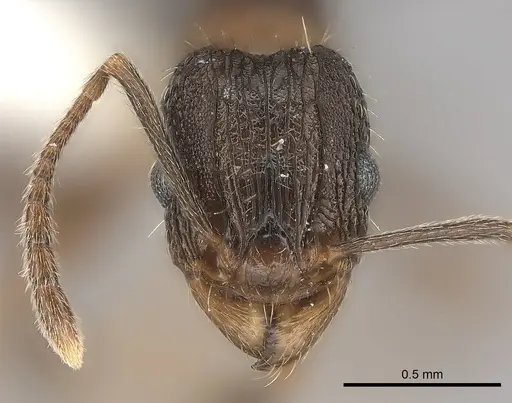
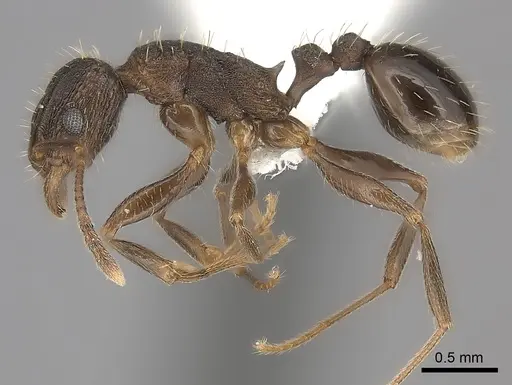
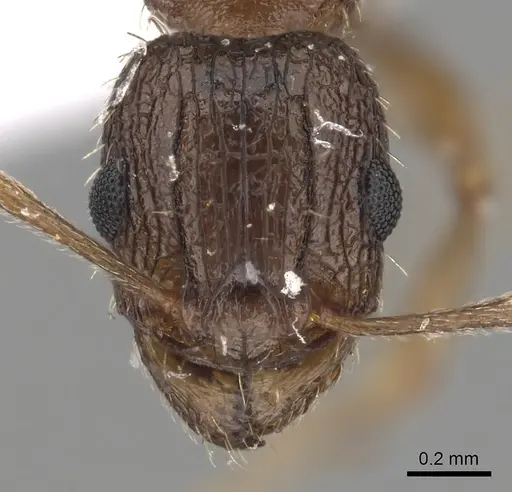
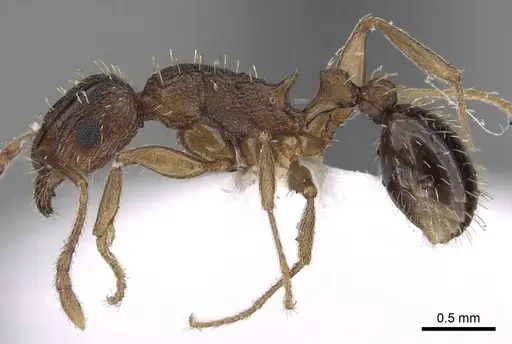
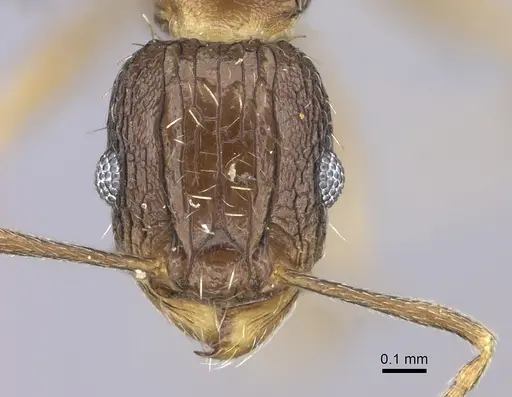
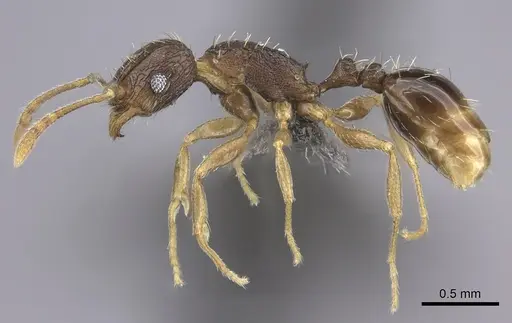
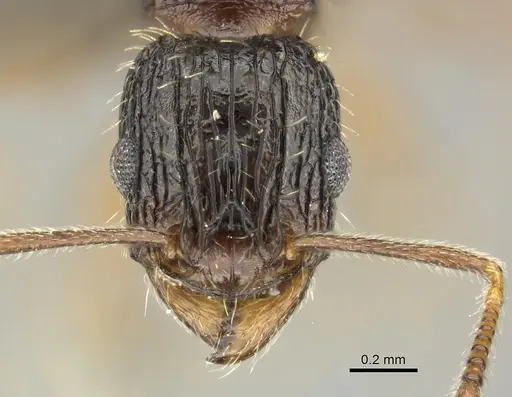
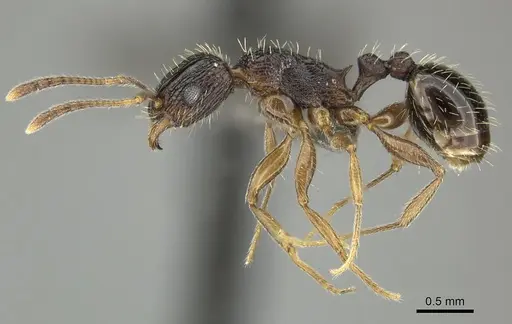
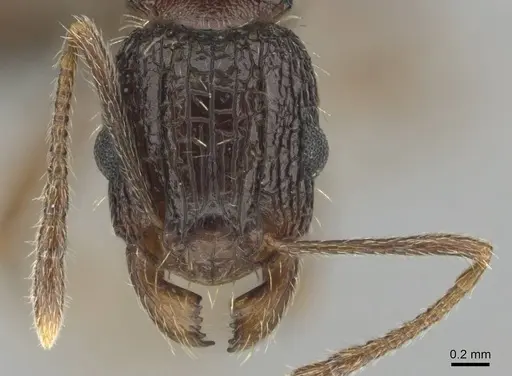
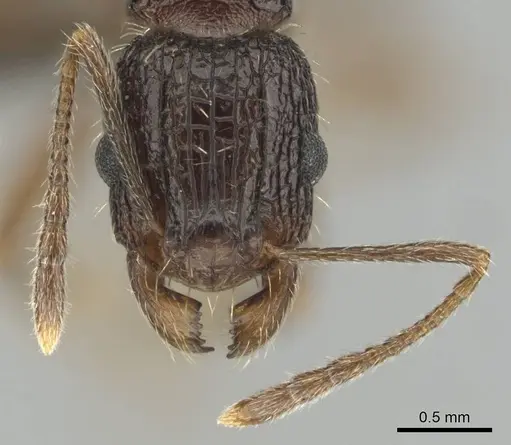
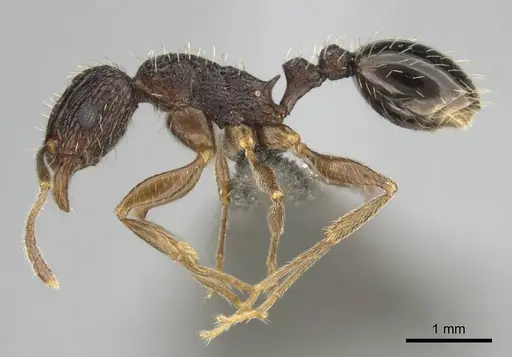
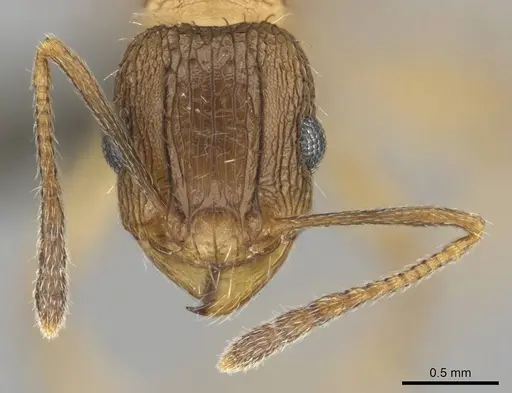
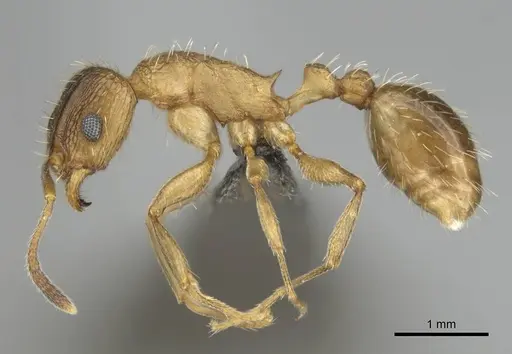
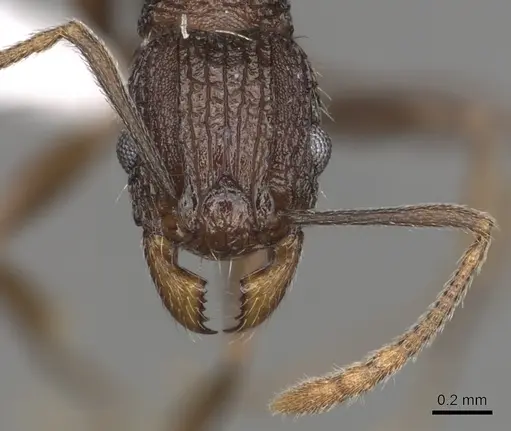
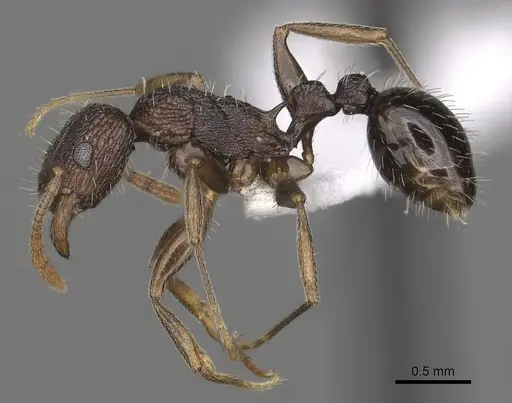
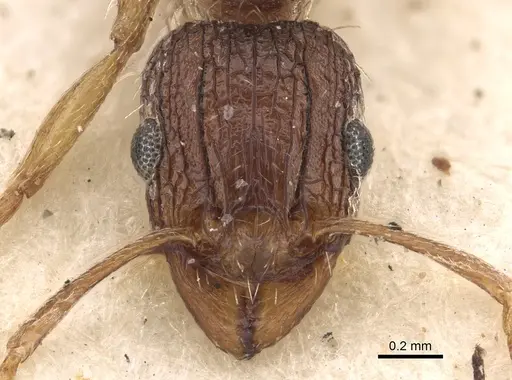
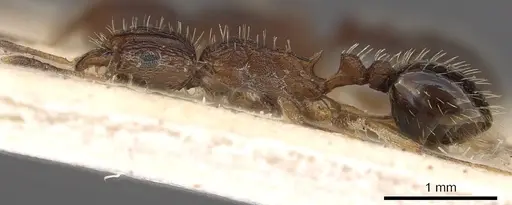
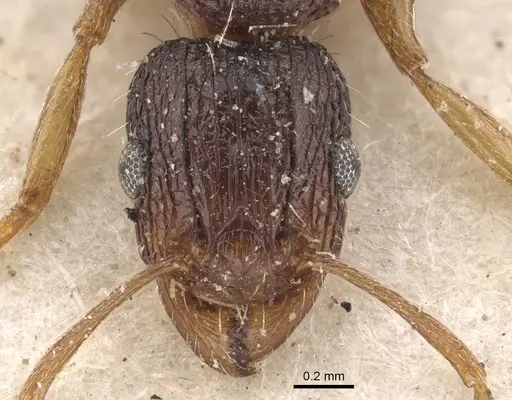
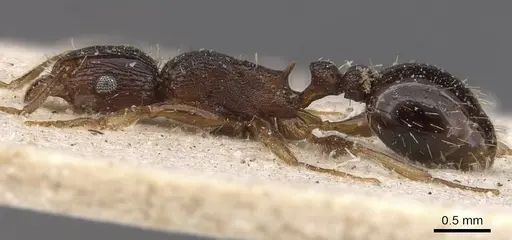
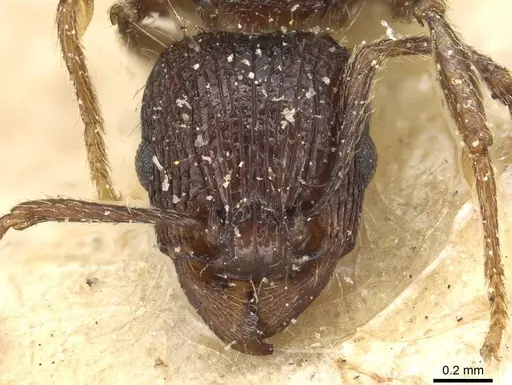
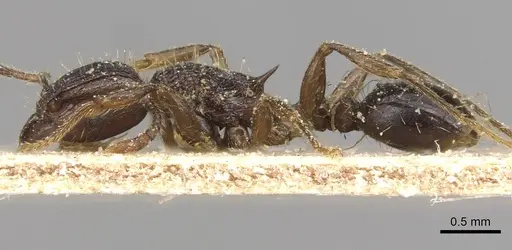
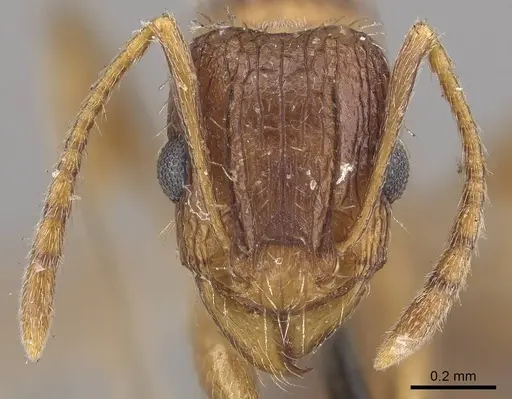
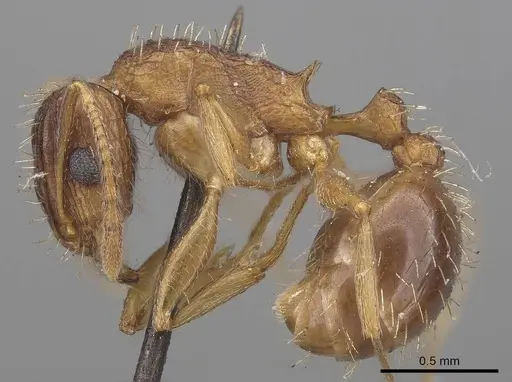
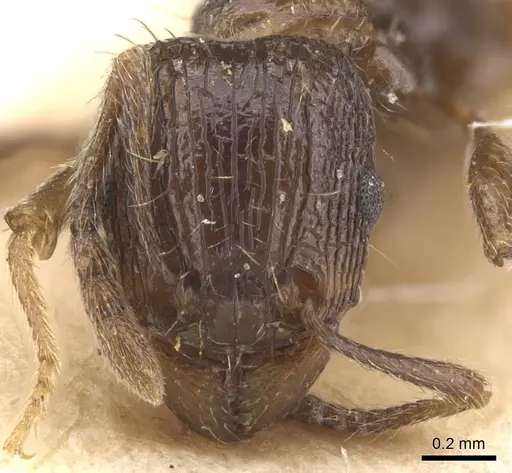
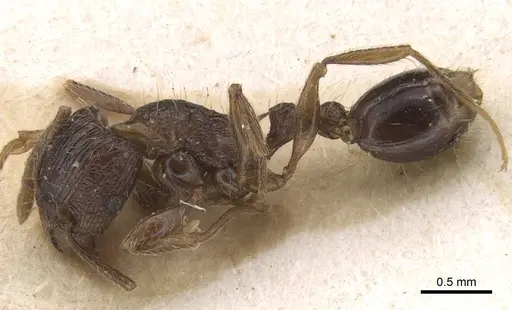
Tetramorium setigerum is a small, ground‑dwelling ant native to the Afrotropical region, found from South Africa up to Kenya and Sudan . Workers measure 3.4-4.0 mm (total length) and have a distinctive look: strongly developed frontal carinae, short stout propodeal spines, a high petiole node, and a uniform mid‑to‑dark brown body, usually with a darker gaster. Their mandibles are striated, and the head and alitrunk are covered in fine rugulose sculpture with lots of standing hairs . This species is a versatile generalist that thrives in open to semi‑open habitats like grassland, savanna, thornveld, and bushveld . Ecologically it’s an opportunist - it adapts to many conditions and often shows up in rehabilitated areas with shrubby vegetation . It’s also a late‑successional species, becoming more abundant over time . The queen, founding behavior, and nest structure are not described in any literature.
Quick Summary
- Difficulty: Easy
- Origin & Habitat: Native to the Afrotropical region: South Africa, Zimbabwe, Mozambique, Eswatini, Tanzania, Kenya, Uganda, Sudan, Gabon, Democratic Republic of Congo [1]. Lives in open to semi‑open habitats like grassland, savanna, thornveld, and bushveld [1]. A generalist common across many African savanna ecosystems [3].
- Colony Type: Unknown, no data exists on queen number. Based on typical Tetramorium patterns, likely single‑queen, but not confirmed.
- Size & Growth:
- Queen: Unconfirmed, no measurements documented
- Worker: 3.4-4.0 mm [1]
- Colony: Unknown, no specific data, typical Tetramorium colonies can reach a few hundred workers (inferred from genus)
- Growth: Moderate, inferred from genus patterns
- Development: 6-10 weeks estimated (based on related Tetramorium) (Development time is inferred, no direct data for this species. Keep around 24-26°C for best results.)
- Antkeeping:
- Temperature: 22-26°C, they tolerate warmer conditions well, into the low 30s°C. Provide a gradient using a heating cable on one side. Avoid prolonged temps below 18°C [1].
- Humidity: Moderate, around 50-70%, keep the nest substrate moist in places but let some areas dry out to prevent mold [2].
- Diapause: Minimal or none, as a tropical/subtropical African species, they don’t need true hibernation. Activity may drop in cooler periods, just maintain stable room temperature.
- Nesting: Ground‑dwelling, naturally nests in soil under stones or in decaying wood (though no nest records exist) [1]. In captivity, a naturalistic soil setup, Y‑tong (AAC), or plaster nest works well. Use narrow chambers scaled to their 3-4 mm size.
- Behavior: Peaceful and non‑aggressive. Workers are active ground‑foragers. Because they’re small (under 4 mm), escape prevention is critical, use fine mesh and tight seals. They are diurnal, consistent with their savanna origin. As a member of Crematogastrini, they use a smear defense: rather than piercing, they wipe venom onto enemies. This is generally mild for humans.
- Common Issues: escape prevention is critical, they can squeeze through gaps under 1 mm, colonies may be slow to establish because founding behavior is unknown, patience needed, as ground‑nesters, you need to balance humidity to avoid mold while keeping brood chambers damp, wild‑caught colonies may carry mites or other parasites, limited care data means you may need to experiment with temperature and humidity
Housing and Nesting
Tetramorium setigerum is a ground‑dweller that probably nests in soil under stones or in rotten wood, though no actual nest records exist [1]. For captive care, a naturalistic setup with a soil substrate lets them dig their own chambers. Y‑tong (AAC) or plaster nests with narrow chambers scaled to their 3-4 mm size also work well [2]. Because they’re small, make sure chamber ceilings are low and passages are tight. Provide a water source in the outworld and keep the nest substrate moderately moist in some areas while letting others dry out to prevent mold [2].
Feeding and Diet
As a generalist opportunist, Tetramorium setigerum will accept a wide range of foods [3]. Offer protein sources like fruit flies, small mealworms, or tiny crickets 2-3 times a week. Keep a constant supply of sugar water or honey water available, they forage on the ground, so place food on the substrate. Remove uneaten portions after 24-48 hours to keep mold away [2].
Temperature and Seasonal Care
Keep your colony at 22-26°C, reflecting their African savanna home [1]. They handle warmer temps (into the low 30s°C) just fine. A heating cable on one side of the nest creates a useful gradient, let the ants pick their spot. Put the cable on top of the nest so it doesn’t dry out the substrate too fast. As a tropical/subtropical species, they don’t need real hibernation. If they slow down in winter, just keep the temperature stable and avoid going below 18°C for long periods [1].
Behavior and Temperament
These ants are calm and rarely aggressive. Workers actively forage on the ground during the day. Their small size (3.4-4.0 mm) means they can slip through tiny gaps, use fine mesh on vents and tight‑fitting lids. Apply Fluon or similar barriers around test tube rims and enclosure edges. They have a typical Tetramorium look: short propodeal spines and a high petiole node [1]. Their defense is a smear sting, they wipe venom onto attackers instead of piercing, so stings are very mild.
Colony Establishment
If you get a founding queen, set her up in a small test tube with a water reservoir and cotton plug. Keep it warm and dark, and don’t disturb her. Founding behavior is unknown, so she might need food or could be claustral, there’s no data either way. Just provide a dark, humid tube and wait. Once the first workers (nanitics) appear, start offering tiny pieces of insect and sugar water. Growth is moderate, expect 6-10 weeks from egg to first worker at 24-26°C (based on related species). Move the colony to a larger Y‑tong or plaster nest when the test tube gets crowded, roughly 20-30 workers or more. No specific timeline exists for this species, so watch their behavior [1].
Frequently Asked Questions
How long does it take for Tetramorium setigerum to raise first workers?
No specific data for this species. Based on related Tetramorium, expect 6-10 weeks from egg to first worker at around 24-26°C. Keep them stable and undisturbed during founding.
Can I keep Tetramorium setigerum in a test tube setup?
Yes, a test tube with a water reservoir works well for founding. Keep it warm, dark, and quiet. Move them to a larger nest (Y‑tong, plaster, or soil) when the tube gets crowded, usually once you see 20+ workers.
What do Tetramorium setigerum eat?
They’re generalists. Offer small protein insects (fruit flies, tiny mealworms) 2-3 times per week, plus constant sugar water or honey water. They forage on the ground, so place food on the substrate.
Do Tetramorium setigerum ants sting?
Yes, they have a stinger, but they use a “smear” method, they wipe venom onto enemies instead of piercing. The sting is very mild to humans. They’re not aggressive and usually flee.
Are Tetramorium setigerum ants good for beginners?
Yes, they’re rated easy. They adapt to typical room temperatures, are peaceful, and eat almost anything. The main challenge is escape prevention because they’re under 4 mm. A good choice if you want an African species.
Do Tetramorium setigerum need hibernation?
Probably not, they come from tropical/subtropical Africa and don’t need true hibernation. They may slow down in cooler months, but maintain 22-26°C year‑round.
How big do Tetramorium setigerum colonies get?
Colony size hasn’t been documented. Based on related Tetramorium, expect a few hundred workers. Growth is moderate over 1-2 years.
Why are my Tetramorium setigerum escaping?
Their small size (3.4 mm) lets them squeeze through gaps under 1 mm. Use fine mesh on all openings, ensure tight lids, and apply Fluon to rims. Check every joint.
When should I move my colony to a formicarium?
Transfer to a larger nest when the test tube feels crowded, typically when you see 20-30 workers or more. Use a Y‑tong or plaster nest with narrow chambers and good moisture control.
What temperature is best for Tetramorium setigerum?
22-26°C is ideal. They tolerate low 30s°C fine. Keep them above 18°C. A gentle gradient helps them choose the right spot for brood.
Report an Issue
The current care sheet is based fully on literature. See inconsistencies, or something that's incorrect? Please , it will be resolved after review from an admin. Contributing to the blogs tab also helps providing information, to make us be able to further improve the caresheets. Thank you for your support!
References

This caresheet is licensed under CC BY-SA 4.0 .
Community Blogs
CASENT0100785
View on AntWeb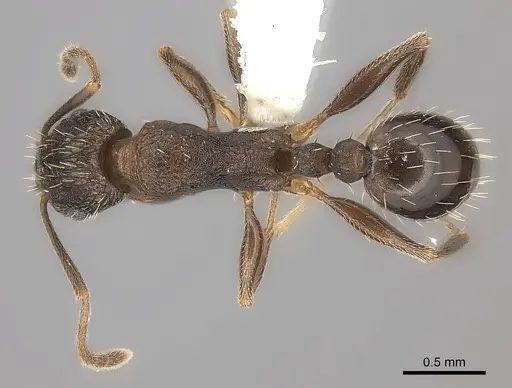
CASENT0217217
View on AntWeb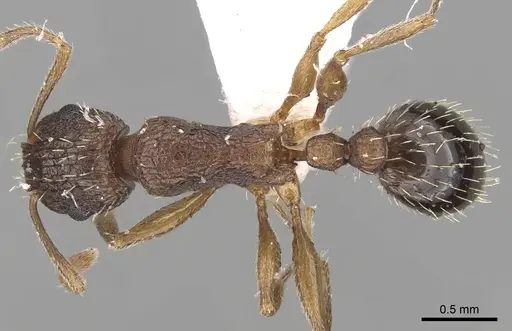
CASENT0235774
View on AntWeb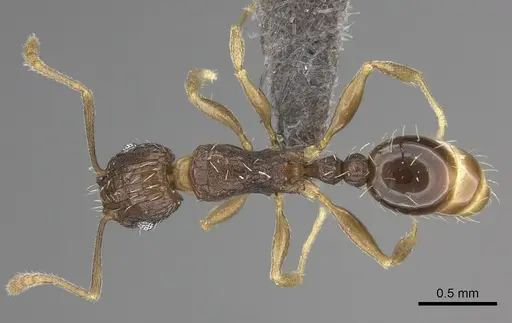
CASENT0249026
View on AntWeb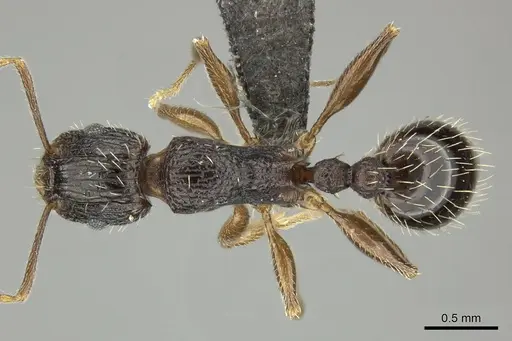
CASENT0253243
View on AntWeb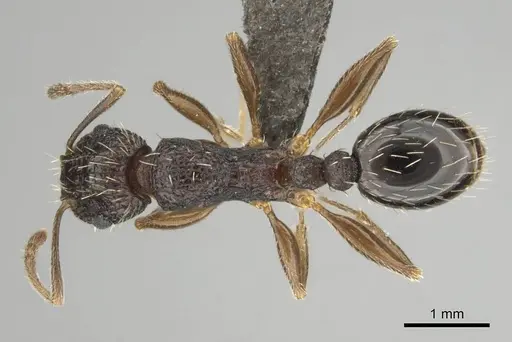
CASENT0253257
View on AntWeb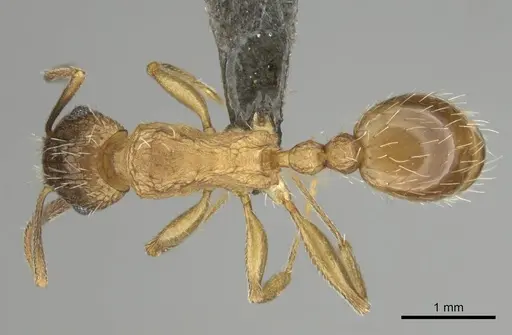
CASENT0316981
View on AntWeb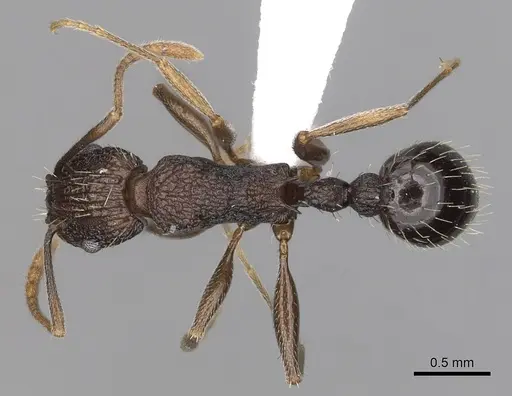
CASENT0901190
View on AntWeb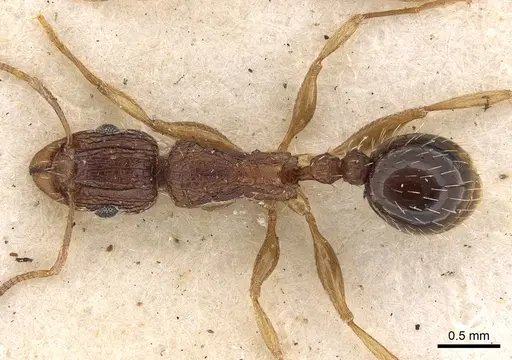
CASENT0909154
View on AntWeb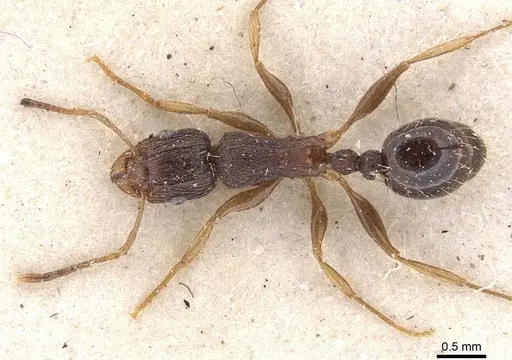
CASENT0915076
View on AntWeb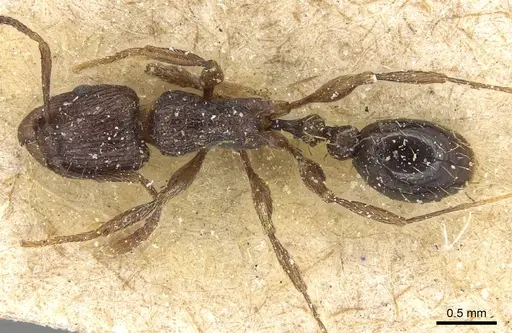
CASENT0919651
View on AntWeb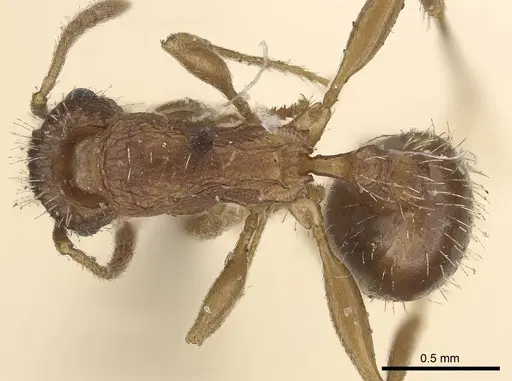
RMCAENT000017789
View on AntWeb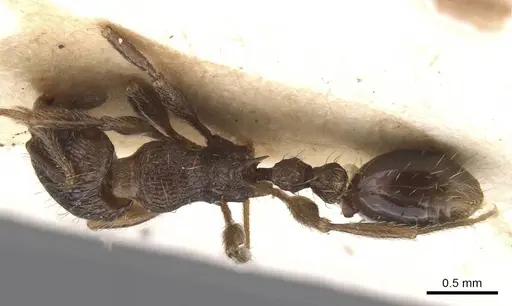
Literature
Loading distribution map...Loading products...