
Tetramorium rumo
- Sci. Name
- Tetramorium rumo
- Tribe
- Crematogastrini
- Subfamily
- Myrmicinae
- Author
- Hita Garcia & Fisher, 2014
- Distribution
- Found in 1 countries
Introduction
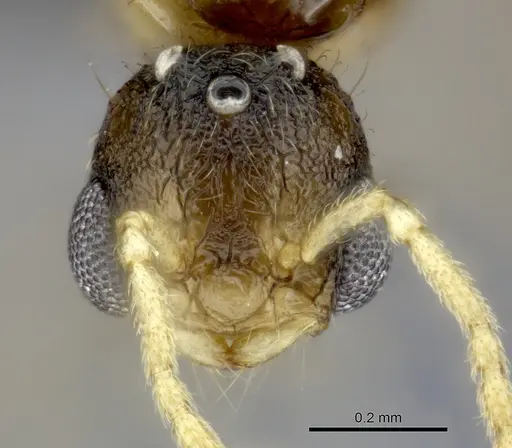
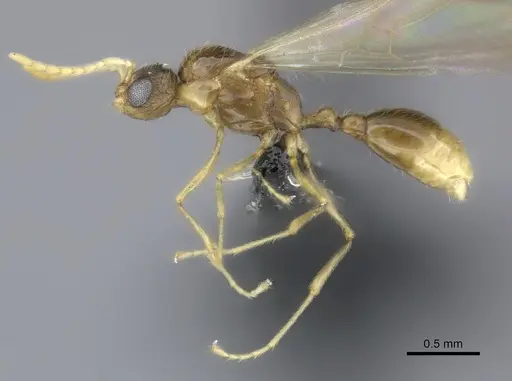
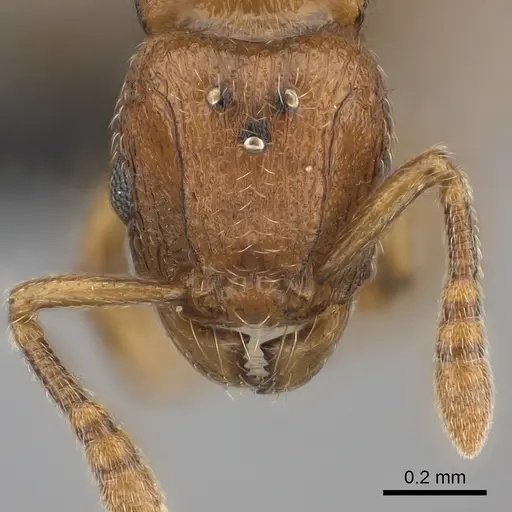
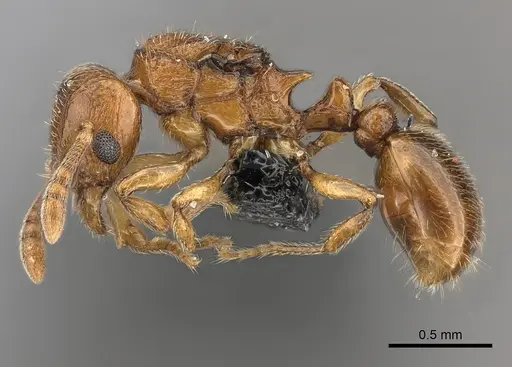
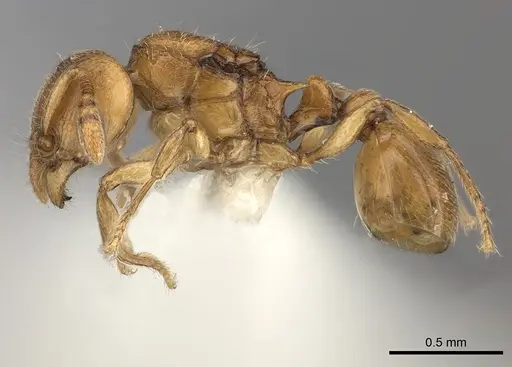
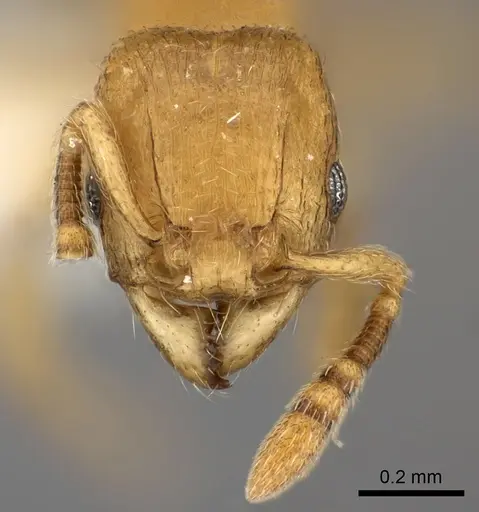
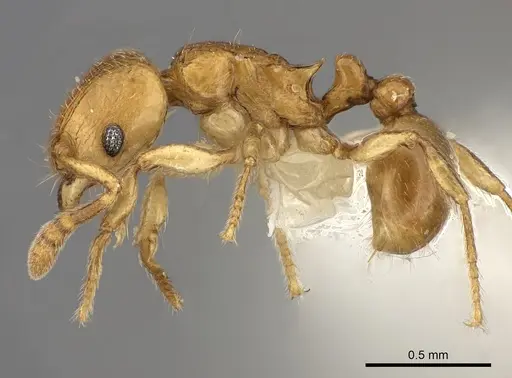
Tetramorium rumo is a tiny ground-dwelling ant from the rainforests of eastern Madagascar. Workers are among the smallest in the genus (exact total length is unknown) . They have very large eyes and moderately long propodeal spines, giving them a spiky look. Their body color ranges from whitish yellow to light brown, making them unusually pale. The species was described in 2014 and named after the fictional character Rumo from Walter Moers' novel, the bright white color and short spines reminded the describers of a white wolperting with small horns . This ant has a patchy distribution in eastern Madagascar, found in two separate regions: from Andohahela to Ranomafana in the southeast, and from Perinet to Betampona in the north . Southern populations have more standing hairs on their upper body (at least seven pairs) while northern populations have only two pairs . They live in lowland rainforests, rarely in montane or littoral rainforests, at elevations from 20 to 1250 meters .
Quick Summary
- Difficulty: Medium
- Origin & Habitat: Eastern Madagascar, patchy distribution in rainforests from Andohahela to Ranomafana in the southeast, and Perinet to Betampona in the north. Found in lowland rainforests, rarely montane or littoral rainforests, at elevations 20-1250m [1].
- Colony Type: Colony structure is unconfirmed. Based on typical Tetramorium patterns, it is likely single-queen (monogyne), but no specific study has been done on this species.
- Size & Growth:
- Queen: Undescribed, no queen measurements available for this species [1].
- Worker: Size data unavailable, no total length measurements recorded. Workers are tiny, with a head length of about 0.5mm, but total body length is not documented [1].
- Colony: Unknown, no colony size data available for this species.
- Growth: Unknown, no development timing data exists for T. rumo. Based on related Tetramorium species, expect a moderate growth rate.
- Development: Unconfirmed, no data exists for this species. Related Tetramorium species in Madagascar typically develop from egg to worker in 6-8 weeks at warm temperatures, but this is an estimate. (No specific development data exists for this species.)
- Antkeeping:
- Temperature: Keep at 22-26°C, they come from tropical rainforest environments in Madagascar so they need warmth. A gentle gradient is beneficial [1].
- Humidity: High humidity preferred, rainforest species that naturally occurs in humid environments. Keep substrate consistently moist but not waterlogged [1].
- Diapause: Unlikely, as a tropical species from Madagascar, they probably do not require a true diapause. A slight temperature reduction during winter months may be natural but is not needed.
- Nesting: Ground-nesting species, they live in leaf litter in rainforests [1]. In captivity, they do well in naturalistic setups with moist soil or small Y-tong/plaster/soil nests. Their tiny size means they need tight chambers and narrow passages.
- Behavior: These are small, ground-dwelling ants that likely form moderate-sized colonies. They are probably generalist foragers, collecting food from the leaf litter layer. Their large eyes (OI 28–31) suggest they may be more visually-oriented than many ant species [1]. Being very small, escape prevention is critical, they can squeeze through tiny gaps. Temperament is likely peaceful but defensive if threatened. As Myrmicinae in the tribe Crematogastrini, they use a smearing defense: they wipe venom onto enemies with a modified, flattened stinger rather than piercing flesh. The sting is very mild to humans.
- Common Issues: escape prevention is critical due to their very small size, use fine mesh and tight-fitting lids., high humidity requirements can lead to mold problems if ventilation is poor., no specific colony data means keepers must estimate care requirements from related species., tropical species may not tolerate cool temperatures, keep warm year-round., wild-caught colonies may carry parasites that can cause problems in captivity.
Housing and Nest Setup
Tetramorium rumo is a tiny ground-dwelling ant that naturally lives in leaf litter in Madagascar rainforests. For captivity, a naturalistic setup works best, a shallow container with moist soil or a small Y-tong/plaster/soil nest with tight chambers scaled to their tiny size. Workers are very small (exact total length unknown, head length about 0.5mm), so standard test tubes may work for founding colonies but ensure the cotton barrier is packed extremely tightly. For established colonies, Y-tong or soil nests with small chambers are ideal. Because they are so small, escape prevention is absolutely critical, use fine mesh on any ventilation holes and ensure all connections are tight. A water tube for humidity is recommended since they need high moisture levels. Avoid acrylic nests as they are not suitable for tiny species [1].
Temperature and Humidity
As a tropical rainforest species from Madagascar, T. rumo needs warm and humid conditions. Keep temperatures in the 22-26°C range, this matches their natural lowland rainforest habitat at elevations up to 1250m [1]. They can tolerate slightly higher temperatures but avoid anything above 30°C. Humidity should be high, think damp forest floor conditions. Keep the nest substrate consistently moist but not waterlogged, with some drier areas available so ants can choose their preferred humidity zone. A water tube connected to the nest helps maintain humidity. Avoid cold drafts and keep them away from air conditioning vents.
Feeding and Diet
In the wild, Tetramorium ants are generalist foragers that collect various foods from leaf litter including small insects, honeydew, and nectar. For captivity, offer a varied diet: small protein sources like fruit flies, pinhead crickets, or small mealworms (cut to appropriate size), plus sugar sources like diluted honey or sugar water. Since they're very small, prey items should be tiny, springtails or flightless fruit flies are ideal. Offer protein once or twice per week and keep sugar water available at all times. Remove uneaten prey after 24-48 hours to prevent mold issues [1].
Colony Development
No specific development data exists for T. rumo. Queens have not been described, and the timeline from egg to worker is unknown. Based on related Tetramorium species, the full cycle might take 6-8 weeks at warm temperatures, but this is not confirmed. Initial colonies likely grow slowly, and the maximum colony size is unknown, possibly several hundred workers at maturity. Be patient with founding colonies, they can take several months to establish. Avoid disturbing the nest during this critical period [1].
Behavior and Temperament
Tetramorium rumo is likely a peaceful but defensive species. They use a smearing defense typical of Crematogastrini: they wipe venom onto enemies with a modified, flattened stinger rather than piercing flesh. The effect on humans is very mild due to their tiny size. Workers are probably active foragers in the leaf litter layer. Their large eyes (OI 28–31) are unusual for Tetramorium and may indicate some visual foraging behavior [1]. They likely communicate using chemical pheromones. Colonies are probably moderately aggressive toward intruders but not particularly territorial. The main keeper concern is their small size making escape prevention challenging [1].
Frequently Asked Questions
How long does it take for Tetramorium rumo to get their first workers?
No data exists for this species. Based on related Tetramorium species, first workers (nanitics) might emerge 6-8 weeks after the queen lays eggs, assuming temperatures around 24-26°C, but this is an estimate. Founding colonies can be slow, be patient and avoid disturbing the nest.
Can I keep Tetramorium rumo in a test tube?
Yes, test tubes work well for founding colonies. However, because they are very small ants, you must pack the cotton barrier extremely tightly and use fine mesh on any ventilation. Check water levels regularly since small tubes dry out faster. Once the colony reaches about 15-20 workers, consider moving to a small Y-tong or soil nest with appropriately sized chambers [1].
Do Tetramorium rumo ants sting?
Yes, as Myrmicinae ants they have a functional stinger, but they use a smearing defense: they wipe venom onto threats rather than piercing. Given their tiny size, the sting is very mild and unlikely to cause more than minor irritation in humans. They are not aggressive toward humans and will only sting if directly threatened or handled roughly [1].
What temperature do Tetramorium rumo need?
Keep them warm at 22-26°C. They come from tropical rainforests in Madagascar so they need year-round warmth. Avoid temperatures below 20°C or above 30°C. A heating cable on one side of the nest can create a temperature gradient if your room temperature is below their ideal range [1].
Are Tetramorium rumo good for beginners?
This species is rated as medium difficulty. While not the hardest to keep, the lack of specific care data and their small size make them better suited for keepers with some ant-keeping experience. Their high humidity needs and escape risk require attention to detail [1].
How big do Tetramorium rumo colonies get?
The maximum colony size is unknown, no data exists. Based on related species, colonies likely reach several hundred workers at maturity. They are not known for forming supercolonies [1].
Do Tetramorium rumo need hibernation?
No, they do not need true hibernation. As a tropical species from Madagascar, they don't experience cold winters that would trigger diapause. A slight temperature reduction (a few degrees) during winter months may be natural but is not required [1].
What do Tetramorium rumo eat?
They are generalist feeders. Offer small protein sources like fruit flies, springtails, or tiny pieces of mealworms twice weekly. Keep sugar water or diluted honey available at all times. Remove uneaten food after 24-48 hours to prevent mold in their humid environment [1].
Why are my Tetramorium rumo dying?
Common causes include: temperature too cold (below 20°C), humidity too low or too high (causing mold), escape through tiny gaps, stress from disturbance during founding, or parasites from wild-caught colonies. Check that temperatures are in the 22-26°C range, humidity is high but ventilation prevents mold, and escape prevention is excellent. Founding colonies are particularly vulnerable [1].
When should I move Tetramorium rumo to a formicarium?
Move from a test tube to a formicarium when the colony reaches about 15-20 workers and the test tube is becoming crowded or the water tube is depleted. Use a Y-tong or soil formicarium with chambers sized appropriately for their tiny workers, standard chambers may be too large and make them feel insecure [1].
Can I keep multiple Tetramorium rumo queens together?
This has not been studied for this species. Most Tetramorium species are monogyne (single queen), so combining unrelated queens is generally not recommended. It's best to keep one queen per colony [1].
Where is Tetramorium rumo native to?
They are native to eastern Madagascar, specifically the rainforests in two patchy regions: from Andohahela to Ranomafana in the southeast, and from Perinet to Betampona in the north. They live in lowland rainforests at elevations between 20-1250 meters [1].
Report an Issue
The current care sheet is based fully on literature. See inconsistencies, or something that's incorrect? Please , it will be resolved after review from an admin. Contributing to the blogs tab also helps providing information, to make us be able to further improve the caresheets. Thank you for your support!
References

This caresheet is licensed under CC BY-SA 4.0 .
Community Blogs
CASENT0070854
View on AntWeb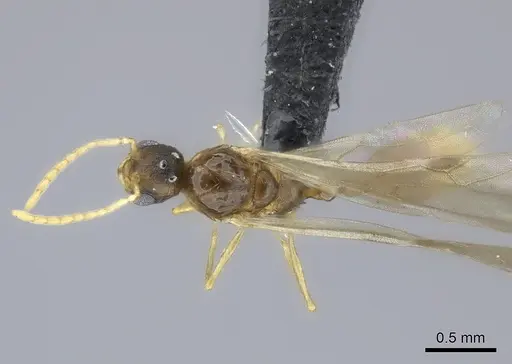
CASENT0073025
View on AntWeb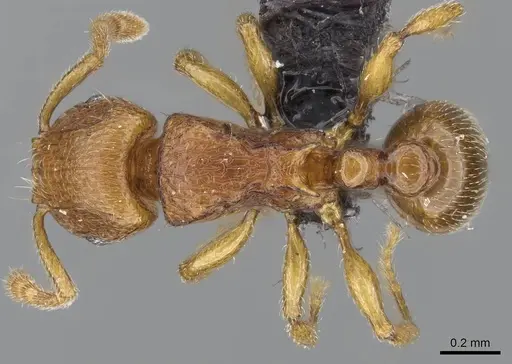
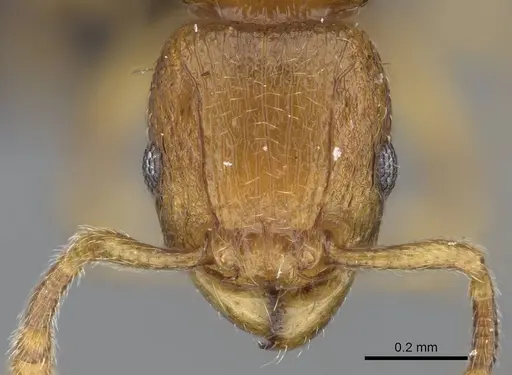
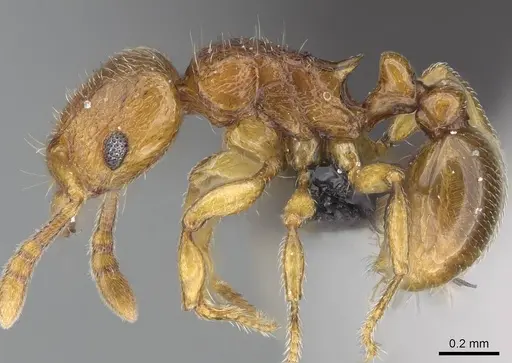
CASENT0108745
View on AntWeb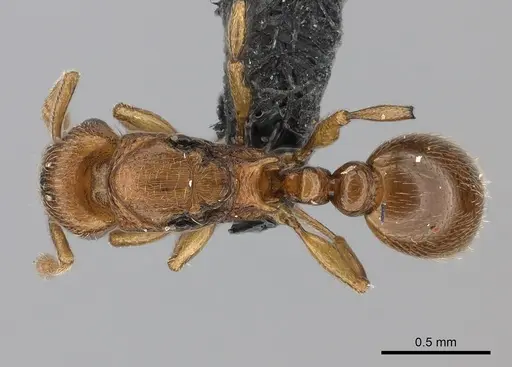
CASENT0189102
View on AntWeb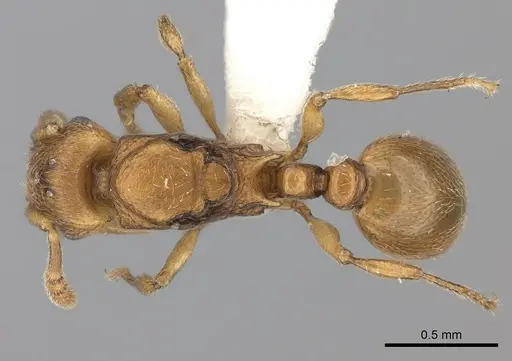
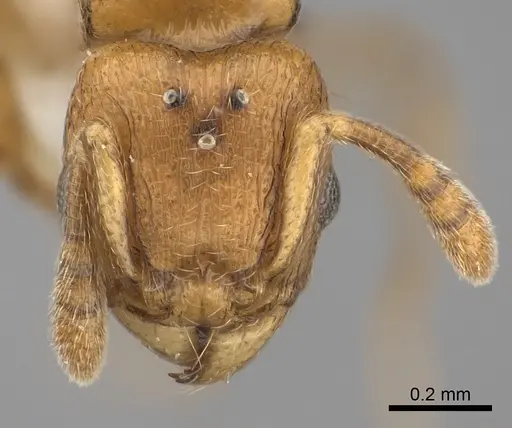
CASENT0217759
View on AntWeb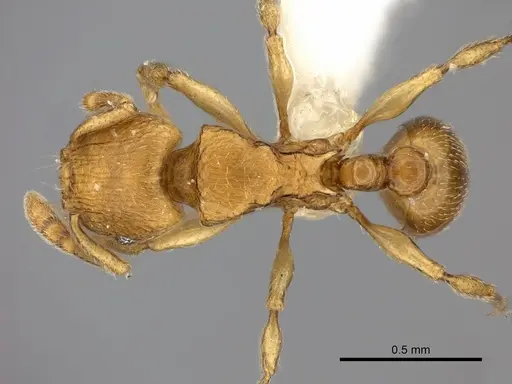
Literature
Loading distribution map...Loading products...