
Tetramorium punctatum
- Sci. Name
- Tetramorium punctatum
- Tribe
- Crematogastrini
- Subfamily
- Myrmicinae
- Author
- Santschi, 1927
- Distribution
- Found in 3 countries
Introduction
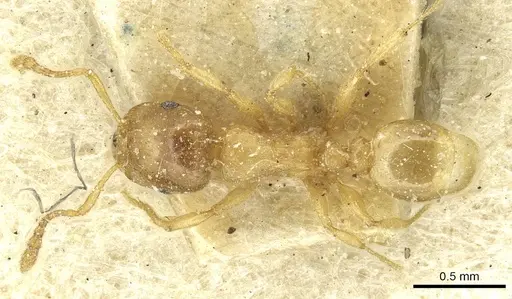
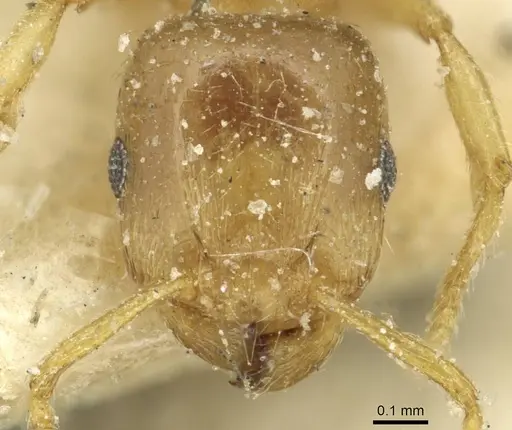
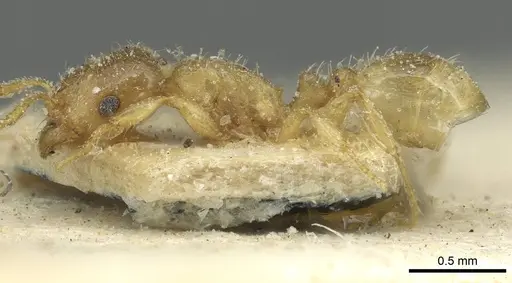
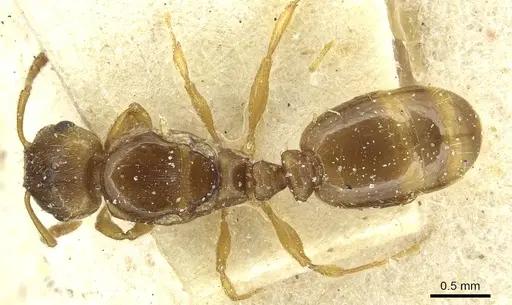
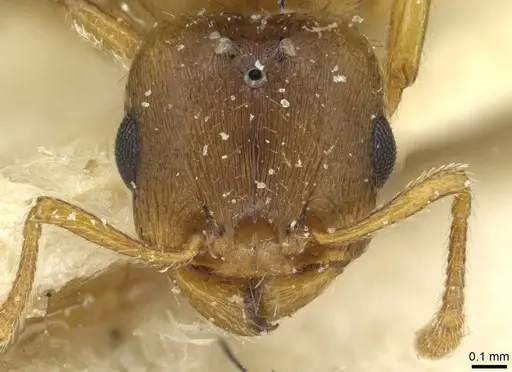
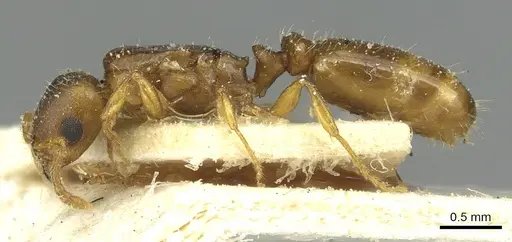
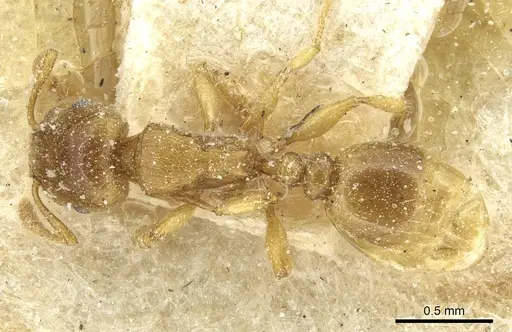
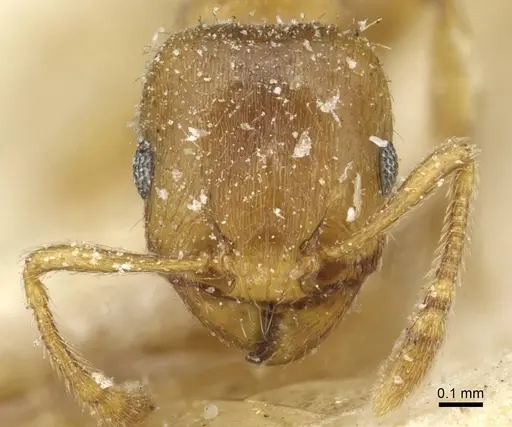
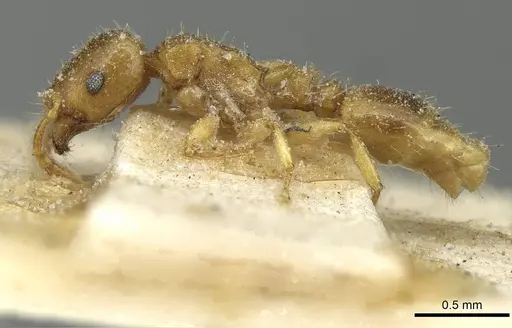
Tetramorium punctatum is a small ant native to the Mediterranean region, found across southern Italy (Sicily and the Aeolian Islands), Greece, Turkey, and Iran . Workers are typical of the genus Tetramorium - compact and chunky, with a raised ridge pattern on their head and thorax. This species belongs to the Tetramorium semilaeve group, which contains several closely related Mediterranean species that often need taxonomic revision . Colonies are polygynous, meaning multiple queens coexist and work together to raise brood . In the wild, they nest in soil under stones across diverse habitats, from volcanic shrubland to dry pastures, showing solid adaptability to dry, sunny spots .
Quick Summary
- Difficulty: Easy
- Origin & Habitat: Mediterranean region: Sicily, the Aeolian Islands (Lipari, Salina, Vulcano, Stromboli, Filicudi, Panarea), Greece, Turkey, and northern Iran [2][1]. They inhabit open, arid environments such as phryganas, dry pastures, rocky meadows, lava deserts, and volcanic shrubland at altitudes of 10-940 meters [2][3].
- Colony Type: Polygynous, established colonies contain multiple queens that reproduce together [3].
- Size & Growth:
- Queen: Size data unavailable for this species. Based on related Tetramorium species in the semilaeve group, queens are roughly 7-9 mm (inferred from genus patterns).
- Worker: Size data unavailable for this species. Based on related Tetramorium species in the semilaeve group, workers are roughly 3-5 mm (inferred from genus patterns).
- Colony: Likely several hundred workers, maximum size is unknown for this species, but related Tetramorium reach similar numbers (inferred from genus).
- Growth: Moderate
- Development: Unknown for this species. Based on typical Tetramorium development at warm temperatures (24-28°C), estimated 6-8 weeks (inferred from genus patterns). (Specific development data for Tetramorium punctatum is not available. Keep them warm to support growth.)
- Antkeeping:
- Temperature: Keep the nest at 24-28°C during the active season. This temperature range is inferred from their Mediterranean habitat (hot summers) [2]. Use a heating cable on part of the nest to create a gradient.
- Humidity: Low to moderate, they come from dry, arid environments [3]. Keep the substrate lightly moist but allow it to dry partially between waterings. Provide a shallow water dish in the outworld.
- Diapause: Likely yes, as a Mediterranean species, they benefit from a mild winter rest. Cool them to 10-15°C for 8-12 weeks, reduce feeding, and keep them undisturbed. This is inferred from their temperate range.
- Nesting: They naturally nest in soil under stones [3]. In captivity, use a Y-tong (AAC) nest, plaster nest, or a naturalistic setup with sandy soil and flat stones on top.
- Behavior: Workers are active foragers that search for food on the ground and in low vegetation. They are not particularly aggressive but will defend their nest if threatened. Their primary defense is smearing venom using a modified spatulate stinger (typical of the Crematogastrini tribe). The sting is mild for humans. Because workers are small (3-5 mm), standard escape barriers like fluon on the outworld rim are essential to prevent escapes.
- Common Issues: substrate drying out too quickly in low humidity, monitor moisture regularly, especially in heated nests, colony growth stalling if temperature drops below 20°C for extended periods, overfeeding can cause mold in the nest, remove uneaten food after 24-48 hours, wild-caught colonies may harbor parasites or pathogens, quarantine new colonies, multiple queens mean higher egg production, but also increase risk of colony collapse if the nest dries out during founding
Housing and Nest Setup
Tetramorium punctatum does well in a variety of nest types. A Y-tong (AAC) nest works well, the porous material holds humidity while allowing airflow. Plaster nests are also good, providing stable moisture. For a natural look, use a container filled with sandy soil and place flat stones on top to mimic their under-stone nesting habitat [3]. Keep the nest in a warm, sunny spot because these ants naturally live in open, sun‑baked habitats [2]. The outworld should have standard escape prevention, use fluon on the rims since workers are small and can climb glass easily.
Feeding and Diet
Like most Tetramorium species, T. punctatum is omnivorous. In captivity, they accept protein sources like small insects (fruit flies, pinhead crickets, mealworms) and sugar water, honey, or ant jelly. Offer protein 2-3 times per week and keep sugar available all the time. In the wild, they also collect honeydew from aphids. Remove uneaten prey after 24-48 hours to avoid mold. Fresh water should always be available, a small test tube with a cotton plug works well.
Temperature and Seasonal Care
These Mediterranean ants do best at 24-28°C during the active season [2]. They can handle brief drops but prefer stable warmth. In summer, room temperature is often enough, but you may need a heating cable in cool climates. For winter, provide a mild diapause: 8-12 weeks at 10-15°C. This mimics the natural Mediterranean cool season. Reduce feeding during cooling, the colony will be less active. Don’t feed for the first 2-3 weeks of cooling so they can clear their guts.
Colony Structure and Growth
T. punctatum forms polygynous colonies with several queens coexisting peacefully [3]. Multiple egg‑layers speed up growth and give backup if one queen dies. Colonies probably reach several hundred workers over a few years. Growth is moderate, expect the first workers (nanitics) within about 6-8 weeks after the first eggs are laid, assuming good warmth. Once established, the multi‑queen system makes the colony tough.
Handling and Temperament
These ants are calm and not aggressive toward keepers. They will defend their nest if disturbed, but their main defense is smearing venom using a spatulate stinger rather than a sharp sting. The venom causes only mild discomfort to humans. Workers are active foragers and quickly find food in the outworld. Standard observation is easy, they don’t panic when the nest is briefly opened. As a general rule, don’t disturb the nest too often, especially when the colony is young and small.
Frequently Asked Questions
How long does it take for Tetramorium punctatum to raise their first workers?
At optimal temperatures (24-28°C), expect first workers within about 6-8 weeks from egg‑laying, this is inferred from related Tetramorium species. The first workers (nanitics) will be smaller, but numbers grow steadily as the colony establishes.
Can I keep multiple Tetramorium punctatum queens together?
Yes, this species is naturally polygynous, meaning multiple queens live together in the same colony [3]. Unlike many ants where queens fight, T. punctatum queens coexist peacefully. You can start a colony with multiple foundresses, though success isn’t guaranteed.
Do Tetramorium punctatum ants sting?
They have a stinger, but it’s modified for smearing venom rather than piercing. This defense, typical of the Crematogastrini tribe, uses a spatulate stinger to wipe venom onto enemies. For humans, the venom causes only mild irritation, it’s not a sharp sting.
What temperature do Tetramorium punctatum ants need?
Keep them warm at 24-28°C during the active season, based on their Mediterranean habitat [2]. A heating cable on part of the nest helps in cooler climates. In winter, give them a mild diapause at 10-15°C for 8-12 weeks.
Do Tetramorium punctatum need hibernation?
Yes, they benefit from a winter rest period. Provide 8-12 weeks at 10-15°C during winter. This mimics their natural Mediterranean climate where winters are cool but not freezing. Reduce feeding and avoid disturbance during this time.
What do Tetramorium punctatum ants eat?
They are omnivorous. Offer protein (small insects like fruit flies, small crickets, mealworms) 2-3 times per week, and keep a sugar source (sugar water, honey, or ant jelly) available always. Fresh water is essential, a test tube with cotton works well.
Are Tetramorium punctatum good for beginners?
Yes, they are easy to care for, tolerate a range of conditions, and have a straightforward polygynous colony. They are not aggressive and don’t need special equipment. The main challenges are keeping them warm and managing the winter rest.
How big do Tetramorium punctatum colonies get?
Based on related species in the Tetramorium semilaeve group, colonies likely reach several hundred workers over 2-4 years. The polygynous structure helps growth since multiple queens lay eggs. Maximum size is moderate compared to tropical species that reach thousands [3].
Where is Tetramorium punctatum found in the wild?
It lives in the Mediterranean region: Sicily, the Aeolian Islands, Greece, Turkey, and Iran [2][1]. It prefers open, dry habitats like phryganas, rocky meadows, dry pastures, and volcanic areas from sea level to about 940 meters [2].
When should I move Tetramorium punctatum from a test tube to a formicarium?
Move them when the colony reaches 20-30 workers and has good brood development, typically after 6-12 months. Set up the formicarium with proper temperature and humidity before connecting. Let the colony move voluntarily using a connection tube.
Why is my Tetramorium punctatum colony not growing?
Check three things: temperature (must be 24-28°C), humidity (substrate lightly moist, not wet), and food (protein 2-3x per week, constant sugar). Cold or dry conditions can stop growth. Also check if the queen is alive and laying. Growth naturally slows during diapause.
Report an Issue
The current care sheet is based fully on literature. See inconsistencies, or something that's incorrect? Please , it will be resolved after review from an admin. Contributing to the blogs tab also helps providing information, to make us be able to further improve the caresheets. Thank you for your support!
References

This caresheet is licensed under CC BY-SA 4.0 .
Community Blogs
Literature
Loading distribution map...Loading products...