
Tetramorium phasias
- Sci. Name
- Tetramorium phasias
- Tribe
- Crematogastrini
- Subfamily
- Myrmicinae
- Author
- Forel, 1914
- Distribution
- Found in 5 countries
Introduction
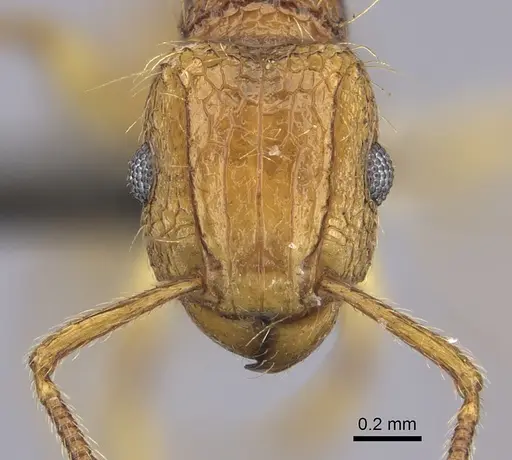
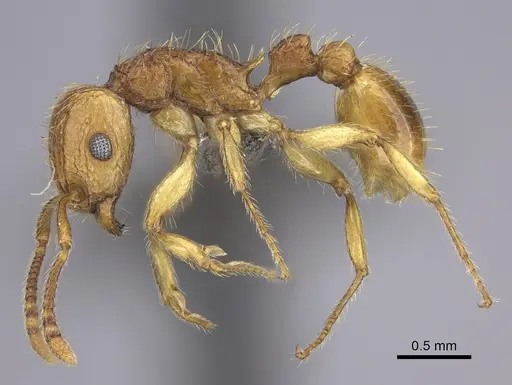
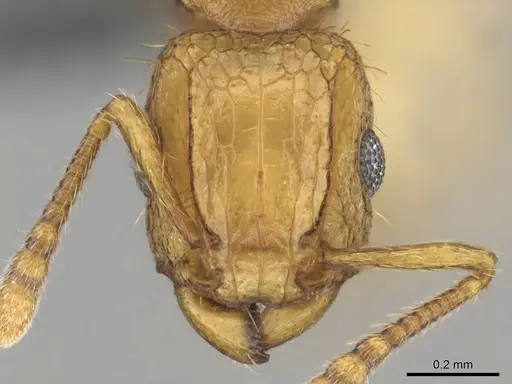
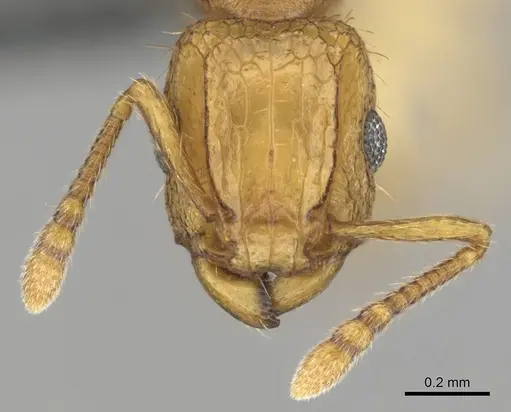
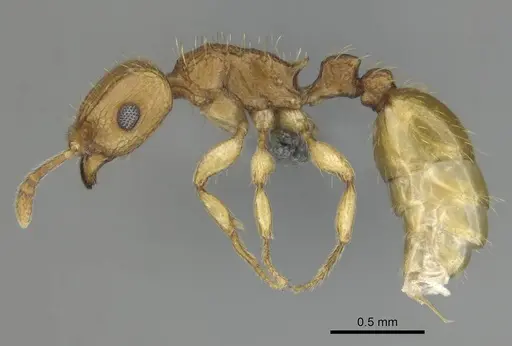
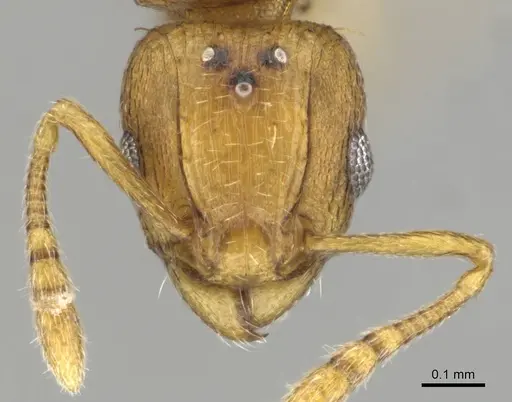
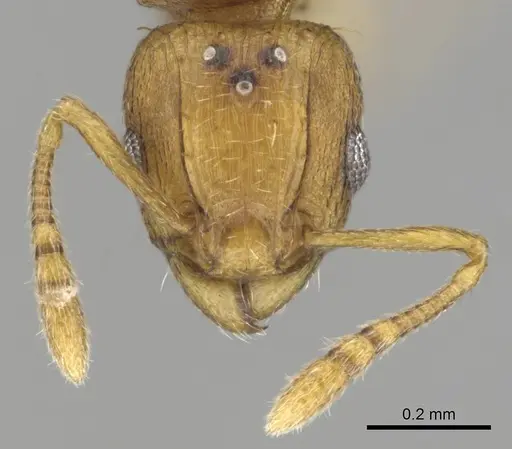
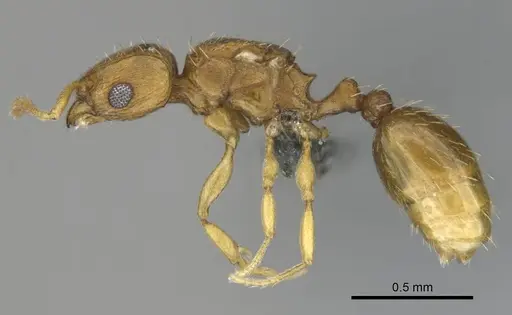
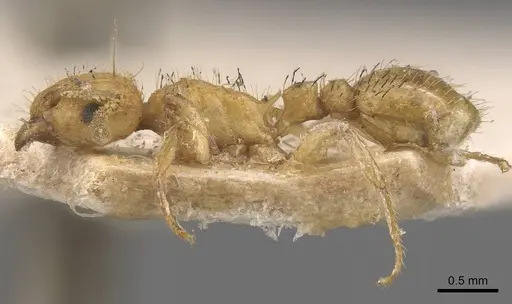
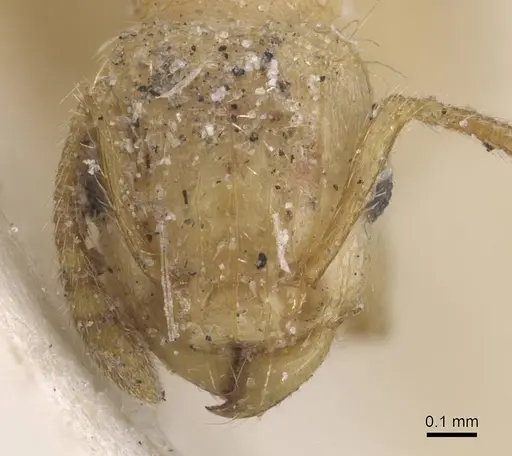
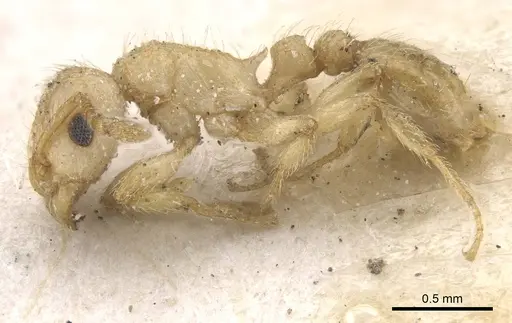
Tetramorium phasias is a small ant species with workers measuring 2.9-3.6 mm in total length . They have a uniform pale yellow to light brownish-yellow body with strong sculpturing on the head and thorax. This species belongs to the *Tetramorium bicarinatum* complex and is found across the Afrotropical region, including South Africa, Tanzania, Zimbabwe, Mozambique, Malawi, Angola, Zambia, and the Democratic Republic of Congo . It was also recently recorded in Rwanda's Akagera National Park . In the wild, these ants live in forests, nesting in rotten wood and soil. You might find them in dead sticks above ground, under bark, in rotten logs, or in soil mounds . They forage on the ground, in vegetation, and on dead wood.
Quick Summary
- Difficulty: Unknown
- Origin & Habitat: Afrotropical forests from South Africa to eastern Africa, including Angola, Democratic Republic of Congo, Rwanda, Tanzania, Zimbabwe, Mozambique, Malawi, and Zambia [1][3].
- Colony Type: Social structure is unconfirmed
- Size & Growth:
- Antkeeping:
- Temperature: Unconfirmed. Based on African forest habitat, try 24-28 °C and watch colony response. Avoid overheating above 30 °C.
- Humidity: Keep the nest substrate consistently moist but not waterlogged. These forest ants likely need moderate to high moisture.
- Diapause: Unknown. Being an African species, they may not need a true winter diapause, but no data is available.
- Nesting: Provide rotten wood pieces, cork, or a Y‑tong/plaster nest with moist substrate. They naturally use decaying wood and soil mounds [1].
- Behavior: Published behavioral data is lacking. Workers are small (under 4 mm), so escape prevention with fine mesh (0.5 mm or finer) is essential. As members of the Crematogastrini tribe, they have a modified spatulate stinger used to smear venom rather than pierce, a defensive method described for the tribe. Their temperament is unknown.
Housing and Nest Setup
In nature, Tetramorium phasias nests in rotting wood and soil [1]. For captivity, you can try a naturalistic setup with pieces of moist rotten wood, cork, or bark, placed in a container with good ventilation. Another option is a Y‑tong (AAC) or plaster nest with a water reservoir, keep the substrate damp but not flooded. Because the workers are tiny (under 4 mm), nest chambers should be small and narrow to mimic their natural cavities. A horizontal or slightly sloped nest works better than a deep vertical one. Always connect the nest to an outworld for foraging. Be careful with escape barriers, use fine mesh (0.5 mm) on all air holes and openings.
Feeding and Diet
No specific dietary data exists for this species. Based on what other Tetramorium eat, you can offer small insects (fruit flies, pinhead crickets, tiny mealworms) and sugar sources (honey water, sugar water). Feed small amounts of protein two to three times per week and keep a constant sugar source. Remove uneaten prey after 24-48 hours to prevent mold. Because the workers are only about 3 mm, make sure prey items are appropriately sized. [1]
Temperature and Heating
Temperature requirements have not been studied. Since these ants live in African forests, they likely prefer warm, stable conditions. Aim for 24-28 °C and watch how the colony reacts, if workers cluster in one area, they may be seeking a different microclimate. Use a small heating cable on one side of the nest to create a gentle gradient. Avoid temperatures above 30 °C, which could be deadly. If your home stays naturally warm (low‑to‑mid 20s °C), additional heating may not be necessary. [1]
Humidity Management
Humidity needs are not published, but the forest habitat suggests moderate to high moisture. Keep the nest substrate consistently moist, it should feel damp to the touch without pooling water. If using a test tube setup, make sure the water reservoir is sized to prevent flooding. For naturalistic nests, check regularly that the substrate hasn't dried out. Mist the outworld occasionally, but avoid letting water collect in the nest area. Good ventilation helps prevent mold while maintaining humidity. Sudden moisture changes can stress the colony. [1]
Colony Founding
There is no published information on how Tetramorium phasias queens found colonies. In many Tetramorium species, queens are claustral (they seal themselves in and raise the first brood on stored reserves), but this is not confirmed for T. phasias. If you obtain a queen, keep her in a dark, quiet test tube with a water supply and check only infrequently. The time to first workers is unknown, so patience is necessary. [1]
Behavior and Defense
Very little is known about this species' behavior. Workers are small and likely fast-moving, but aggression levels are undocumented. As members of the Crematogastrini tribe, they possess a modified, flattened stinger used to smear venom onto attackers rather than sting deeply, a defense strategy called “smearing.” This does not pose a significant threat to keepers, but avoid handling. Because workers are under 4 mm, they can escape through standard barriers, use fine mesh (0.5 mm or smaller) on all openings. The species has been recorded in Rwanda's Akagera National Park [2], extending its known range.
Frequently Asked Questions
How long does it take for Tetramorium phasias queens to produce first workers?
This is unknown. No published data exists on development time. If you have a queen, keep her undisturbed and be patient.
Can I keep Tetramorium phasias in a test tube setup?
Yes, a test tube setup is a good starting point, especially if you are unsure of the founding method. Use a water reservoir sized to keep the cotton plug damp but not soaking. Move the colony to a larger formicarium once it outgrows the tube.
What do Tetramorium phasias ants eat?
Specific dietary data is lacking. Based on related species, offer small insects (fruit flies, pinhead crickets) and sugar water. Feed protein two to three times per week and keep sugar available.
Do Tetramorium phasias ants sting?
They have a stinger, but it is used to smear venom rather than inject it (typical of the Crematogastrini tribe). The venom is not considered dangerous to humans. They are not known to be aggressive.
What temperature do Tetramorium phasias need?
Unconfirmed. Try 24-28 °C and watch the colony's behavior. Avoid temperatures above 30 °C.
How big do Tetramorium phasias colonies get?
Unknown. No published colony size estimates exist for this species.
Do Tetramorium phasias need hibernation?
Unknown. As an African forest species, a winter diapause is unlikely, but no data is available. Keep them warm year‑round.
Why are my Tetramorium phasias escaping?
Workers are only about 3 mm long, so they can slip through tiny gaps. Use fine mesh (0.5 mm or smaller) on all air holes and connections. Check for cracks in the setup regularly.
Are Tetramorium phasias good for beginners?
Because almost nothing is known about their founding, growth, or specific care, they are not recommended for beginners. Only experienced keepers should attempt to keep them.
When should I move my colony to a formicarium?
There is no standard recommendation. Move them when the test tube becomes obviously crowded or the water needs frequent refilling. Use a formicarium with appropriately small chambers.
Report an Issue
The current care sheet is based fully on literature. See inconsistencies, or something that's incorrect? Please , it will be resolved after review from an admin. Contributing to the blogs tab also helps providing information, to make us be able to further improve the caresheets. Thank you for your support!
References

This caresheet is licensed under CC BY-SA 4.0 .
Community Blogs
CASENT0217975
View on AntWeb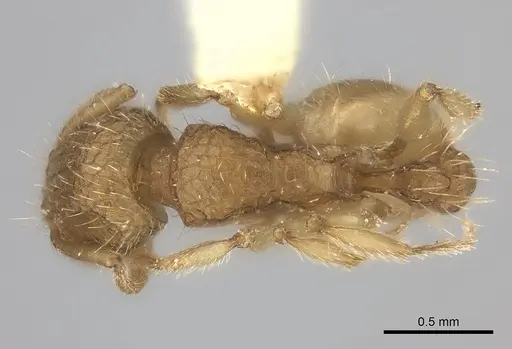
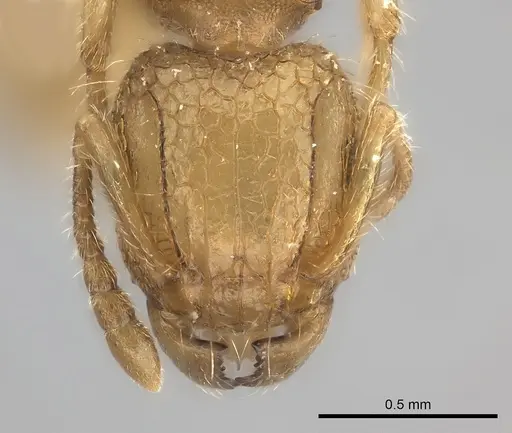
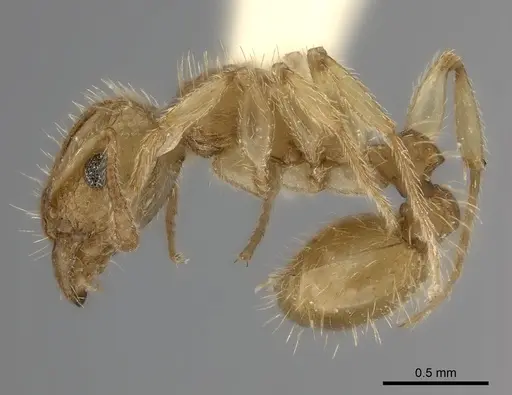
CASENT0235772
View on AntWeb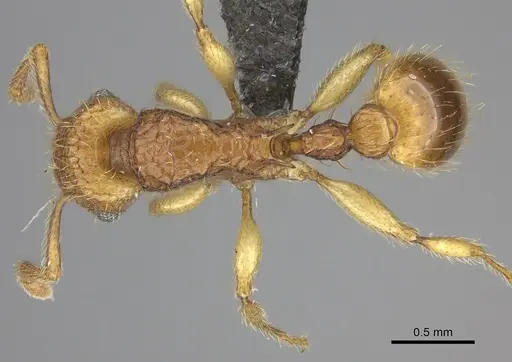
CASENT0250284
View on AntWeb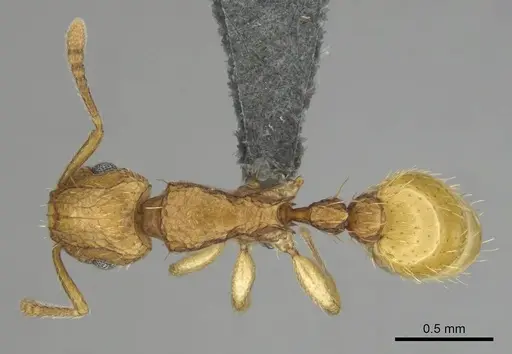
CASENT0250287
View on AntWeb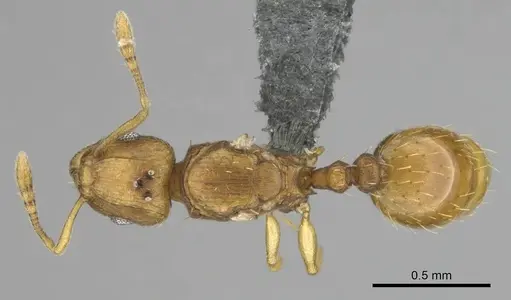
CASENT0781381
View on AntWeb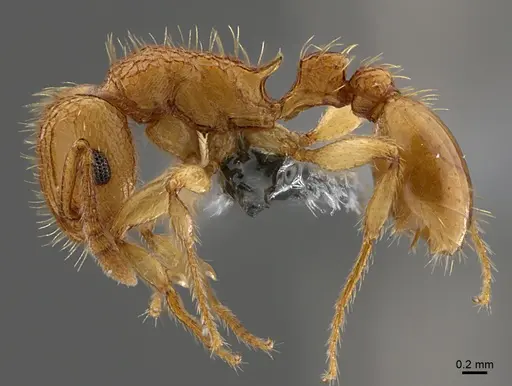
CASENT0901115
View on AntWeb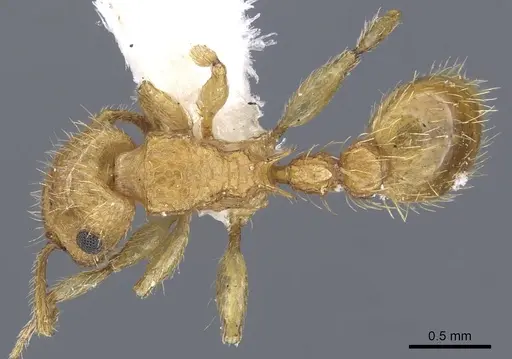
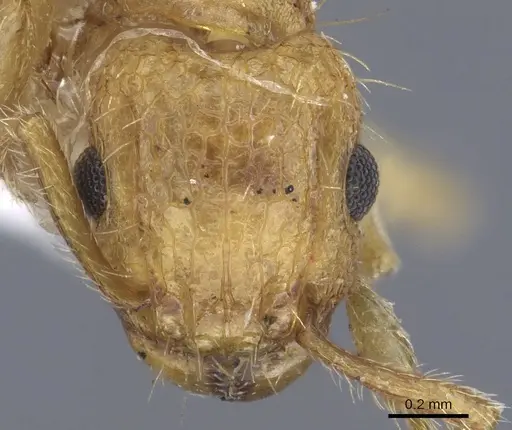
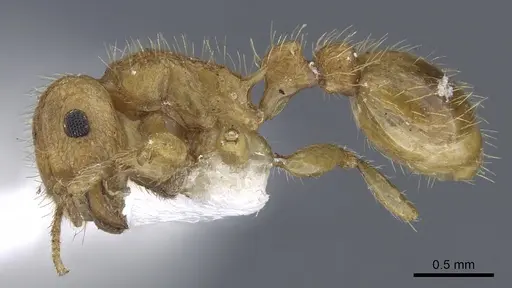
CASENT0909110
View on AntWeb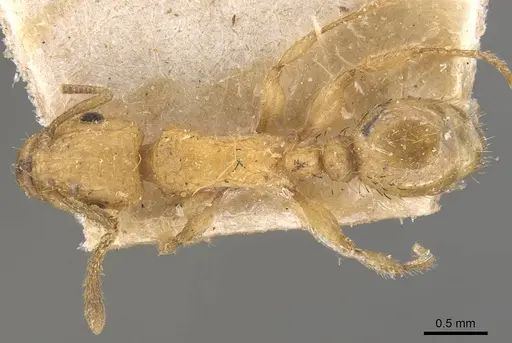
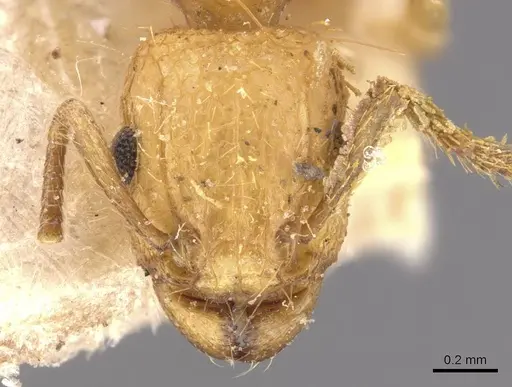
CASENT0915038
View on AntWeb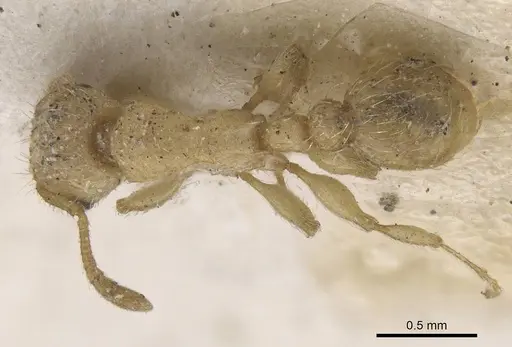
Literature
Loading distribution map...Loading products...