
Tetramorium opacum
- Sci. Name
- Tetramorium opacum
- Tribe
- Crematogastrini
- Subfamily
- Myrmicinae
- Author
- Emery, 1909
- Distribution
- Found in 1 countries
Introduction
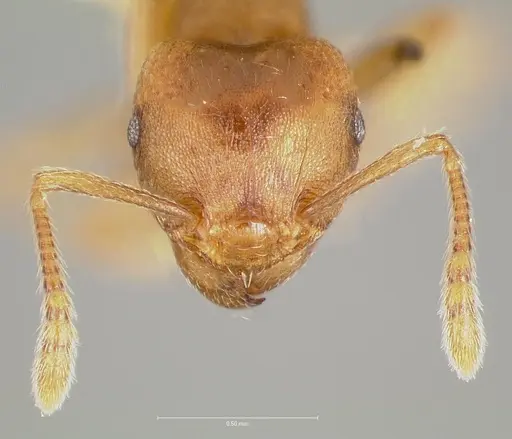
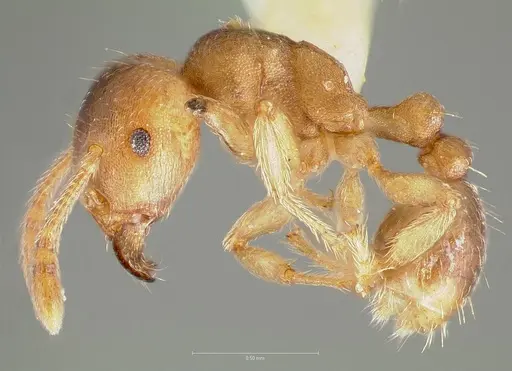
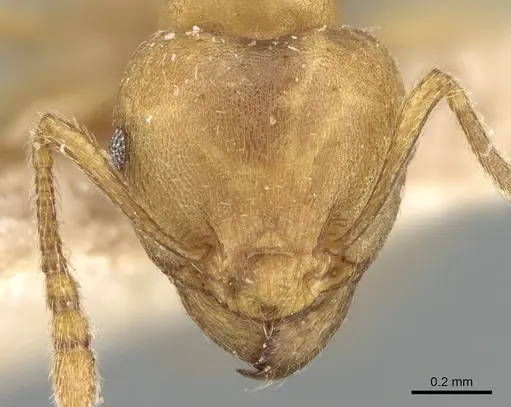
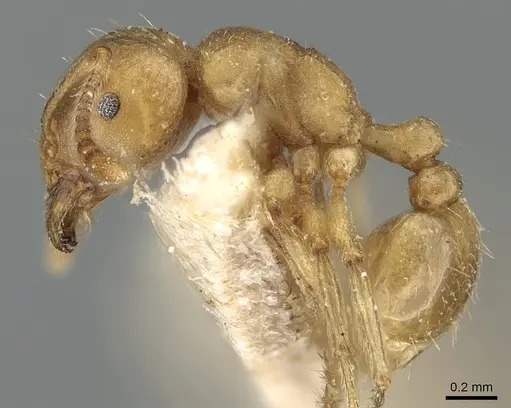
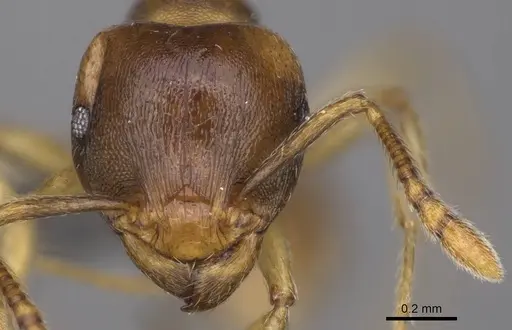
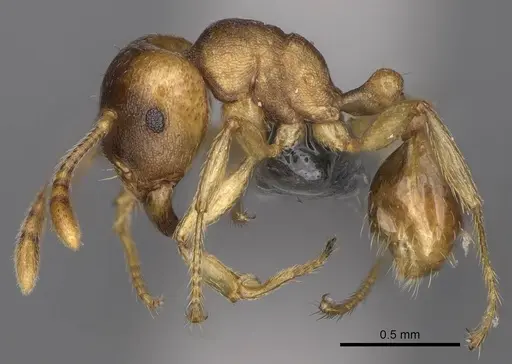
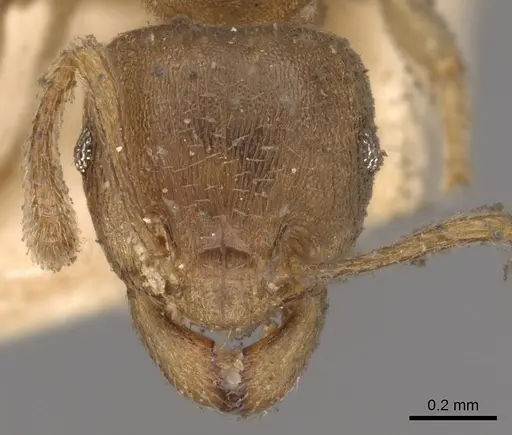
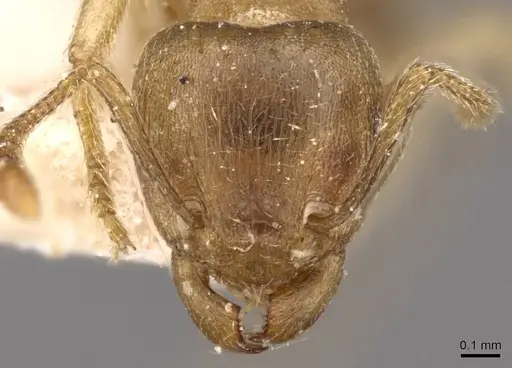
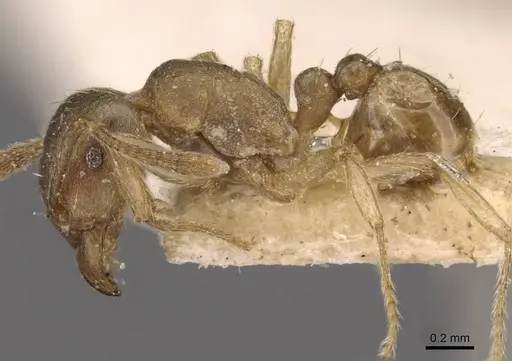
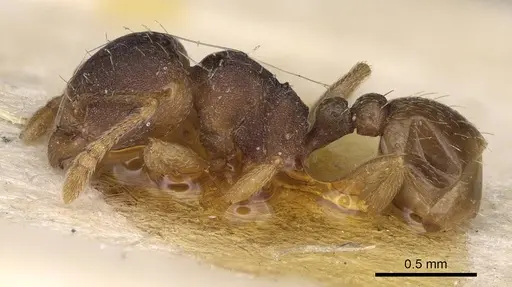
Tetramorium opacum is a small ant native to Central Africa. It has been documented in the Democratic Republic of Congo and Rwanda . The species was historically placed in the genus Rhoptromyrmex before being moved to Tetramorium . Workers are estimated at 3-5mm and queens at 7-9mm, typical for the genus, but exact measurements for this species are not recorded. It inhabits tropical savanna and forest edges, such as Akagera National Park in eastern Rwanda . Very little species-specific research exists, so most care advice is inferred from common Tetramorium patterns.
Quick Summary
- Difficulty: Hard
- Origin & Habitat: Central Africa, recorded in the Democratic Republic of Congo [1] and Rwanda [2]. Found in tropical savanna and forest edge habitats, e.g., Akagera National Park in eastern Rwanda. The species lives in warm, humid environments typical of the region.
- Colony Type: Unknown, likely monogyne based on typical Tetramorium patterns, but no species-specific data exists.
- Size & Growth:
- Queen: Estimated 7-9mm from genus-level comparisons
- Worker: Estimated 3-5mm from genus-level comparisons
- Colony: Unknown, typical Tetramorium colonies reach several hundred to a few thousand workers, but this is not confirmed for T. opacum.
- Growth: Moderate, estimated from related Tetramorium species
- Development: Estimated 6-8 weeks at 24-28°C based on related Tetramorium species (Timing is inferred from genus patterns. Warmer temperatures within the acceptable range may speed development slightly.)
- Antkeeping:
- Temperature: Keep at 24-28°C, warm tropical conditions inferred from its Central African origin. Provide a slight gradient so workers can choose their preferred spot. Avoid prolonged temperatures below 20°C.
- Humidity: Keep the nest substrate consistently moist but not waterlogged. These ants come from humid tropical regions. Provide a water source such as a test tube with a cotton plug. A moisture gradient in the nest is ideal.
- Diapause: No, based on its tropical origin, the colony remains active year-round. Expect reduced activity only during unseasonably cool periods but no true hibernation is needed.
- Nesting: In nature, they nest in soil and under stones. In captivity, use a Y‑tong (AAC) nest, plaster nest, or a naturalistic setup with soil and flat stones. The chambers should be small and enclosed. Avoid acrylic nests.
- Behavior: Workers are small, fast, and active foragers. They recruit nestmates via chemical trails. When threatened, they use a modified stinger to smear venom onto enemies (a defense typical of the tribe Crematogastrini). They are not aggressive toward keepers but may bite if the nest is disturbed. Their small size (3-5mm) means they can squeeze through tiny gaps, use fine mesh (≤0.5mm) and tight barriers to prevent escapes.
- Common Issues: small size makes escape prevention critical, use fine mesh and fluon barriers, humidity management is tricky, too dry causes colony decline, too wet leads to mold, limited species‑specific information means most care is based on genus patterns, not confirmed data, wild‑caught colonies may carry parasites or pathogens from their native range
Housing and Nest Setup
For Tetramorium opacum, choose a setup that holds humidity and prevents escapes. A Y‑tong (AAC) nest works well because it provides small, tight chambers and keeps moisture stable. A plaster nest with a built‑in water reservoir is another good option. Avoid acrylic nests. The outworld should be simple, a small container where you can offer food. Because workers are tiny (3-5mm), seal all connections with fine mesh or fluon barriers. A test‑tube setup with a cotton‑stoppered water reservoir is fine for founding or small colonies. For a naturalistic setup, use a container filled with soil and cover it with flat stones to mimic ground‑nesting.
Feeding and Diet
Tetramorium opacum is a generalist omnivore. Offer protein sources like small insects, fruit flies, pin‑head crickets, or pieces of mealworm, 2-3 times per week. Provide sugar water, honey, or diluted sugar syrup as a carbohydrate source, and keep it available at all times. They will also scavenge dead insects and may tend aphids for honeydew if you provide them. Remove uneaten food after 24-48 hours to prevent mold. Since workers are small, cut prey into appropriately sized pieces.
Temperature and Seasonal Care
Maintain temperatures between 24‑28°C for optimal colony growth. These ants come from tropical Central Africa and need consistent warmth. Place a small heating cable on one side of the nest to create a temperature gradient, workers will choose their preferred spot. Avoid letting the temperature drop below 20°C for extended periods. Since T. opacum is tropical, it does not require hibernation. You may see slightly reduced activity during cooler periods, but no formal diapause is needed. Watch the colony: active foraging is a good sign, clustering or lethargy may mean the environment is too cold.
Colony Founding
Founding behavior for Tetramorium opacum is unconfirmed. Based on typical Tetramorium patterns, queens probably start colonies claustrally, sealing themselves in a small chamber and raising the first brood on stored fat reserves. During this time the queen does not forage. The first workers (nanitics) will be smaller than mature workers. If this pattern holds, the founding phase lasts 6-10 weeks until the first workers emerge. Keep the queen in complete darkness and disturb her as little as possible. Do not offer food until workers appear, she will not eat during founding.
Behavior and Temperament
Workers are quick and efficient foragers. They recruit nestmates to food sources using chemical trails. Their primary defense is a modified stinger that smears venom onto attackers, rather than piercing or spraying. They are not aggressive toward keepers but will bite if the nest is threatened, the bite is mild and harmless. The biggest concern is their small size: they can slip through tiny gaps, so escape prevention is essential. Use fine mesh (0.5mm or smaller) on all ventilation holes, apply fluon or similar barriers to smooth surfaces, and check regularly for cracks or loose joints.
Frequently Asked Questions
How long does it take for Tetramorium opacum to have first workers?
Based on typical Tetramorium development, expect about 6-8 weeks from egg to first worker at 24‑28°C. This timeline is inferred from the genus, no species‑specific data exists. The queen will stay sealed in her founding chamber during this period.
Can I keep Tetramorium opacum in a test tube setup?
Yes, a test tube setup works for founding and for small colonies. Use a test tube with a cotton‑plugged water reservoir. Seal the entrance with a tight cotton plug and consider adding a fluon barrier to prevent escapes. For larger colonies, move them to a Y‑tong or plaster nest.
What temperature do Tetramorium opacum ants need?
Keep them at 24‑28°C, reflecting their tropical Central African origin. A small heating cable on part of the nest helps maintain these temperatures. Avoid extended periods below 20°C.
Are Tetramorium opacum ants dangerous?
No. They are not dangerous. When threatened, they smear venom using a modified stinger, but this is not harmful to humans. They may bite if provoked, but the bite is mild. They are safe to handle with care.
How big do Tetramorium opacum colonies get?
Colony size is not documented for this species. Based on other Tetramorium, colonies likely reach several hundred to a few thousand workers over time. Growth is moderate, expect several months to a year before you have a substantial colony.
Do Tetramorium opacum ants need hibernation?
No. Because they are from tropical Africa, they remain active year‑round. You may see slightly reduced activity during cooler periods, but they do not need hibernation or diapause.
What do Tetramorium opacum ants eat?
They are generalist omnivores. Offer protein from small insects (fruit flies, small crickets, mealworm pieces) 2-3 times per week. Provide sugar water, honey, or diluted syrup as a constant energy source. They will also scavenge dead insects and may tend aphids for honeydew.
Why are my Tetramorium opacum ants escaping?
Their small size (3-5mm workers) lets them squeeze through very tiny gaps. Use fine mesh (0.5mm or smaller) on all vents, apply fluon barriers to smooth surfaces, and check all connections for gaps regularly.
Is Tetramorium opacum good for beginners?
Not really. The lack of species‑specific care data and their tiny size (making escape prevention tricky) make them better suited for experienced keepers. Beginners would find common, well‑studied species easier.
Can I keep multiple Tetramorium opacum queens together?
This is not recommended. Polygyny has not been documented for this species. Combining unrelated queens would likely cause fighting. Keep each foundress in a separate container until a colony is established.
Report an Issue
The current care sheet is based fully on literature. See inconsistencies, or something that's incorrect? Please , it will be resolved after review from an admin. Contributing to the blogs tab also helps providing information, to make us be able to further improve the caresheets. Thank you for your support!
References

This caresheet is licensed under CC BY-SA 4.0 .
Community Blogs
CASENT0005920
View on AntWeb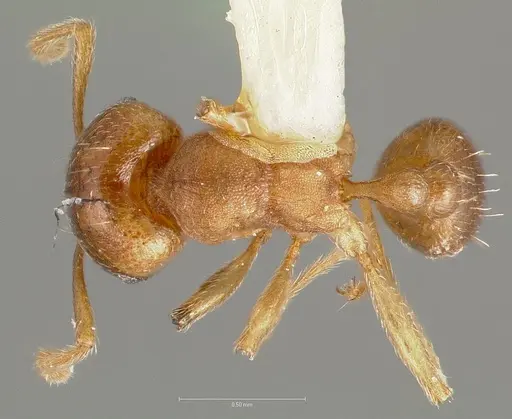
CASENT0281189
View on AntWeb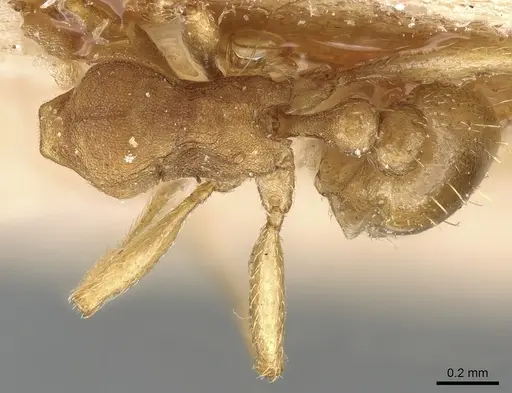
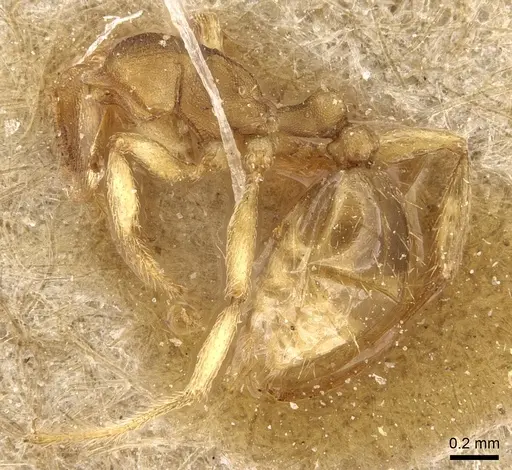
CASENT0281190
View on AntWeb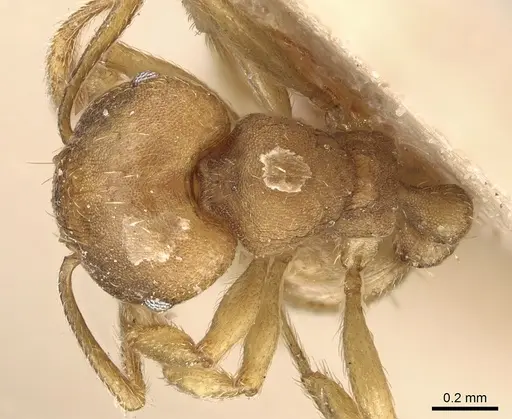
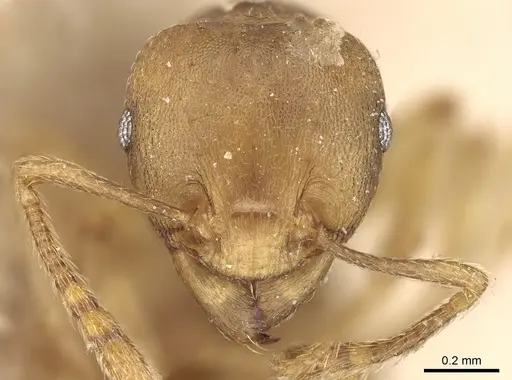
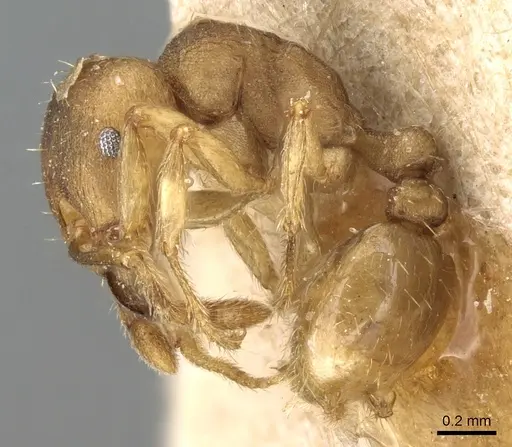
CASENT0281191
View on AntWeb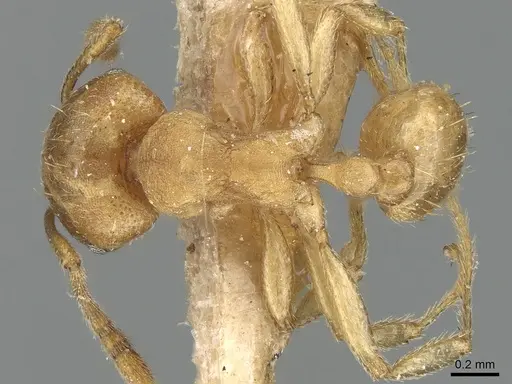
CASENT0365703
View on AntWeb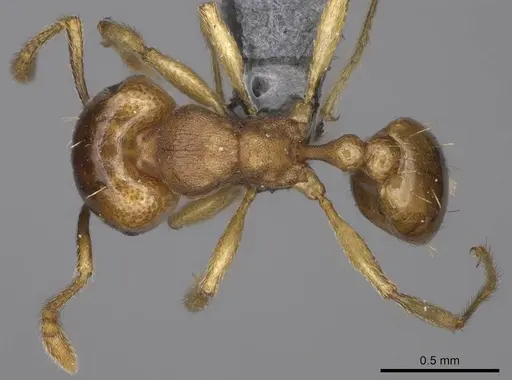
CASENT0901030
View on AntWeb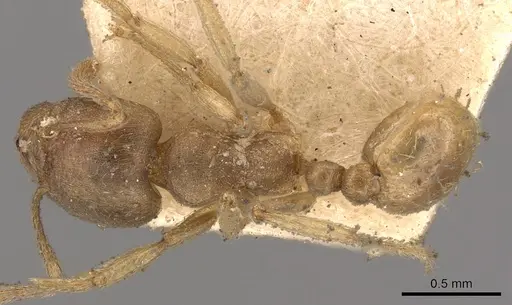
CASENT0909200
View on AntWeb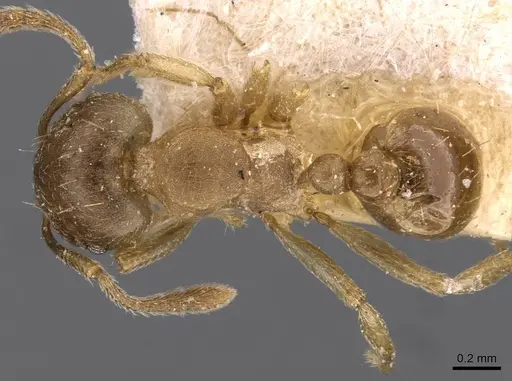
CASENT0913973
View on AntWeb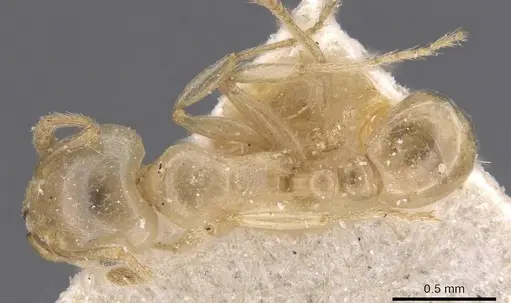
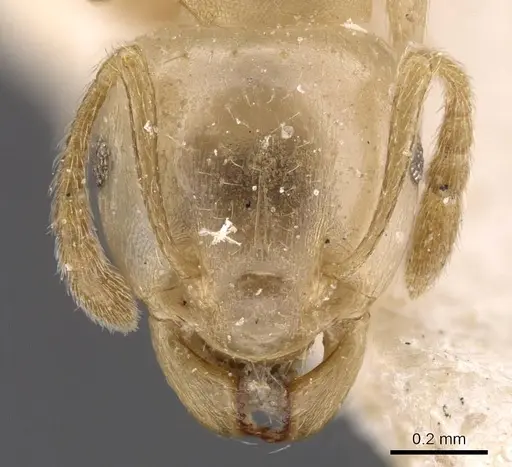
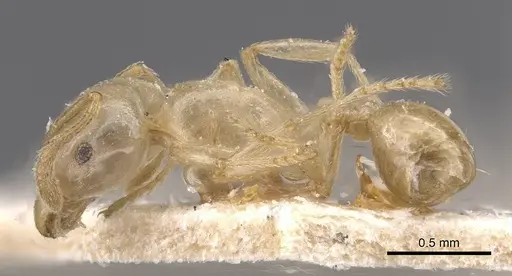
CASENT0914275
View on AntWeb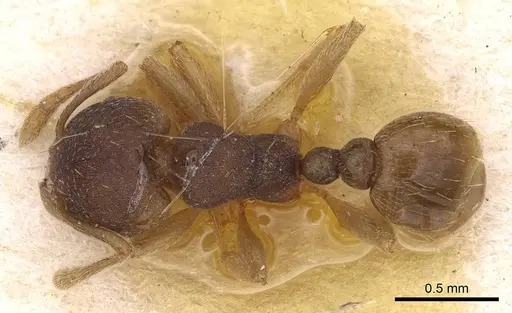
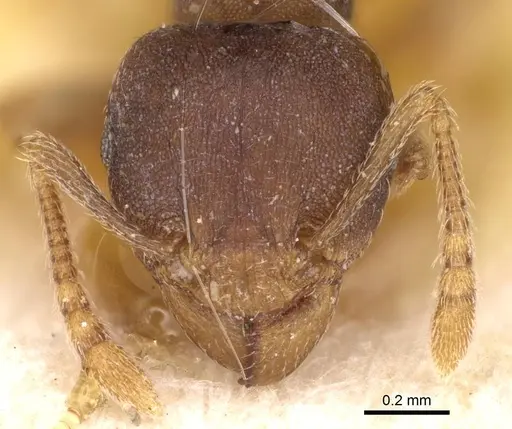
Literature
Loading distribution map...Loading products...