
Southern Fierce Ant
Tetramorium notiale
- Sci. Name
- Tetramorium notiale
- Tribe
- Crematogastrini
- Subfamily
- Myrmicinae
- Author
- Bolton, 1980
- Common Name
- Southern Fierce Ant
- Distribution
- Found in 3 countries
Introduction
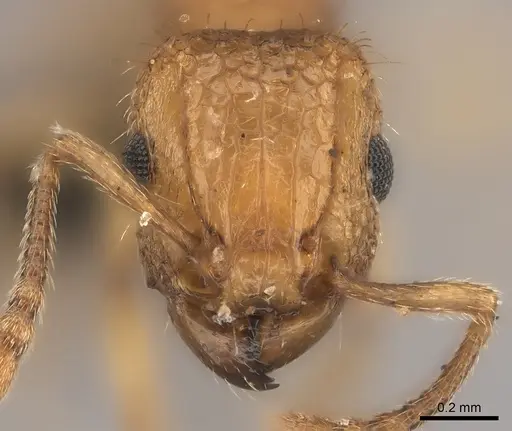
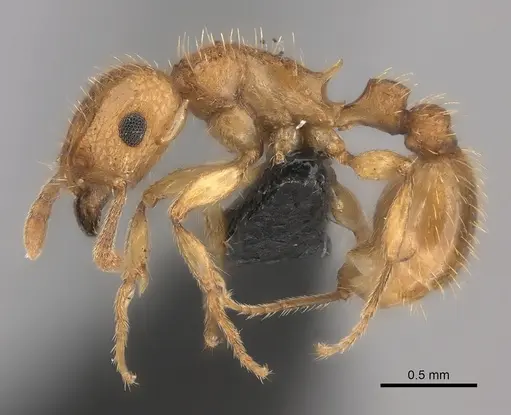
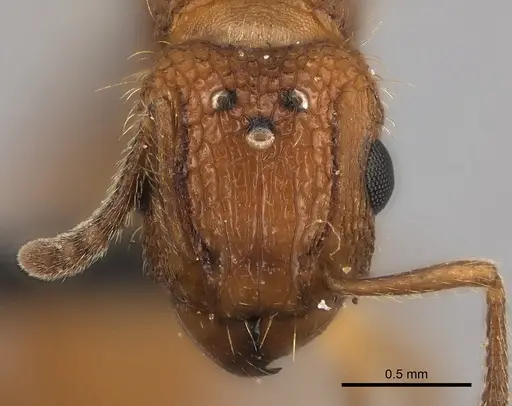
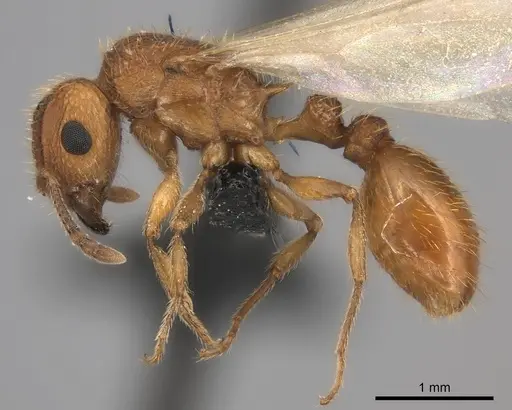
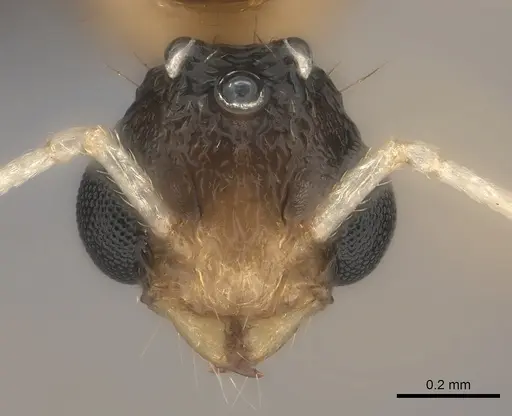
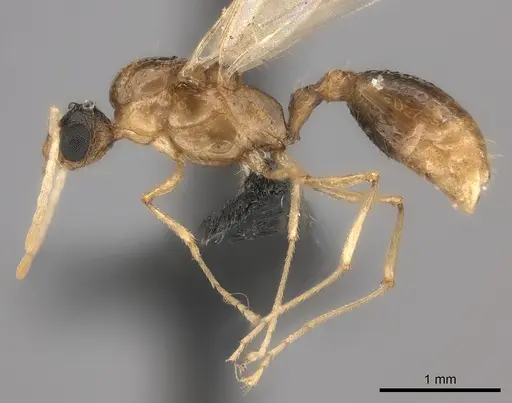
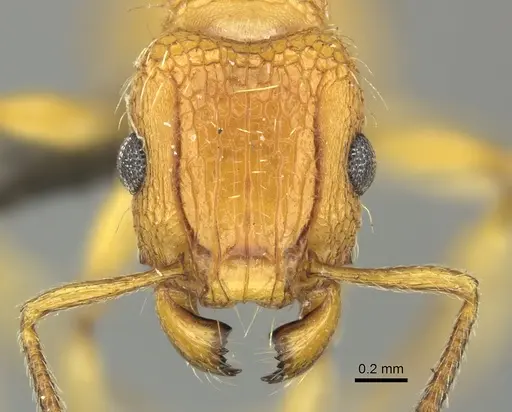
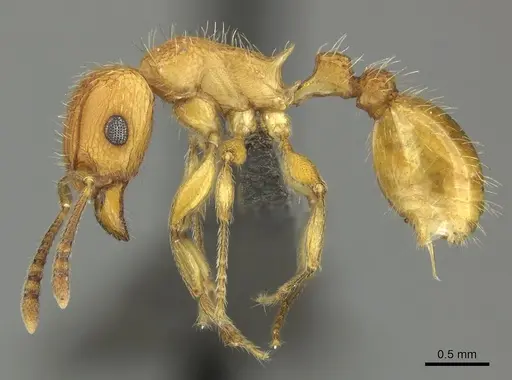
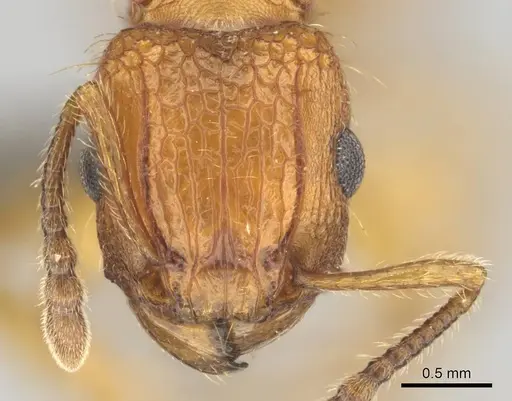
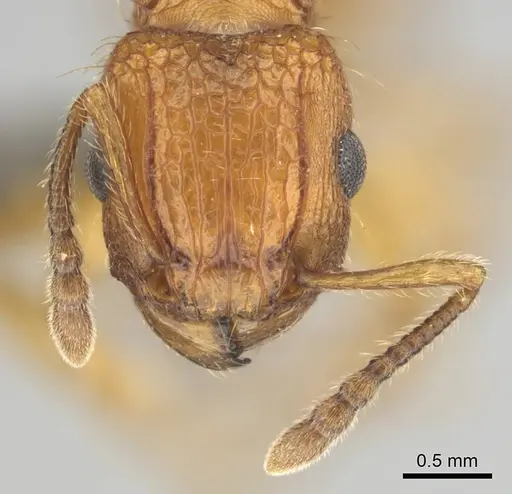
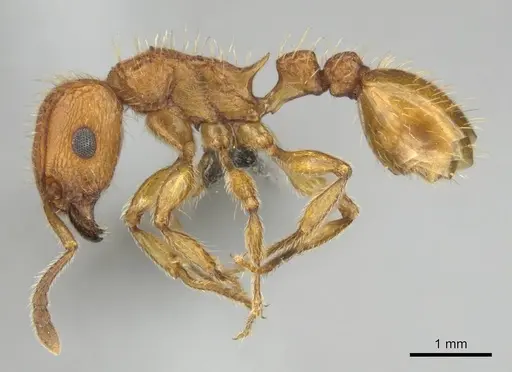
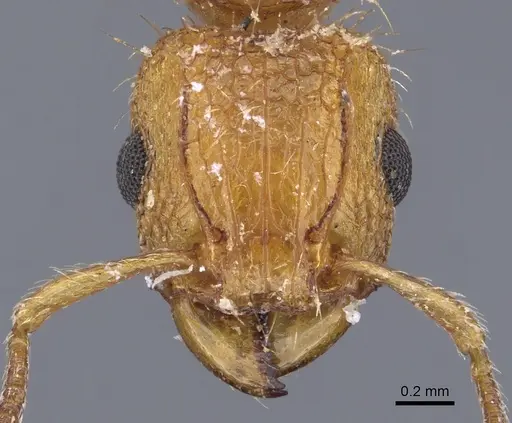
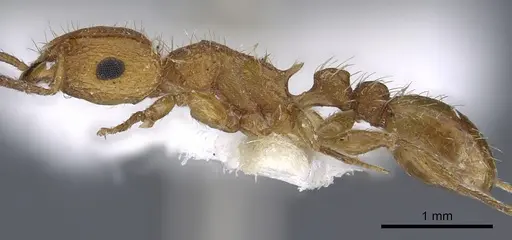
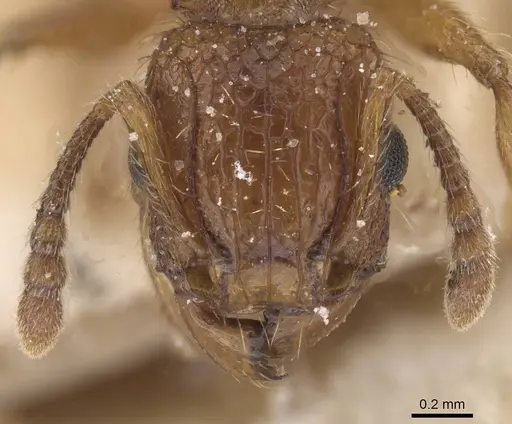
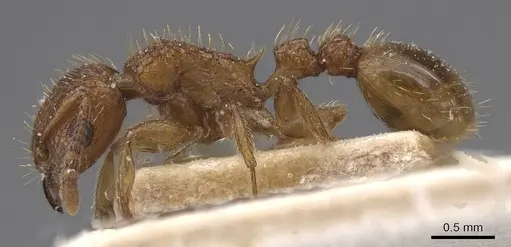
Tetramorium notiale is a small to medium-sized ant from the Afrotropical region, found in southern Africa from South Africa to the Democratic Republic of Congo and east to Rwanda . Workers measure 3.5-5.0 mm and are bright yellow-brown to orange-brown, with the gaster often lighter than the head and thorax . They belong to the Tetramorium cristatum species complex and are identified mainly by color differences from close relatives . These ants are ground-nesters that build turreted entrances and dig deep nests - up to 37 cm below the surface - with multiple chambers connected by vertical tunnels . They forage both on the ground and in low vegetation, which makes them versatile in open to semi-open habitats like grassland, savannah, and woodland . Their unique nesting style and active foraging make them interesting to watch, though much of their biology remains undocumented.
Quick Summary
- Difficulty: Medium, founding and growth are unstudied, so you may need to experiment
- Origin & Habitat: Native to Botswana, Democratic Republic of Congo, Eswatini, Malawi, Mozambique, Namibia, Rwanda, South Africa, Zambia, and Zimbabwe. Inhabits open to semi-open habitats including grassland, savannah, and woodland [1][2].
- Colony Type: Unconfirmed, no specific data on queen number or social structure exists for this species.
- Size & Growth:
- Antkeeping:
- Temperature: They come from warm southern Africa, so keep the nest at 22-26°C [1]. A temperature gradient is optional but may help. Avoid extremes below 18°C or above 30°C for long periods.
- Humidity: Moderate, allow the nest substrate to dry slightly between waterings. The ants live in open, often well-drained soils [1].
- Diapause: Unknown, no documented seasonal cycle. If activity drops in winter, a short cooling period (15-18°C) for a few weeks may be tried, but this is speculative.
- Nesting: Ground-nesting with deep tunnels (up to 37 cm) and turreted entrances [1]. Use a diggable substrate (e.g., a sand/soil mix,10-15 cm deep) or a Y-tong/plaster nest with a digging area. Provide vertical space to allow natural burrowing.
- Behavior: Workers forage actively on the ground and in low vegetation [1]. They defend their nest but are not generally aggressive. As with most myrmicine ants, they have a modified stinger used to smear venom rather than pierce. Escape risk is moderate due to their small size, standard fluon barriers and tight lids are recommended.
- Common Issues: deep nesting means you need vertical space, shallow setups won't work, colony founding and growth are unstudied, so be prepared for uncertainty, foraging in vegetation may lead to escapes if the outworld isn't properly sealed, turret-building can push substrate against barriers, potentially creating escape routes, wild-caught colonies may carry parasites or have unknown stress sensitivities
Housing and Nest Setup
Tetramorium notiale nests underground in the wild, with tunnels reaching 37 cm deep and multiple chambers linked by vertical shafts [1]. They also build small soil turrets around the entrance. In captivity, give them at least 10-15 cm of diggable substrate, a mix of sand and soil (roughly 70:30) works well. Alternatively, a Y-tong or plaster nest with a deep digging area can be used.
Since they forage both on the ground and in vegetation, the outworld should have a layer of substrate or a mesh to prevent them from climbing out. Use fluon on the walls and a tight-fitting lid. Turret-building may push soil against barriers, so check regularly for gaps.
If you prefer a more natural setup, connect a large foraging area with potted plants or twigs, they will climb and patrol them [1].
Feeding and Diet
Like most Tetramorium, T. notiale is likely omnivorous. They forage on the ground and in vegetation, probably collecting honeydew and small insects [1]. Offer protein 2-3 times a week: fruit flies, small crickets, mealworms, or pieces of chicken. Keep a constant supply of sugar water (in a test tube with a cotton wick) or diluted honey. Remove uneaten food after 24 hours to avoid mold.
During the founding phase, no feeding is needed unless the queen forages, but since founding is unconfirmed, it’s best to offer a small drop of honey in her test tube after a few weeks.
Temperature and Seasonal Care
These ants live in warm southern Africa, so keep the nest at 22-26°C [1]. Room temperature within that range is fine. A heating cable on one side can create a gradient, but place it on top of the nest to avoid drying out the substrate. Avoid prolonged temperatures below 18°C or above 30°C.
True diapause is undocumented. If your colony slows down in winter, you can try a slight cooling period (15-18°C) for a few weeks, but it’s not proven necessary. Reduce feeding during that time but maintain some moisture.
Colony Founding and Growth
There is no published information on how Tetramorium notiale queens found colonies. Most Tetramorium are claustral, but this is speculation for T. notiale. If you have a mated queen, house her in a dark, undisturbed test tube setup with a water reservoir. Do not feed her unless you see her foraging (unlikely if claustral). Patience is essential, development time and success rates are unknown.
Once workers appear, start offering small prey and sugar water. Growth rate is unstudied, but typical Tetramorium colonies take several months to reach 20-30 workers. Avoid disturbing the nest often.
Behavior and Observation
Workers are active and will search both the ground and low vegetation [1]. They may climb plants in the outworld, making them interesting to watch. They have a modified sting that smears venom as a defense, but they are not aggressive toward humans under normal circumstances.
They are robust for their size (3.5-5.0 mm) and will defend their nest if provoked. Turret-building is one of their most unique behaviors, you might see them carrying soil to the entrance in captivity.
Escape risk is moderate because they could squeeze through tiny gaps. Use fluon barriers and a tight-fitting lid. They will test gaps, especially near corners.
Frequently Asked Questions
How long does it take for Tetramorium notiale to raise first workers?
There is no data. If the queen is claustral (typical for the genus), it may take 6-10 weeks, but this is an estimate. Be patient and avoid disturbing her.
What size nest do I need for Tetramorium notiale?
These ants dig deep, up to 37 cm in the wild [1]. Provide at least 10-15 cm of diggable substrate. A naturalistic setup with a deep soil chamber or a Y-tong/plaster nest with a digging area works well. Vertical space is more important than horizontal area.
Do Tetramorium notiale ants need hibernation?
It’s unknown. They come from a mild winter region, so a true diapause is unlikely. You can keep them active year-round at room temperature, or try a short cooling period (15-18°C) for a few weeks if activity drops, but this is not proven necessary.
What do Tetramorium notiale ants eat?
They are omnivorous. Offer small insects (fruit flies, small crickets, mealworms) 2-3 times a week for protein, and provide constant access to sugar water or honey. Remove uneaten food after 24 hours.
Are Tetramorium notiale good for beginners?
Uncertain, because founding and growth are unstudied, they may be challenging. If you are patient and willing to experiment, they are robust once established, but the lack of data makes them more suitable for intermediate keepers.
How big do Tetramorium notiale colonies get?
Unknown, there are no published colony size estimates for this species. Typical Tetramorium colonies range from a few hundred to over a thousand, but this is speculative.
Can I keep multiple Tetramorium notiale queens together?
Not recommended, colony structure is unconfirmed, and most Tetramorium are monogyne. If you have multiple foundresses, house them separately.
Do Tetramorium notiale ants sting?
Like most myrmicine ants, they have a modified stinger used for smearing venom rather than piercing. They are not aggressive, but they may defend their nest if disturbed. The venom is mild for most people.
Why is my Tetramorium notiale colony not growing?
Check temperature (22-26°C), food (enough protein and constant sugar?), and disturbance (checking too often). Also ensure humidity isn’t too low. Since growth is unstudied, slow growth may be normal. Patience is key.
When should I move my Tetramorium notiale to a larger setup?
Move them when the current nest becomes crowded (e.g., workers clustering at edges, queen in foraging area). There is no specific worker count, use your judgment. A deeper naturalistic setup can accommodate longer.
Report an Issue
The current care sheet is based fully on literature. See inconsistencies, or something that's incorrect? Please , it will be resolved after review from an admin. Contributing to the blogs tab also helps providing information, to make us be able to further improve the caresheets. Thank you for your support!
References

This caresheet is licensed under CC BY-SA 4.0 .
Community Blogs
CASENT0066862
View on AntWeb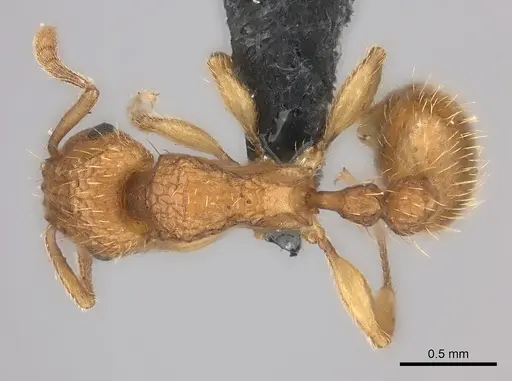
CASENT0066962
View on AntWeb
CASENT0235000
View on AntWeb
CASENT0249030
View on AntWeb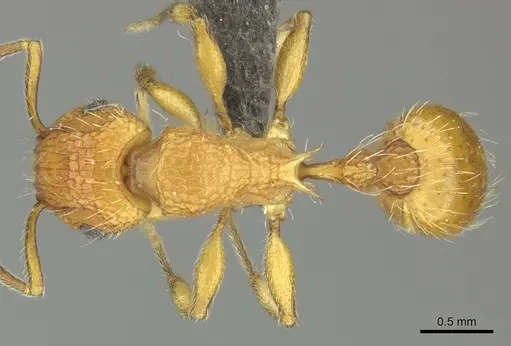
CASENT0255127
View on AntWeb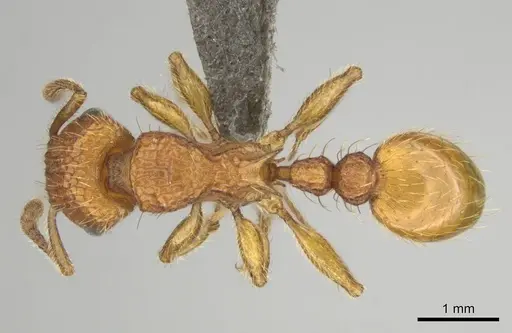
CASENT0901116
View on AntWeb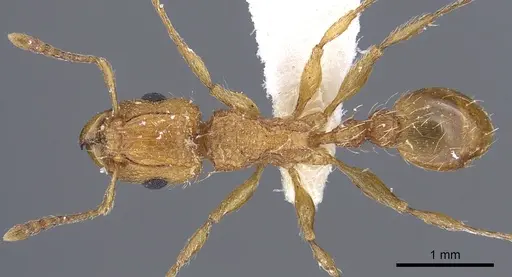
CASENT0915036
View on AntWeb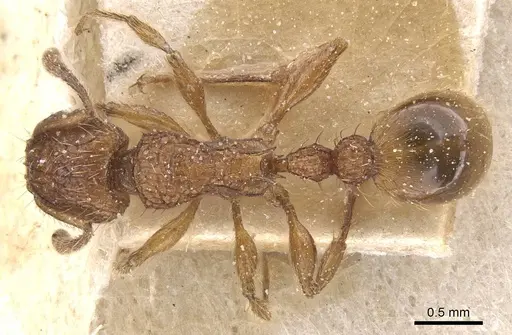
Literature
Loading distribution map...Loading products...