
Tetramorium noratum
- Sci. Name
- Tetramorium noratum
- Tribe
- Crematogastrini
- Subfamily
- Myrmicinae
- Author
- Bolton, 1977
- Distribution
- Found in 1 countries
Introduction
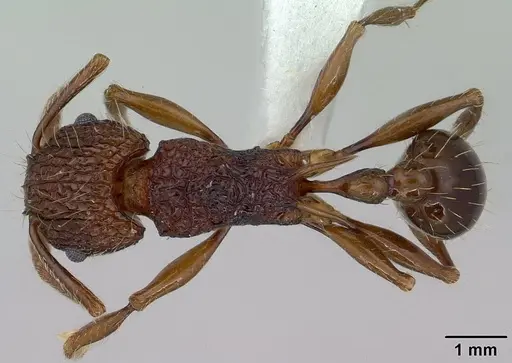
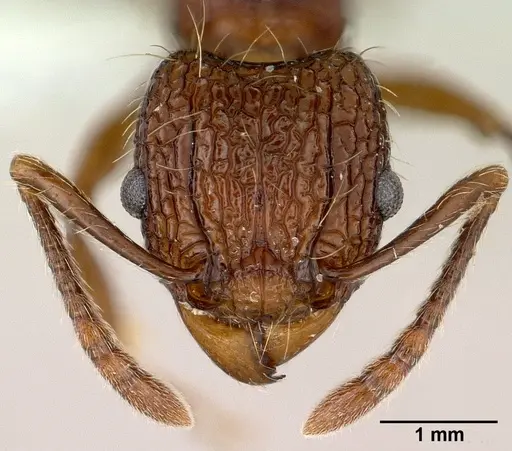
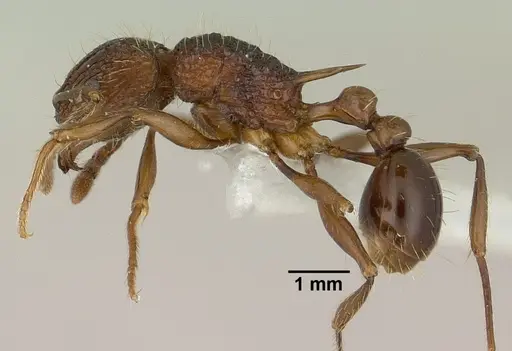
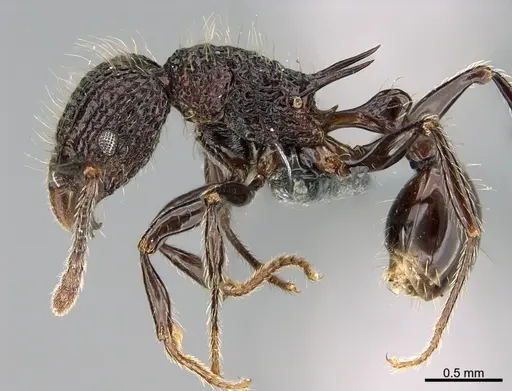
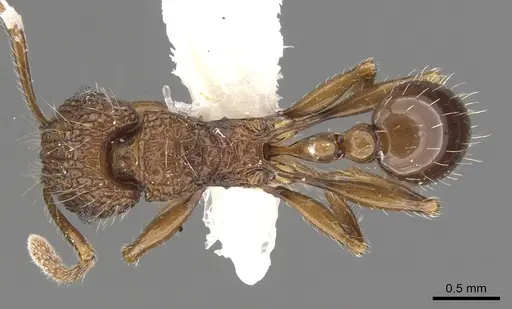
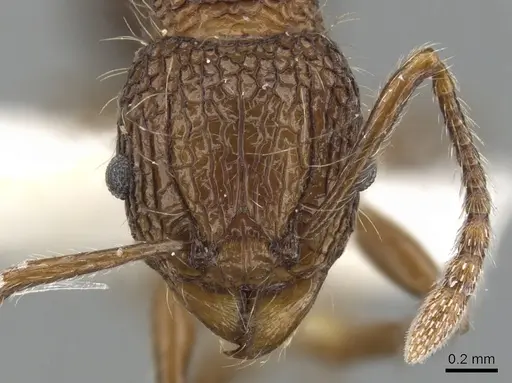
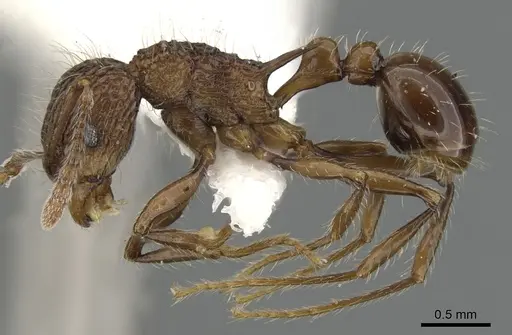
Tetramorium noratum is a small ant native to Southeast Asia, found in Peninsula Malaysia, Sumatra, and Borneo . Workers measure 4.0-4.6mm and have a light brown, polished appearance with long propodeal spines and many erect hairs . It lives in leaf litter in hill forests and lowland dipterocarp forests . It is rare in disturbed habitats like oil palm plantations .
Quick Summary
- Difficulty: Medium
- Origin & Habitat: Native to Peninsula Malaysia, Sumatra, and Borneo [1]. Found in forest leaf litter habitats including hill forest at 1220m elevation and lowland dipterocarp forest [2][1]. Avoids oil palm plantations [3].
- Colony Type: Colony structure is unconfirmed. Based on typical Tetramorium patterns, likely monogyne (single queen).
- Size & Growth:
- Antkeeping:
- Temperature: Tropical forest species, keep at 22-26°C. Provide a slight heat gradient.
- Humidity: High humidity. Keep nest substrate consistently moist but not waterlogged. Use a water reservoir.
- Diapause: No (tropical species) [1]
- Nesting: Naturalistic setup with moist substrate. Plaster or Y-tong nest with a soil chamber works well. Provide leaf litter for cover.
- Behavior: This species has a modified stinger used to smear venom, typical of the Crematogastrini tribe. Workers are docile and rarely aggressive. Escape risk is moderate at 4-6mm, use standard barriers.
- Common Issues: low humidity can kill the colony, keep substrate moist., wild-caught colonies may take time to acclimate to captivity., colony growth is slow compared to common species, which may be frustrating., this species is rarely available in the hobby, so obtaining colonies is difficult.
Housing and Nest Setup
Based on the natural forest floor habitat [1], Tetramorium noratum does best in a setup that holds moisture well. A plaster nest or Y-tong formicarium with a deep soil chamber works well. The key is high humidity – provide a water reservoir so the substrate stays damp but not flooded. Add leaf litter, bark pieces, or small stones in the outworld to mimic the litter layer and give workers cover. Avoid dry, open setups, this species is active and healthy when it can retreat to humid microclimates.
Feeding and Diet
No specific dietary data is available for Tetramorium noratum. Based on typical Tetramorium patterns (inferred), they likely accept small protein sources like fruit flies, small crickets, or bits of mealworm. Offer sugar water or honey occasionally, but acceptance may vary. Place food directly on the substrate in the outworld – these ground-dwellers prefer foraging at floor level. Remove leftovers after 24 hours to prevent mold.
Temperature and Seasonal Care
Since this species comes from tropical forests [1], keep temperatures warm at 22-26°C. A gentle heat gradient across the nest (using a small heating cable on one side) lets workers self-regulate. Avoid drops below 20°C or spikes above 30°C. No hibernation is required – they are active year-round. If your room gets cooler in winter, colony activity may slow slightly, but that's not a concern.
Handling and Colony Maintenance
This is a docile species, so transfers and maintenance are straightforward. Use gentle coaxing (light, tapping) rather than force. Because they are sensitive to disturbance (rare in oil palm plantations suggests low tolerance for habitat change [3]), keep handling to a minimum. Only expand the nest or clean when necessary. Wild-caught colonies may need several months to settle in – be patient and let them establish at their own pace.
Growth and Development
Colony growth rate is unknown for this species. Based on other Tetramorium (inferred), the first workers likely emerge 6-8 weeks after egg-laying at optimal temperature. Early growth is slow while the queen raises her first brood alone. As workers arrive, growth may pick up but likely remains moderate. A mature colony may reach several hundred workers over a few years – this is a slow-to-moderate timeline. No specific data on brood development exists.
Frequently Asked Questions
How long does it take for Tetramorium noratum to produce first workers?
No direct data is available. Based on other Tetramorium, at 22-26°C you can expect first workers in about 6-8 weeks after the queen begins laying (inferred).
Is Tetramorium noratum good for beginners?
This species is rated medium difficulty. While docile, its strict humidity needs and slow growth can challenge beginners. Some experience with other ants is recommended.
Do Tetramorium noratum ants sting?
They have a modified stinger used to smear venom onto enemies rather than piercing, which is typical of the Crematogastrini tribe. They are not aggressive and stinging is unlikely.
What do Tetramorium noratum ants eat?
No specific diet data exists. Based on typical Tetramorium patterns (inferred), they likely accept small protein sources (fruit flies, small crickets) and occasional sugar water. Protein seems preferred.
Can I keep multiple Tetramorium noratum queens together?
This is not recommended. Colony structure is unknown, and combining unrelated queens usually leads to fighting. Start with a single queen colony.
How big do Tetramorium noratum colonies get?
Based on related species and this ant's rarity in samples, colonies likely reach several hundred workers at maturity (estimated). Growth is slow to moderate.
Do Tetramorium noratum need hibernation?
No, this is a tropical species from Southeast Asia and does not require hibernation [1].
Why are my Tetramorium noratum dying?
Most common causes: low humidity (below damp-substrate levels), temperatures outside 22-26°C, or stress from excessive disturbance. Also ensure a reliable protein source.
When should I move Tetramorium noratum to a formicarium?
Wait until the test tube is noticeably crowded, typically after 30-50 workers if the colony is growing. This is general advice – no specific data for this species.
Is Tetramorium noratum rare in the antkeeping hobby?
Yes, this species is rarely available. It is more commonly encountered in scientific collections from intact forests in Borneo and Peninsula Malaysia [1][3]. Availability is limited to occasional wild-caught colonies.
Report an Issue
The current care sheet is based fully on literature. See inconsistencies, or something that's incorrect? Please , it will be resolved after review from an admin. Contributing to the blogs tab also helps providing information, to make us be able to further improve the caresheets. Thank you for your support!
References

This caresheet is licensed under CC BY-SA 4.0 .
Community Blogs
Literature
Loading distribution map...Loading products...