
Tetramorium nify
- Sci. Name
- Tetramorium nify
- Tribe
- Crematogastrini
- Subfamily
- Myrmicinae
- Author
- Hita Garcia & Fisher, 2012
- Distribution
- Found in 1 countries
Introduction
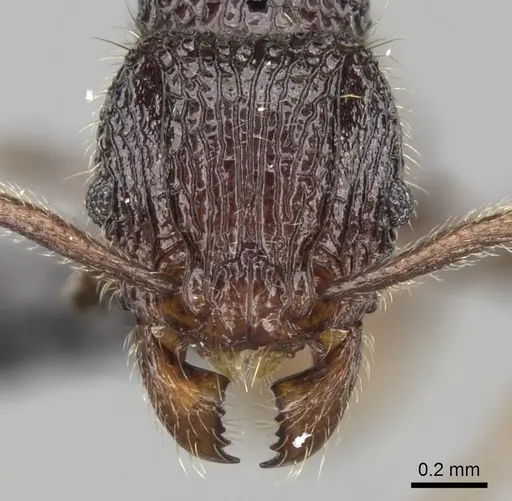
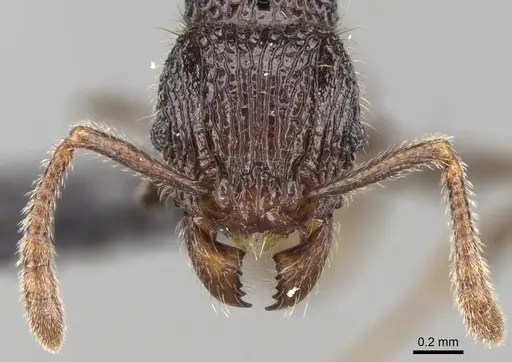
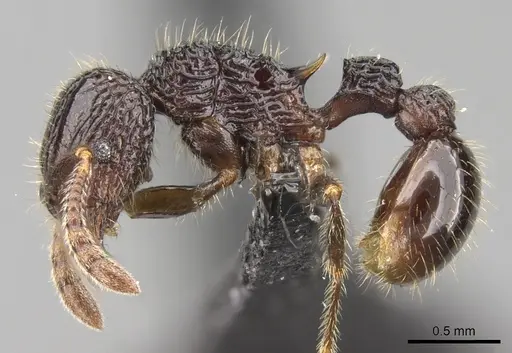
Tetramorium nify is a small, dark brown to black ant species native to Madagascar, found specifically around Ambatovaky, Befingotra, and Isle Saint Marie . Workers are tiny, based on head and body measurements, they likely reach about 3mm in total length, though no direct body length (TL) has been reported . They belong to the Tetramorium tortuosum group, specifically the T. andrei species complex, and stand out for their very small eyes, moderately long propodeal spines, and a rectangular petiolar node with sharply defined top corners . This species is known from only a handful of specimens collected in rainforest habitats at around 360 meters elevation, with the type location in Réserve Spéciale Ambatovaky . They nest in rotting logs . Since their description in 2012,almost nothing has been published about their colony life, feeding, or behavior, they remain one of the most obscure Malagasy Tetramorium species.
Quick Summary
- Difficulty: Expert
- Origin & Habitat: Madagascar, known only from the Malagasy region around Ambatovaky, Befingotra, and Isle Saint Marie at elevations around 360 meters. They inhabit rainforest and nest in rotting wood [1][2].
- Colony Type: Unknown, colony structure has not been documented for this species. Most Tetramorium are single-queen colonies, but this has not been confirmed for T. nify.
- Size & Growth:
- Queen: Undescribed, queen measurements are not available in scientific literature [1].
- Worker: Body length not directly measured, based on head length (0.83–0.95mm) and mesosomal length (1.02–1.21mm), an estimated total length of about 2.5–4mm is reasonable, though not confirmed [1]. Use fine mesh to prevent escape.
- Colony: Unknown, no colony size data available for this species.
- Growth: Unknown, development has not been studied.
- Development: Estimated 6–8 weeks based on typical Tetramorium genus patterns at optimal temperature. (Direct development data unavailable, estimates are based on related species in the genus.)
- Antkeeping:
- Temperature: Keep at 22–26°C, aim for warm, stable conditions typical of tropical rainforest species. A gentle temperature gradient allows ants to regulate their own exposure.
- Humidity: High humidity required, these ants come from Madagascar rainforests and nest in rotting wood. Keep nesting material consistently moist but not waterlogged. Think damp forest floor conditions.
- Diapause: Unlikely, as a tropical species from Madagascar, they probably do not require a true hibernation period. They may show some reduced activity during cooler periods but should be kept warm year-round.
- Nesting: In captivity, they do well in nests that retain moisture, Y‑tong (AAC) nests, plaster nests, or naturalistic setups with damp substrate work well. They naturally nest in rotting wood, so providing some decaying wood material or similar media helps simulate their natural environment.
- Behavior: Tetramorium nify is a small, generally non‑aggressive ant that tends to stay close to the nest. It is not known to be particularly defensive or prone to stinging. Their very small eyes suggest they rely more on chemical cues than visual navigation. As a tiny species, escape prevention is critical, they can squeeze through gaps that larger ants cannot. They are likely moderate foragers, searching for small prey and sugary substances. The overall temperament is calm, and they are not known for aggressive swarming or painful stings. Note: This species belongs to Myrmicinae (tribe Crematogastrini), so its primary defense is smearing venom with a flattened stinger rather than piercing.
- Common Issues: very small size makes escape prevention critical, use fine mesh and tight‑fitting barriers, high humidity requirements can lead to mold problems if ventilation is inadequate, limited information means care is based on genus‑level assumptions rather than species‑specific data, wild‑caught colonies may be difficult to establish due to unknown founding requirements, tropical species may suffer if temperatures drop below room temperature
Housing and Nest Setup
To replicate their natural rainforest wood‑dwelling habitat, use a Y‑tong (AAC) nest or plaster nest, these materials hold moisture effectively while providing dark, secure chambers. Keep the nest material consistently damp but never sitting in water. The type specimen was collected from a rotting log in rainforest [1], so providing some decaying wood or similar substrate helps simulate natural conditions. Because the ants are tiny, ensure your outworld connections have no gaps larger than 1mm. A test‑tube setup works for founding colonies, but be ready to move them to a more permanent nest once the colony grows. Some keepers succeed with naturalistic setups using damp soil and rotting wood pieces.
Feeding and Diet
Like most Tetramorium species, T. nify is likely an omnivore that accepts both protein and sugar sources. Offer small protein items such as fruit flies, pinhead crickets, or tiny pieces of mealworm, sized appropriately for their small workers. They will likely take sugar water, honey, or diluted syrup as an energy source. In the wild, they probably forage for small insects and tend aphids for honeydew. Feed small amounts every 2–3 days and remove uneaten food to prevent mold. Because they are so small, even a single fruit fly is a substantial meal. Monitor acceptance and adjust offerings based on colony consumption.
Temperature and Humidity
Maintain temperatures in the 22–26°C range, this matches the warm, stable conditions of their Madagascar rainforest habitat. Use a heating cable on one side of the nest to create a gentle gradient, but ensure they can move to cooler areas if needed. Humidity is critical: keep nesting material consistently damp. These ants come from a region with high ambient moisture, and their natural nesting in rotting wood [1] confirms their need for humid conditions. Use a water reservoir or mist the nest area regularly, but also provide some drier areas in the outworld so ants can choose their preferred conditions. Avoid temperatures below 20°C for extended periods.
Colony Establishment
Establishing Tetramorium nify colonies can be challenging since so little is known about their specific biology. If you obtain a founding queen, provide her with a small, humid chamber, a test tube with a water reservoir and cotton plug works well for initial setup. Keep the founding setup dark and undisturbed for several weeks. Queens are claustral in most Tetramorium species, meaning they seal themselves in and survive on stored fat reserves while raising their first workers. However, this specific behavior has not been confirmed for T. nify. Be patient, small species often develop more slowly than larger ants. Once workers emerge, gradually introduce small food sources and maintain high humidity. Move to a larger nest only when the colony shows signs of outgrowing the founding setup.
Frequently Asked Questions
How long does it take for Tetramorium nify to raise first workers?
The exact timeline is unknown for this species, but based on typical Tetramorium development, expect 6–8 weeks from egg to first worker at optimal warm temperatures. Small species often develop slightly faster than larger ants, but much depends on temperature and feeding success.
Do Tetramorium nify ants sting?
Tetramorium ants have stingers but are not known for aggressive stinging behavior. These tiny ants are generally docile and unlikely to sting unless directly threatened. Their small size means any sting would be very mild compared to larger ant species. Note: As a member of Myrmicinae (tribe Crematogastrini), their primary defense is smearing venom with a flattened stinger, not piercing.
Can I keep multiple Tetramorium nify queens together?
This has not been documented for this species. Most Tetramorium species are single‑queen (monogyne) colonies, but colony structure is unknown for T. nify. Unless you have confirmed multi‑queen colonies from the wild, it is safest to house foundresses separately to avoid conflict.
What size colony does Tetramorium nify reach?
Colony size is unknown, this species is known from only five specimens and no large colonies have been documented. Based on related species in the T. tortuosum group, colonies likely reach several hundred workers at most, but this is an estimate.
Do Tetramorium nify need hibernation?
No, as a tropical species from Madagascar, they do not require a hibernation period. Keep them warm year‑round at 22–26°C. They may show reduced activity during cooler periods, but this is not a true diapause like temperate species undergo.
What do Tetramorium nify eat?
They likely accept small protein sources like fruit flies, tiny crickets, and mealworm pieces, plus sugar sources like honey water or sugar water. Size the prey appropriately for their tiny workers, even small insects are substantial meals for these ants.
Are Tetramorium nify good for beginners?
This species is not ideal for beginners due to the lack of species‑specific information and the high humidity requirements. If you have experience keeping other Tetramorium or small Myrmicinae species, this can be a rewarding challenge. However, more established species with known care requirements are better choices for new antkeepers.
Why are my Tetramorium nify dying?
Common causes include: temperature too low (keep above 20°C), humidity too low or too high (aim for consistently damp but not wet), improper feeding (ensure appropriately sized prey), or escape‑related losses (check for tiny gaps). This species is poorly known, so establishing colonies can be difficult. Ensure your founding queen or colony has appropriate humidity and stable conditions.
Report an Issue
The current care sheet is based fully on literature. See inconsistencies, or something that's incorrect? Please , it will be resolved after review from an admin. Contributing to the blogs tab also helps providing information, to make us be able to further improve the caresheets. Thank you for your support!
References

This caresheet is licensed under CC BY-SA 4.0 .
Community Blogs
CASENT0163155
View on AntWeb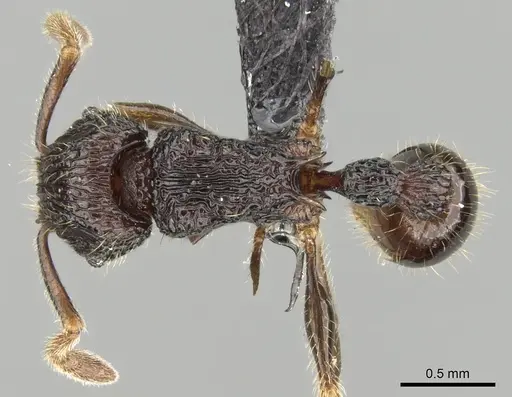
Literature
Loading distribution map...Loading products...