
Tetramorium mexicanum
- Sci. Name
- Tetramorium mexicanum
- Tribe
- Crematogastrini
- Subfamily
- Myrmicinae
- Author
- Bolton, 1979
- Distribution
- Found in 1 countries
Introduction
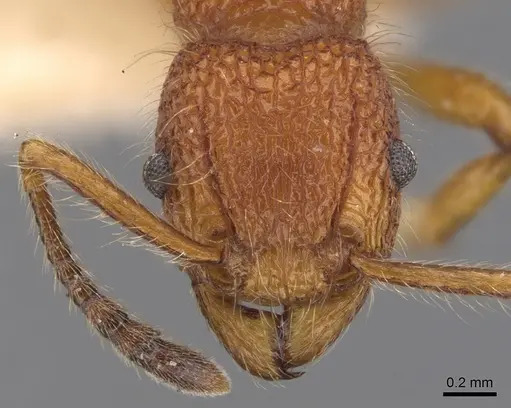
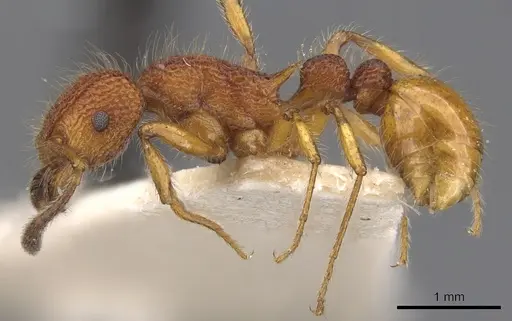
Tetramorium mexicanum is a small ant species native to Mexico, belonging to the Tetramorium tortuosum species group . Workers have a pale to dark brown coloration that is consistent across the entire body . They can be identified by the long hairs on their antennal scapes and outer surface of the metatibia, which are longer than the width of those appendages, and by their scape index (SI: ratio of scape length to head width) of 94-99 . This species is endemic to western Mexico, found only in Jalisco and Nayarit states . It belongs to the Myrmicinae subfamily and is known only from the worker caste - queens and males have not been described in scientific literature . Because so little is known about its biology, T. mexicanum remains a rarely kept species in captivity. Most care advice is based on related Tetramorium species and keeper experience, not direct research. If you keep it, monitor your colony closely and adapt conditions as needed.
Quick Summary
- Difficulty: Medium
- Origin & Habitat: Endemic to western Mexico in the states of Jalisco and Nayarit (Neotropical region) [2][5]. Likely inhabits tropical to subtropical environments, though exact microhabitat preferences are unrecorded.
- Colony Type: Colony structure is unconfirmed. Most Tetramorium species are single-queen (monogyne) colonies, but this has not been documented specifically for T. mexicanum.
- Size & Growth:
- Queen: Unknown, queens have not been described in scientific literature [1][3]
- Worker: Direct size data unavailable, described as larger than related species T. bicolorum and T. notomelanum [1][4]
- Colony: Unknown, no colony size data available
- Growth: Moderate (estimated based on typical Tetramorium development)
- Development: Estimated 6-8 weeks at warm temperatures (22-26°C) based on genus patterns for tropical Tetramorium (Direct development data not available, this is a rough estimate)
- Antkeeping:
- Temperature: Keep at 22-26°C. As a tropical species from western Mexico, it likely prefers warm conditions. A heating cable on one side of the nest can create a gentle gradient if room temperature is lower.
- Humidity: Keep the nest substrate slightly moist but not waterlogged. Provide a moisture gradient with one area more damp and the rest drier. Mexican species typically tolerate conditions drier than rainforest ants.
- Diapause: Unlikely to require true hibernation. As a tropical species, it may show reduced activity during cooler months but does not need a cold diapause period.
- Nesting: Natural nesting habits are undocumented. In captivity, standard formicaria work well: Y-tong (aac) nests, plaster nests, or test tube setups with moist cotton. Provide a small outworld for foraging.
- Behavior: Behavior is not well documented, but Tetramorium species are generally non-aggressive ground-nesting ants. Workers likely forage for small insects, honeydew, and seeds. As a Myrmicinae in the tribe Crematogastrini, T. mexicanum has a modified spatulate stinger used to smear venom onto enemies rather than piercing. This makes it harmless to keepers, even if it stings, you would only feel a mild irritation at most. Escape risk is moderate due to their small size, seal all gaps.
- Common Issues: limited documentation makes care requirements uncertain, monitor your colony and adjust conditions as needed, small worker size means escape prevention is critical despite their docile nature, no queen descriptions exist, wild-caught colonies may be impossible to find since only workers are known, tropical species may be sensitive to temperature drops, keep warm and avoid cold drafts, colony growth is expected to be slow, so patience is required
Housing and Nest Setup
A test tube setup works well for a founding colony, use a test tube with a water reservoir separated by a cotton plug, providing a dark environment for the queen. Once the colony outgrows the test tube (roughly up to 30 workers), you can move it to a small formicarium. Y-tong (aac) nests are excellent for Tetramorium as they provide suitable chamber sizes and allow easy observation. Plaster nests or 3D-printed nests also work well. Ensure the nest has a moisture section you can keep slightly damp, Tetramorium species prefer some moisture but not saturated conditions. Connect a small outworld for foraging once the colony is established.
Feeding and Diet
Like other Tetramorium species, T. mexicanum likely accepts a varied diet. Offer small protein sources (fruit flies, tiny crickets, mealworms) and sugar sources (honey water, sugar water, or small pieces of fruit). In the wild, Tetramorium often tend aphids for honeydew, so they may readily accept sweet liquids. Feed small amounts every 2-3 days and remove uneaten food to prevent mold. Because the workers are small, prey items should be tiny. No species-specific diet data is available.
Temperature and Seasonal Care
As a species from tropical western Mexico, T. mexicanum prefers warm temperatures. Keep the nest area at 22-26°C for optimal brood development. Use a heating cable placed on top of the nest (never underneath, where it could dry out moisture) to create a gentle warmth gradient if your room temperature is lower. During winter, the colony may show reduced activity but likely does not need a true hibernation period. Avoid placing the colony near air conditioning vents or cold windows. Stable, warm temperatures will support year-round growth.
Behavior and Colony Dynamics
This species has not been studied in detail, but Tetramorium ants are generally docile and non-aggressive. Workers likely forage individually or in small groups on the ground, searching for small insects, nectar, and seeds. Their modified stinger is used for smearing venom rather than piercing, so they pose no real threat to keepers. The colony will establish a nest in the provided substrate and expand galleries as needed. Expect gradual growth, slower than faster-developing genera like Lasius or Camponotus. Patience is key with this species.
Frequently Asked Questions
How long does it take for Tetramorium mexicanum to produce first workers?
Exact development time is unknown for this species. Based on typical Tetramorium genus patterns, expect roughly 6-8 weeks from egg to first worker at warm temperatures (22-26°C). This is a rough estimate since no specific data exists for T. mexicanum.
What do Tetramorium mexicanum ants eat?
They likely accept small protein sources (fruit flies, tiny crickets, mealworms) and sugar sources (honey water, sugar water). This is based on general Tetramorium diet preferences, not species-specific research.
Can I keep multiple Tetramorium mexicanum queens together?
This has not been documented. Most Tetramorium species form single-queen colonies, but we don't have specific information for T. mexicanum. It is not recommended to combine unrelated queens since this could result in aggression.
Do Tetramorium mexicanum ants sting?
They have a modified spatulate stinger used to smear venom onto enemies rather than piercing. While they can technically sting, the venom is not dangerous to humans and the sting is not typical. At most you might feel mild irritation.
What temperature do Tetramorium mexicanum ants need?
Keep the nest area at 22-26°C. As a tropical species from western Mexico, they prefer warm conditions. A gentle heat gradient using a heating cable on top of the nest can help maintain optimal temperatures.
Are Tetramorium mexicanum ants good for beginners?
They are considered medium difficulty. The main challenge is that the species is poorly documented, so you must observe your colony and adjust care based on behavior. They are docile and manageable once established.
How big do Tetramorium mexicanum colonies get?
Colony size is not documented in scientific literature. Based on related Tetramorium species, colonies likely reach several hundred workers over time, but exact maximum size is unknown.
Do Tetramorium mexicanum need hibernation?
Unlikely to require true hibernation. As a tropical species from Mexico, they probably do not need a cold diapause period. They may show reduced activity during cooler months but should be kept warm year-round.
Why are my Tetramorium mexicanum ants dying?
Common causes include: temperatures too cold (keep above 22°C), excessive humidity causing mold, poor nutrition, or stress from disturbance. Since this species is not well documented, ensure conditions are stable and adjust gradually based on colony response.
When should I move my Tetramorium mexicanum to a formicarium?
Move from test tube to formicarium once the colony reaches roughly 20-30 workers. Make sure the new nest has appropriate moisture levels and a suitable outworld for foraging. Transition gradually by connecting the formicarium to the test tube and allowing workers to explore before moving the colony.
Report an Issue
The current care sheet is based fully on literature. See inconsistencies, or something that's incorrect? Please , it will be resolved after review from an admin. Contributing to the blogs tab also helps providing information, to make us be able to further improve the caresheets. Thank you for your support!
References

This caresheet is licensed under CC BY-SA 4.0 .
Community Blogs
CASENT0901050
View on AntWeb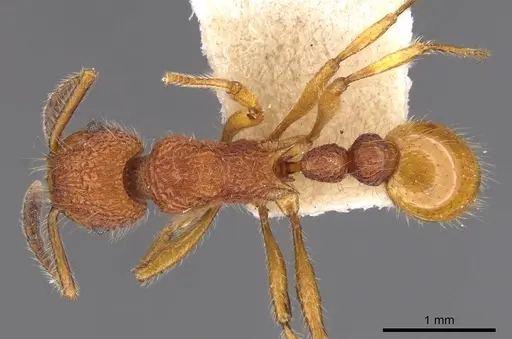
Literature
Loading distribution map...Loading products...