
Tetramorium mackae
- Sci. Name
- Tetramorium mackae
- Tribe
- Crematogastrini
- Subfamily
- Myrmicinae
- Author
- Hita Garcia & Fisher, 2012
- Distribution
- Found in 1 countries
Introduction
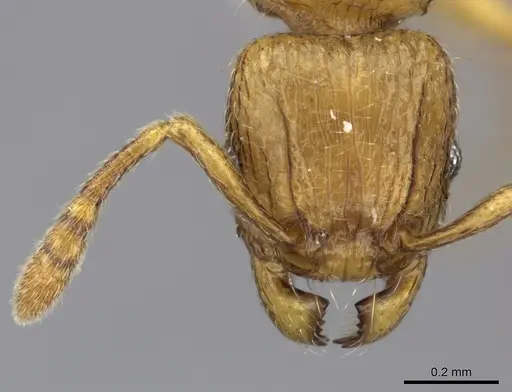
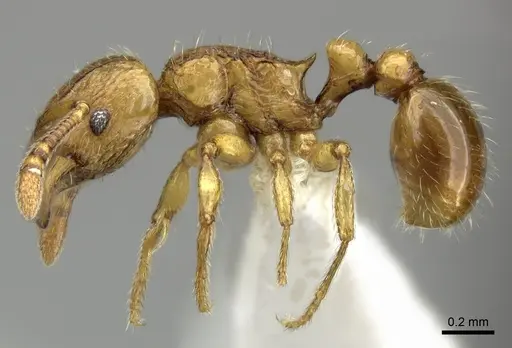
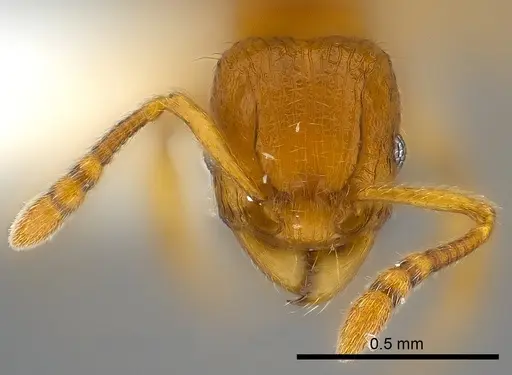
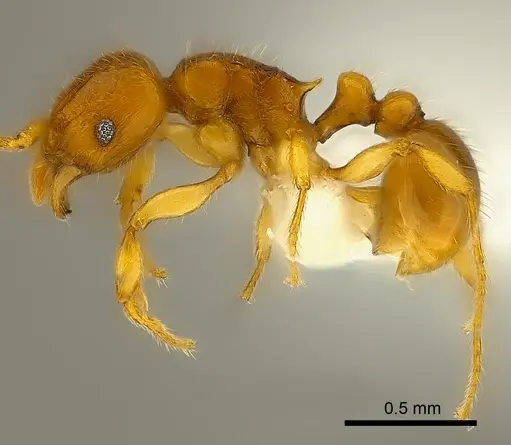
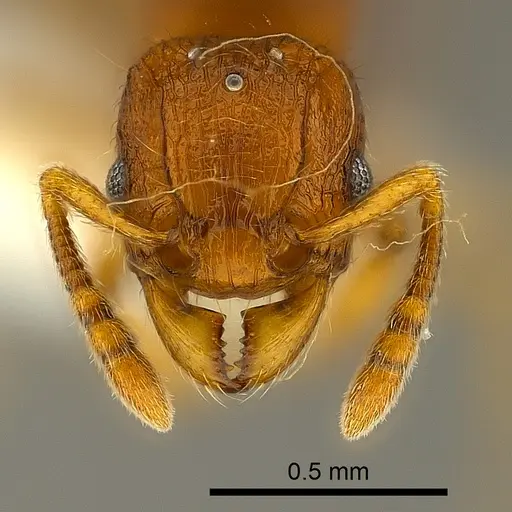
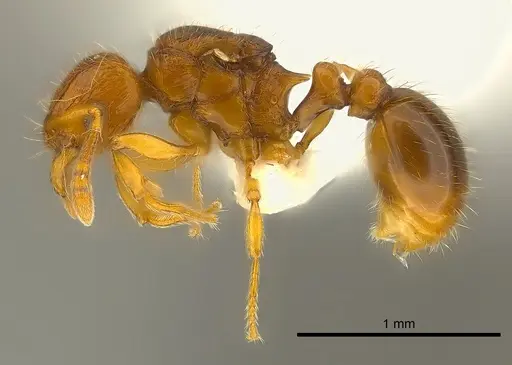
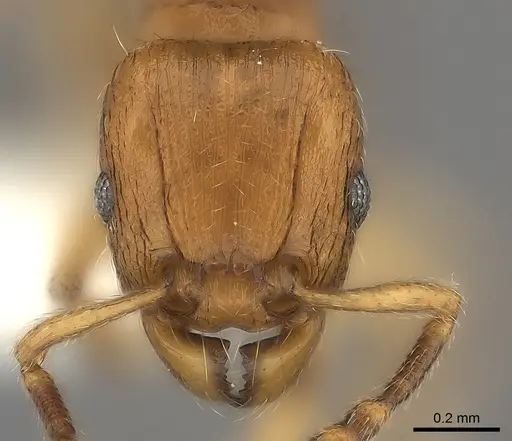
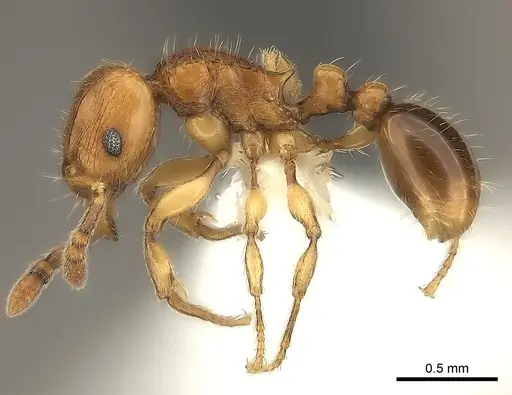
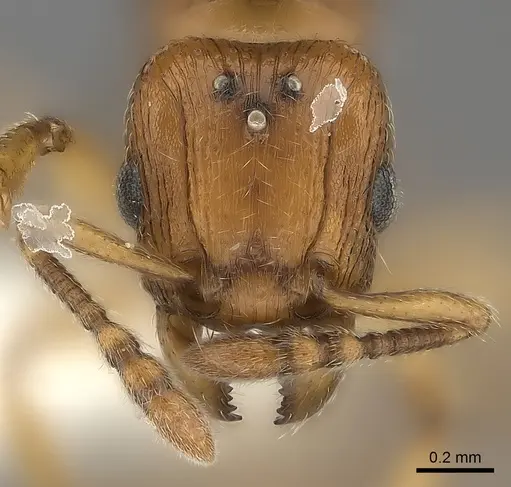
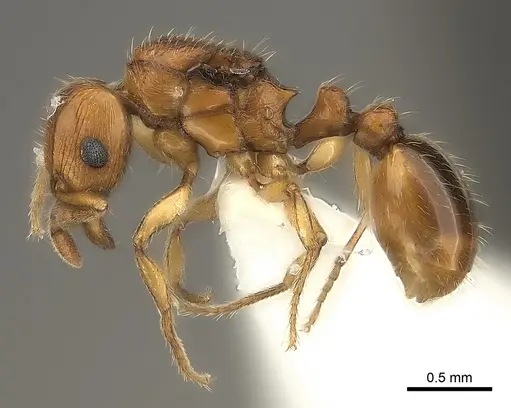
Tetramorium mackae is a tiny, yellowish ant endemic to Madagascar. Workers are very small - estimated around 2-3 mm total length - making them one of the smaller Tetramorium species . They belong to the T. dysalum group and can be recognised by their short antennal scapes, short propodeal spines, and a distinct petiolar node that is higher than wide . The species is known from only four localities in eastern Madagascar - Andriantantely, Betampona, Didy, and Sandranantitra - all in lowland rainforests between 450-960 m elevation . These ants live in leaf litter in humid rainforest environments .
Quick Summary
- Difficulty: Medium
- Origin & Habitat: Eastern Madagascar, lowland rainforests at 450-960 m elevation [1]. They live in leaf litter in humid rainforest environments [1].
- Colony Type: Colony structure is unconfirmed. Based on typical Tetramorium patterns, likely single‑queen (monogyne) colonies.
- Size & Growth:
- Queen: Unknown, no queen has been described for this species.
- Worker: ~2-3 mm total length (inferred from worker head measurements of 0.49-0.58 mm and typical Tetramorium proportions) [1].
- Colony: Likely several hundred workers, estimated from genus patterns.
- Growth: Moderate
- Development: Estimated 6-10 weeks based on related Tetramorium species (no specific data available). (Development time estimated from genus‑level data for tropical Tetramorium species.)
- Antkeeping:
- Temperature: Equatorial conditions,24-28 °C (inferred from lowland rainforest habitat) [1]. Provide a gentle gradient within the nest.
- Humidity: High humidity required, these are leaf‑litter ants from humid rainforests. Keep substrate consistently moist but not waterlogged [1][2].
- Diapause: No, as a tropical species from Madagascar, no hibernation is needed [1].
- Nesting: Leaf‑litter habitat suggests a naturalistic setup with moist soil. Y‑tong or plaster nests that retain humidity work well. They are ground‑dwelling (terricolous) and prefer dark, humid microhabitats [2].
- Behavior: These are small, generally peaceful ants that forage in leaf litter. They have a modified stinger used to smear venom onto enemies (smear defense), but they are not aggressive and pose little threat to keepers. Their tiny size makes escape prevention critical, they can squeeze through very small gaps. They are ground‑dwelling and will readily traverse the outworld searching for food.
- Common Issues: tiny size makes escape likely without fine mesh barriers, use fluon on test tube rims and seal all connections., high humidity requirements can lead to mold if ventilation is poor, ensure some airflow., wild‑caught colonies may have parasites that are difficult to treat., small colony size means they are sensitive to disturbance, limit inspection during founding.
Housing and Nest Setup
For such tiny ants, you'll need excellent escape prevention. Use test tubes for founding colonies, then transition to a Y‑tong or plaster nest once the colony reaches around 20-30 workers. Because they live in leaf litter in nature, a naturalistic setup with a moist soil layer works well. Keep the nest area humid, these ants prefer dark, humid conditions and are ground‑dwelling (terricolous) [2]. A hydration tube or water reservoir in the nest helps maintain moisture. Since they are ground‑dwelling, horizontal chambers work better than vertical ones.
Feeding and Diet
Tetramorium mackae is likely an omnivore like other members of the genus. Offer small protein sources such as fruit flies, pinhead crickets, or mealworm pieces. They also likely accept sugar sources, a small drop of honey water or sugar water can be offered occasionally. In nature, leaf‑litter ants typically eat small insects, honeydew from aphids, and decaying organic matter. Feed small amounts every 2-3 days and remove uneaten food to prevent mold.
Temperature and Humidity
As a tropical species from Madagascar's rainforests, T. mackae needs warm temperatures around 24-28 °C [1]. Room temperature is often sufficient if your home is warm, but a heating cable on one side of the nest can create a gentle gradient. Humidity is critical, keep the substrate consistently moist but not waterlogged. These ants come from humid rainforest leaf litter, so dry conditions will stress them [2]. A hydration system that slowly releases water works better than misting.
Colony Development
Based on typical Tetramorium claustral founding, queens likely seal themselves in and raise the first workers alone, living off stored fat reserves. First workers (nanitics) will be smaller than normal workers. Expect an estimated 6-10 weeks from egg to first worker at optimal temperature, this is estimated from related Tetramorium species since specific development data is not available for T. mackae. Growth is moderate, colonies may take a year or more to reach significant numbers. Be patient during founding, disturbing the queen can cause abandonment or cannibalism of brood.
Behavior and Temperament
These are peaceful, non‑aggressive ants. They forage out in the open rather than staying hidden, but their small size and peaceful nature make them suitable for observation. Their escape risk is high due to the ability to squeeze through tiny gaps, use fluon on test tube rims and ensure all connections are sealed. They possess a modified stinger used for smearing venom (smear defense) rather than piercing, but this poses no real danger to keepers.
Frequently Asked Questions
How long does it take for Tetramorium mackae to raise first workers?
Expect an estimated 6-10 weeks from egg to first worker at optimal temperature (around 24-28 °C). This is estimated from related Tetramorium species since specific development data is not available for this species.
Do Tetramorium mackae ants sting?
They have a modified stinger used to smear venom onto enemies (smear defense) rather than piercing, but they are not aggressive and pose no real danger to keepers.
What temperature do Tetramorium mackae ants need?
Keep them at 24-28 °C. They are tropical rainforest ants from Madagascar and need warm, stable temperatures [1].
Do Tetramorium mackae need hibernation?
No, they do not need hibernation. As a tropical species from Madagascar, they do not experience cold winters [1].
How big do Tetramorium mackae colonies get?
Colony size is estimated at several hundred workers based on typical Tetramorium patterns. Specific colony size data is not available for this species.
Can I keep multiple Tetramorium mackae queens together?
Combining unrelated queens is not recommended, this has not been documented for this species and could result in fighting. Single‑queen colonies are recommended.
What do Tetramorium mackae ants eat?
They likely accept small protein sources like fruit flies or tiny insects, and may occasionally take sugar sources like honey water. This is based on typical Tetramorium diet patterns.
Are Tetramorium mackae good for beginners?
They are rated as medium difficulty. Their small size and high humidity requirements make them slightly challenging for complete beginners, but they are peaceful and interesting to watch.
Why are my Tetramorium mackae escaping?
Their tiny size means they can squeeze through very small gaps. Use excellent escape prevention including fluon on test tube rims, fine mesh on outworlds, and sealed connections.
When should I move Tetramorium mackae to a formicarium?
Wait until the colony has at least 20-30 workers and is actively foraging. Moving too early can stress the colony. A Y‑tong or plaster nest with good humidity retention works well.
Report an Issue
The current care sheet is based fully on literature. See inconsistencies, or something that's incorrect? Please , it will be resolved after review from an admin. Contributing to the blogs tab also helps providing information, to make us be able to further improve the caresheets. Thank you for your support!
References

This caresheet is licensed under CC BY-SA 4.0 .
Community Blogs
CASENT0189093
View on AntWeb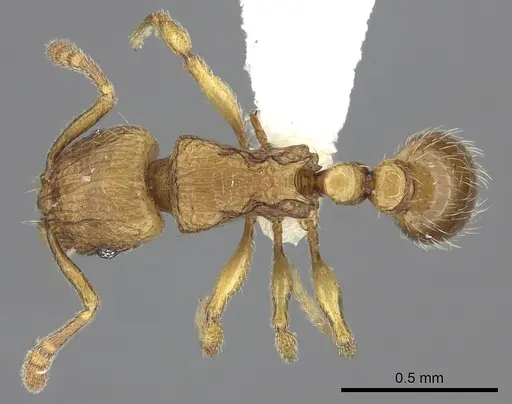
CASENT0217710
View on AntWeb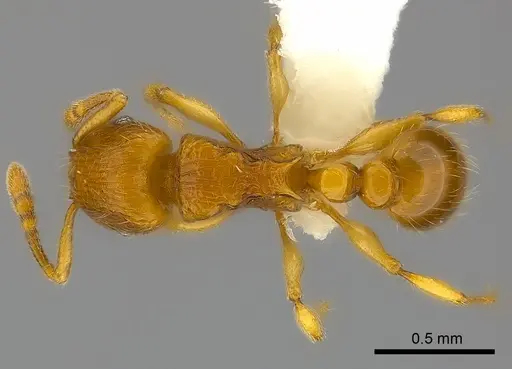
CASENT0217711
View on AntWeb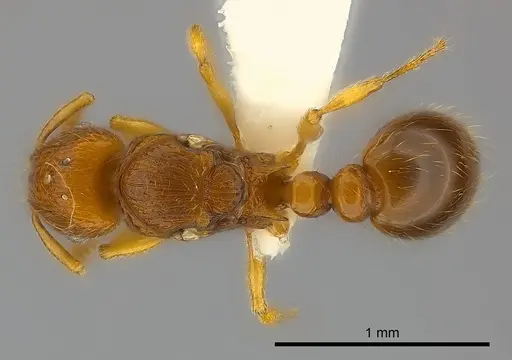
CASENT0217864
View on AntWeb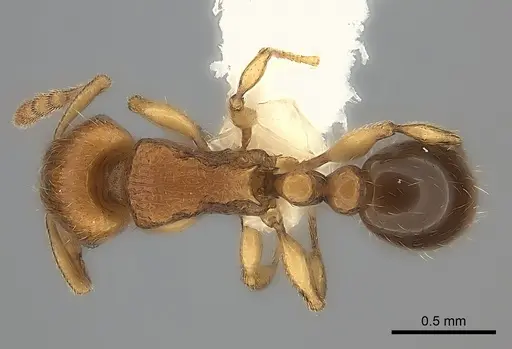
CASENT0217865
View on AntWeb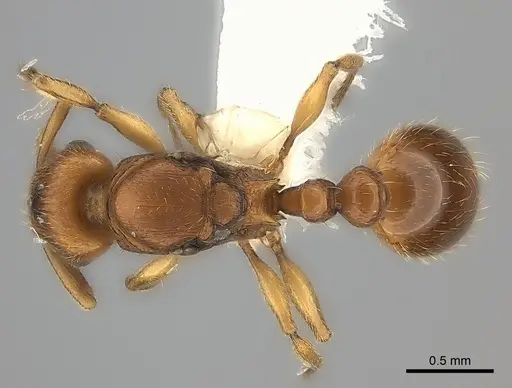
Literature
Loading distribution map...Loading products...