
Tetramorium kephalosi
- Sci. Name
- Tetramorium kephalosi
- Tribe
- Crematogastrini
- Subfamily
- Myrmicinae
- Author
- Salata & Borowiec, 2017
- Distribution
- Found in 2 countries
Introduction
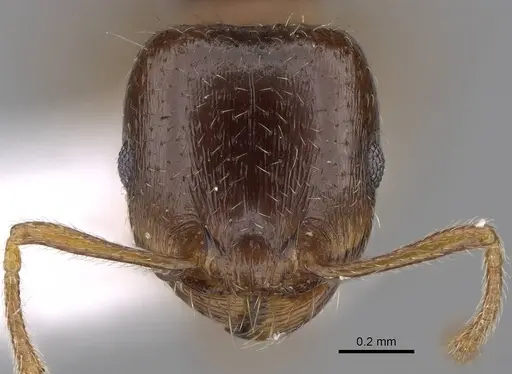
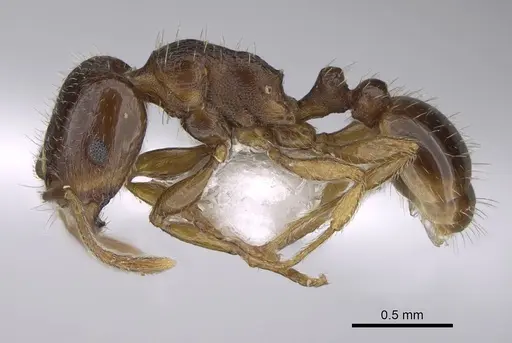
Tetramorium kephalosi is a small ant species native to the Mediterranean, first described in 2017 after being confused with Tetramorium semilaeve . Workers are yellowish-brown to brown, with a slightly longer-than-wide head and short antennae scapes. Queens are larger and brown with a slightly paler gaster. This is now the most common member of the semilaeve species-group across the Balkans, found throughout Greece, Croatia, and surrounding regions . The species is named after Kephalos, a figure from Greek mythology, referencing the island of Kephalonia where it was first identified . These ants are thermophilous (warmth-loving) and thrive in dry, sunny open habitats from sea level to over 1000 m elevation. They nest in soil, often under stones surrounded by herbs or grass, and can form colonies with either a single queen or multiple queens . In the wild, they serve as the host for the parasitic ant Tetramorium albenae .
Quick Summary
- Difficulty: Easy
- Origin & Habitat: Mediterranean region, found in all Greek provinces, Croatia, and other Balkan areas. Lives in dry, sunny open habitats including pastures, roadsides, luminous forests, and olive plantations, from sea coast up to 1090 m elevation [1][4][5].
- Colony Type: Facultatively polygynous, colonies can have a single queen (monogynous) or multiple queens (polygynous). One nest contained up to 7 queens [1][4].
- Size & Growth:
- Queen: Size data unavailable (only head measurements exist in literature) [1]
- Worker: Size data unavailable (only head measurements exist in literature) [1]
- Colony: Unknown (not documented in research) [1]
- Growth: Unknown (likely moderate based on genus patterns) [1]
- Development: Unknown (not studied for this species) [1] (Development time has not been documented. Estimates from related species are unreliable.)
- Antkeeping:
- Temperature: Keep at 22-26°C, they are thermophilous ants from the Mediterranean. Room temperature (20-24°C) works, but avoid extended periods below 15°C [5][1].
- Humidity: Low to moderate, these ants prefer dry conditions. Allow the nest substrate to dry out between waterings, but keep a small damp area available for brood development [1][5].
- Diapause: Unknown, diapause requirements are not documented for this species. As a Mediterranean species, they likely do not require true hibernation, but a brief cool period (15-18°C) may be optional [5].
- Nesting: Nests in soil under stones in the wild. A Y-tong (AAC), plaster, or soil nest works well in captivity. Avoid constantly wet setups. Test tubes are suitable for founding colonies [1][5].
- Behavior: These ants are generally peaceful and not aggressive toward keepers. Workers are small and active foragers that hunt small insects and tend aphids for honeydew. Their primary defense is using a modified stinger to smear venom rather than pierce, stings are rare and harmless due to their tiny size. Escape risk is high due to their small size, use fluon or tight barriers. They are most active in warm months and may slow down in cooler conditions [1][5].
- Common Issues: very small size means escapes are likely without proper barriers, use fluon or tight-fitting lids, overly damp conditions can kill the colony, they prefer dry Mediterranean conditions, wild-caught colonies may carry parasites that can devastate a captive colony, confusion with similar species like Tetramorium semilaeve, ensure correct identification using male genitalia or worker details, multi-queen colonies may have initial queen aggression, introduce queens before egg-laying
Housing and Nest Setup
In the wild, Tetramorium kephalosi nests in soil under stones, often in sunny, open spots [1][5]. For captivity, a naturalistic setup with a soil layer and flat stone works well. For easier observation, use a Y-tong (AAC) or plaster nest. They prefer dry conditions, so avoid setups that stay constantly wet. A test tube setup works fine for founding, keep the water chamber moderate and let the cotton dry between refills. Because they are very small, ensure excellent escape prevention: use fluon on container rims and fine mesh on ventilation holes [1][5].
Feeding and Diet
Like most Tetramorium species, these ants are generalist feeders. Offer protein sources such as small insects (fruit flies, pinhead crickets, mealworms). Provide carbohydrates as sugar water, honey, or honeydew. They will also scavenge dead insects. For a founding colony, feed small amounts: a drop of honey and a tiny insect fragment every few days. As the colony grows, offer protein 2-3 times per week and keep sugar water available constantly. Their tiny size means prey should be appropriately small [1].
Temperature and Seasonal Care
Tetramorium kephalosi is thermophilous and prefers warm conditions around 22-26°C [5]. Room temperature (20-24°C) is suitable. A small heating cable on one side of the nest can create a gradient if needed. In their natural Mediterranean habitat, they experience mild winters. Diapause requirements are not documented, so a brief cool period (15-18°C for 2-3 months) is optional but may help synchronize seasonal activity. Avoid temperatures below 10°C [1][5].
Colony Structure and Queen Care
This species is facultatively polygynous: colonies can have one or multiple queens. In the wild, nests have been found with up to 7 queens [1][4]. Founding behavior is unconfirmed in the literature, but based on typical Myrmicinae patterns, the queen likely seals herself in a claustral chamber and raises the first workers using stored reserves. If keeping multiple queens, introduce them before egg-laying to reduce aggression. Once workers emerge, the colony grows steadily [1].
Growth and Development
Development time from egg to worker has not been studied for this species. Based on related Tetramorium species, the process may take 6-8 weeks under warm conditions, but this is speculative. The first workers (nanitics) are typically smaller than subsequent workers. Colony growth rate is not documented, expect slow to moderate growth until the colony reaches a stable size. Long-term colony size is unknown [1].
Identification and Similar Species
Tetramorium kephalosi was separated from Tetramorium semilaeve in 2017. Reliable identification requires examining male genitalia or detailed worker morphometrics. Workers of T. kephalosi have a slightly concave occipital margin and are usually darker (yellowish-brown to brown) than true T. semilaeve, which tends to be yellow. Related species like Tetramorium galaticum and Tetramorium bellerophoni are paler (yellow), while Tetramorium hippocrate is much darker (dark brown to black). If you obtained ants from the Balkans or Greece, they are almost certainly T. kephalosi rather than the true T. semilaeve, which is restricted to the western Mediterranean [1][2][8].
Frequently Asked Questions
How long does it take for Tetramorium kephalosi to raise first workers?
This is not documented for the species. Based on related Tetramorium, it may take about 6-8 weeks under warm conditions (24-26°C), but this is conjecture. The queen seals herself in during founding and lives off stored fat until first workers emerge [1].
Can I keep multiple Tetramorium kephalosi queens together?
Yes, this species is facultatively polygynous. Colonies can have single or multiple queens. Wild nests have been found with up to 7 queens. When combining unrelated foundresses, introduce them before egg-laying and monitor for initial aggression [1][4].
What temperature do Tetramorium kephalosi ants need?
Keep them warm at 22-26°C. They are thermophilous ants from the Mediterranean and handle heat well. Room temperature (20-24°C) is suitable. Avoid extended periods below 15°C [5][1].
Do Tetramorium kephalosi ants sting?
They have a stinger but rarely use it on keepers. Their defense mechanism is smearing venom rather than piercing, and due to their tiny size, any sting is harmless. Handle them gently and they pose no danger [1].
How big do Tetramorium kephalosi colonies get?
Colony size has not been studied. Related Tetramorium species can reach several thousand workers, but this is unconfirmed for T. kephalosi. Expect slow to moderate growth, colony size at maturity is unknown [1].
What do Tetramorium kephalosi eat?
They are generalist feeders. Offer small insects (fruit flies, pinhead crickets, mealworms) as protein 2-3 times per week. Provide constant access to sugar water, honey, or honeydew. They also scavenge dead insects and tend aphids for honeydew in the wild [1].
Are Tetramorium kephalosi good for beginners?
Yes, they are considered easy to keep. They are small but hardy, tolerate a range of temperatures, and accept common ant foods. Their main requirements are warmth and dry conditions. Escape prevention is critical due to their tiny size [5].
Do Tetramorium kephalosi need hibernation?
Probably not, as a Mediterranean species, they likely do not require true hibernation. A brief cool period (15-18°C) for 2-3 months during winter may be beneficial but is not strictly necessary. Diapause has not been documented [5].
Why are my Tetramorium kephalosi dying?
Common causes include overly damp conditions (they prefer dry), temperatures below 15°C, mold from improper humidity, or parasites from wild-caught colonies. Ensure the nest dries between waterings, keep warmth above 20°C, and quarantine wild-caught colonies before introducing to established setups. Small colonies are vulnerable to stress during founding [1][5].
When should I move my Tetramorium kephalosi to a formicarium?
Wait until the colony outgrows the test tube, typically after several dozen workers. Moving too early stresses the colony. Connect the test tube to the formicarium and let them move on their own schedule. There are no documented guidelines for this species [1].
Is my ant actually Tetramorium kephalosi or Tetramorium semilaeve?
If your ants came from Greece, Croatia, or the Balkans, they are almost certainly T. kephalosi. True T. semilaeve is found only in the western Mediterranean (Spain, France, Italy). T. kephalosi was separated from T. semilaeve in 2017. Workers of T. kephalosi are usually yellowish-brown to brown, while T. semilaeve tends to be yellow [1][2].
Report an Issue
The current care sheet is based fully on literature. See inconsistencies, or something that's incorrect? Please , it will be resolved after review from an admin. Contributing to the blogs tab also helps providing information, to make us be able to further improve the caresheets. Thank you for your support!
References

This caresheet is licensed under CC BY-SA 4.0 .
Community Blogs
CASENT0922695
View on AntWeb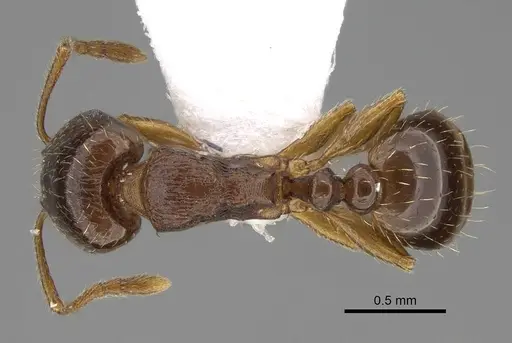
Literature
Loading distribution map...Loading products...