
Tetramorium karthala
- Sci. Name
- Tetramorium karthala
- Tribe
- Crematogastrini
- Subfamily
- Myrmicinae
- Author
- Hita Garcia & Fisher, 2014
- Distribution
- Found in 1 countries
Introduction
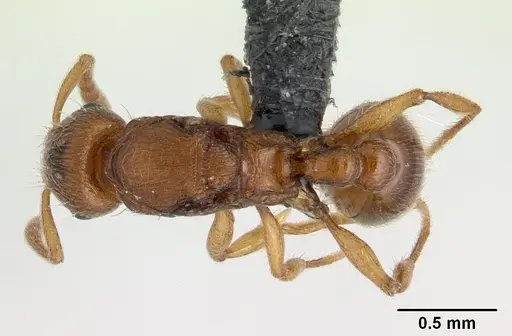
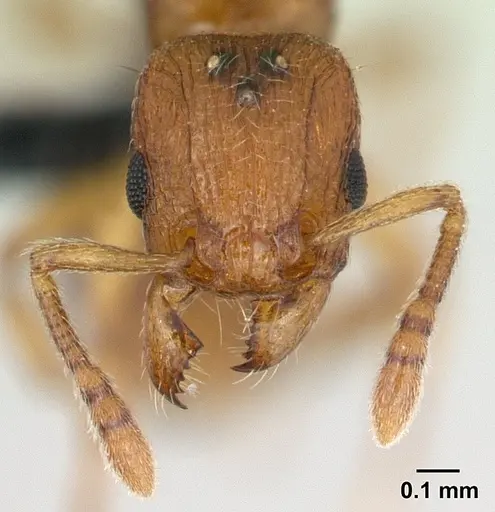
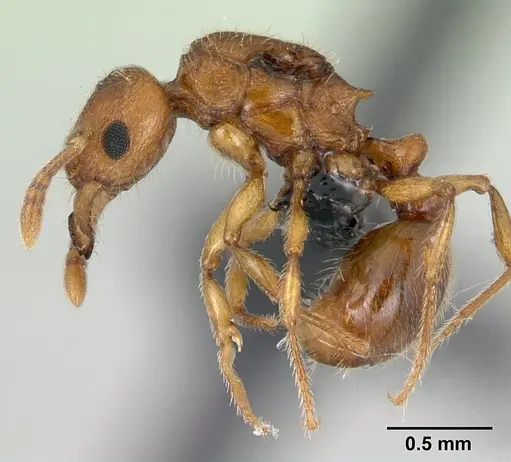
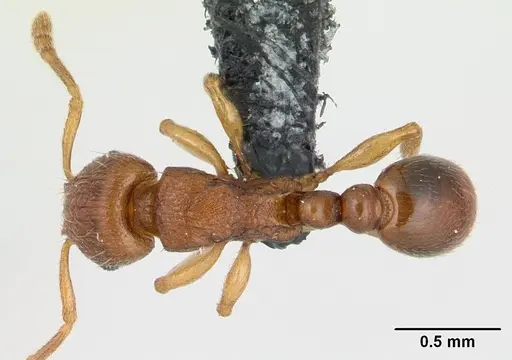
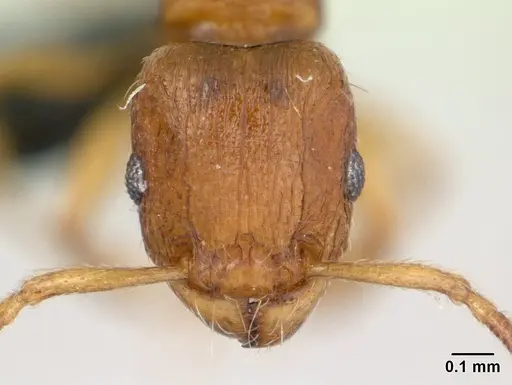
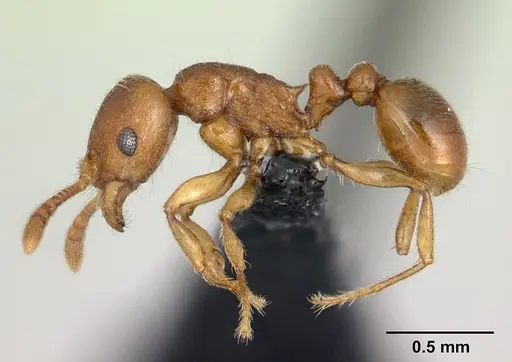
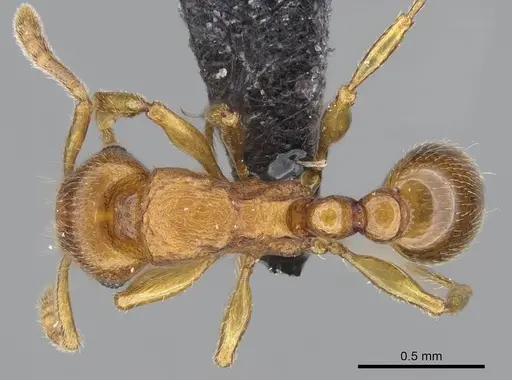
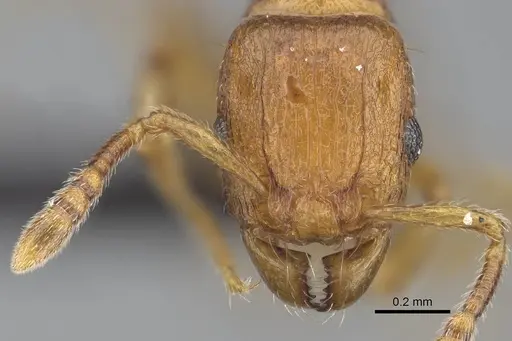
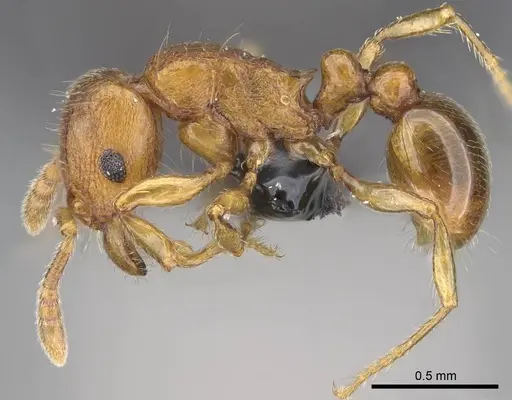
Tetramorium karthala is a very tiny ant species, among the smallest in the genus Tetramorium . Workers have very large eyes and distinctive long standing hairs on the pronotum and mesonotum, with a rounded high nodiform petiolar node . This species belongs to the T. cognatum species complex within the T. schaufussii species group . It is endemic only to the montane rainforest of Karthala Forest on Mount Karthala volcano on Grande Comore island, at elevations between 1000-1125 m - making it the first described Tetramorium species endemic to any Comorian island . The species was only discovered and described in 2014,so it remains one of the more recently described and less-studied ant species in the hobby .
Quick Summary
- Difficulty: Medium
- Origin & Habitat: Endemic to Grande Comore, Comoros Islands, specifically Karthala Forest on Mount Karthala volcano at 1000-1125 m elevation in montane rainforest [1][2]. In the wild, they live in leaf litter, under moss, and within rotten logs [1].
- Colony Type: Unconfirmed, no published data on colony structure. Based on typical Tetramorium patterns, likely single-queen (monogyne) colonies [2].
- Size & Growth:
- Queen: Not described in scientific literature [1]
- Worker: Size data unavailable, no total length recorded. Workers are extremely small (head width ~0.5 mm) [1]
- Colony: Unknown [1]
- Growth: Unknown, likely moderate based on genus patterns
- Development: Unknown, estimated 6-10 weeks based on small Tetramorium species at optimal temperature (Direct development data unavailable for this species, estimates based on genus-level patterns for small Myrmicinae)
- Antkeeping:
- Temperature: Keep around 20-24°C, this species comes from montane rainforest at 1000-1125 m elevation, suggesting preference for cooler, stable conditions compared to lowland tropical species. Avoid overheating.
- Humidity: High humidity required, montane rainforest habitat with leaf litter and moss indicates consistently moist conditions [1]. Keep nest substrate damp but not waterlogged.
- Diapause: Unknown, no published data on overwintering requirements. Grande Comore has mild tropical climate year-round, so diapause may not be required.
- Nesting: Provide moist substrate with multiple chambers, they naturally nest in rotting wood and leaf litter [1]. Y-tong (AAC) nests or plaster nests work well for this tiny species. Keep the nest setup humid and ensure the colony can expand into multiple chambers as it grows.
- Behavior: These ants are tiny and very active for their size. They are likely generalist foragers, hunting small prey and collecting honeydew like other Tetramorium species. Their very small size means escape prevention must be excellent, they can squeeze through tiny gaps. Workers likely show typical Tetramorium aggression when defending the nest. Like other Myrmicinae, they have a stinger, but their primary defense is ‘smearing’, they use a modified spatulate stinger to wipe venom onto enemies rather than piercing. Activity level is likely high year-round given their tropical origin.
- Common Issues: escape prevention is critical due to their extremely tiny size, use fine mesh barriers and tight-fitting lids, high humidity requirements can lead to mold problems if ventilation is inadequate, lack of species-specific care data means you are essentially pioneering husbandry for this species, wild-caught colonies may carry parasites or diseases not yet documented in scientific literature, slow growth and tiny size make them vulnerable to stress from overhandling or frequent nest disturbances
Housing and Nest Setup
For this tiny species, you will need a nest setup scaled to their minute size. Y-tong (AAC) nests or plaster nests work well because they hold humidity effectively and provide appropriately sized chambers. The nest should have multiple connected chambers to accommodate colony growth. Given their natural habitat in rotting wood and leaf litter at 1000-1125 m elevation, aim for consistently moist substrate conditions, think damp forest floor rather than dry [1]. Place the nest in a quiet location with minimal vibration and disturbance. The outworld should be small and escape-proof since these ants are extremely tiny and can slip through gaps that would not concern larger species.
Feeding and Diet
Tetramorium karthala will likely accept the standard ant diet of small protein sources and sugar water. Offer small live prey such as flightless fruit flies, springtails, or tiny crickets, prey should be appropriately sized for these minute workers. Sugar water, honey, or diluted honey water should be provided regularly. Given their montane rainforest origin, they may have higher humidity needs but standard feeding protocols for small tropical ants should work. Observe your colony's preferences and adjust accordingly. Remove uneaten prey after 24-48 hours to prevent mold issues in the humid setup.
Temperature and Humidity
Keep the nest at approximately 20-24°C, this is cooler than typical tropical ants because they come from montane rainforest at 1000-1125 m elevation on Grande Comore [1]. Avoid temperatures above 26°C. A gentle temperature gradient allows the colony to self-regulate. Humidity should be high: maintain damp substrate without creating standing water. The nest material should feel consistently moist to the touch. Mist the outworld occasionally but avoid direct misting of the nest. Good ventilation is essential to prevent mold while maintaining humidity, this balance is crucial for success with this species.
Colony Establishment
Since this species was only described in 2014 and has never been kept in captivity before, you will be pioneering its husbandry [1]. If acquiring a colony, wild-caught foundling colonies are the most likely source. The queen likely seals herself in a small chamber during founding (claustral behavior) and raises the first workers alone, as is typical for Tetramorium. First workers (nanitics) will be very small. Growth rate is unknown but likely moderate, be patient and do not disturb the founding chamber. Monitor for signs of stress and adjust conditions gradually based on colony behavior. Document your observations carefully as they will contribute valuable information to the antkeeping community.
Escape Prevention
This is absolutely critical for T. karthala. At just over half a millimeter in head width, these ants are among the smallest you can keep and can squeeze through gaps that are virtually invisible to the human eye [1]. Use fluon (ant escape prevention liquid) on all rim edges. Use fine mesh (at least 0.5 mm or smaller) on any ventilation holes. Check all connections between the nest and outworld. Even a tiny crack that seems insignificant to you can be an open highway for these ants. When feeding, do so in a contained outworld area and return to a secure setup quickly. Never leave the setup unattended with any gap larger than a millimeter.
Frequently Asked Questions
How long does it take for Tetramorium karthala to develop from egg to worker?
Exact development time is unconfirmed for this species, but based on typical Tetramorium patterns, expect approximately 6-10 weeks from egg to first worker at optimal temperature (around 20-24°C).
Are Tetramorium karthala ants good for beginners?
No, this species is not recommended for beginners. It was only described in 2014 and has never been kept in captivity before, meaning there is no established care protocol [1]. Additionally, their extremely tiny size requires expert-level escape prevention and humidity management.
Do Tetramorium karthala ants sting?
As a Myrmicinae species, they have a functional stinger and can sting if threatened. However, given their tiny size (head width ~0.5 mm), any sting would be extremely mild and barely noticeable to humans [1].
What do Tetramorium karthala ants eat?
They likely accept small live prey (fruit flies, springtails, tiny crickets) and sugar sources (honey water, sugar water) like other Tetramorium species. Offer appropriately sized prey items that these tiny workers can subdue.
Can I keep multiple queens together in a Tetramorium karthala colony?
This has not been documented. Based on typical Tetramorium behavior, they likely form single-queen colonies [2]. Combining unrelated queens is not recommended without documented evidence that they can coexist peacefully.
How big do Tetramorium karthala colonies get?
Colony size is unconfirmed for this species. Based on their tiny worker size, colonies likely remain small to moderate, probably under 500 workers at maturity.
Do Tetramorium karthala ants need hibernation?
Diapause requirements are unknown. Grande Comore has a mild tropical climate year-round, so hibernation may not be necessary. Observe your colony's activity patterns and adjust care accordingly.
What is the best nest type for Tetramorium karthala?
Y-tong (AAC) nests or plaster nests work well, they hold humidity effectively and have chambers appropriately sized for these tiny ants. The nest should be kept consistently humid to match their montane rainforest origin.
Why are my Tetramorium karthala ants escaping?
Their extremely small size (head width ~0.5 mm) means they can escape through virtually invisible gaps [1]. Review all connections, use fluon on rim edges, and ensure any ventilation mesh is 0.5 mm or smaller. Even a millimeter-wide gap is an open door for them.
Where is Tetramorium karthala found in the wild?
This species is endemic only to Karthala Forest on Mount Karthala volcano on Grande Comore island in the Comoros, at elevations of 1000-1125 m in montane rainforest [1][2]. It is the first described Tetramorium species endemic to any Comorian island.
Report an Issue
The current care sheet is based fully on literature. See inconsistencies, or something that's incorrect? Please , it will be resolved after review from an admin. Contributing to the blogs tab also helps providing information, to make us be able to further improve the caresheets. Thank you for your support!
References

This caresheet is licensed under CC BY-SA 4.0 .
Community Blogs
Literature
Loading distribution map...Loading products...