
Tetramorium jordani
- Sci. Name
- Tetramorium jordani
- Tribe
- Crematogastrini
- Subfamily
- Myrmicinae
- Author
- Santschi, 1937
- Distribution
- Found in 2 countries
Introduction
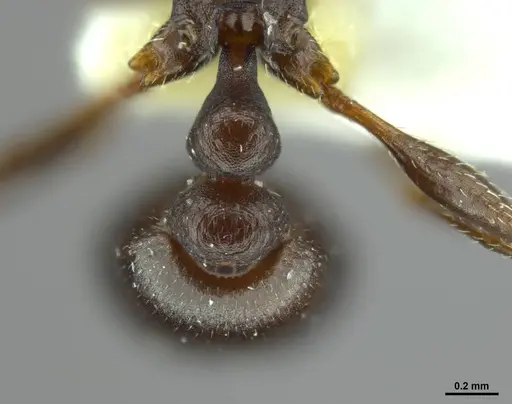
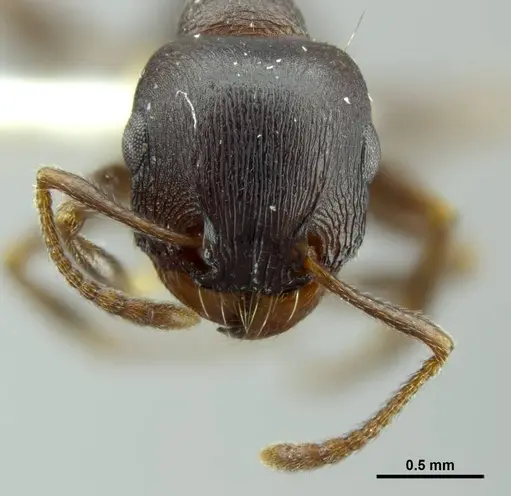
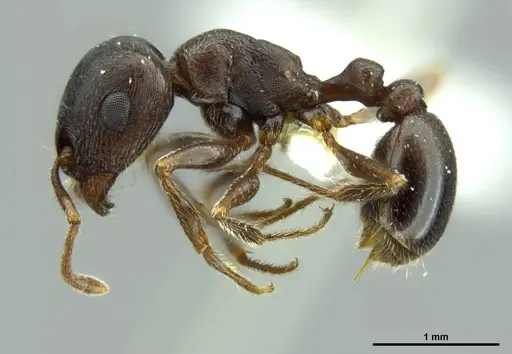
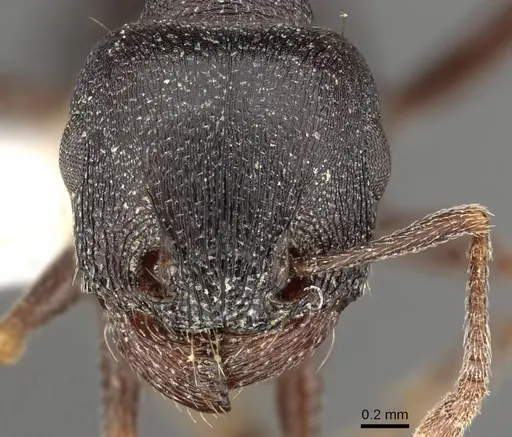
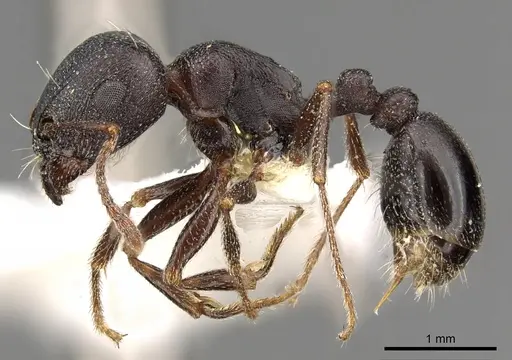
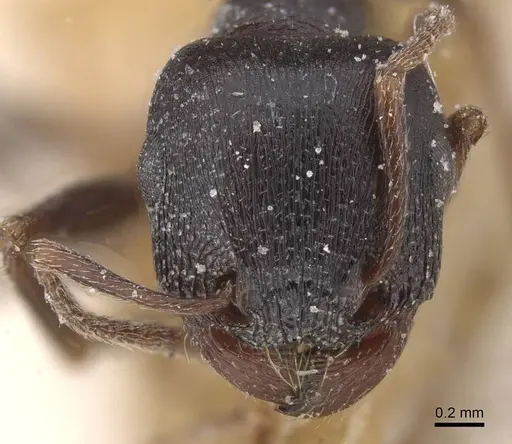
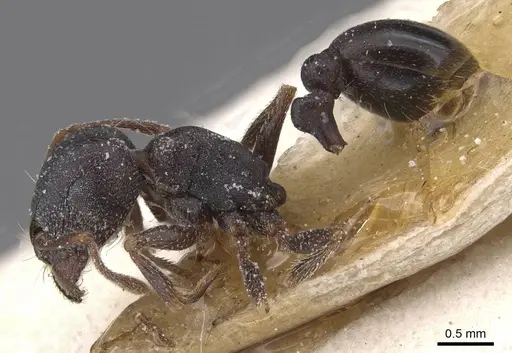
Tetramorium jordani is a medium-sized seed harvester ant native to the arid regions of southern Africa, specifically South Africa’s Western Cape and Northern Cape provinces, as well as Namibia . Workers measure 5.3–5.8mm in total length, with a distinctive black to blackish-brown coloration and a completely hairless body – a unique trait that sets this species apart from others in the Tetramorium solidum group . Unlike most Tetramorium species, T. jordani lacks propodeal spines, with the propodeum being only mildly angulated . This species is a confirmed seed eater, collecting and storing seeds as its primary food source .
Quick Summary
- Difficulty: Easy
- Origin & Habitat: Arid regions of South Africa (Western Cape and Northern Cape) and Namibia. Found in Succulent Karoo, Namib Desert, Lowland Fynbos and Renosterveld, Montane Fynbos and Renosterveld, and Nama Karoo habitats [1][3].
- Colony Type: Colony structure is unconfirmed. Based on typical Tetramorium patterns, likely monogyne (single queen) colonies.
- Size & Growth:
- Queen: size data unavailable
- Worker: 5.3–5.8mm total length [2]
- Colony: Unknown – no colony size data available [1][3]
- Growth: Moderate – inferred from typical Tetramorium development
- Development: Estimated 6–8 weeks based on typical Tetramorium genus patterns (Development timeline not directly studied for this species. Estimate based on related seed harvester ants.)
- Antkeeping:
- Temperature: Keep warm, between 22–26°C. As an arid-adapted species from southern Africa, they prefer stable warmth with a mild gradient.
- Humidity: Low to moderate. Keep nest substrate dry to slightly moist but never wet. These are arid-adapted ants that nest in sandy soils. Provide a water source in the outworld but avoid wetting the nest substrate [1][3].
- Diapause: Not required. This species originates from subtropical/tropical arid regions and does not experience true hibernation. Maintain active temperatures year-round.
- Nesting: Sandy soil nests with tunnel systems. In captivity, use a sandy soil mix (70% sand,30% clay) or Ytong nest with sand-filled chambers. Provide substrate that allows tunnelling [1][3].
- Behavior: Peaceful seed harvester. Workers forage actively during warm periods. Not aggressive toward keepers. Medium size (5–6mm) makes containment easy with standard barriers. They are diurnal foragers, most active when temperatures are warmest.
- Common Issues: dry substrate is essential – too much moisture causes mold and colony stress, as a seed harvester, they need a varied seed diet alongside protein, colonies may be slow to establish initially – patience is key
Housing and Nest Setup
Tetramorium jordani nests naturally in sandy soils, constructing tunnels with crust-like walls to prevent sand collapse [1][3]. In captivity, provide a nest with sandy substrate or a Ytong/plaster nest with sand-filled chambers. The key is using a sandy, well-draining mix that holds its shape when tunnels are dug. A naturalistic setup with a sand-soil mixture works best – aim for about 70% sand and 30% clay/soil binder. The outworld should include areas for seed storage and foraging. Use a water tube for humidity, but avoid wetting the nest substrate excessively.
Feeding and Diet
T. jordani is a confirmed seed harvester – seeds make up their primary diet in the wild [1][3]. In captivity, offer a variety of small seeds suitable for their size. Grass seeds, millet, and commercial ant seed mixes work well. They also accept protein sources like small insects (fruit flies, small mealworms, crickets) and can be offered honey or sugar water occasionally. Provide seeds constantly in the outworld, and protein 2–3 times per week. Remove uneaten seeds periodically to prevent mold.
Temperature and Seasonal Care
As an arid-adapted species from southern Africa, T. jordani prefers warmer temperatures. Keep the nest area at 22–26°C, with a slight gradient allowing workers to choose their preferred temperature. A heating cable on one side of the nest can help maintain warmth, but always provide unheated areas for escape from heat. During winter, a slight reduction to room temperature (around 18–20°C) is acceptable, but true hibernation is not required. Avoid temperatures below 15°C. These ants are active year-round in captivity when kept warm.
Colony Establishment
Since colony structure and founding behavior have not been directly documented for this species, follow general Tetramorium guidelines. If the queen is claustral (which is typical but not confirmed), she will seal herself in a chamber and live off stored fat until her first workers (nanitics) emerge. Provide the founding queen with a small chamber filled with damp sand in a dark, quiet place. Once workers emerge, they will begin foraging and expanding the nest. Colony growth is typically moderate – expect a handful of workers within the first few months under good conditions. Be patient during the founding phase as this species can be slow to establish.
Behavior and Foraging
Workers of T. jordani are active foragers that collect seeds and bring them back to the nest for storage [1][3]. They nest in sandy soils with characteristic crater-shaped entrances [1][3]. In captivity, you will observe workers actively patrolling the outworld searching for food. They are not aggressive and can be observed easily during nest maintenance. Their medium size (5–6mm) makes them relatively easy to work with, and standard escape prevention measures are sufficient. They are diurnal foragers, most active during daylight hours when temperatures are warmest.
Frequently Asked Questions
What do Tetramorium jordani ants eat?
They are seed harvester ants – their primary diet in the wild consists of seeds [1][3]. In captivity, offer a variety of small seeds (grass seeds, millet, commercial ant seed mixes) along with occasional protein sources like small insects. They may also accept sugar water or honey.
How long does it take for Tetramorium jordani to raise first workers?
The exact development timeline has not been studied for this species. Based on typical Tetramorium patterns, expect approximately 6–8 weeks from egg to worker at optimal temperature (22–26°C). Founding colonies may take longer as the queen raises her first brood alone.
What size are Tetramorium jordani workers?
Workers measure 5.3–5.8mm in total length [2]. They are medium-sized ants, larger than many common Tetramorium species.
Do Tetramorium jordani ants need hibernation?
No – being from subtropical/tropical arid regions of southern Africa, they do not experience true hibernation. A slight cooling during winter months to around 18–20°C is acceptable, but temperatures below 15°C should be avoided.
What type of nest is best for Tetramorium jordani?
They naturally nest in sandy soils with tunnel systems [1][3]. In captivity, a naturalistic setup with a sandy substrate mix (70% sand,30% clay binder) works best. Ytong nests with sand-filled chambers or naturalistic setups are suitable alternatives.
Where is Tetramorium jordani found in the wild?
This species is native to arid regions of southern Africa, specifically South Africa’s Western Cape and Northern Cape provinces, as well as Namibia [1][3]. They inhabit environments including Succulent Karoo, Namib Desert, and various fynbos and karoo habitats.
Are Tetramorium jordani ants good for beginners?
Yes – they are considered an easy species to keep. They are peaceful, seed-eating ants that don't require complex care. The main requirements are warm temperatures (22–26°C), dry to slightly moist sandy substrate, and a seed-based diet. Their moderate size also makes them easy to house and observe.
Do Tetramorium jordani ants have a queen?
Yes, like all ants they have queens, but detailed colony structure (monogyne vs polygyne) has not been documented in scientific literature. Based on typical Tetramorium patterns, they likely form single-queen colonies.
How do Tetramorium jordani nests look in the wild?
They nest in sandy soils, typically at the base of plants or with the entrance in the open away from plants [1][3]. The nest entrance usually has a characteristic crater of soil around it. In sand dunes of the Namib Desert, tunnels have crust-like walls to prevent sand collapse, and the entrance is funnel-shaped due to the crust-like lining.
Can I keep Tetramorium jordani in a test tube?
Test tubes can work for founding colonies, but a more suitable setup for established colonies would be a naturalistic formicarium with sandy substrate. These ants need space to dig tunnels and store seeds, which a standard test tube setup cannot provide. A sandy soil nest or Ytong with sand chambers is recommended once the colony reaches 20+ workers.
Report an Issue
The current care sheet is based fully on literature. See inconsistencies, or something that's incorrect? Please , it will be resolved after review from an admin. Contributing to the blogs tab also helps providing information, to make us be able to further improve the caresheets. Thank you for your support!
References

This caresheet is licensed under CC BY-SA 4.0 .
Community Blogs
CASENT0248475
View on AntWeb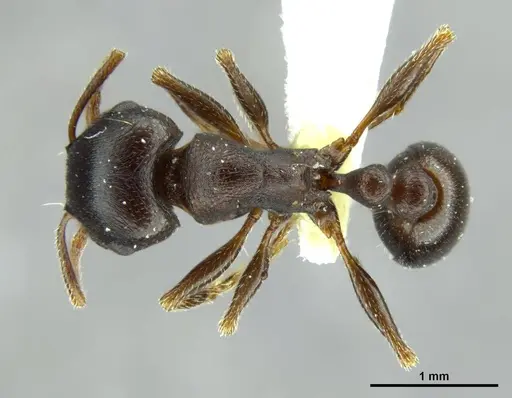
CASENT0813028
View on AntWeb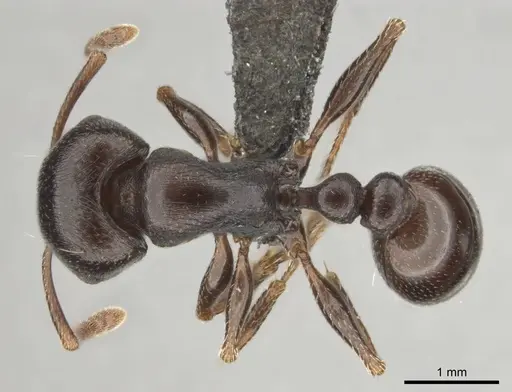
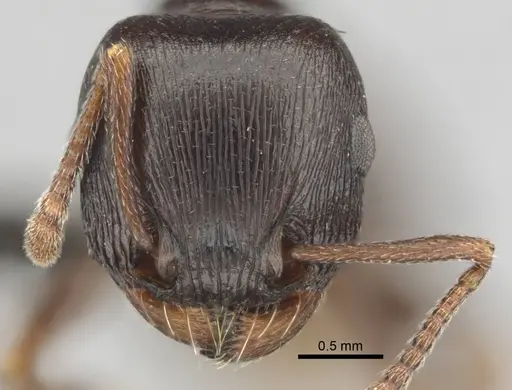
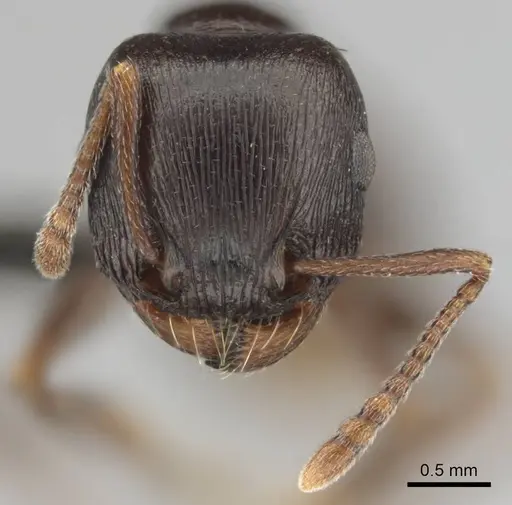
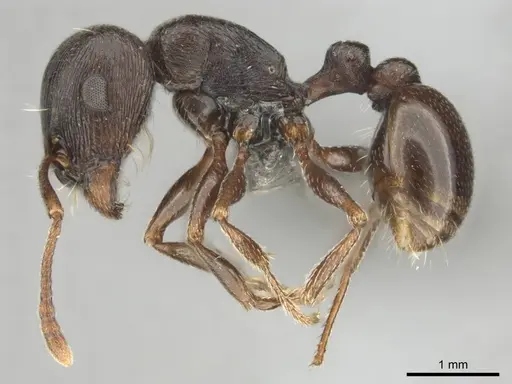
CASENT0901180
View on AntWeb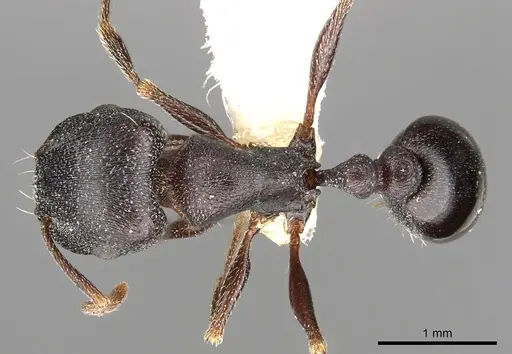
CASENT0915021
View on AntWeb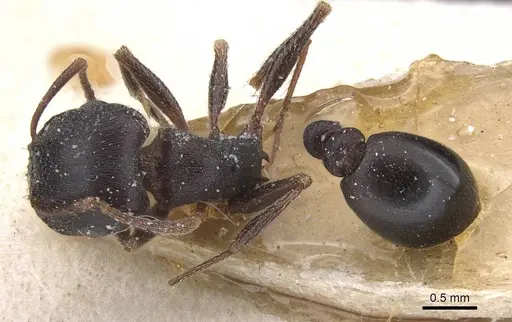
Literature
Loading distribution map...Loading products...