
Tetramorium inezulae
- Sci. Name
- Tetramorium inezulae
- Tribe
- Crematogastrini
- Subfamily
- Myrmicinae
- Author
- Forel, 1914
- Distribution
- Found in 7 countries
Introduction
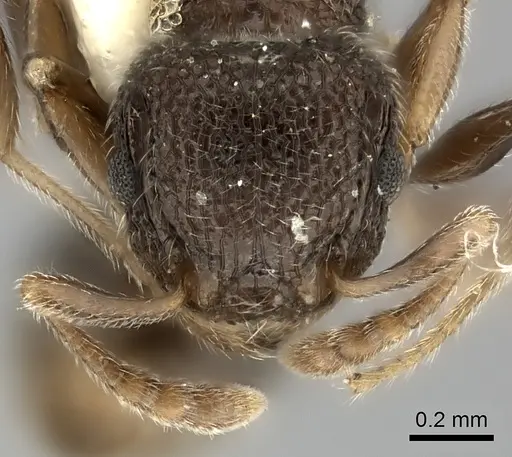
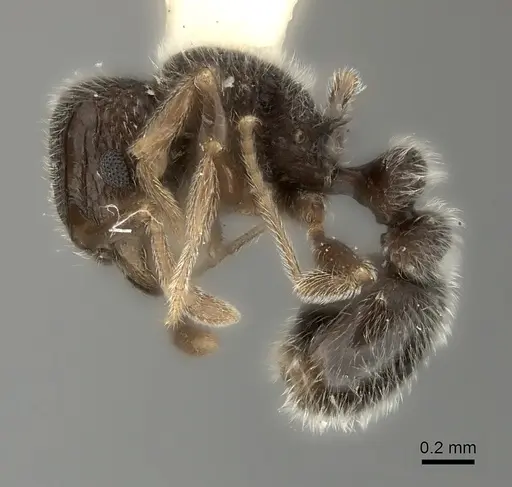
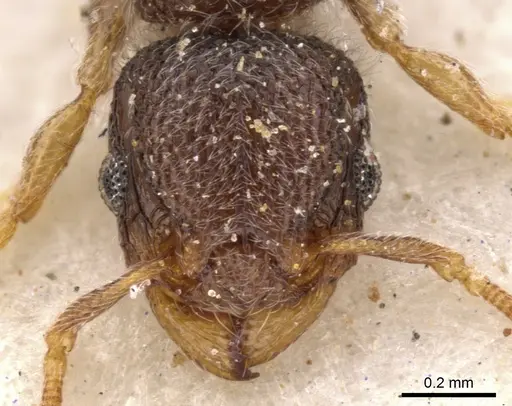
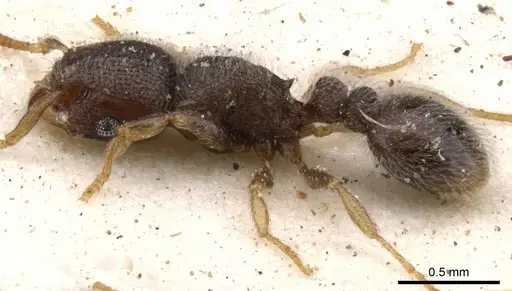
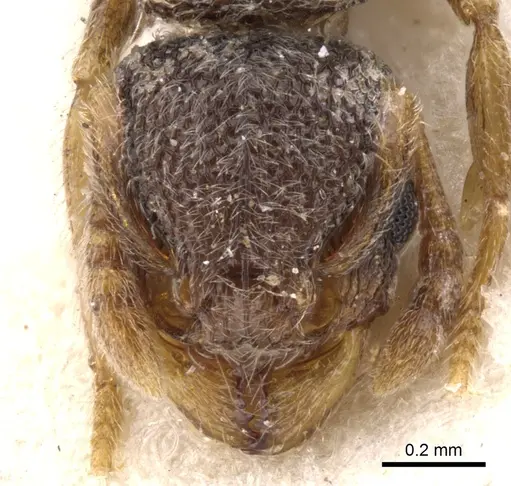
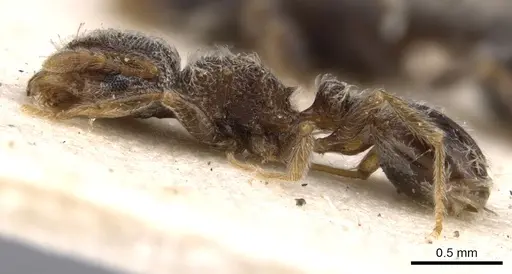
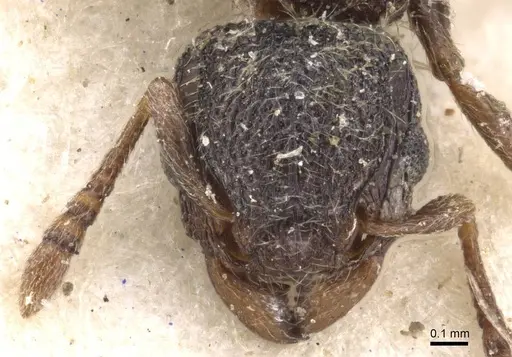
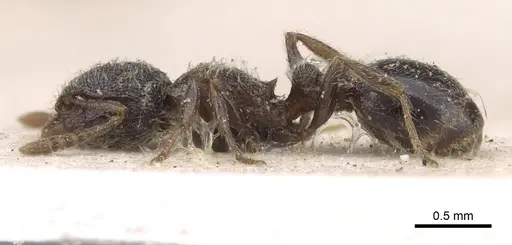
Tetramorium inezulae is a small myrmicine ant from the Afrotropical region. It has been recorded in South Africa, Zimbabwe, Zambia, Tanzania, the Democratic Republic of Congo , and recently in Rwanda's Akagera National Park . The species was originally described as Triglyphothrix inezulae by Forel in 1914 and later moved to Tetramorium . It inhabits savannah and forest-edge habitats. No specific measurements are available for workers or queens.
Quick Summary
- Difficulty: Easy
- Origin & Habitat: Afrotropical region: South Africa, Zimbabwe, Zambia, Tanzania, Democratic Republic of Congo [1], and Rwanda [2]. Lives in savannah and forest-edge environments.
- Colony Type: Colony structure is unconfirmed. Most Tetramorium species are monogyne (single queen), but this has not been verified for T. inezulae.
- Size & Growth:
- Queen: No specific size data available.
- Worker: No specific size data available, based on related Tetramorium species, workers are typically around 2-3 mm.
- Colony: Unknown.
- Growth: Unknown.
- Development: Unknown. (No development data is available for this species.)
- Antkeeping:
- Temperature: As a tropical African species, a warm environment (around 22-28°C) is likely suitable. Avoid temperatures below 18°C or above 30°C.
- Humidity: Moderate to high humidity. Keep the nest substrate slightly moist but not waterlogged.
- Diapause: No data on diapause. As a tropical species, it likely does not require a hibernation period.
- Nesting: Based on antkeeping experience with similar Tetramorium, they accept test tubes, Y-tong (AAC) nests, or naturalistic soil setups. In the wild, they nest in soil or under stones [3].
- Behavior: Generally non-aggressive toward humans. Workers are active foragers. Their small size makes them good escape artists – use fine mesh (0.5 mm or smaller) on ventilation. Defense is by smearing venom onto attackers using a modified stinger (typical of Myrmicinae-Crematogastrini).
- Common Issues: escape prevention is critical due to tiny size – can squeeze through standard barriers., limited specific care data means you must monitor colony response and adjust conditions based on general tetramoriine needs., wild-caught colonies may carry parasites.
Housing and Nest Setup
Tetramorium inezulae can be kept in simple setups. Use a test tube for founding a colony – a small diameter tube is fine because the ants are tiny. For the outworld, a small foraging box with a water source and food dish works. Because of their size, seal all connections with fine mesh (0.5 mm or smaller) to prevent escapes. When the colony grows, transition to a Y-tong (AAC) nest or a naturalistic setup with soil. Keep a hydration point in the nest to maintain humidity.
Feeding and Diet
Like most Tetramorium, this species is omnivorous with a preference for protein. Offer small live prey such as fruit flies, pinhead crickets, or tiny mealworms. Provide sugar water or honey as an energy source. Feed protein two to three times per week for growing colonies and keep a constant sugar source. Remove uneaten prey after 24–48 hours to prevent mold.
Temperature and Seasonal Care
Keep the colony at 22–28°C. Avoid direct heat sources that could cause overheating. Room temperature within this range is usually fine. There is no documented need for hibernation given the tropical origin, but you may notice reduced activity in cooler months. Avoid temperatures below 18°C or above 30°C. A gentle thermal gradient in the nest helps workers self-regulate.
Colony Development
Founding behavior is unconfirmed for this species. In many Tetramorium, queens are claustral (seal themselves in and raise the first brood on stored fat), but this has not been verified. Development time from egg to worker is unknown. Colony growth rate and maximum size are also unknown due to lack of specific data.
Behavior and Temperament
This species is generally peaceful and rarely aggressive toward humans. Workers are active daytime foragers. They belong to the Myrmicinae subfamily (tribe Crematogastrini), and their primary defense is smearing venom onto enemies using a flattened, spatulate stinger – they do not sting by piercing. Their small size makes them excellent escape artists, use fine mesh on ventilation and fluon on nest openings. They are ground-nesting and will dig in soil if given a naturalistic setup.
Frequently Asked Questions
How long does it take for Tetramorium inezulae to raise first workers?
Unknown. No specific development data is available for this species. Based on related Tetramorium, it may take 6–8 weeks, but this is an unconfirmed estimate.
Can I keep Tetramorium inezulae in a test tube?
Yes, test tubes work well for founding colonies. Use a small-diameter tube because the ants are tiny. Ensure escape prevention with fluon or a tight-fitting cotton plug.
Do Tetramorium inezulae sting?
They have a stinger (like all Myrmicinae), but their defense is to smear venom onto aggressors rather than piercing skin. They are not known to cause painful stings to humans.
What do Tetramorium inezulae eat?
They are omnivorous with a protein preference. Offer small live prey (fruit flies, pinhead crickets, tiny mealworms) and provide sugar water or honey.
Are Tetramorium inezulae good for beginners?
They are considered easy to keep, but specific care data is limited. Their peaceful nature and small size make them suitable for new antkeepers, provided you can prevent escapes.
How big do Tetramorium inezulae colonies get?
Unknown. No data on colony size is available for this species.
Do Tetramorium inezulae need hibernation?
Probably not. As a tropical African species, they likely do not require a hibernation period. They may reduce activity in cooler months but no special winter care is needed.
Why are my Tetramorium inezulae escaping?
Their tiny size (around 2–3 mm) means they can squeeze through very small gaps. Use fine mesh (0.5 mm or smaller) on all ventilation, apply fluon to nest openings, and check all tube connections for gaps.
When should I move my colony to a formicarium?
Move them when the colony outgrows the test tube and shows signs of space constraints – typically when there are many workers and the tube is crowded. A Y-tong or naturalistic soil setup works well.
Can I keep multiple Tetramorium inezulae queens together?
Colony structure is unconfirmed for this species. Most Tetramorium are monogyne (single queen), so combining unrelated queens is not recommended without specific evidence they can coexist.
Report an Issue
The current care sheet is based fully on literature. See inconsistencies, or something that's incorrect? Please , it will be resolved after review from an admin. Contributing to the blogs tab also helps providing information, to make us be able to further improve the caresheets. Thank you for your support!
References

This caresheet is licensed under CC BY-SA 4.0 .
Community Blogs
CASENT0217970
View on AntWeb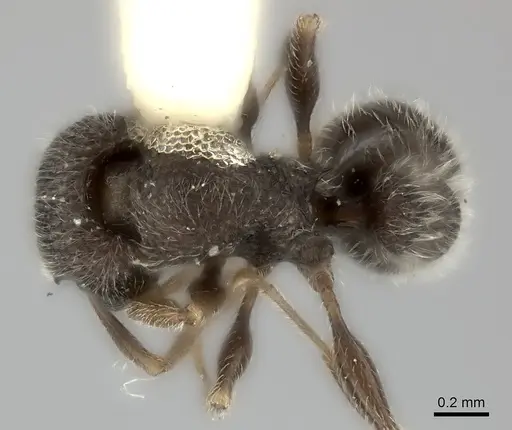
CASENT0235776
View on AntWeb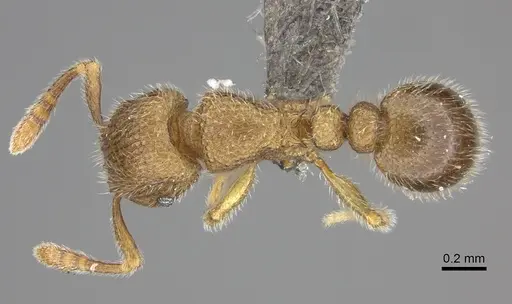
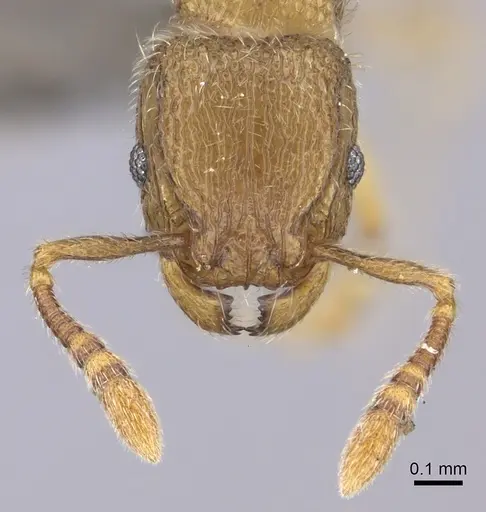
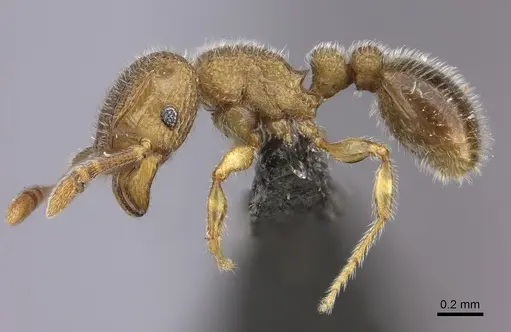
CASENT0249019
View on AntWeb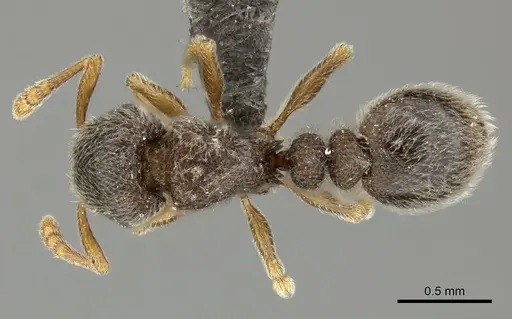
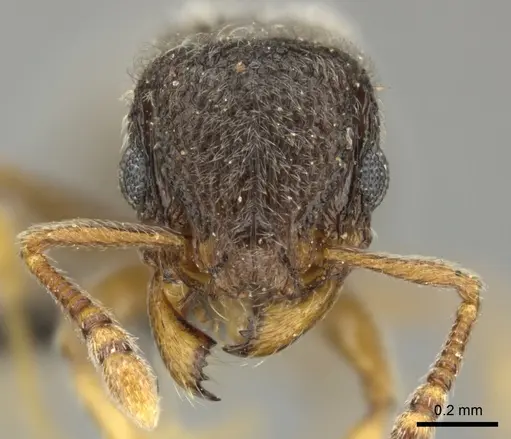
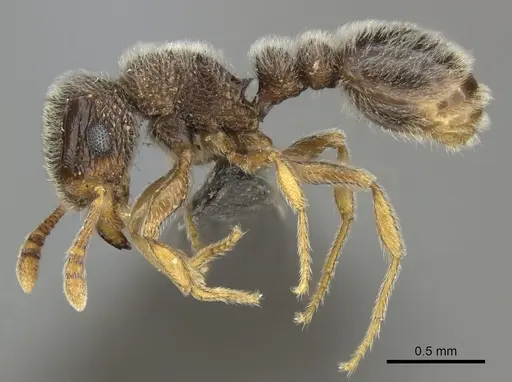
CASENT0253010
View on AntWeb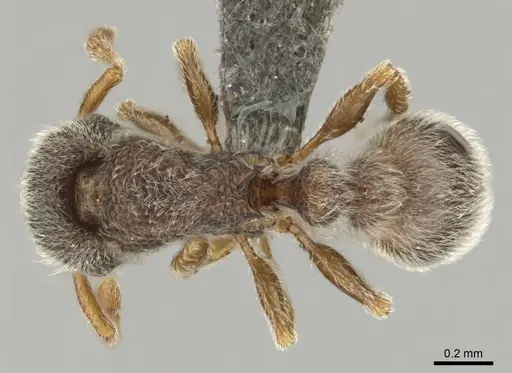
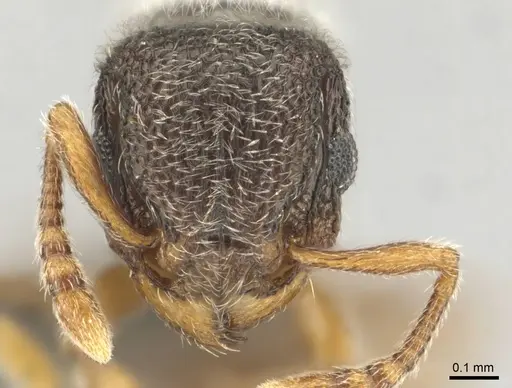
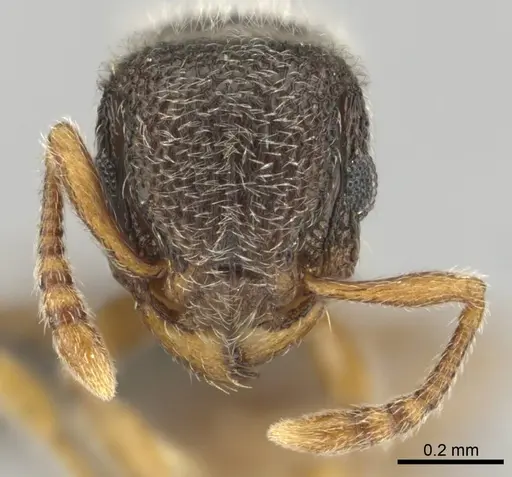
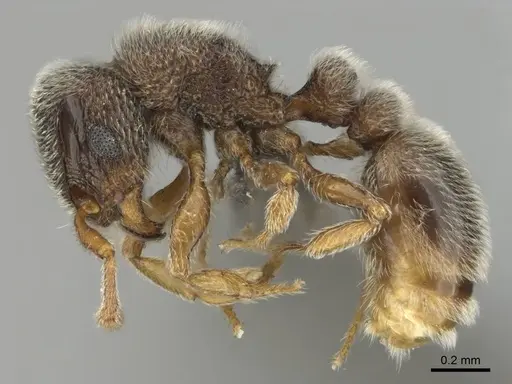
CASENT0901152
View on AntWeb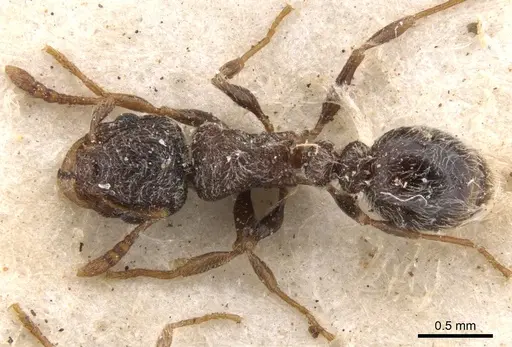
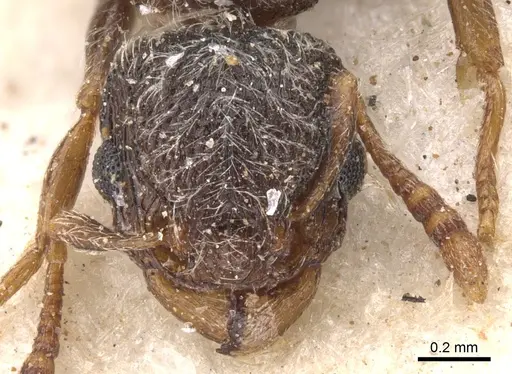
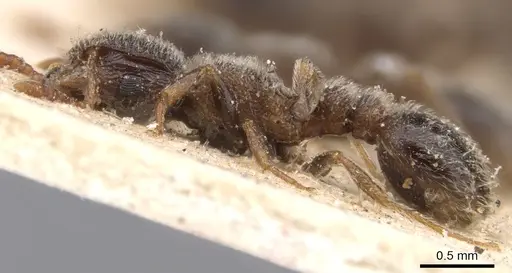
CASENT0901153
View on AntWeb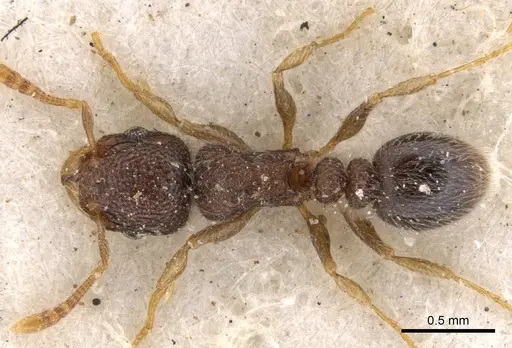
CASENT0901154
View on AntWeb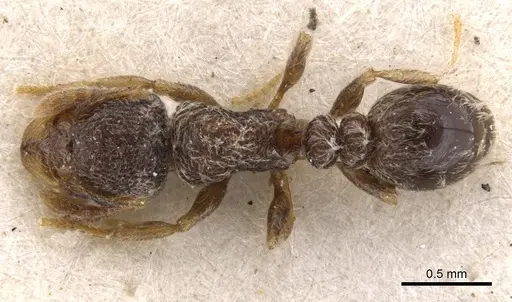
CASENT0909089
View on AntWeb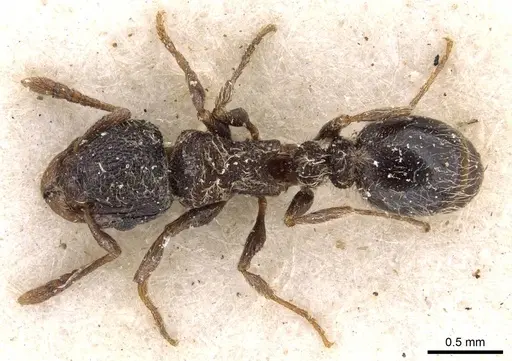
Literature
Loading distribution map...Loading products...