
Tetramorium indicum
- Sci. Name
- Tetramorium indicum
- Tribe
- Crematogastrini
- Subfamily
- Myrmicinae
- Author
- Forel, 1903
- Distribution
- Found in 3 countries
Introduction
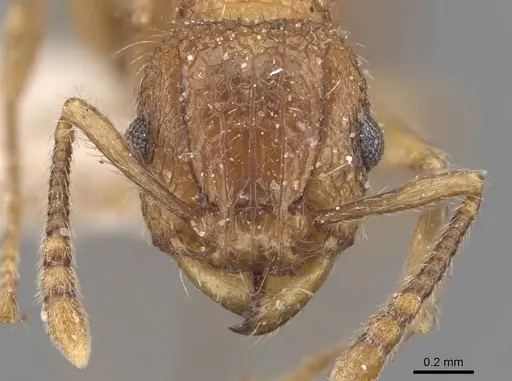
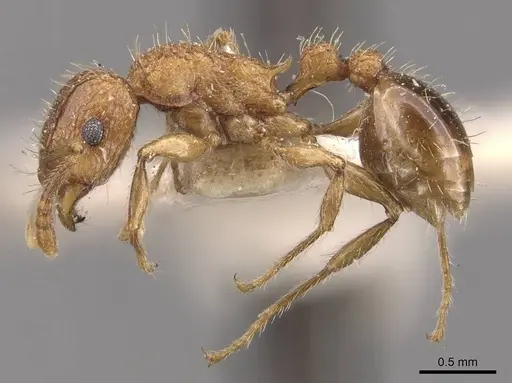
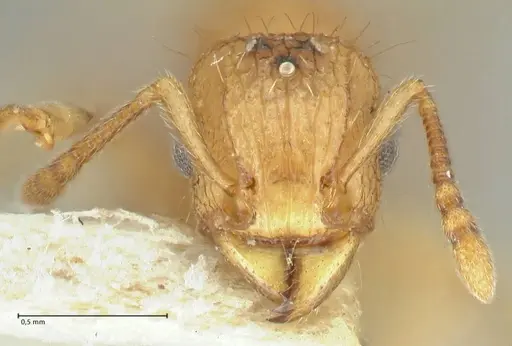
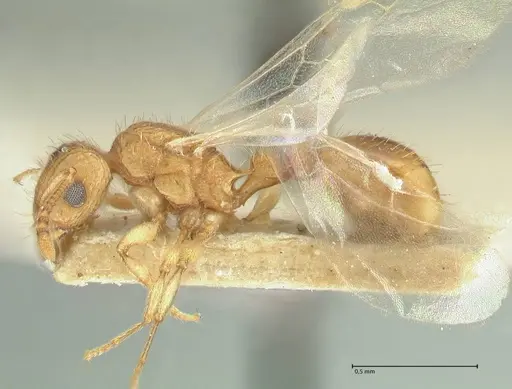
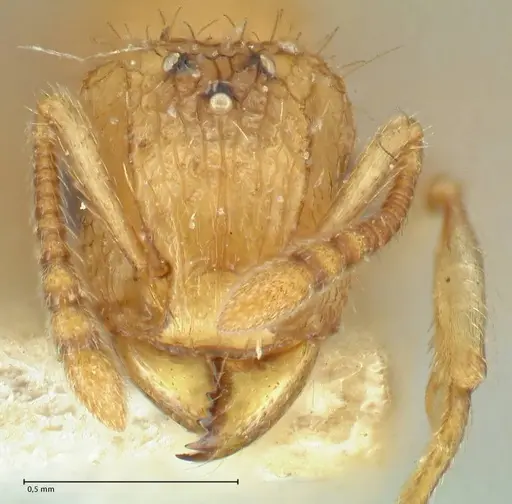
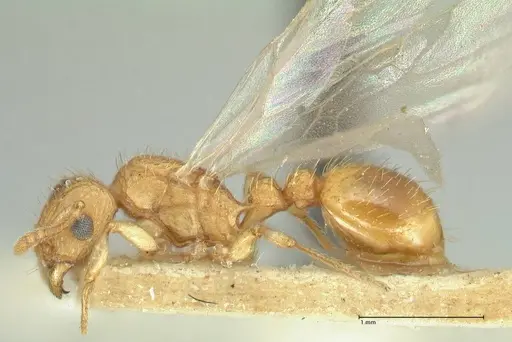
Tetramorium indicum is a small ant in the Myrmicinae subfamily, part of the bicarinatum species group . Workers are 3.7–4.3 mm and have a uniform light brown to mid-brown color, occasionally with a slightly darker gaster . They are native to the Indomalaya region, recorded from India, Sri Lanka, Malaysia, Indonesia (Sumatra), Borneo, and more recently Macao . These ground‑dwelling ants live in forest habitats, rotten wood, grasslands, and low vegetation . One key detail: this species is often confused with its relative Tetramorium bicarinatum because species boundaries are unclear .
Quick Summary
- Difficulty: Medium
- Origin & Habitat: Indomalaya region (India, Sri Lanka, Malaysia, Indonesia, Borneo, Macao). Found in forest habitats, grasslands, rotten wood, and low vegetation [1][2][3][4][5][6].
- Colony Type: Unknown. No data on social structure (monogyne or polygyne) or founding behavior exist in literature. Keepers should assume single queen unless observed otherwise.
- Size & Growth:
- Antkeeping:
- Temperature: Keep at warm room temperature (22–26 °C) as a guess based on tropical origin. No specific data available [2][3].
- Humidity: Keep nesting substrate moderately moist. These ants come from forest and grassland habitats, so avoid dryness or waterlogging [1][5].
- Diapause: No. Tropical species, no hibernation needed [2][3].
- Nesting: Ground‑dwelling species. They naturally nest in rotten wood and soil. In captivity, provide a dark, humid nest chamber. Appropriate nest types include Y‑tong (AAC), plaster, or soil setups [1][5].
- Behavior: Workers forage actively on the ground and have been collected in arboreal baits [4]. They are not aggressive but can defend with a modified stinger that smears venom (typical for Crematogastrini). Because workers are small (under 5 mm), excellent escape prevention is crucial.
- Common Issues: small size means high escape risk without fine mesh barriers., easy to misidentify due to similarity to Tetramorium bicarinatum [7]., high humidity can cause mold and harm the colony – ensure ventilation., lack of published care data means keepers must experiment with conditions.
Housing and Nest Setup
Since no species‑specific housing data exists, follow general Tetramorium antkeeping practices. Tetramorium indicum is ground‑dwelling and naturally nests in rotten wood and soil [1][5]. In captivity, offer a dark, humid nest chamber with tight spaces – Y‑tong (AAC) blocks, plaster nests, or soil‑filled formicaria work well. Connect the nest to an outworld for foraging. For a founding queen, a test‑tube setup (water reservoir sealed with cotton) is suitable until the first workers appear. Because workers are only 3.7–4.3 mm, use fine mesh or fluon barriers to prevent escapes.
Feeding and Diet
Like other Tetramorium, this ant is omnivorous. Offer small protein sources (fruit flies, pinhead crickets, mealworm pieces) and sugar sources (honey, sugar water, or diluted honey). Feed protein two to three times per week and keep a sugar source always available. Remove uneaten prey after 24–48 hours to prevent mold. Portion sizes should be tiny – a single fruit fly or a drop of sugar water is plenty for a small colony. [1][5]
Temperature and Seasonal Care
Tetramorium indicum comes from the warm Indomalaya region, so maintain temperatures around 22–26 °C [2][3]. Room temperature is often fine, but you may need a small heating mat on one side of the nest to create a gradient. Avoid prolonged temperatures below 18 °C, which can stress the colony. This species does not require diapause – keep it active year‑round [2][3].
Colony Growth and Development
No published data on colony growth exists for this species. Queens are likely to found colonies claustrally (sealing themselves in a chamber and using stored reserves), but this has not been confirmed. If kept in a test tube, a founding queen should be left undisturbed. The first workers (nanitics) will eventually emerge, but exact timing is unknown. Once workers appear, provide small amounts of food. Colony growth rate is also undocumented, observation is key.
Behavior and Temperament
Workers are active foragers on the ground and have been collected from arboreal baits [4]. They are not aggressive toward humans but will defend the nest. As members of Myrmicinae (tribe Crematogastrini), they have a modified, spatulate stinger used to smear venom rather than pierce. Their small size (under 5 mm) makes escape prevention critical – use fine mesh on all openings and secure connections between nest and outworld.
Frequently Asked Questions
How long does it take for Tetramorium indicum to have first workers?
Unknown. No published data exists for this species. Based on related Tetramorium, it may take 4–6 weeks at warm temperatures, but this is an estimate.
Can I keep Tetramorium indicum in a test tube?
Yes, a test‑tube setup (water reservoir sealed with cotton) is a standard way to start a colony. Once the colony outgrows the tube, move to a formicarium.
Do Tetramorium indicum ants sting?
They have a stinger, but it is modified to smear venom rather than pierce (typical for Crematogastrini). The sting is mild and rarely noticed by humans.
What do Tetramorium indicum eat?
They are omnivores. Offer small insects (fruit flies, pinhead crickets) as protein and honey or sugar water as carbohydrate. Feed protein 2–3 times per week and keep sugar available.
Are Tetramorium indicum good for beginners?
They are hardy and require no hibernation, but the lack of published care data means keepers need to be adaptable. Their small size also demands excellent escape prevention. Considered a medium‑difficulty species.
How big do Tetramorium indicum colonies get?
Unknown. Maximum colony size has not been documented. Based on similar Tetramorium species, colonies may reach several hundred workers, but this is speculation.
Do Tetramorium indicum need hibernation?
No. As a tropical species from the Indomalaya region, they do not require a winter diapause. Keep them active year‑round at warm temperatures [2][3].
Why are my Tetramorium indicum dying?
Common causes include: temperature too cold (below 18 °C), high humidity leading to mold, or stress from frequent disturbance during founding. Ensure stable conditions and minimal interference.
Can I keep multiple queens together?
Probably not – this species is likely monogyne, but no data confirms it. Combining unrelated queens may lead to fighting. Keep one queen per colony unless you observe tolerance.
When should I move my colony to a formicarium?
Move from a test tube to a formicarium when the colony outgrows the tube (usually 30–50 workers). Ensure the new nest has appropriately sized chambers for these small ants.
Report an Issue
The current care sheet is based fully on literature. See inconsistencies, or something that's incorrect? Please , it will be resolved after review from an admin. Contributing to the blogs tab also helps providing information, to make us be able to further improve the caresheets. Thank you for your support!
References

This caresheet is licensed under CC BY-SA 4.0 .
Community Blogs
CASENT0277222
View on AntWeb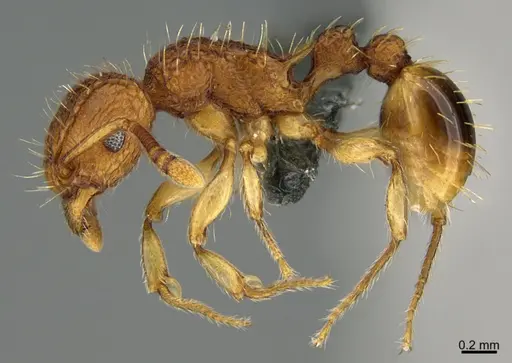
CASENT0280887
View on AntWeb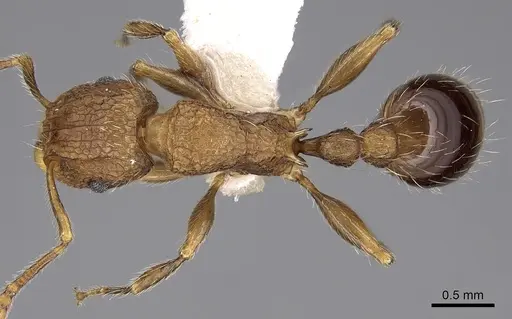
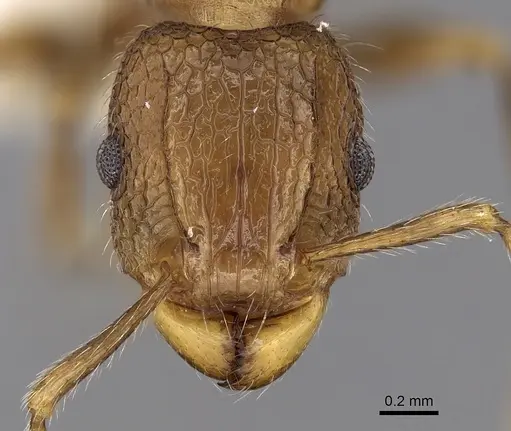
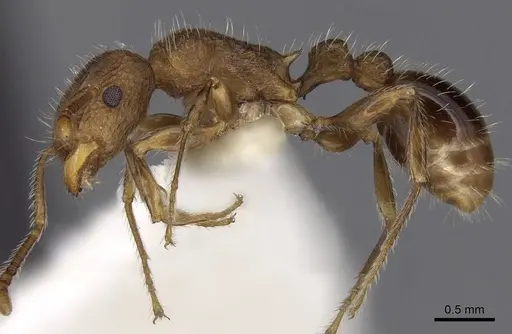
CASENT0909109
View on AntWeb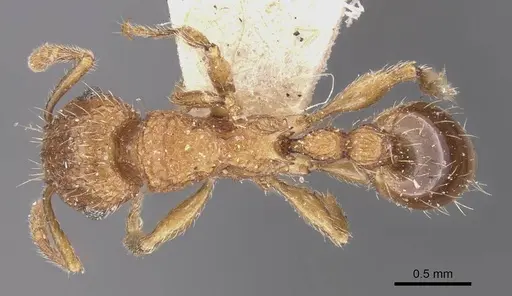
FOCOL2094
View on AntWeb
FOCOL2095
View on AntWeb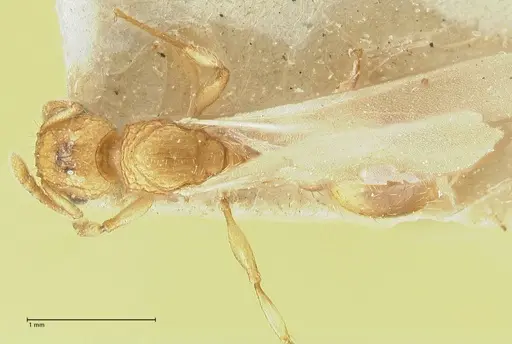
Literature
Loading distribution map...Loading products...