
Tetramorium ibycterum
- Sci. Name
- Tetramorium ibycterum
- Tribe
- Crematogastrini
- Subfamily
- Myrmicinae
- Author
- Bolton, 1979
- Distribution
- Found in 1 countries
Introduction
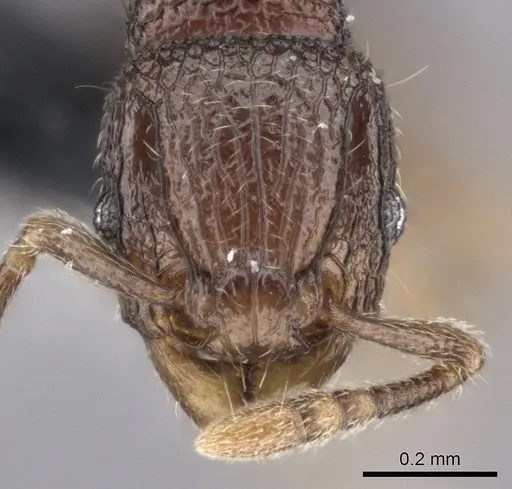
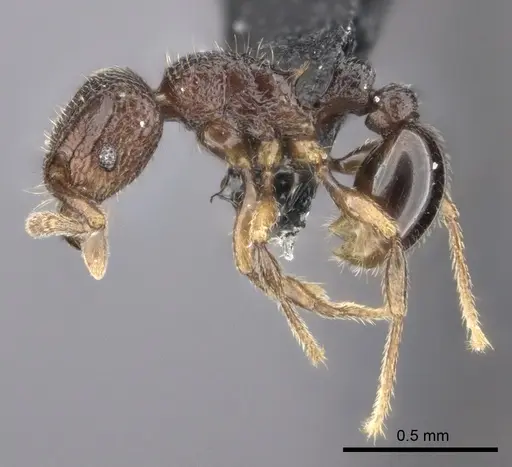
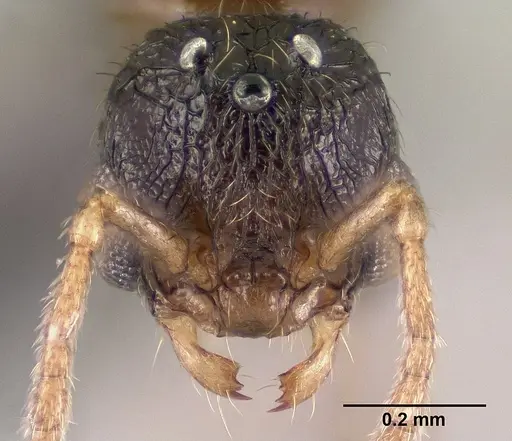
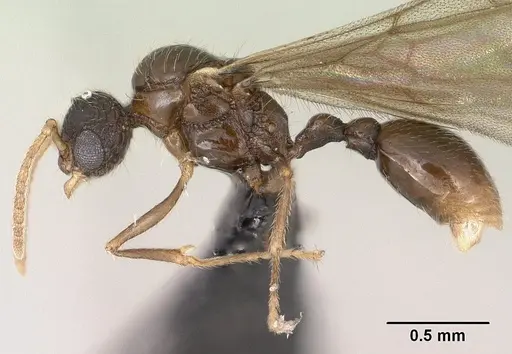
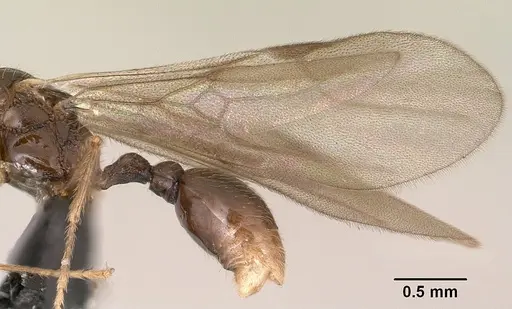
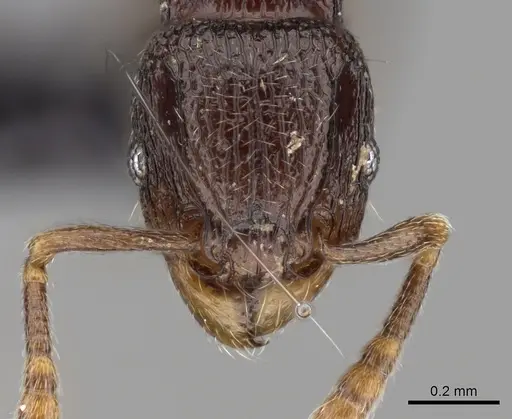
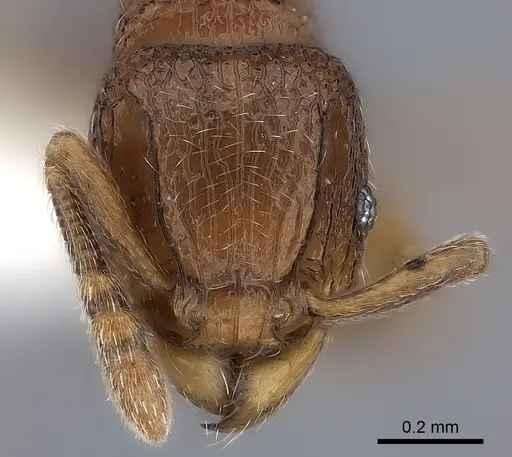
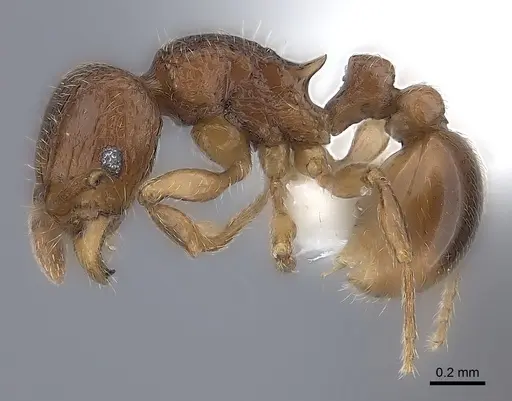
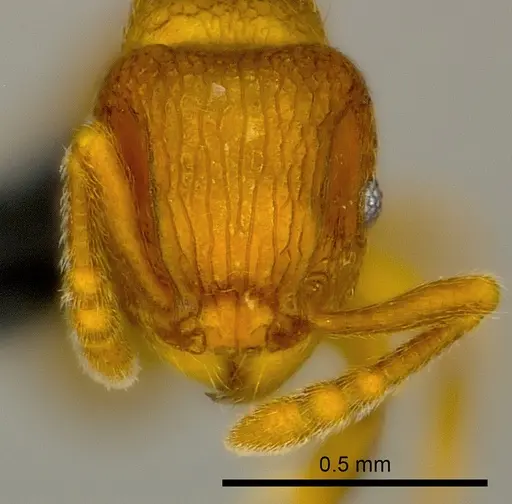
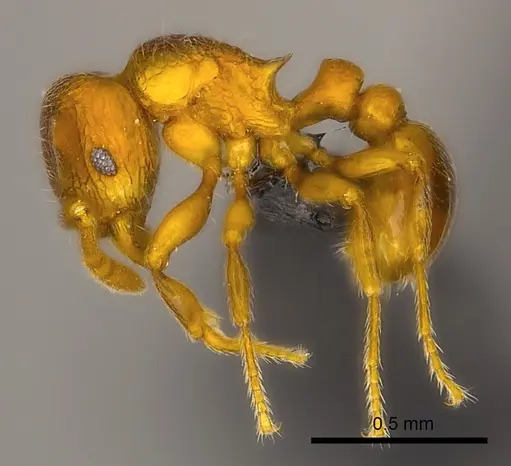
Tetramorium ibycterum is a small ant from the diverse Tetramorium genus, though specific body size measurements are unavailable from current research. They are ground-dwelling (terricolous) ants that favor humid, shaded environments . Typical Tetramorium morphology includes a compact body, two-segmented petiole, and propodeal spines. Coloration is likely reddish-brown to dark brown, common among ground-nesting species. This species is notable for its defense mechanism: workers have a modified, flattened stinger used to wipe or smear venom onto enemies rather than piercing (a trait common in the Crematogastrini tribe). This makes them relatively harmless to humans but effective against small arthropods.
Quick Summary
- Difficulty: Easy
- Origin & Habitat: Tropical to subtropical regions (inferred from habitat requirements). Naturally inhabits humid, ground-level environments such as forest edges and shaded areas. Nests in soil or under ground cover [1].
- Colony Type: Likely monogyne (single queen), inferred from typical Tetramorium patterns, but not confirmed by published research.
- Size & Growth:
- Queen: Untested from research, size unknown. Inferred from Tetramorium genus patterns (approximately 7-9 mm).
- Worker: Untested, size unknown. Inferred from Tetramorium genus patterns (approximately 3-5 mm).
- Colony: Unknown from available research, estimated up to several thousand workers based on typical Tetramorium colonies.
- Growth: Moderate
- Development: Estimated 6-10 weeks at optimal temperature (inferred from related Tetramorium species), not directly studied. (Development is temperature-dependent, warmer conditions accelerate growth within tolerance.)
- Antkeeping:
- Temperature: Keep between 22-26°C for best growth. They tolerate 20-28°C but avoid sustained temperatures above 30°C. Provide a thermal gradient using a heat cable on one side [1].
- Humidity: High humidity is essential, they naturally inhabit humid environments [1]. Keep the nest substrate consistently moist but not waterlogged. Mist occasionally and ensure access to water. Monitor for mold.
- Diapause: Not required, inferred from tropical/subtropical association. A slight winter cooling (15-18°C) may naturally slow activity, but true diapause is unnecessary.
- Nesting: Ground-nesting species [1]. Use Y-tong (AAC), plaster, or soil-based nests that hold humidity well. Tight, snug chambers are preferred. Test tube setups work well for founding colonies.
- Behavior: Generally calm and non-aggressive. Workers forage actively on the ground and can climb smooth surfaces. Their sting is a flattened smear-type, mild to humans. Escape risk is moderate due to climbing ability, use fluon or similar barrier. Standard escape prevention is adequate.
- Common Issues: low humidity stalls colony growth, maintain moist substrate, overheating above 30°C can be fatal, wild-caught colonies may carry parasites, quarantine and monitor, mold in over-wet setups, balance humidity with ventilation, founding queens are vulnerable, minimize disturbance (though founding method is unconfirmed)
Housing and Nest Setup
For founding colonies, start with a test tube setup: fill a test tube one‑third with water, plug with cotton, and place the queen inside. The cotton provides humidity, and the queen will seal herself in (assuming claustral founding). Once the colony reaches about 20-30 workers, transfer to a Y‑tong, plaster, or soil nest that retains moisture. These ants prefer snug, dark chambers. Ensure the nest stays humid but with some ventilation to prevent mold. Standard escape prevention (fluon or tight lids) is necessary as workers can climb smooth surfaces.
Feeding and Diet
Tetramorium ibycterum is omnivorous. Offer small protein sources (fruit flies, pinhead crickets, mealworms) two to three times per week. Provide constant sugar (honey water, sugar water, or honeydew). Remove uneaten prey after 24-48 hours to avoid mold. Young colonies with fewer than 10 workers need smaller, more frequent portions.
Temperature and Seasonal Care
Maintain temperatures between 22-26°C for optimal growth. They can tolerate 20-28°C, but growth slows outside that range. Avoid sustained temperatures above 30°C as it can be lethal. Use a heating cable under one end of the nest to create a warm gradient, allowing ants to thermoregulate. No true diapause is required, though a winter drop to 18-22°C can naturally slow activity [1].
Colony Founding
The founding method has not been directly observed in scientific literature, but it is likely claustral, as is typical for the genus Tetramorium. In claustral founding, the queen seals herself inside a chamber and relies on stored fat reserves to raise the first brood. This phase is estimated to take 4-8 weeks at 22-26°C. Do not disturb the queen during this time, ensure humidity is maintained but minimise light and vibration. Once nanitic workers emerge, they will begin foraging.
Behavior and Temperament
Workers are active foragers and relatively calm. Their sting is modified into a spatulate smear‑type weapon, used to wipe venom onto enemies rather than sting (common in the tribe Crematogastrini). This makes them harmless to humans. They are not particularly defensive and typical escape prevention is sufficient. Colonies become more active during feeding and may climb surfaces, so use barriers if needed.
Defense Mechanism
Like other members of the tribe Crematogastrini (subfamily Myrmicinae), workers have a specialised, flattened stinger used to smear venom onto attackers rather than pierce them. This adaptation is effective against small arthropods but poses little threat to humans. The venom is mild and no painful stings have been reported.
Frequently Asked Questions
How long for Tetramorium ibycterum to raise first workers?
Not directly studied. Based on related Tetramorium species, the process from egg to first worker likely takes 6-10 weeks at 22-26°C. The claustral founding phase (if indeed claustral) alone may take 4-8 weeks. Cooler temperatures slow development.
Can I keep Tetramorium ibycterum in a test tube?
Yes, test tube setups are suitable for founding colonies. Use a water reservoir with a cotton plug to maintain humidity. Once the colony reaches about 20-30 workers, move to a Y-tong, plaster, or soil nest.
Do Tetramorium ibycterum ants sting?
They have a modified stinger used to smear venom, not to sting strongly. The venom is mild and not considered dangerous to humans. They are not aggressive.
What do Tetramorium ibycterum eat?
They are omnivorous. Offer small insects as protein 2-3 times per week and provide a constant source of sugar (honey water, sugar water). Remove uneaten prey to prevent mold.
Are Tetramorium ibycterum good for beginners?
Yes, they are considered easy, as they are non‑aggressive and adaptable. Their humidity requirements are straightforward, and they tolerate minor mistreatment. No diapause is needed.
Do Tetramorium ibycterum need hibernation?
No, true hibernation is not required. A winter cool‑down (15-18°C) may slow activity naturally but is not necessary for survival or reproduction.
How big do Tetramorium ibycterum colonies get?
Not documented in research. Based on related Tetramorium, mature colonies likely reach several thousand workers within 1-2 years under optimal conditions.
Why is my colony not growing?
Common causes include low humidity (maintain moist substrate), temperatures below 22°C or above 28°C, insufficient protein, or disturbance. Adjust these factors and monitor.
When should I move my colony to a formicarium?
Move to a larger nest when the test tube becomes crowded (20-40 workers) or the water reservoir runs low. A Y-tong or plaster nest with good humidity control is ideal.
Can I keep multiple Tetramorium ibycterum queens together?
The colony type is unconfirmed but likely monogyne. Combining unrelated queens is not recommended as they may fight. Keep one queen per colony unless proven otherwise.
Report an Issue
The current care sheet is based fully on literature. See inconsistencies, or something that's incorrect? Please , it will be resolved after review from an admin. Contributing to the blogs tab also helps providing information, to make us be able to further improve the caresheets. Thank you for your support!
References

This caresheet is licensed under CC BY-SA 4.0 .
Community Blogs
CASENT0039350
View on AntWeb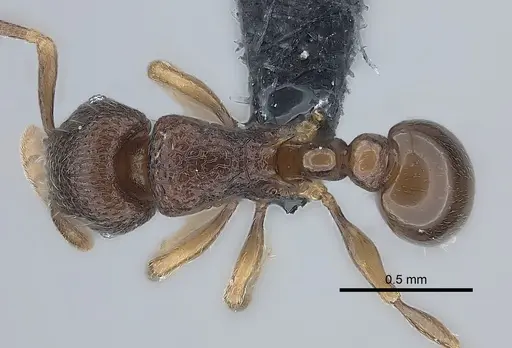
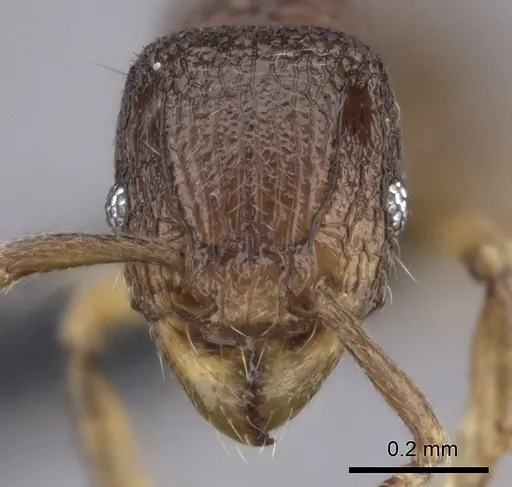
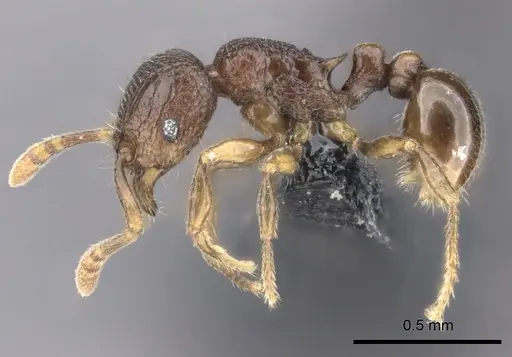
CASENT0056460
View on AntWeb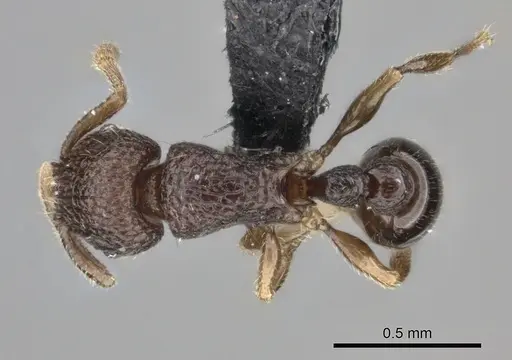
CASENT0138546
View on AntWeb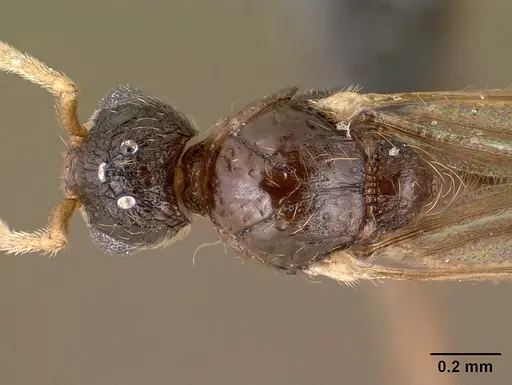
CASENT0163889
View on AntWeb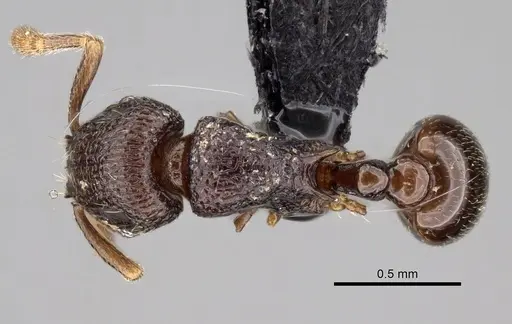
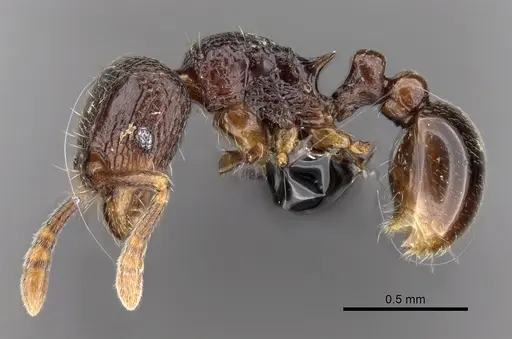
CASENT0163920
View on AntWeb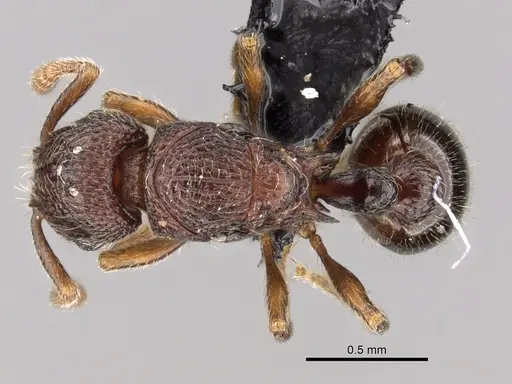
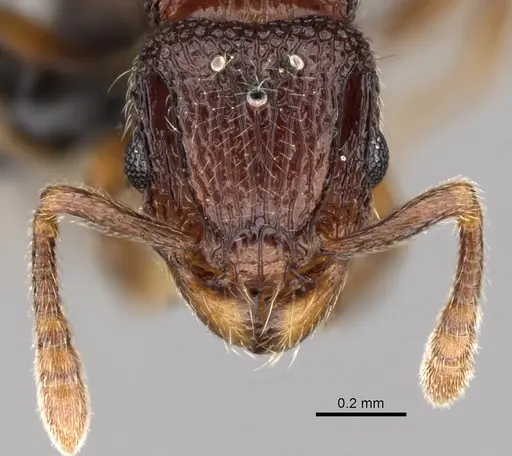
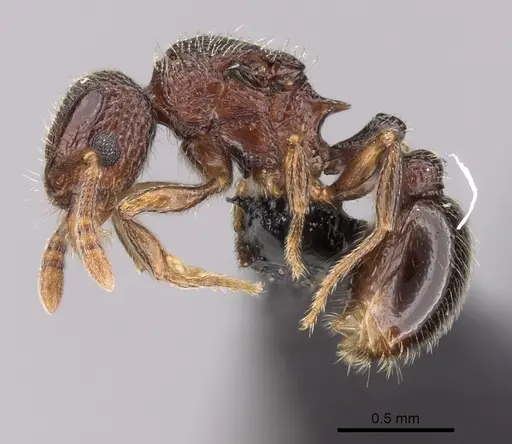
CASENT0172830
View on AntWeb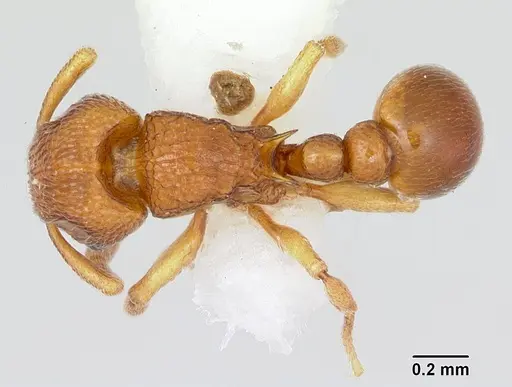
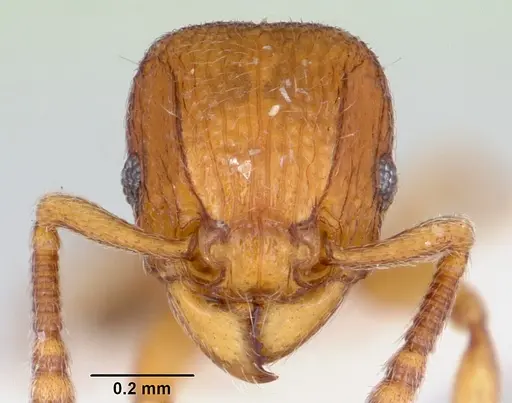
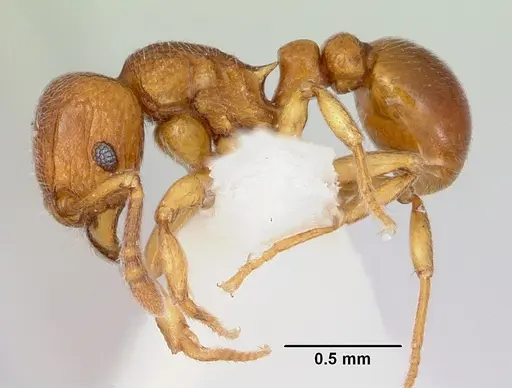
CASENT0218088
View on AntWeb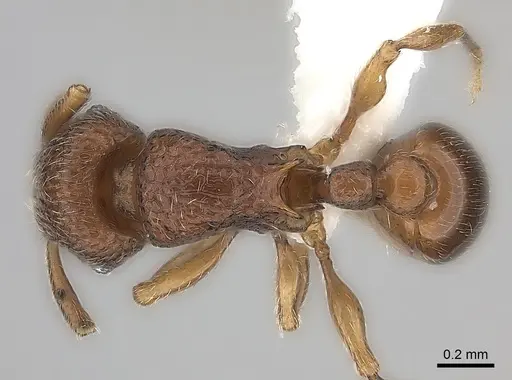
CASENT0465343
View on AntWeb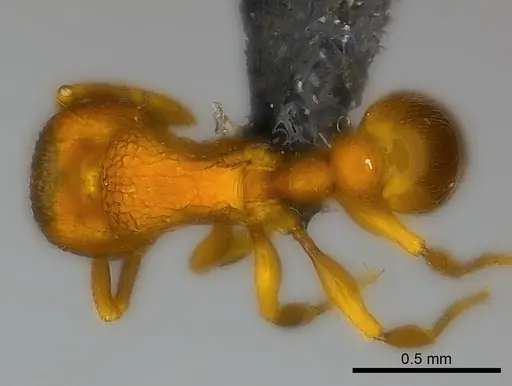
Literature
Loading distribution map...Loading products...