
Tetramorium hungaricum
- Sci. Name
- Tetramorium hungaricum
- Tribe
- Crematogastrini
- Subfamily
- Myrmicinae
- Author
- Röszler, 1935
- Distribution
- Found in 8 countries
Introduction
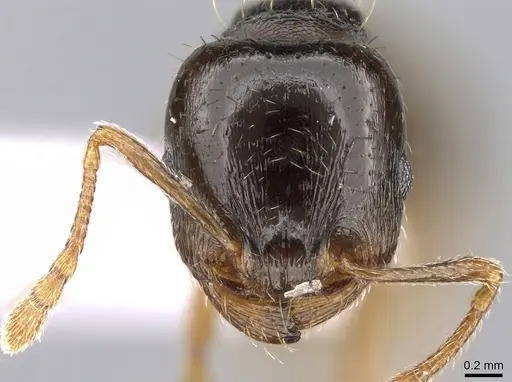
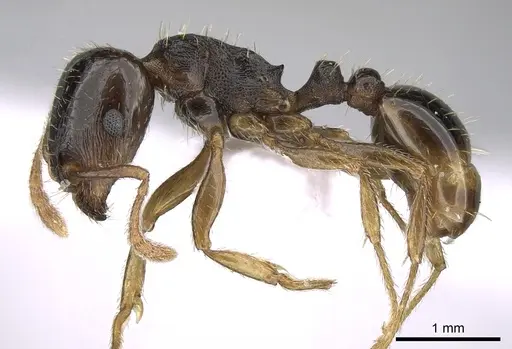
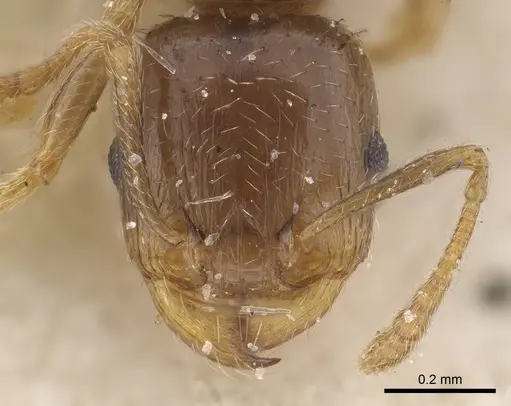
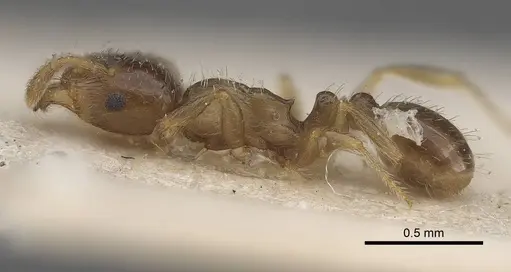
Tetramorium hungaricum is a small, dark brown to blackish ant native to the Pannonian region and Balkans of Eastern Europe. Workers measure 2.5-3 mm and are the smallest species within the Tetramorium caespitum complex, with a notably smooth, shiny surface and relatively large eyes . Queens are about 6.4 mm and males about 5.5 mm . This species was long confused with Tetramorium caespitum and Tetramorium semilaeve before being redescribed as valid in 2004 . In the wild, they nest under stones in dry, warm habitats like arid meadows, dry grasslands, and stony shrublands . What makes Tetramorium hungaricum stand out is its strong preference for hot, dry conditions, it is more thermophilic than most other species in the caespitum complex . Colonies can contain multiple queens (sometimes up to a few hundred), and nest aggregations suggest they may exhibit supercolonial behavior in some areas . This species offers a compact, manageable way to observe typical Tetramorium behavior.
Quick Summary
- Difficulty: Easy
- Origin & Habitat: Pannonian zone, Balkans, and Eastern Europe, Austria, Bulgaria, Czechia, Greece, Hungary, Romania, Russia, Slovenia, Turkey. Found in arid meadows, dry grasslands, stony shrublands, gravel pits, and oak forests at elevations averaging 328 m (range 27-940 m) [2][4].
- Colony Type: Usually polygynous with few to several queens, sometimes up to hundreds. Nest aggregations suggest possible supercolonial lifestyle [1].
- Size & Growth:
- Queen: 6.4 mm [1]
- Worker: 2.5-3 mm [1]
- Colony: Up to a few thousand workers (estimated based on related Tetramorium caespitum complex species) [1]
- Growth: Moderate
- Development: Estimated 6-10 weeks based on related Tetramorium species (no specific data for T. hungaricum) (Development time depends strongly on temperature. Keep warm to speed up growth.)
- Antkeeping:
- Temperature: Keep at 20-26 °C, with 22-24 °C ideal. Their thermal activity site (TAS) averages 20.6 °C in the wild (range 16.2-26.2 °C) [2]. A heating cable on one side of the nest creates a useful gradient. Avoid temperatures above 30 °C.
- Humidity: Low to moderate, these are dry‑habitat ants. Keep the nest substrate relatively dry, with only small moisture areas. Think steppe conditions, not rainforest.
- Diapause: Yes, as a temperate species from Central/Eastern Europe, they require a winter rest period. Reduce temperature to about 5-10 °C for 3-4 months (roughly November-February).
- Nesting: Nests under stones in captivity work well. Y‑tong (AAC) or plaster nests with dry to moderately humid conditions suit this species. They prefer tight chambers scaled to their small size.
- Behavior: Workers are active foragers, typical of Tetramorium. They are not particularly aggressive but will defend their nest. Their tiny size (under 3 mm) means escape prevention is critical, use fine mesh barriers and tight‑fitting lids. Workers are dark brown to blackish with a notably shiny appearance compared to related species [2]. They are most active during warmer months and slow significantly during winter.
- Common Issues: escape prevention is critical due to tiny 2.5-3 mm worker size, they squeeze through standard test‑tube cotton if not packed tightly., overheating can be fatal, avoid sustained temperatures above 30 °C., dry conditions are preferred, too much humidity causes stress and mold., founding behavior is unconfirmed, queens likely rear brood without foraging, but may need assistance if long development., winter mortality can occur if diapause conditions are not provided properly, ensure cool, stable temperatures during rest period., in parts of its range (e.g., Lower Austria), this species is listed as strongly endangered and may be legally protected, check local laws before collecting.
Housing and Nest Setup
Tetramorium hungaricum does well in Y‑tong (AAC) nests, plaster nests, or naturalistic setups with flat stones. Since they naturally nest under stones in dry habitats, a relatively dry nest environment suits them well [1]. Use chambers scaled to their tiny 2.5-3 mm worker size, tight passages help them feel secure. A test‑tube setup works for founding colonies, but pack the cotton tightly to prevent escapes. For larger colonies, provide multiple connected chambers. Avoid overly humid conditions, these are dry‑habitat ants that do poorly with constant moisture. A small water reservoir for humidity is sufficient, but most of the nest should remain dry.
Temperature and Heating
These ants prefer warm conditions. Keep the nest area at 20-26 °C, with a slight gradient if possible [2]. In the wild, their thermal activity sites average 20.6 °C with a range from 16.2-26.2 °C, making them more thermophilic than most other Tetramorium species. A heating cable placed on one side of the nest creates a natural gradient they can choose between. Avoid temperatures above 30 °C, while they like warmth, extreme heat is dangerous. Room temperature (around 20-22 °C) is suitable, but additional warmth during summer can boost activity and growth. During winter diapause, temperatures should drop to about 5-10 °C.
Feeding and Diet
Like other Tetramorium, Tetramorium hungaricum is omnivorous and accepts both protein and sugar sources. Offer protein foods like small insects (fruit flies, small mealworms, crickets) and provide sugar water, honey, or diluted honey regularly. In the wild, they forage for small invertebrates and likely tend aphids for honeydew. Feed protein 2-3 times per week with a constant sugar source available. Remove uneaten prey after 24-48 hours to prevent mold. Their small size means prey items should be appropriately sized, very small insects or pre‑killed pieces work best. (No specific feeding data exists for this species, this advice is based on related Tetramorium.)
Colony Development and Growth
Founding behavior in Tetramorium hungaricum is unconfirmed, but based on related Tetramorium, queens likely seal themselves in a small chamber and raise their first workers (nanitics) on stored reserves. This founding phase can take 4-8 weeks or longer before the first workers appear. Once nanitics arrive, the colony grows progressively. Expect moderate growth, a well‑fed colony can reach several hundred workers within 1-2 years under good conditions. Wild colonies are polygynous (few to several queens, sometimes many more [1]), which you may see in captivity if you combine multiple foundresses carefully.
Seasonal Care and Diapause
As a temperate species from Central and Eastern Europe, Tetramorium hungaricum requires a winter rest period. From roughly November through February, reduce temperatures to 5-10 °C and reduce feeding. Keep them in a cool, stable location, a basement, garage, or refrigerator works well. Do not feed during diapause, but ensure the nest remains slightly moist (not wet). After winter, gradually warm the colony to room temperature and resume normal feeding. Skipping diapause can weaken colonies over time and may affect queen fertility. (This advice is based on general temperate ant care, as no specific diapause data exists for this species.)
Behavior and Temperament
Workers are active foragers that search for food on the ground and can climb. They are not particularly aggressive toward humans but will defend their nest if threatened. Their small size makes them less intimidating than larger ant species, but they can deliver a mild sting if handled. In the outworld, they explore thoroughly and establish foraging trails. Their tiny size demands good escape prevention, use fine mesh on any ventilation and tight‑fitting lids. Colonies are generally peaceful, they can coexist with other species if space and food are adequate. (General observations from related Tetramorium, no specific behavior study exists for this species.)
Frequently Asked Questions
How long does it take for Tetramorium hungaricum to have first workers?
Founding queens typically produce first workers in 4-8 weeks at warm temperatures (24-26 °C). This estimate is based on related Tetramorium, no specific data exists for T. hungaricum. Cooler conditions can extend this timeline.
Do Tetramorium hungaricum ants sting?
Yes, being in the subfamily Myrmicinae, they have a functional stinger. However, their small size makes the sting very mild, barely noticeable to most humans. They are not considered dangerous and are quite docile.
What temperature do Tetramorium hungaricum need?
Keep them at 20-26 °C, with 22-24 °C ideal. They prefer warm conditions and are more thermophilic than most related species. A heating cable on part of the nest creates a gradient. Avoid temperatures above 30 °C [2].
Can I keep multiple Tetramorium hungaricum queens together?
Yes, this species can be multi‑queen (facultatively polygyne). Wild colonies often contain few to several queens, sometimes up to hundreds [1]. When combining unrelated foundresses, introduce them gradually and monitor for initial aggression.
Do Tetramorium hungaricum need hibernation?
Yes, as a temperate species from Central/Eastern Europe, they require a winter rest period. Provide 3-4 months at 5-10 °C (roughly November-February). Skipping diapause can weaken colonies and affect queen fertility over time.
Are Tetramorium hungaricum good for beginners?
Yes, they are considered an easy species to keep. They are small but not overly fragile, accept a wide variety of foods, and have straightforward temperature requirements. Their main needs are warm conditions, a dry nesting environment, and proper winter diapause. Escape prevention is critical due to their tiny size.
How big do Tetramorium hungaricum colonies get?
Based on related species in the Tetramorium caespitum complex, colonies likely reach up to a few thousand workers. Wild colonies with hundreds of queens have been documented [1]. In captivity, a healthy colony can reach several hundred workers within 1-2 years.
What do Tetramorium hungaricum eat?
They are omnivores. Offer small insects (fruit flies, small mealworms, crickets) for protein 2-3 times per week, and provide a constant sugar source like sugar water or honey. They will also accept honeydew if offered. (No specific dietary data, this is based on related Tetramorium.)
When do Tetramorium hungaricum nuptial flights occur?
In the wild, adult sexuals (males and new queens) are found in nests around June 20,with a range from early to late June [2]. Nuptial flights probably occur from May through June, depending on local conditions.
Why is my Tetramorium hungaricum colony dying?
Common causes include: too much humidity (they prefer dry conditions), temperatures above 30 °C or below 15 °C, improper diapause, stress from frequent disturbances, or escape problems that lead to colony loss. Check that the nest is not too wet, temperatures are in the 20-26 °C range, and they get proper winter rest. Also avoid overfeeding, which can cause mold.
Report an Issue
The current care sheet is based fully on literature. See inconsistencies, or something that's incorrect? Please , it will be resolved after review from an admin. Contributing to the blogs tab also helps providing information, to make us be able to further improve the caresheets. Thank you for your support!
References

This caresheet is licensed under CC BY-SA 4.0 .
Community Blogs
CASENT0906116
View on AntWeb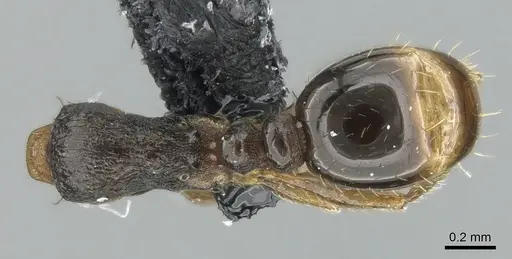
CASENT0919634
View on AntWeb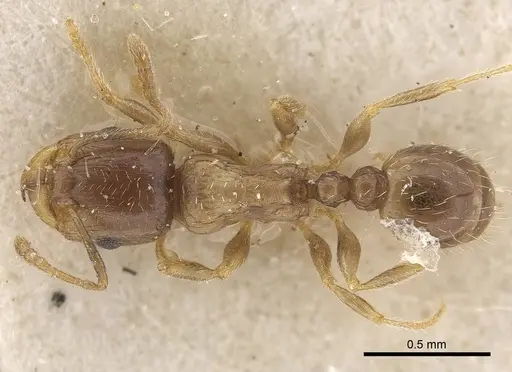
Literature
Loading distribution map...Loading products...