
Tetramorium hispidum
- Sci. Name
- Tetramorium hispidum
- Tribe
- Crematogastrini
- Subfamily
- Myrmicinae
- Author
- Wheeler, 1915
- Distribution
- Found in 2 countries
Introduction
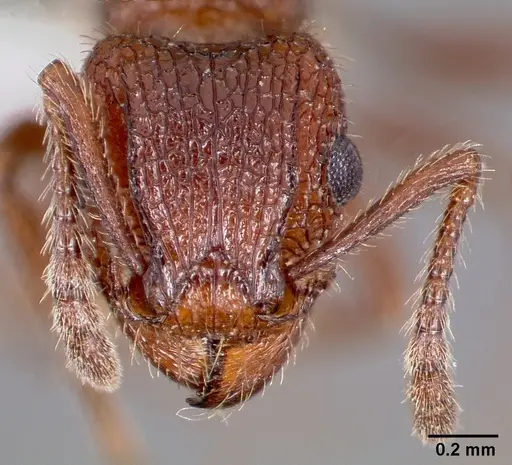
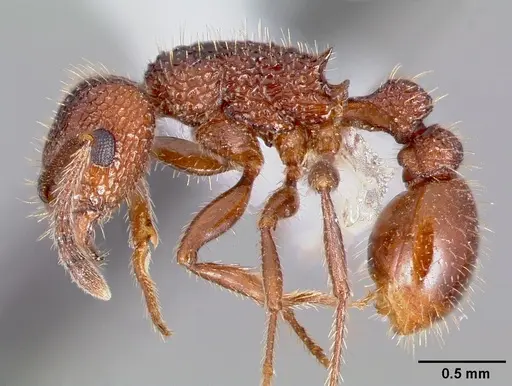
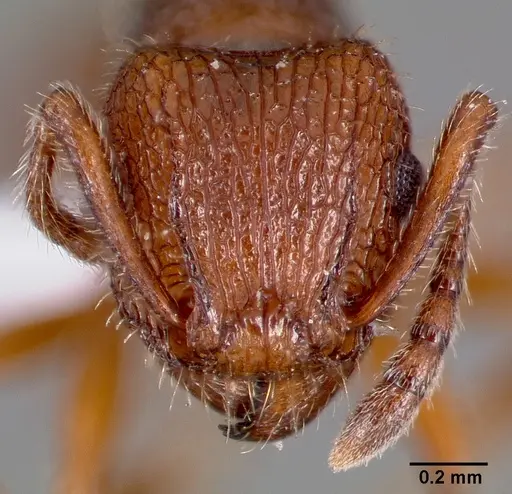
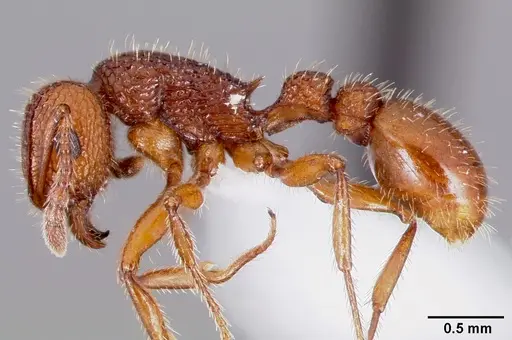
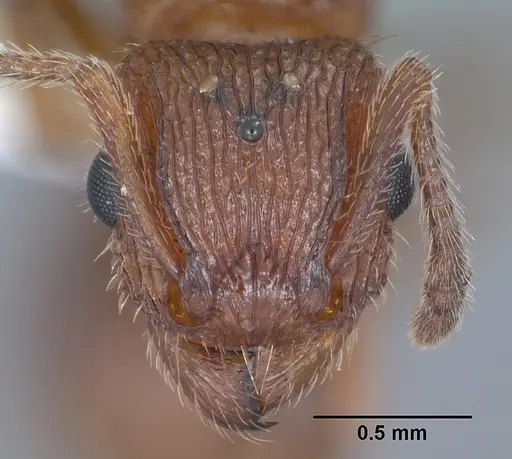
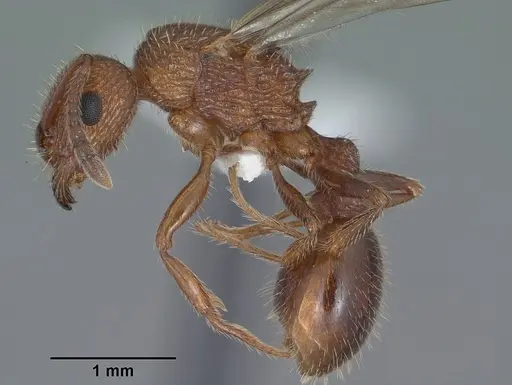
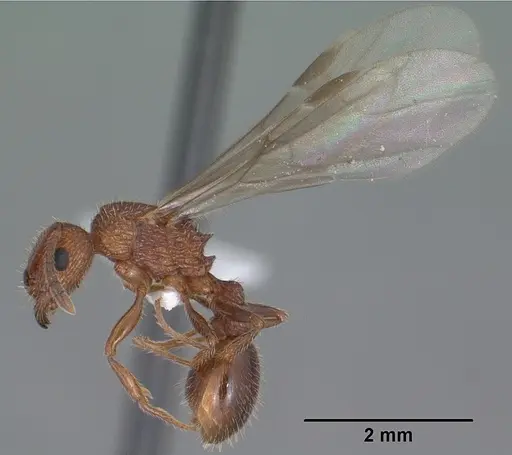
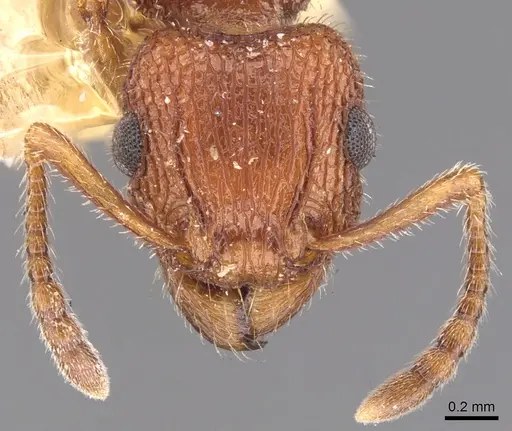
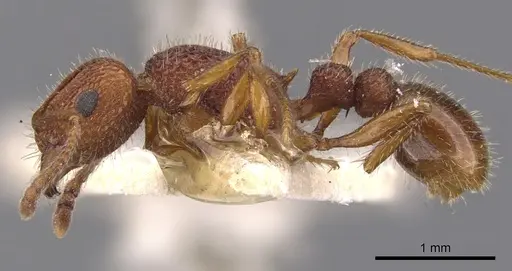
Tetramorium hispidum is a small to medium-sized ant native to the American Southwest and northern Mexico. Workers lack direct body length measurements but are estimated around 3-5 mm based on the Tetramorium genus, with a pale to dark brown uniform color . This species belongs to the Tetramorium tortuosum species group and is recognized by its large eyes (max diameter more than a quarter of the head width) and short, straight pilosity on the pronotum and frontal carinae . These ants are opportunistic foragers nesting in soil with small mounds around the entrance. Their natural habitat is thorn scrub desert at lower elevations, though they occasionally appear up to 1,400 meters in oak woodland . Colonies can grow to several hundred workers . As a desert-adapted species, they prefer warm, dry conditions.
Quick Summary
- Difficulty: Easy
- Origin & Habitat: Southern Arizona through New Mexico and into western Texas, extending into northern Mexico (Sonora, Hidalgo). Found in thorn scrub desert at lower elevations, occasionally up to 1,400 meters in oak woodland [6][7][5].
- Colony Type: Colony structure is not well documented. Based on typical Tetramorium behavior, colonies likely have a single queen (monogyne), but this is unconfirmed. Colonies can reach several hundred workers [6].
- Size & Growth:
- Queen: Size unknown – inferred from Tetramorium genus (~6-8 mm)
- Worker: Size unknown – inferred from Tetramorium genus (~3-5 mm)
- Colony: Up to several hundred workers [6]
- Growth: Moderate – typical for desert Tetramorium species
- Development: Estimated 6-8 weeks at warm temperatures (based on Myrmicinae patterns) (Development time depends on temperature, keep 24-28°C for typical growth.)
- Antkeeping:
- Temperature: No precise data – start at 24-28°C and observe. They are warm-adapted desert ants.
- Humidity: Low to moderate. Keep nest substrate dry to lightly moist, these desert ants prefer dry conditions.
- Diapause: Likely required – based on temperate distribution (southern US, northern Mexico), reduce temperature to 15-18°C for 2-3 months in winter (inferred, not confirmed).
- Nesting: Soil-nesting species. Use a naturalistic setup with sandy/loamy substrate, or a Y-tong/plaster nest with compact chambers. Provide dry conditions with only light moisture.
- Behavior: Relatively docile, not aggressive toward keepers. Workers are active diurnal foragers. Their defense mechanism is venom smearing – they use a modified spatulate stinger to smear venom on enemies (typical for Myrmicinae tribe Crematogastrini). Escape risk is high due to small size – use proper barriers (fluon, oil) on all connections.
- Common Issues: colonies may stagnate if kept too cool – maintain warm temperatures for active growth., overwatering can kill these desert-adapted ants – err on the dry side., wild-caught colonies may have parasites – quarantine and observe new colonies., test tube setups work well but ensure proper escape barriers due to small worker size., colony growth is moderate – patience required during founding phase.
Housing and Nest Setup
Tetramorium hispidum is a soil-nesting ant that does well in naturalistic setups with sandy-loamy substrate. Start with a test tube for founding, then move to a formicarium when the colony has 20-30 workers. A Y-tong (AAC) or plaster nest with compact chambers works well – these ants prefer tight spaces, not open areas. Keep the nest material lightly moist but never waterlogged. For the outworld, provide a simple foraging area. Escape prevention is vital – their small size means they can slip through loose connections, so use fluon or oil barriers on all tubes and edges [6].
Feeding and Diet
As opportunistic foragers, these ants accept a variety of foods. Offer protein (small insects like fruit flies, small crickets, mealworms) 2-3 times per week, and provide sugar water or honey water continuously. Remove uneaten prey after 24-48 hours to prevent mold. They are not specialized feeders and thrive on standard ant foods. Young colonies need plenty of protein to grow their workforce [5].
Temperature and Seasonal Care
These desert-adapted ants prefer warm conditions. Keep the nest at 24-28°C (no precise data, but start there). Provide a temperature gradient so workers can choose their preferred spot. For winter, reduce temperatures to 15-18°C for about 2-3 months (likely necessary based on their temperate range, but not confirmed). Cool them gradually over 1-2 weeks. A winter rest helps synchronize biological cycles, but some keepers see success without it in warm rooms [6].
Colony Development and Growth
Colony founding behavior is unconfirmed – typical Tetramorium queens are claustral, but no literature confirms for this species. Expect moderate growth: first workers (nanitics) appear after about 6-8 weeks at warm temperatures (estimated from Myrmicinae patterns). Within a year, a well-fed colony may have several dozen workers. Maximum colony size is several hundred workers [6]. Avoid disturbing the founding queen – once workers appear, the colony becomes more resilient.
Behavior and Temperament
Tetramorium hispidum workers are active diurnal foragers. They are docile and will flee rather than fight when disturbed. Their primary defense is venom smearing – they have a flattened spatulate stinger that wipes venom onto enemies (typical for Crematogastrini). They communicate using chemical trails and recruit nestmates to good food sources. Their large eyes are a distinctive feature of the tortuosum group [3][4]. They are not aggressive toward humans and are suitable for observation.
Frequently Asked Questions
How long does it take for Tetramorium hispidum to raise first workers?
Expect first workers (nanitics) to emerge in approximately 6-8 weeks at warm temperatures (24-28°C). This is estimated based on typical Myrmicinae development. Founding behavior is unconfirmed [6].
Can I keep Tetramorium hispidum in a test tube?
Yes, test tubes work well for founding colonies. Use a cotton-plugged water tube and keep it in a warm, dark place. Once the colony reaches 20-30 workers, consider moving to a formicarium [6].
Do Tetramorium hispidum ants sting?
They belong to the subfamily Myrmicinae, which has stingers, but this species is not known for stinging humans. Their primary defense is venom smearing – they wipe venom onto enemies using a flattened stinger. They are docile toward keepers.
What temperature do Tetramorium hispidum need?
No precise data exists, but they are desert-adapted. Start with 24-28°C and observe. Provide a gradient so they can choose their preferred temperature.
Do Tetramorium hispidum need hibernation?
Based on their temperate range (southern US, northern Mexico), a winter rest is likely beneficial. Reduce temperature to 15-18°C for 2-3 months. This is inferred from their distribution, not directly confirmed [6].
How big do Tetramorium hispidum colonies get?
Colonies can reach several hundred workers. Growth is moderate – expect several dozen workers in the first year [6].
What do Tetramorium hispidum eat?
They are opportunistic feeders accepting protein (small insects) and sugar (honey water, sugar water). Feed protein 2-3 times weekly and keep sugar water available at all times [5].
Are Tetramorium hispidum good for beginners?
Yes, this is a good beginner species. They are docile, adaptable, and undemanding. However, escape prevention is important due to their small size.
Where is Tetramorium hispidum found in the wild?
They live in the American Southwest – southern Arizona, New Mexico, western Texas, and northern Mexico (Sonora, Hidalgo). Their natural habitat is thorn scrub desert at lower elevations, occasionally up to 1,400 meters in oak woodland [6][7].
When should I move my Tetramorium hispidum to a formicarium?
Move from test tube to formicarium when the colony reaches 20-30 workers. Signs they need more space include workers clustering near the cotton, frequent escape attempts, or the water tube drying quickly [6].
How often should I feed Tetramorium hispidum?
Feed protein (insects) 2-3 times per week. Keep sugar water available at all times. Remove uneaten prey after 24-48 hours to prevent mold. Adjust based on colony size – larger colonies may need more frequent feeding [5].
Is Tetramorium hispidum aggressive?
No, they are relatively docile. Workers will flee rather than engage when disturbed. They are not aggressive toward humans and are suitable for observation-focused antkeeping.
Report an Issue
The current care sheet is based fully on literature. See inconsistencies, or something that's incorrect? Please , it will be resolved after review from an admin. Contributing to the blogs tab also helps providing information, to make us be able to further improve the caresheets. Thank you for your support!
References

This caresheet is licensed under CC BY-SA 4.0 .
Community Blogs
CASENT0000318
View on AntWeb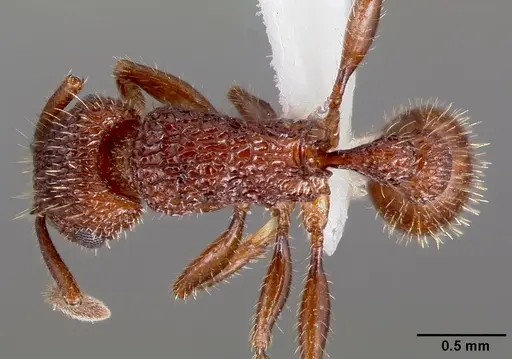
CASENT0000323
View on AntWeb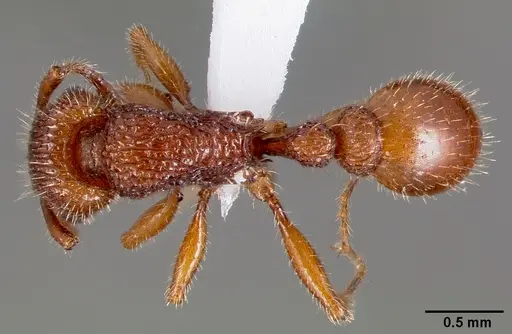
CASENT0104471
View on AntWeb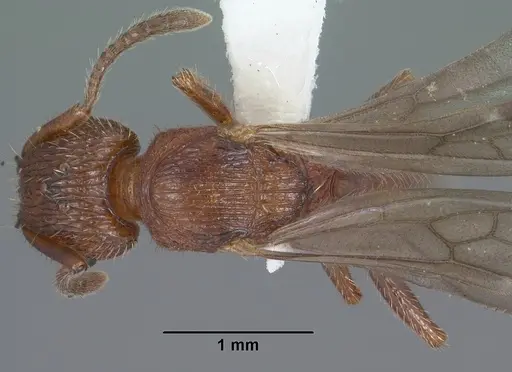
CASENT0901049
View on AntWeb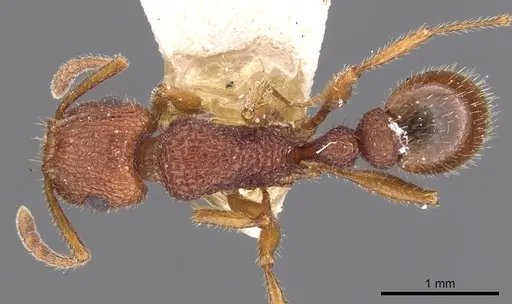
Literature
Loading distribution map...Loading products...