
Tetramorium globulinode
- Sci. Name
- Tetramorium globulinode
- Tribe
- Crematogastrini
- Subfamily
- Myrmicinae
- Author
- Mayr, 1901
- Distribution
- Found in 2 countries
Introduction
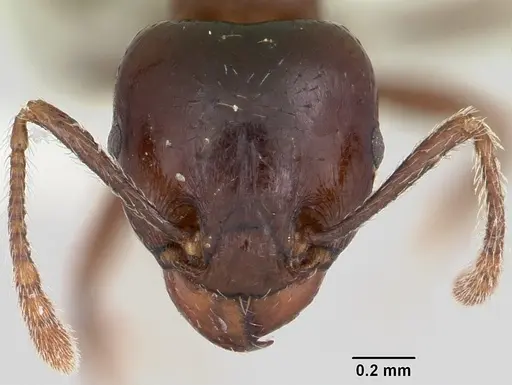
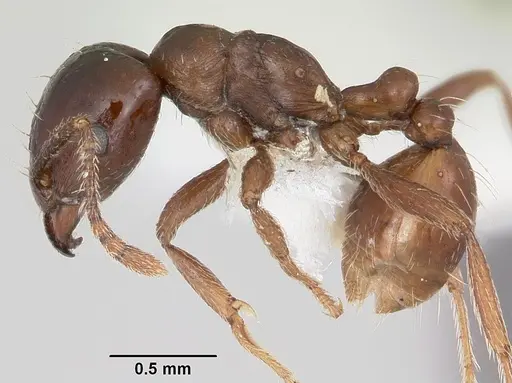
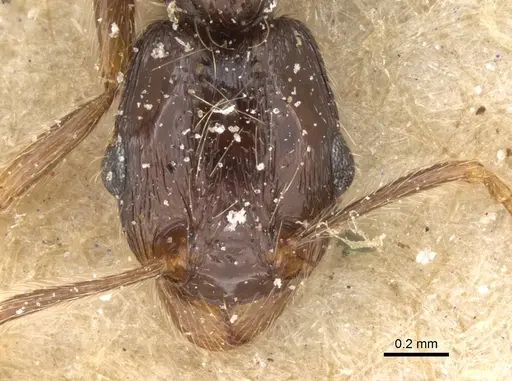
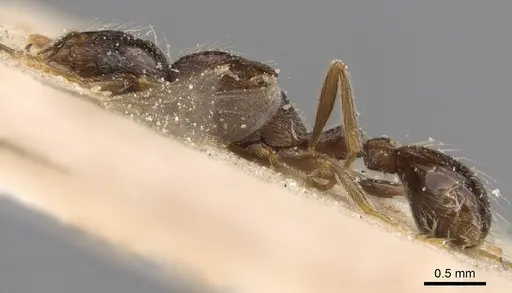
Tetramorium globulinode is a small ant species originally described as *Rhoptromyrmex globulinodis* before being moved to the genus *Tetramorium* in 2015 . Its distribution spans the Afrotropical region - with records in South Africa (type locality: Port Elizabeth), the Democratic Republic of Congo (provinces HK, HU, IT), and Zimbabwe - plus an isolated record in southern China . It has two junior synonyms: *Rhoptromyrmex globulinodis alberti* (Forel,1916) and *Rhoptromyrmex globulinodis obscurus* (Santschi,1932) . Like other members of the tribe Crematogastrini, *Tetramorium globulinode* uses a modified, spatulate stinger to smear venom onto enemies rather than injecting it. Ground-nesting and generalist foraging are typical for the genus, but specific colony biology for this species is poorly studied.
Quick Summary
- Difficulty: Medium
- Origin & Habitat: Recorded from South Africa, Democratic Republic of Congo, Zimbabwe, and China [2][3]. Likely nests in soil or under stones in savanna and forest edges, but precise habitat data are lacking.
- Colony Type: Unknown, colony structure has not been formally studied. The single known queen specimen (syntype) suggests at least functional monogyny, but polygyny cannot be ruled out.
- Size & Growth:
- Queen: Size data unavailable, no measurements published.
- Worker: Size data unavailable, no measurements published.
- Colony: Unknown, no colony size estimates exist for this species.
- Growth: Unknown
- Development: Unknown, no developmental data published. (All developmental timelines are speculative, keepers should monitor colonies closely and adjust expectations.)
- Antkeeping:
- Temperature: No species-specific data. Based on Afrotropical origin, maintain stable temperatures around 22-26°C. The Chinese record hints at some cold tolerance, but avoid extremes.
- Humidity: No data. Keep nest substrate moderately moist but well-drained, as is common for ground-nesting ants.
- Diapause: Unknown, the species spans tropical and temperate regions. If your colony came from temperate populations (South Africa, China), a winter rest at 10-15°C for 2-3 months may be attempted, but this is unconfirmed.
- Nesting: Y-tong (AAC), plaster, or soil-based nests with small chambers are likely suitable. No specific preferences known.
- Behavior: Temperament and escape risk are unstudied. As a very small ant (estimated under 5mm based on congener comparisons), escape prevention requires fine mesh and tight seals. The smear defense mechanism is harmless to humans.
- Common Issues: near-total lack of published care data means keepers must rely on trial and error, small size makes escape prevention critical, standard test tube cotton plugs may not suffice, wild-caught colonies may carry unknown parasites or diseases, overheating or desiccation due to lack of humidity guidelines, founding queens are fragile, minimal disturbance recommended
Housing and Nest Setup
Because so little is known about Tetramorium globulinode's natural nesting habits, start with simple, forgiving setups. A test tube half-filled with water and sealed with a tightly packed cotton plug is ideal for founding and small colonies. Once the colony outgrows the tube, move them to a Y-tong, plaster, or soil nest with compact chambers. Avoid large open spaces at first, small ants can feel exposed. Seal all gaps with fine mesh or PTFE-based barriers to prevent escapes. Check for any leaks or condensation daily.
Feeding and Diet
No dietary records exist for this species. By genus-level inference, offer a generalist diet: small live prey (fruit flies, pinhead crickets, termites) and sugar sources (honey water, sugar water, or diluted honey). Feed small amounts twice a week for established colonies, removing leftovers after 24 hours to prevent mold. Founding queens may or may not require feeding, if you see her taking food, provide it, otherwise leave her undisturbed.
Temperature and Seasonal Care
Optimal temperature range is unknown. Keep colonies in a stable environment around 22-26°C, avoiding direct sunlight and heat sources. If your colony was wild-caught from a region with cool winters (South Africa, parts of China), you can experiment with a diapause period of 2-3 months at 10-15°C, reducing feeding and leaving them undisturbed. For populations from tropical regions (DRC, Zimbabwe), diapause is likely unnecessary. Monitor the colony's reaction and adjust.
Behavior and Colony Dynamics
Published behavioral observations are absent. Based on the tribe Crematogastrini, Tetramorium globulinode uses a spatulate stinger to smear venom, which is harmless to humans. Worker size is unknown but likely small (estimated under 5mm), this makes escape prevention paramount. Aggression and foraging behavior are unstudied, so assume typical generalist ant activity: workers search for food individually or in trails, depending on colony size. Keepers should observe and record their own experiences to fill the gaps.
Frequently Asked Questions
How long does it take for Tetramorium globulinode to produce first workers?
Unknown, no developmental data have been published. For reference, many small myrmicine ants take 5-8 weeks from egg to worker at 22-26°C, but this is only a guess.
Can I keep Tetramorium globulinode in a test tube?
Yes, a test tube with a water reservoir (cotton plug) is the safest option for starting a colony. Make sure the cotton is packed very tightly, these ants are small and can squeeze through loose fibers.
Do Tetramorium globulinode ants sting?
They have a stinger, but it is used for smearing venom (smear defense), not for piercing. They are not known to cause pain in humans and are considered harmless.
What temperature do Tetramorium globulinode need?
No species-specific data. Start with 22-26°C, which is a safe range for most tropical/temperate ants. Monitor activity and adjust if needed.
Are Tetramorium globulinode good for beginners?
Not recommended for beginners. The lack of published care data means keepers must experiment, and small size requires careful escape-proofing. Only experienced keepers with good observation skills should attempt this species.
Do Tetramorium globulinode need hibernation?
Unknown, it depends on the colony's origin. If from temperate regions (South Africa, China), a winter rest at 10-15°C for 2-3 months may be beneficial but is unconfirmed. Tropical populations likely do not require hibernation.
How big do Tetramorium globulinode colonies get?
Unknown, no colony size estimates are available for this species. Related Tetramorium species range from a few dozen to several thousand workers, so any guess is speculative.
What do Tetramorium globulinode eat?
No dietary records exist. Offer a generalist menu: small insects (fruit flies, pinhead crickets) and sugar water. Adjust based on what the colony accepts.
Why is my Tetramorium globulinode colony dying?
Without known care parameters, common pitfalls include temperature swings, desiccation or flooding, starvation, and stress from overhandling. Check stability of temperature and humidity, and ensure the colony has access to both protein and sugar.
When should I move my Tetramorium globulinode to a formicarium?
Move them when the test tube becomes crowded, typically when you see 20-40 workers clustering near the cotton or leaving waste outside the tube. A small Y-tong or plaster nest with 2-3 chambers is a good first step.
Report an Issue
The current care sheet is based fully on literature. See inconsistencies, or something that's incorrect? Please , it will be resolved after review from an admin. Contributing to the blogs tab also helps providing information, to make us be able to further improve the caresheets. Thank you for your support!
References

This caresheet is licensed under CC BY-SA 4.0 .
Community Blogs
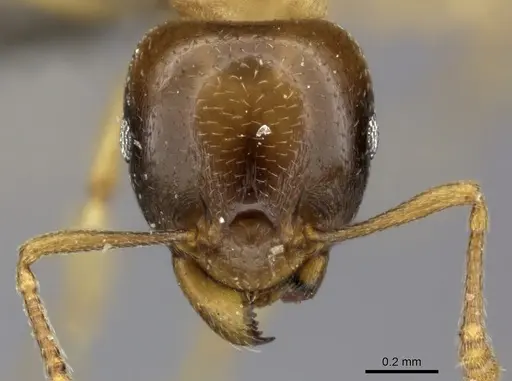
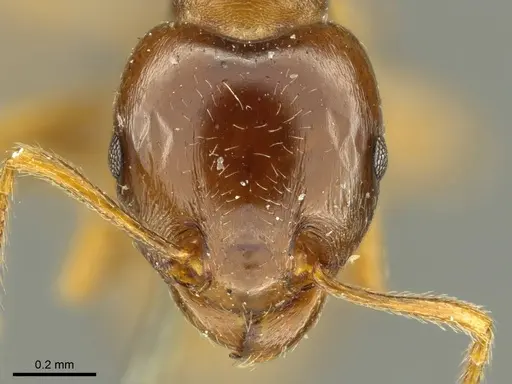
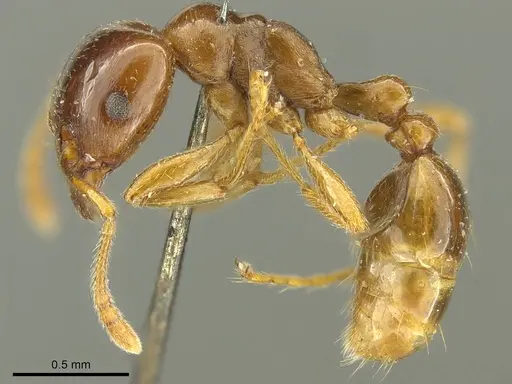
CASENT0104916
View on AntWeb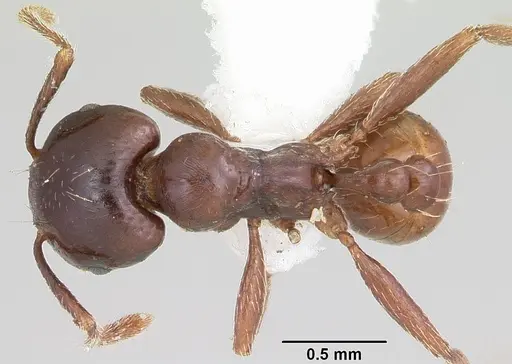
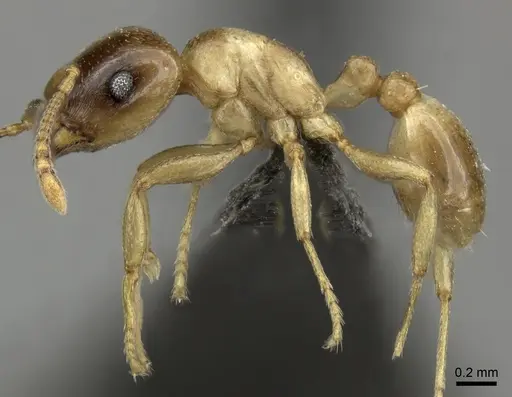
CASENT0235998
View on AntWeb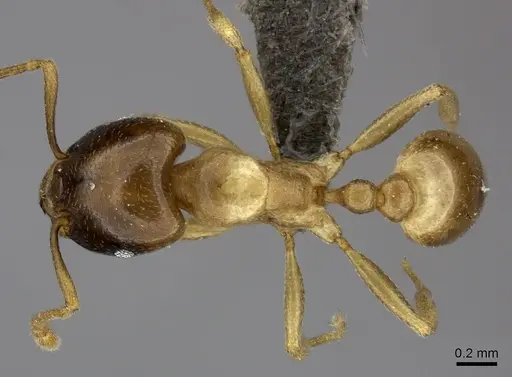
CASENT0901025
View on AntWeb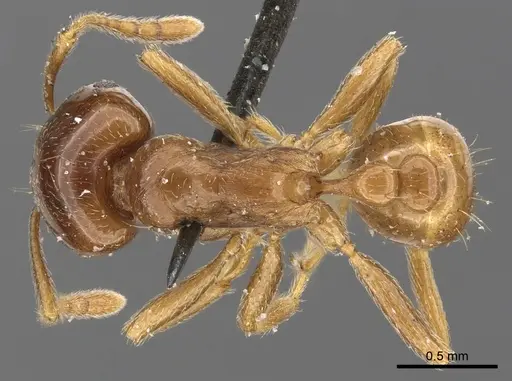
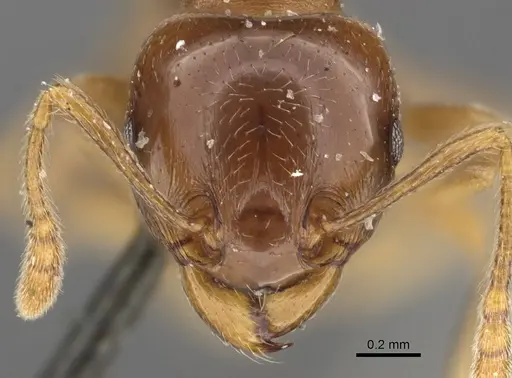
CASENT0901029
View on AntWeb
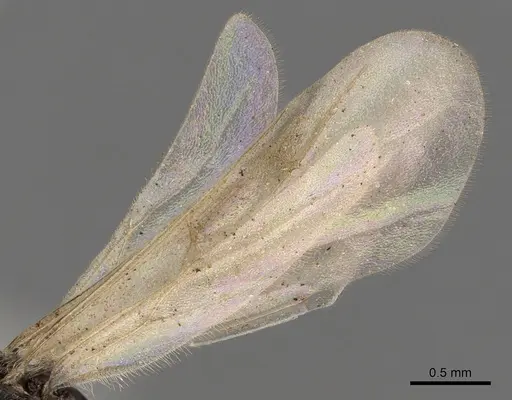
CASENT0906143
View on AntWeb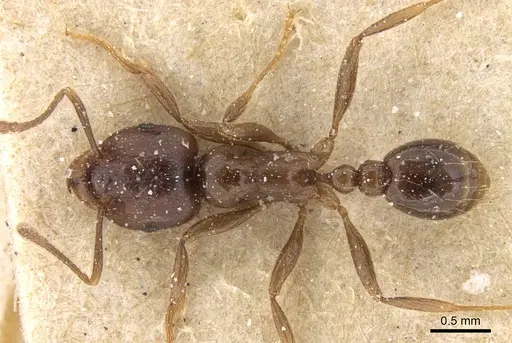
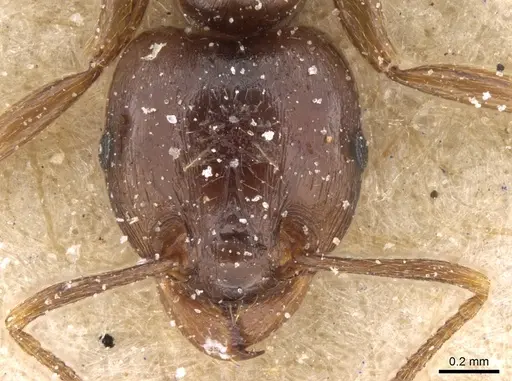
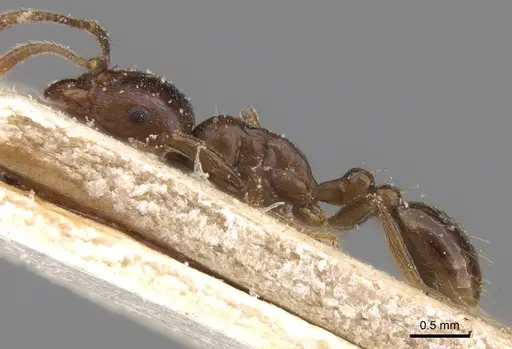
CASENT0906144
View on AntWeb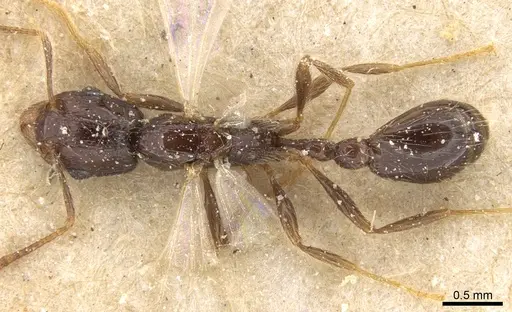
CASENT0909198
View on AntWeb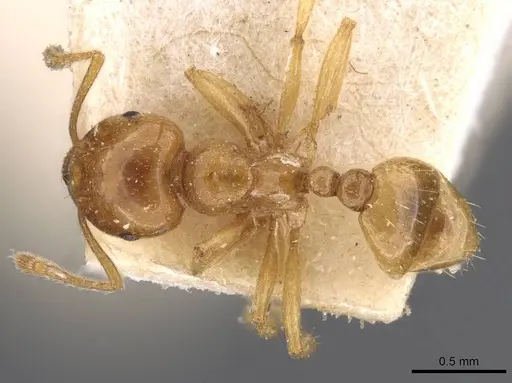
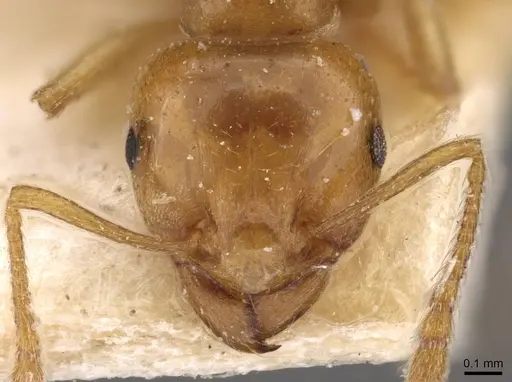
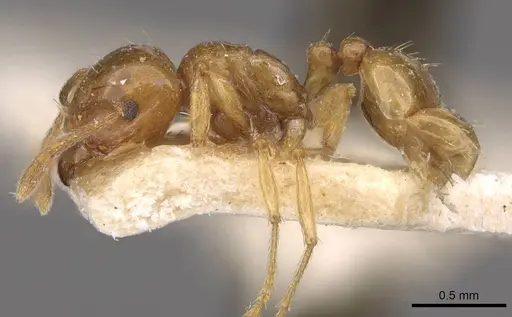
CASENT0916085
View on AntWeb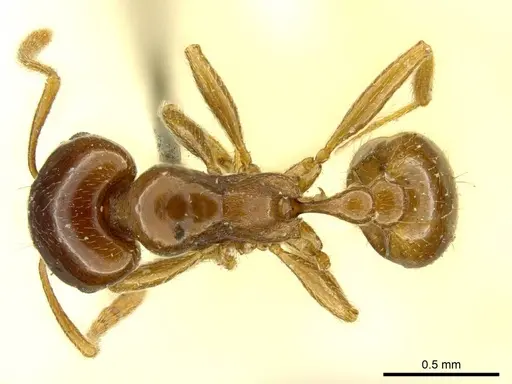
Literature
Loading distribution map...Loading products...