
Tetramorium gabonense
- Sci. Name
- Tetramorium gabonense
- Tribe
- Crematogastrini
- Subfamily
- Myrmicinae
- Author
- André, 1892
- Distribution
- Found in 8 countries
Introduction
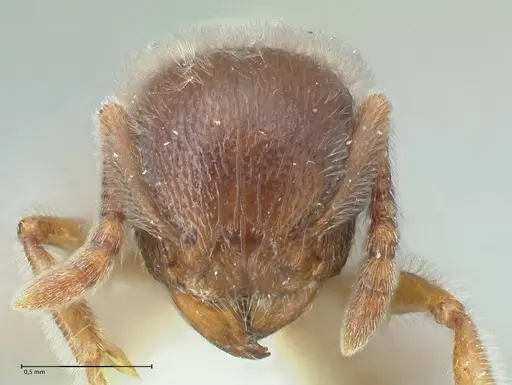
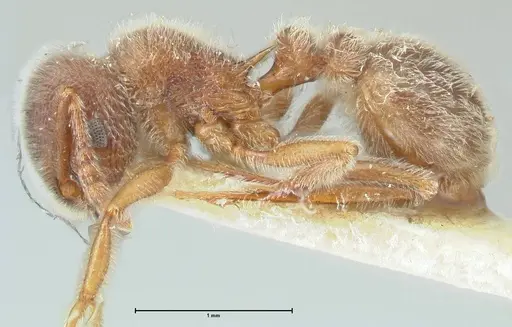
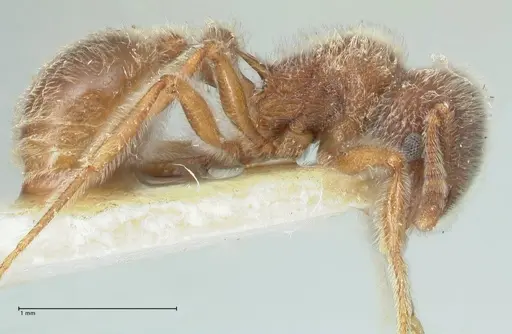
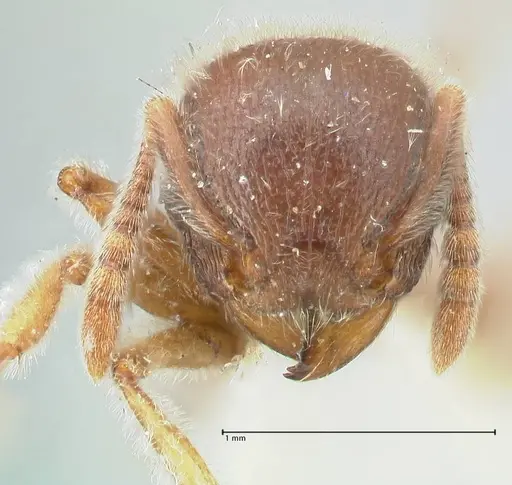
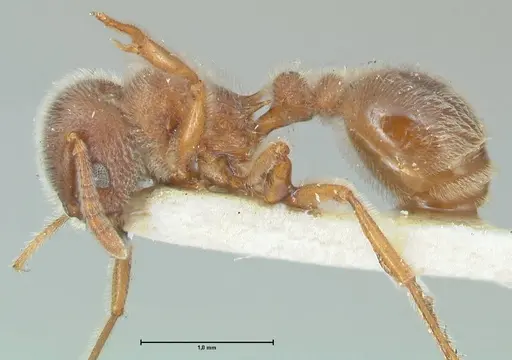
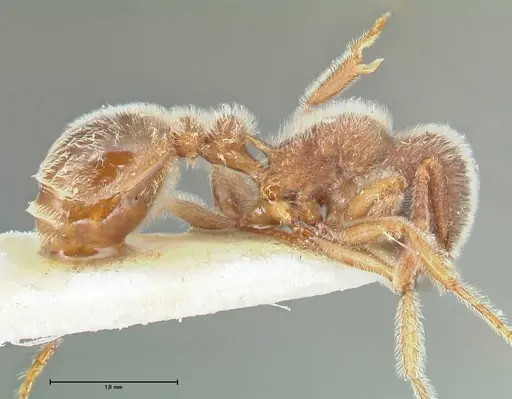
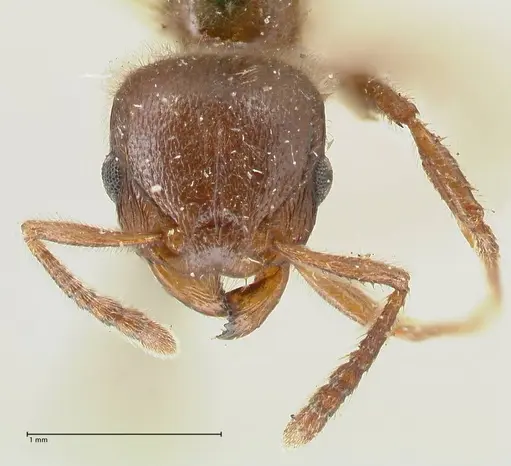
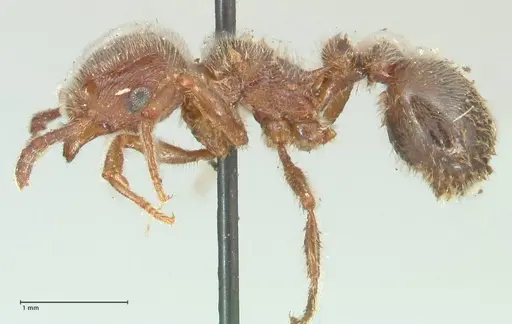
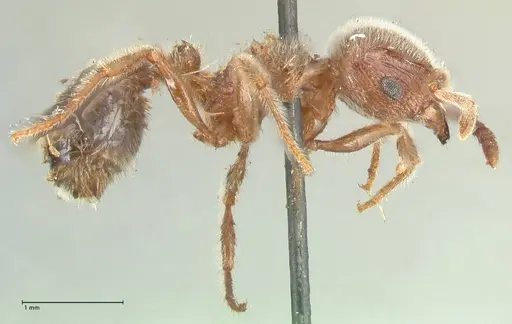
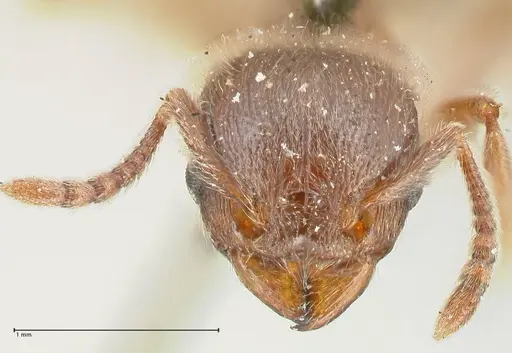
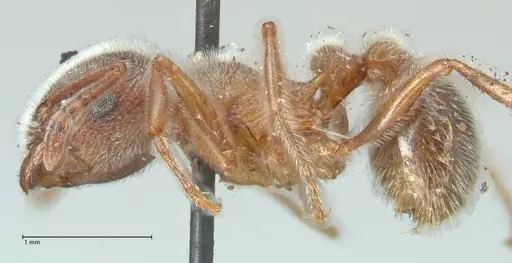
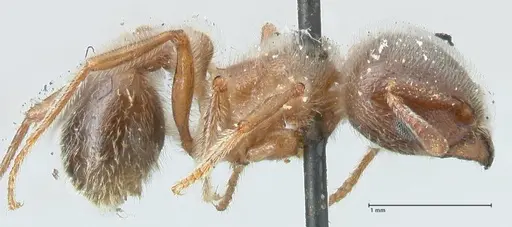
Tetramorium gabonense is a small, ground-dwelling ant from West and Central Africa, with records in Cameroon and the Congo . It has been found in the stomachs of toads in the Congo, indicating it is preyed upon . This species is part of the hyperdiverse Tetramorium genus. Its natural history in the wild is poorly documented, and most care recommendations are inferred from its rainforest origin and related species.
Quick Summary
- Difficulty: Easy
- Origin & Habitat: West and Central Africa, recorded in lowland rainforests of southeast Cameroon and Congo [1][2]. Found across multiple forest types including primary, secondary, and riparian zones [2].
- Colony Type: Unconfirmed, no published data on social structure. Most Tetramorium are monogyne, but this has not been verified for this species.
- Size & Growth:
- Queen: Not directly measured. Inferred from typical Tetramorium genus: ~6-8 mm.
- Worker: Not directly measured. Inferred from typical Tetramorium genus: ~2.5-4 mm.
- Colony: Unknown, no colony size data available.
- Growth: Unknown, no documented growth rate.
- Development: Unknown, no published data. Inferred from other Tetramorium, possibly 6-8 weeks at warm temperatures, but this is speculative. (All development times are unconfirmed and based on genus-level inference.)
- Antkeeping:
- Temperature: Keep warm (24-28°C) as inferred from its tropical rainforest habitat [2]. A slight gradient with cooler spots at 22°C is safe, but avoid prolonged drops below 22°C.
- Humidity: High humidity (substrate consistently damp but not waterlogged), inferred from rainforest origin [2]. Aim for conditions that feel moist but have no standing water.
- Diapause: No, as a tropical species from near the equator [2], it does not require hibernation. Maintain stable warmth year-round.
- Nesting: Y-tong (AAC), plaster, or soil nests that retain humidity and provide dark chambers. No specific nesting data, but ground-nesting is typical for Tetramorium.
- Behavior: Temperament is unstudied, but most Tetramorium are calm and non-aggressive. As a member of tribe Crematogastrini, it likely uses a smear defense: applying venom with a modified spatulate stinger rather than piercing. Escape risk is moderate due to small size, use barriers like Fluon on container rims.
- Common Issues: lack of species‑specific data means husbandry relies on inference, unexpected issues may arise., high humidity demands can cause mold if ventilation is poor, ensure some airflow while maintaining moisture., small workers can drown in open water, always use cotton wicks, sponges, or other barriers., tropical species are sensitive to temperatures below 22°C, avoid cold drafts or air conditioning., limited founding and growth information makes colony establishment from wild queens unpredictable.
Housing and Nest Setup
Because Tetramorium gabonense originates from rainforests [2], high humidity is essential. A Y‑tong (AAC) or plaster nest works well because both materials hold moisture. Start with a test tube setup for a queen or small colony. Chamber size should be snug for these small ants. If using a naturalistic setup, use a moist sand‑clay mix. Always provide an outworld for foraging. Place the nest in a quiet spot away from direct sunlight and vibrations.
Feeding and Diet
No specific diet data exists, but the species is assumed to be a generalist feeder like most Tetramorium. Offer small protein sources (fruit flies, pinhead crickets, pieces of mealworm) and sugar water or honey. Feed small amounts 2-3 times per week for established colonies, removing uneaten prey after 24 hours. For a founding queen, do not offer food until the first workers appear, the queen will rely on her stored reserves until then.
Temperature and Humidity
As a West African rainforest species [2], Tetramorium gabonense needs warm, humid conditions. Keep the nest area at 24-28°C, use a heating cable on the side or above the nest if your room is cooler. Avoid heating from below to prevent rapid moisture loss. The nest substrate should feel consistently damp without pooled water. Maintain high humidity (roughly 70-80%) by misting the outworld or adding water to the nest material. Poor humidity will stress the colony, while excess moisture can cause mold.
Colony Establishment
Founding behavior is unconfirmed, but typical Tetramorium queens are claustral (seal themselves in a chamber and raise the first brood on stored fat). Place a freshly mated queen in a test tube setup with a water reservoir and cotton plug. Do not disturb her, checking too often may cause stress or brood cannibalism. First workers (nanitics) will be smaller than later generations. Once the colony reaches a dozen workers, you can connect a small outworld. Growth rate is unknown, so be patient.
Seasonal Care
This tropical species does not undergo diapause. Maintain consistent heat and humidity year‑round [2]. Avoid placing the colony near air conditioning, cold windows, or other sources of temperature fluctuation. In cooler months you may need extra heating, but the colony should remain active and grow steadily if conditions are stable.
Frequently Asked Questions
How long does it take for Tetramorium gabonense to go from egg to worker?
The exact timeline is unknown. Based on related Tetramorium species, at 24-28°C it probably takes about 6-8 weeks from egg to first worker, but this is only an estimate.
What temperature do Tetramorium gabonense ants need?
Keep them at 24-28°C, as inferred from their rainforest habitat [2]. A slight gradient to 22°C is fine, but avoid prolonged cold spells.
Do Tetramorium gabonense ants need hibernation?
No, they are tropical and do not require hibernation. Keep warm temperatures constant all year [2].
How big do Tetramorium gabonense colonies get?
Maximum colony size has not been reported. Many Tetramorium species reach several hundred workers, but this is speculation.
Can I keep multiple Tetramorium gabonense queens together?
No data exists on whether they are polygynous. Most Tetramorium are monogyne, so it is safest to assume a single queen per colony. Combining queens would likely lead to aggression.
What do Tetramorium gabonense ants eat?
They are assumed to be generalist feeders. Offer small insects (fruit flies, pinhead crickets) for protein and sugar water or honey for carbohydrates.
Are Tetramorium gabonense ants good for beginners?
Yes, they are easy if you can provide stable warmth and high humidity. However, the lack of species‑specific data means you may encounter unexpected issues. They are a low‑risk choice for those with basic ant‑keeping experience.
Do Tetramorium gabonense ants sting?
Like most myrmicines, they have a stinger, but they are not aggressive. As a member of tribe Crematogastrini, they likely use a smear defense, wiping venom onto the enemy rather than piercing, so stings are probably mild and rare.
When should I move my Tetramorium gabonense colony to a formicarium?
No exact recommendation exists. A test tube setup can house a small colony for months. Once the tube is crowded (roughly 30-50 workers) or the water runs low, move them to a Y‑tong or plaster nest with an outworld.
Why is my Tetramorium gabonense colony dying?
Likely causes: temperatures below 22°C persistent, humidity too low (substrate dry), mold from over‑moisturizing with poor ventilation, disturbance during founding, or drowning in open water. Ensure conditions match their rainforest origin [2] and avoid sudden environmental changes.
Report an Issue
The current care sheet is based fully on literature. See inconsistencies, or something that's incorrect? Please , it will be resolved after review from an admin. Contributing to the blogs tab also helps providing information, to make us be able to further improve the caresheets. Thank you for your support!
References

This caresheet is licensed under CC BY-SA 4.0 .
Community Blogs
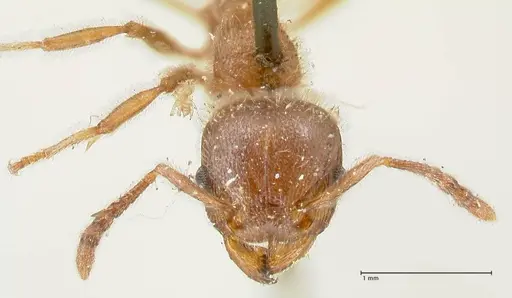
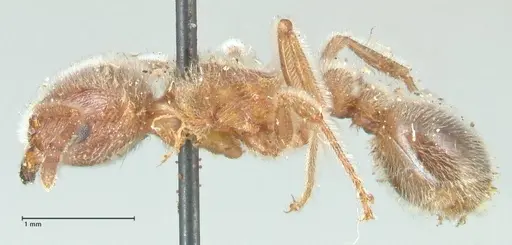
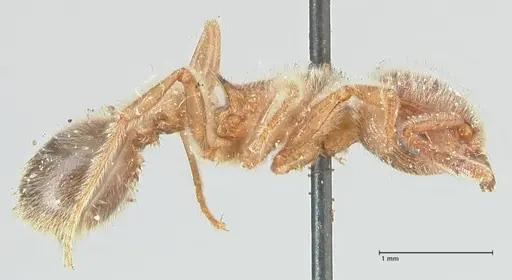
CASENT0090033
View on AntWeb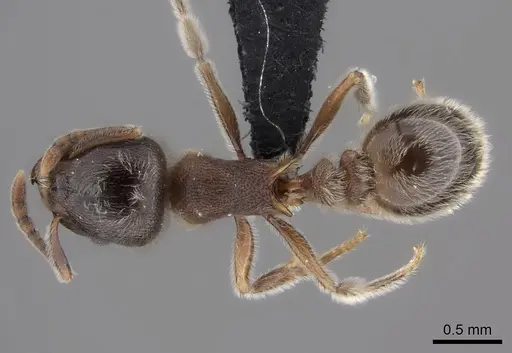
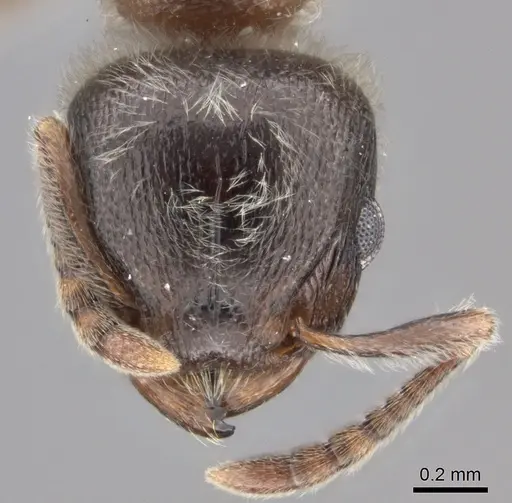
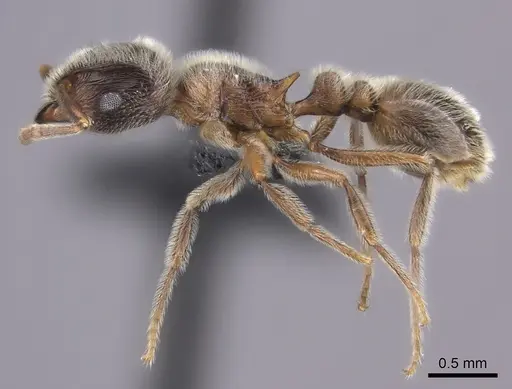
CASENT0217073
View on AntWeb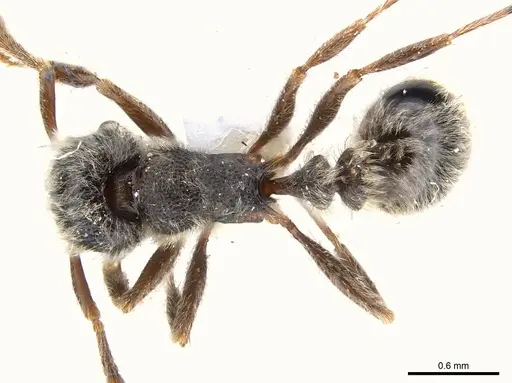
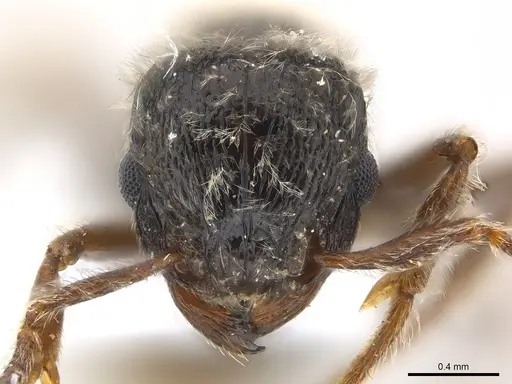
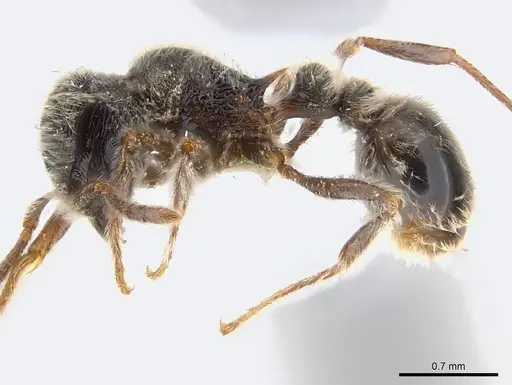
CASENT0217968
View on AntWeb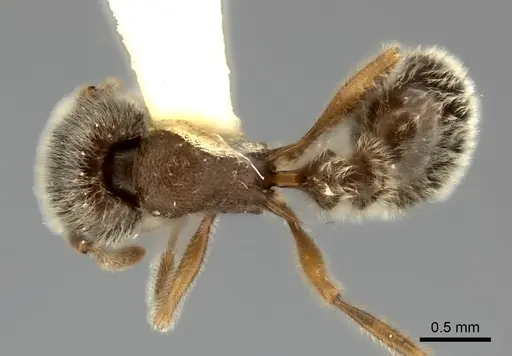
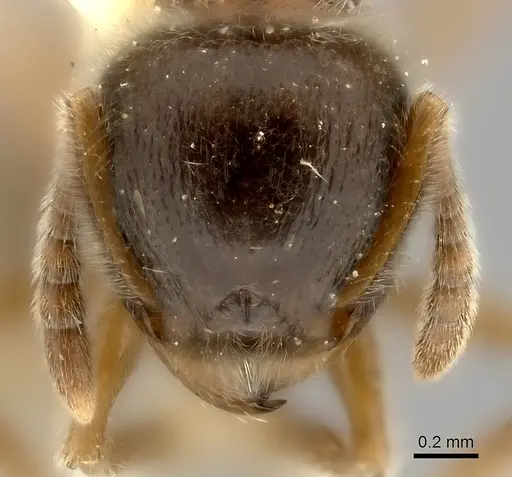
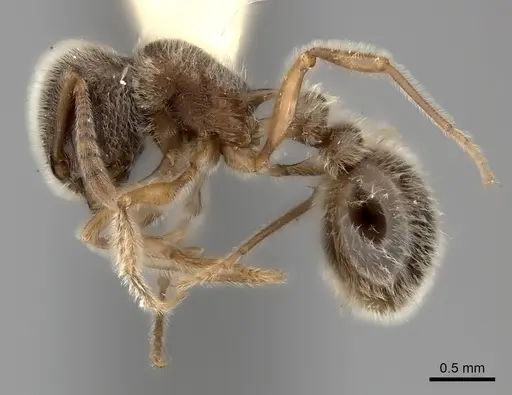
CASENT0909087
View on AntWeb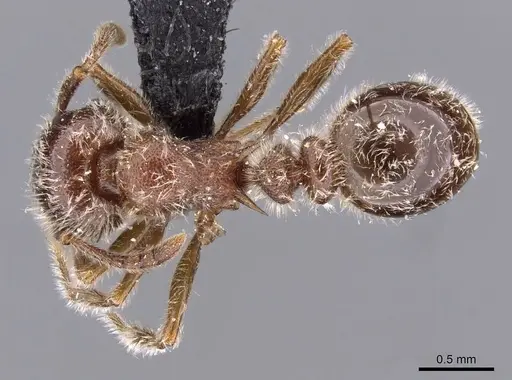
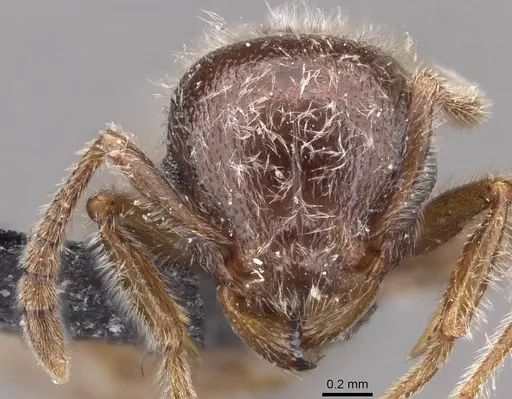
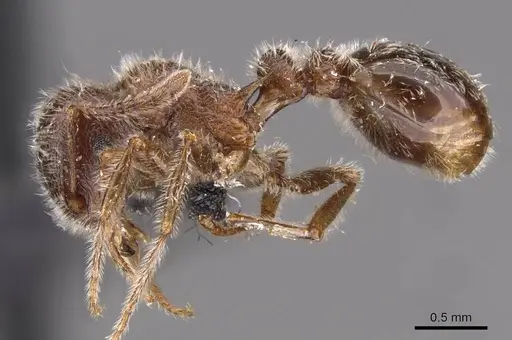
CASENT0909088
View on AntWeb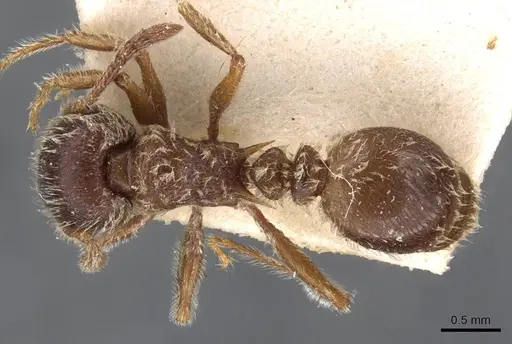
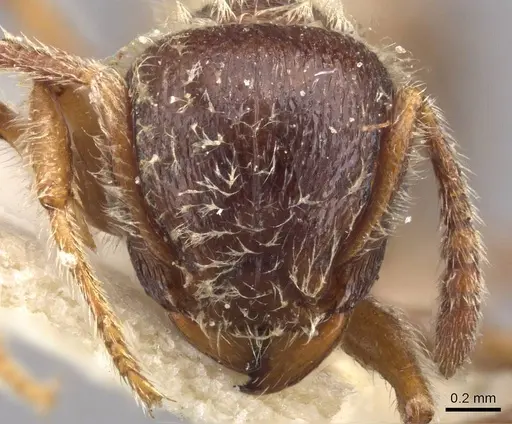
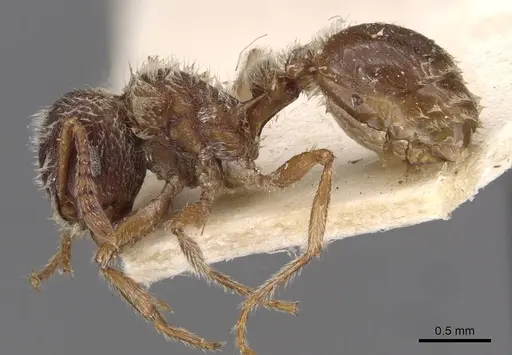
CASENT0909091
View on AntWeb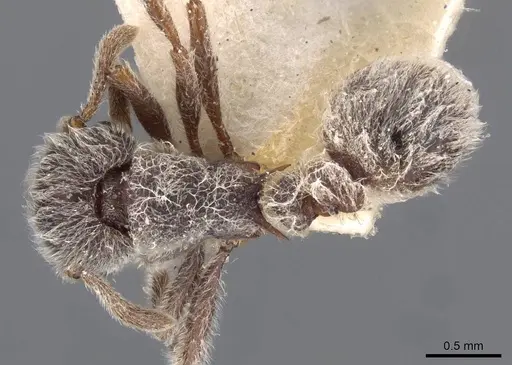
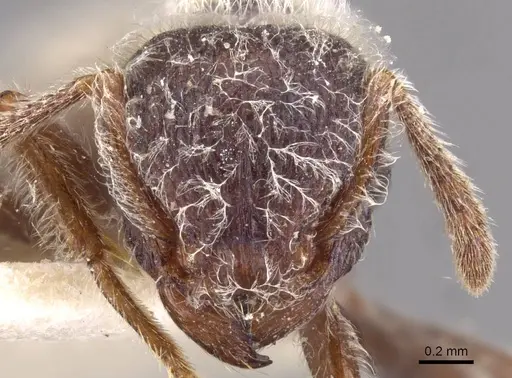
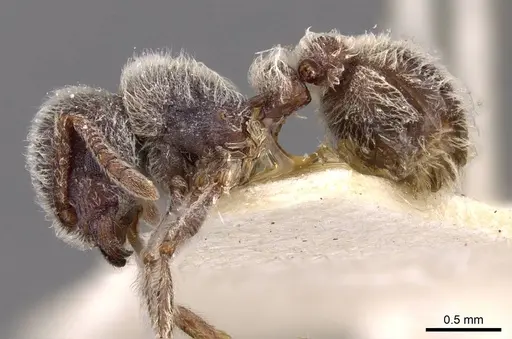
CASENT0915013
View on AntWeb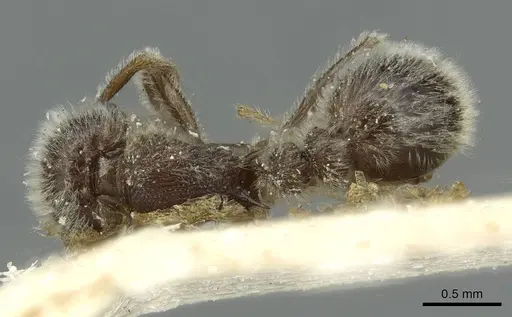
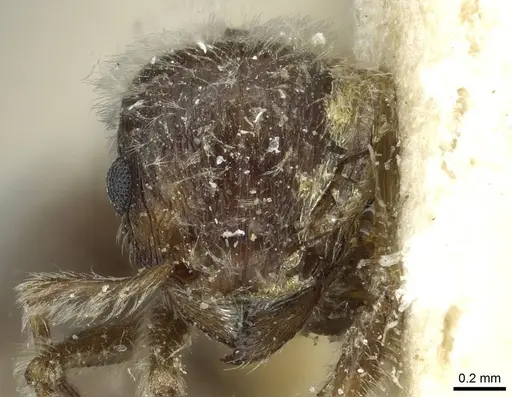
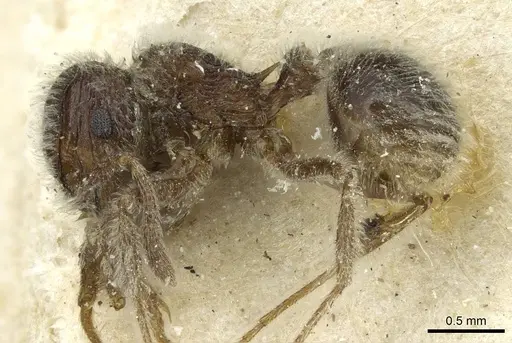
CASENT0915014
View on AntWeb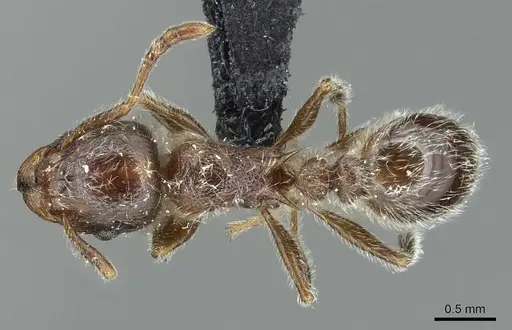
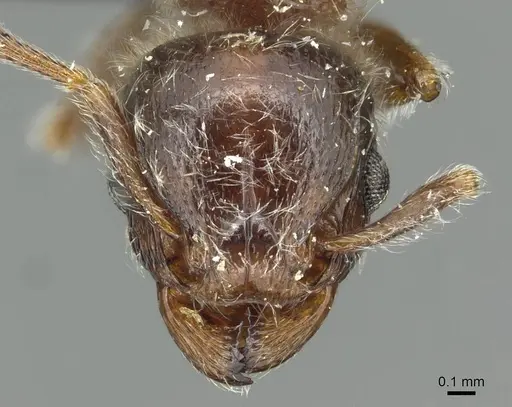
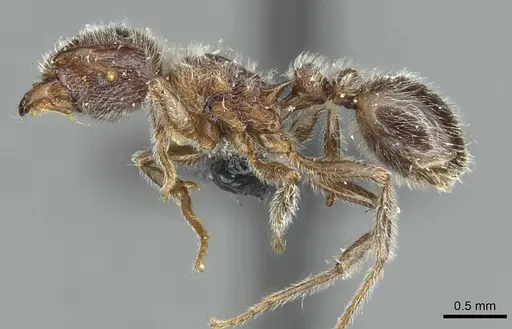
CASENT0915428
View on AntWeb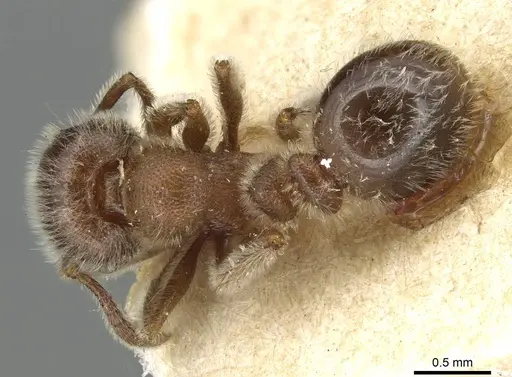
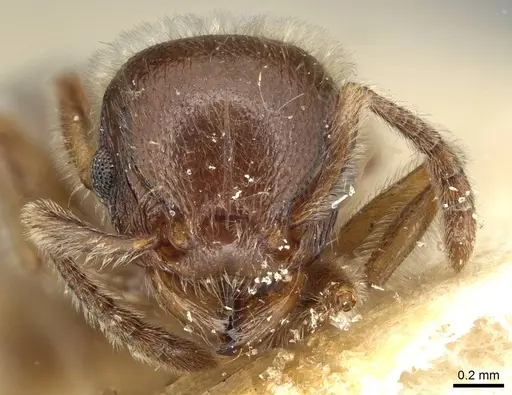
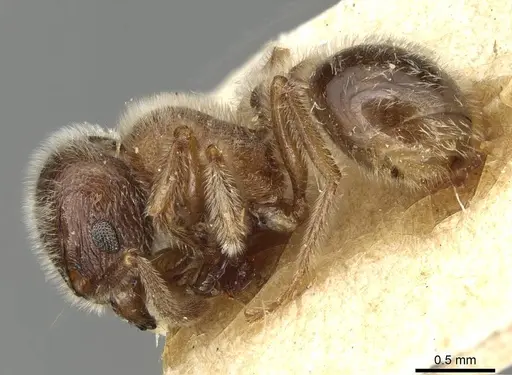
FOCOL2048
View on AntWeb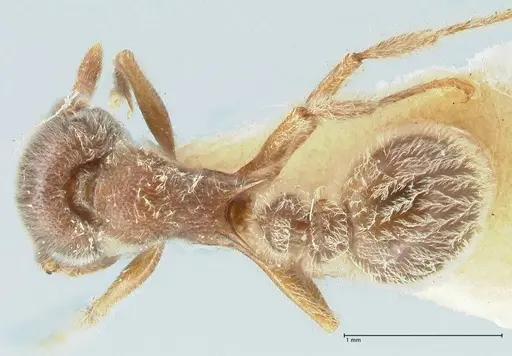
FOCOL2049
View on AntWeb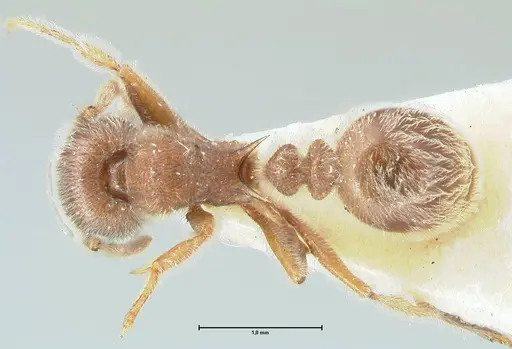
FOCOL2050
View on AntWeb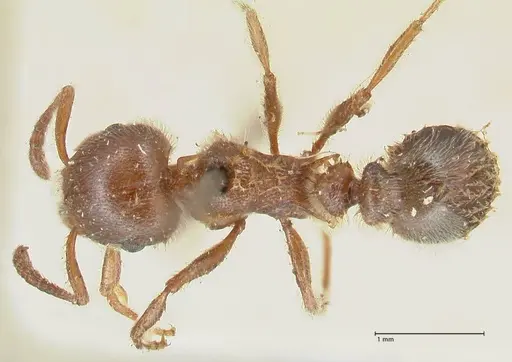
FOCOL2051
View on AntWeb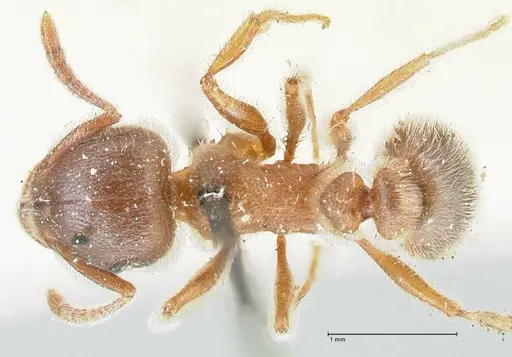
FOCOL2052
View on AntWeb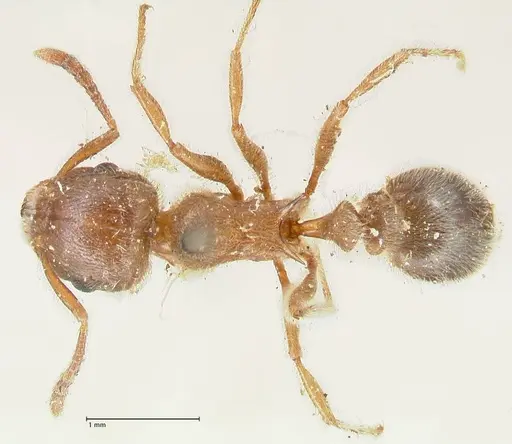
Literature
Loading distribution map...Loading products...