
Tetramorium furtivum
- Sci. Name
- Tetramorium furtivum
- Tribe
- Crematogastrini
- Subfamily
- Myrmicinae
- Author
- Arnold, 1956
- Distribution
- Found in 12 countries
Introduction
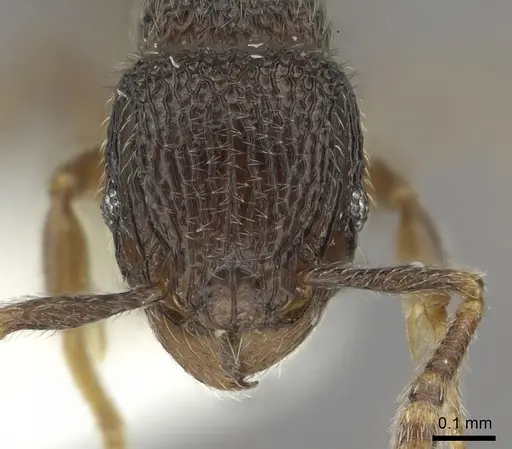
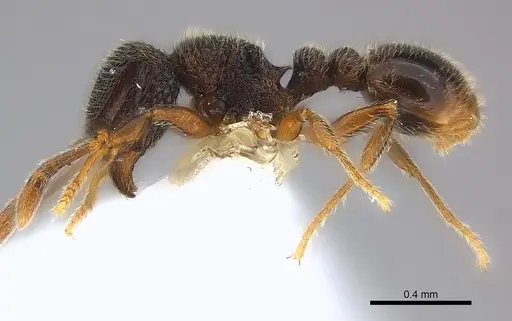
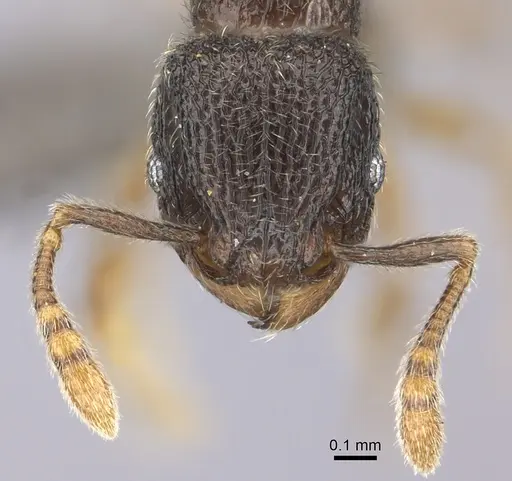
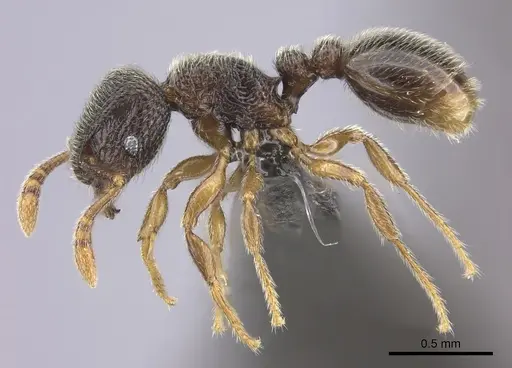
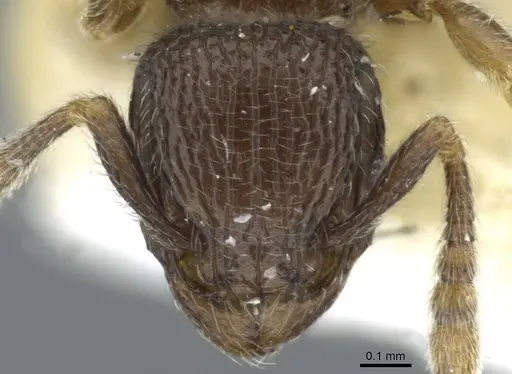
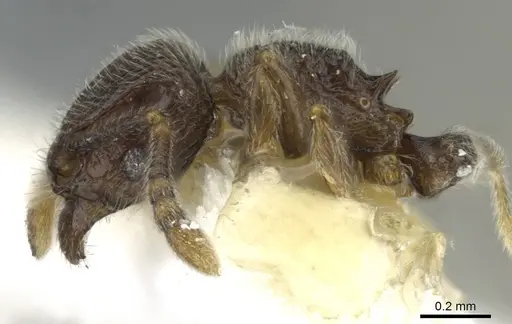
Tetramorium furtivum is a small ant from the Afrotropical region, originally described from Zimbabwe in 1956 as Triglyphothrix furtiva. Bolton reclassified it into the genus Tetramorium in 1985 . It was previously confused with Tetramorium minimum before being recognized as distinct . These ants live in leaf litter on the forest floor across West and Central Africa, including Nigeria, Ghana, Gabon, Côte d'Ivoire, and Uganda . They belong to the tribe Crematogastrini within Myrmicinae. Like many Tetramorium, they are tiny, dark-colored, and adapted to humid, shaded microhabitats.
Quick Summary
- Difficulty: Medium
- Origin & Habitat: Found across the Afrotropical region including Nigeria, Uganda, Tanzania, Zimbabwe, Gabon, Ghana, and Côte d'Ivoire. They inhabit leaf litter in humid forest environments [3][2][4].
- Colony Type: Unconfirmed, likely monogyne (single queen) based on Tetramorium genus patterns, but this has not been studied in this species.
- Size & Growth:
- Queen: Size data unavailable, based on Tetramorium genus patterns, queens are roughly 5-7mm.
- Worker: Size data unavailable, based on Tetramorium genus patterns, workers are roughly 2-3mm.
- Colony: Unknown, not documented. Related Tetramorium species can reach a few hundred to over a thousand workers, but no data for this species.
- Growth: Unknown, likely moderate based on Tetramorium patterns.
- Development: Estimated 6-8 weeks at 25-28°C (inferred from related Tetramorium species) (Actual timing for this species has not been documented.)
- Antkeeping:
- Temperature: Keep at 24-28°C (tropical species, inferred from Afrotropical distribution). Provide a slight temperature gradient so ants can choose. Avoid prolonged temperatures below 22°C.
- Humidity: High humidity is essential, these are leaf-litter ants from humid forest floors. Keep the nest substrate consistently moist but not waterlogged. Provide a water tube. Balance humidity with good ventilation to prevent mold.
- Diapause: No true diapause required (tropical species). They remain active year-round at warm temperatures.
- Nesting: Y-tong (AAC) or plaster nests work well. Chambers must be appropriately sized for tiny workers (2-3mm). Test tube setups work for founding. Naturalistic setups with leaf litter and moist substrate suit their forest-floor origin.
- Behavior: These are small, generally non-aggressive ants. They are active foragers searching for small prey and honeydew. Their tiny size makes escape prevention critical, use fine mesh and tight barriers. They do not pose a stinging threat to keepers.
- Common Issues: high humidity needs can lead to mold if ventilation is poor, ensure airflow, small size makes escape prevention critical, they can squeeze through standard barrier gaps, tropical species may struggle if temperatures drop below 22°C for extended periods, wild-caught colonies may carry parasites from their native habitat, limited research means some care aspects are inferred from related species
Housing and Nest Setup
Tetramorium furtivum is a small leaf-litter ant that needs high humidity. Y-tong (AAC) or plaster nests are good choices, both hold humidity well. Make chambers small enough for tiny workers (2-3mm). A test tube works for founding, but move to a proper nest once the colony grows beyond 20-30 workers. Include a water tube for drinking. Use a small outworld for foraging. Escape prevention is critical: use fine mesh or tight-fitting lids because these ants can squeeze through standard gaps. [2][3]
Feeding and Diet
Like most Tetramorium, these ants are omnivorous. Offer small protein sources: fruit flies, small mealworms, or other tiny insects 2-3 times per week. Keep a constant sugar source available, sugar water, honey, or honeydew. In nature, they forage for honeydew from aphids and small arthropods. Remove uneaten prey after 24 hours to prevent mold. Their small size means prey must be appropriately sized.
Temperature and Seasonal Care
As a tropical African species, Tetramorium furtivum needs warm temperatures. Keep the nest at 24-28°C for best brood development. They do not need hibernation or diapause, they stay active year-round. In cooler climates, use a heating cable on one side of the nest to create a gradient. Avoid temperatures below 22°C for extended periods. Room temperature in heated homes often works. [3]
Humidity and Moisture
High humidity is critical. These ants naturally live in leaf litter on humid forest floors in West and Central Africa [2][3]. Keep the nest substrate consistently moist but not waterlogged. A water tube connected to the nest helps keep humidity up and provides drinking water. Mist the outworld occasionally but avoid pooling water. Poor humidity can kill the colony. Balance moisture with ventilation to prevent mold.
Colony Development
The queen likely founds claustrally (sealing herself in a chamber and raising the first workers on stored reserves), typical for Tetramorium. First workers (nanitics) will be smaller than mature workers. Based on related Tetramorium, egg to first worker takes about 6-8 weeks at 25-28°C. Growth is moderate. Maximum colony size is not documented but related species can reach several hundred workers. Do not disturb the queen during founding. [4]
Frequently Asked Questions
How long does it take for Tetramorium furtivum to get first workers?
Based on related Tetramorium species, first workers (nanitics) appear about 6-8 weeks after egg laying at 25-28°C. Exact timing for this species has not been documented.
What do Tetramorium furtivum ants eat?
They are omnivorous. Offer small protein sources (fruit flies, tiny mealworms) 2-3 times per week and a constant sugar source (sugar water, honey). Remove uneaten prey after 24 hours.
Do Tetramorium furtivum ants need hibernation?
No. As a tropical African species, they do not need hibernation or diapause. They stay active year-round at warm temperatures.
Are Tetramorium furtivum ants good for beginners?
Rated as Medium difficulty. They need high humidity and escape-proof setups, making them better for keepers with some experience.
What temperature do Tetramorium furtivum ants need?
Keep them at 24-28°C. Provide a gradient with a heating cable if needed. Avoid temperatures below 22°C.
How big do Tetramorium furtivum colonies get?
Colony size is not documented for this species. Related Tetramorium species can reach several hundred workers, but this is unconfirmed.
Can I keep multiple Tetramorium furtivum queens together?
Not recommended. This species is likely monogyne (single queen) based on Tetramorium patterns. Combining queens has not been studied and may lead to fighting.
Do Tetramorium furtivum ants sting?
They are not known for stinging and are non-aggressive. Like all Myrmicinae, they have a stinger, but it is used for defense in a modified way (smearing venom) rather than piercing.
Why are my Tetramorium furtivum ants dying?
Common causes: low humidity, temperatures below 22°C, escape through small gaps, or parasites in wild-caught colonies. Check your humidity, temperature, and barriers.
When should I move Tetramorium furtivum to a formicarium?
Move them once the colony reaches 20-30 workers. A test tube works for founding, but a Y-tong or plaster nest gives better humidity control for larger colonies.
Report an Issue
The current care sheet is based fully on literature. See inconsistencies, or something that's incorrect? Please , it will be resolved after review from an admin. Contributing to the blogs tab also helps providing information, to make us be able to further improve the caresheets. Thank you for your support!
References

This caresheet is licensed under CC BY-SA 4.0 .
Community Blogs
CASENT0217072
View on AntWeb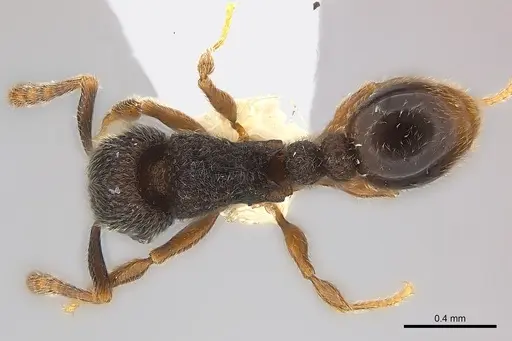
CASENT0235775
View on AntWeb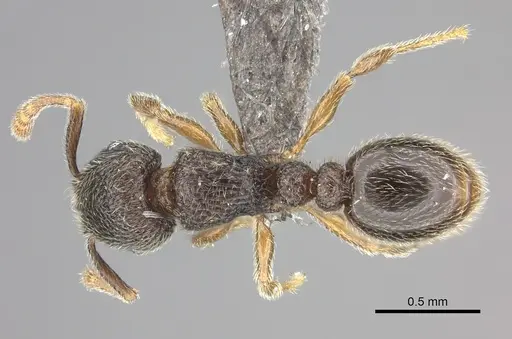
CASENT0775231
View on AntWeb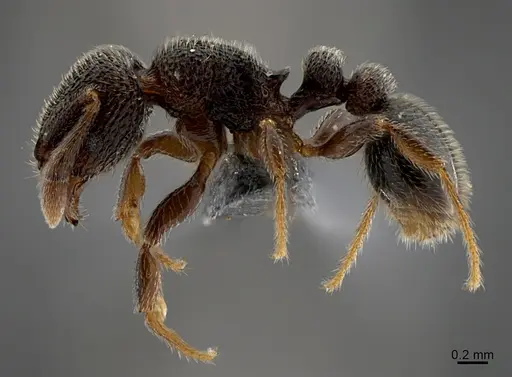
CASENT0911250
View on AntWeb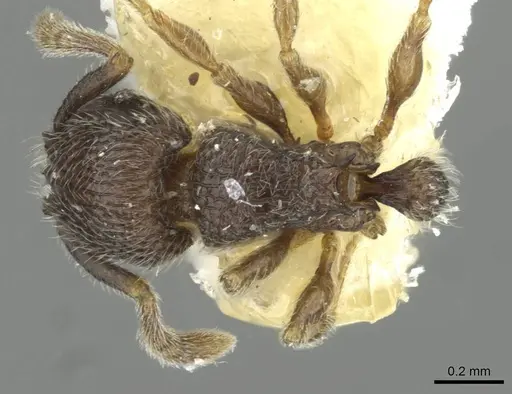
Literature
Loading distribution map...Loading products...