
Tetramorium fulviceps
- Sci. Name
- Tetramorium fulviceps
- Tribe
- Crematogastrini
- Subfamily
- Myrmicinae
- Author
- Emery, 1897
- Distribution
- Found in 2 countries
Introduction
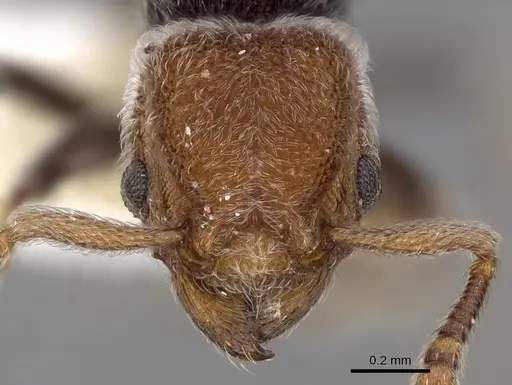
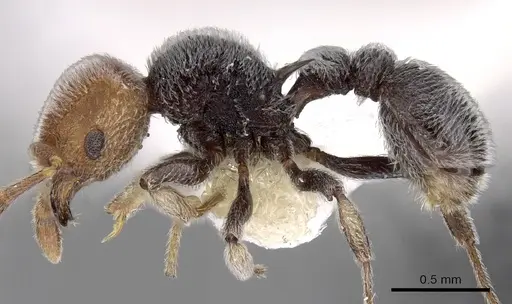
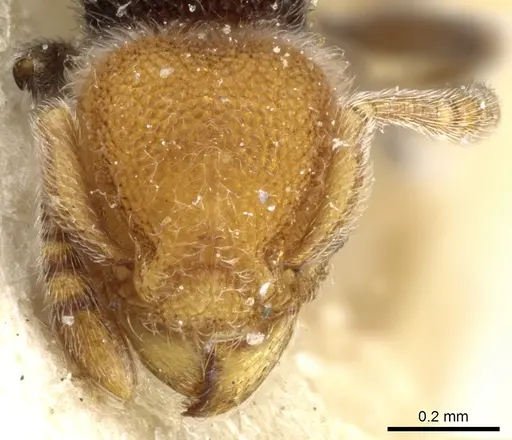
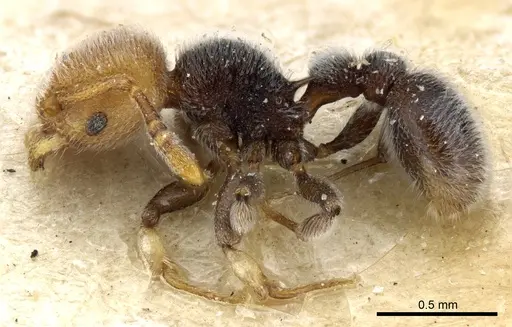
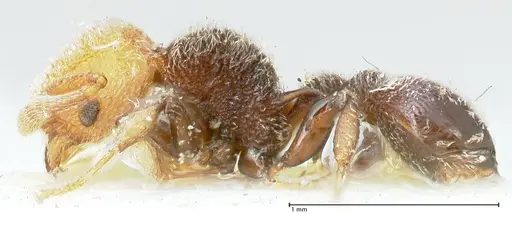
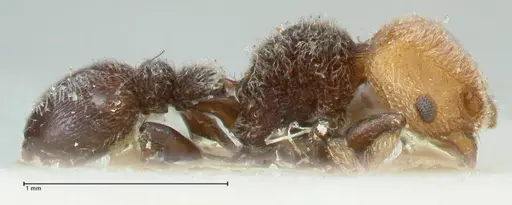
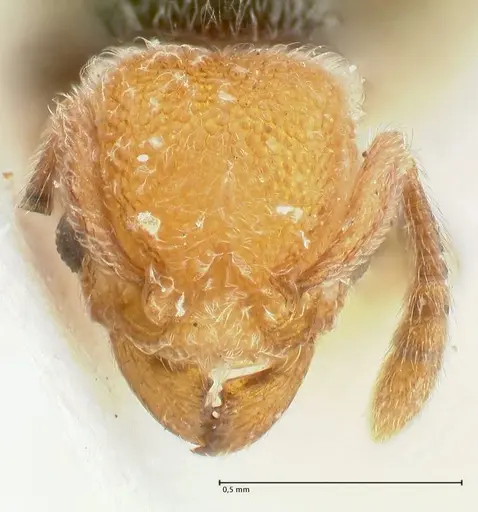
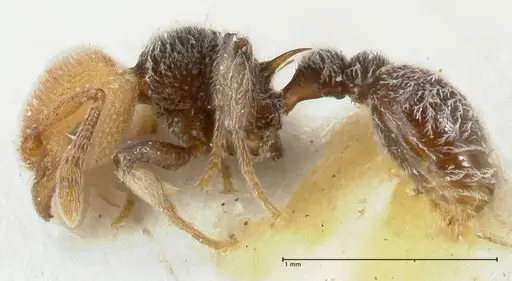
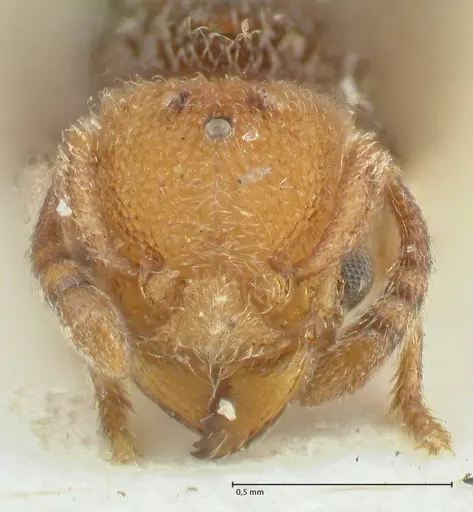
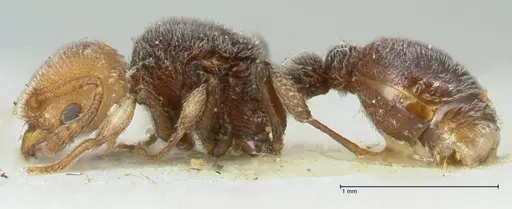
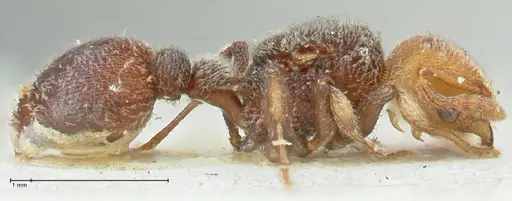
Tetramorium fulviceps is a rarely-studied ant from New Guinea and the Santa Cruz Islands . Workers have the typical Tetramorium look: 12-segmented antennae, bidentate mandibles, and a sculptured head. Originally described as Triglyphothrix fulviceps, it was moved to Tetramorium by Bolton in 1985 . Almost everything about its biology in the wild is unknown - most records are from early 20th century collections. Since it comes from tropical lowland rainforest, you can expect it to need warm, humid conditions in captivity.
Quick Summary
- Difficulty: Hard
- Origin & Habitat: New Guinea and Santa Cruz Islands, tropical lowland rainforest [1][2].
- Colony Type: Unconfirmed, likely single-queen (monogyne) based on common Tetramorium patterns, but no direct data exists.
- Size & Growth:
- Queen: Size data unavailable
- Worker: Size data unavailable, inferred from Tetramorium genus patterns, workers are probably around 3-5 mm.
- Colony: Unknown, no colony size data exists for this species.
- Growth: Moderate, inferred from genus patterns.
- Development: Estimated 6-8 weeks at tropical temperatures (25-28°C) based on related Tetramorium species. (Direct data are missing, timing may vary with food and temperature.)
- Antkeeping:
- Temperature: Keep at 24-28°C, these ants come from a consistently warm tropical region. Use a heating cable on one side of the nest to create a gradient. Avoid drops below 22°C for extended periods.
- Humidity: High humidity (70-80% relative humidity) is critical. Keep the nest substrate consistently moist but not waterlogged. A water reservoir or moisture chamber helps maintain stability.
- Diapause: No, as a tropical species they do not need hibernation. Keep conditions stable year-round.
- Nesting: In the wild they likely nest in soil or under stones on the forest floor. In captivity, a Y-tong (AAC) or plaster nest works well because it holds humidity. Keep the nest dark and provide a moisture source.
- Behavior: Tetramorium fulviceps belongs to a subfamily that uses a smear defense: instead of stinging, workers wipe a spatulate stinger to apply venom on enemies. They are generally non-aggressive towards keepers unless the nest is disturbed. Escape risk is moderate due to small size, use standard barrier methods like Fluon on test tube rims.
- Common Issues: high humidity requirements can be difficult to maintain, dry conditions quickly stress the colony., tropical temperature needs may require supplemental heating in cooler climates., this species is rarely available in the hobby due to its limited distribution., no specific dietary information exists, start with standard ant foods and observe acceptance., wild-caught colonies may harbour parasites from their native range.
Temperature and Care
Tetramorium fulviceps comes from the tropical rainforests of New Guinea [1]. That means you need to keep them warm, aim for 24-28°C inside the nest. A small heating cable on one side creates a temperature gradient so the ants can choose their comfort zone. Avoid long periods below 22°C, these ants haven't evolved to handle cold. Room temperature may not be enough depending on your climate, so monitor with a thermometer.
Humidity Requirements
New Guinea rainforests are extremely humid [1], and this species will need similarly high moisture in captivity. Aim for 70-80% relative humidity. The nest substrate should feel consistently moist but never waterlogged. A water reservoir or moisture chamber connected to the nest helps keep humidity stable. If you see condensation on the nest walls, you're in the right range. If the ants cluster near the water source, increase humidity.
Feeding and Diet
No one has studied the diet of Tetramorium fulviceps, so start with what most Tetramorium ants eat. Offer sugar water or honey as a constant energy source. For protein, give small insects like fruit flies, pinhead crickets, or mealworms once or twice a week. Remove uneaten prey after 24-48 hours to prevent mold. Because they're tropical, they might have higher energy needs, watch the colony's consumption and adjust.
Nesting Preferences
In their native New Guinea rainforest [1], these ants probably nest in soil or under stones. In captivity, a Y-tong (AAC) or plaster nest works well because it holds humidity. Make sure chambers are sized appropriately for small workers (around 3-5 mm). Include a water feeder or moisture source. For a founding colony, a test tube setup with a dark cover is fine, insulate the tube to keep moisture and temperature steady.
Colony Development
This species hasn't been kept in captivity, so exact development times are unknown. Based on typical Tetramorium patterns, the queen likely seals herself in a claustral chamber (no feeding needed) and raises the first nanitic workers in about 6-8 weeks at optimal temperatures. The first batch will be smaller than later workers, that's normal. Growth should be moderate, but be patient. Tropical species may respond to slight seasonal changes even without diapause.
Frequently Asked Questions
How long does it take for Tetramorium fulviceps to produce first workers?
No direct data exists. Based on typical Tetramorium, expect 6-8 weeks from egg to first worker at 25-28°C. The queen will raise this first batch alone (claustral founding).
What temperature do Tetramorium fulviceps ants need?
Keep them at 24-28°C because they come from the tropics of New Guinea [1]. A heating cable on part of the nest helps maintain this range in cooler climates.
Do Tetramorium fulviceps ants need hibernation?
No, as a tropical species they do not need winter cooling. Keep conditions warm and stable year-round.
How big do Tetramorium fulviceps colonies get?
Colony size data is unavailable. Based on typical Tetramorium patterns, expect moderate sizes (hundreds of workers) over time, not supercolonies.
What do Tetramorium fulviceps eat?
No specific dietary studies exist. Offer sugar water or honey as a constant energy source, and small protein prey like fruit flies, pinhead crickets, or mealworms. Remove uneaten prey after 24-48 hours.
Are Tetramorium fulviceps ants aggressive?
Based on their subfamily (Myrmicinae, tribe Crematogastrini), they use a smear defense: workers have a spatulate stinger to wipe venom onto enemies. They are generally non-aggressive toward keepers unless the nest is disturbed.
Can I keep multiple Tetramorium fulviceps queens together?
Colony structure is unconfirmed. Most Tetramorium are single-queen (monogyne). Do not combine unrelated queens without observing acceptance, aggression is common.
What humidity level do Tetramorium fulviceps need?
High humidity, aim for 70-80% relative humidity. Keep the nest substrate moist but not waterlogged. These ants come from humid New Guinea rainforests [1].
Is Tetramorium fulviceps a good beginner species?
Not ideal. It requires high humidity, stable warmth, and is rarely available. If you want to try a Tetramorium, start with a well-documented species like Tetramorium caespitum or Tetramorium bicarinatum.
How do I set up a nest for Tetramorium fulviceps?
Use a Y-tong (AAC) or plaster nest, they hold humidity well. Size chambers for small workers (~3-5 mm). Include a water reservoir or moisture source. For a founding colony, a dark test tube setup works.
Report an Issue
The current care sheet is based fully on literature. See inconsistencies, or something that's incorrect? Please , it will be resolved after review from an admin. Contributing to the blogs tab also helps providing information, to make us be able to further improve the caresheets. Thank you for your support!
References

This caresheet is licensed under CC BY-SA 4.0 .
Community Blogs
CASENT0280878
View on AntWeb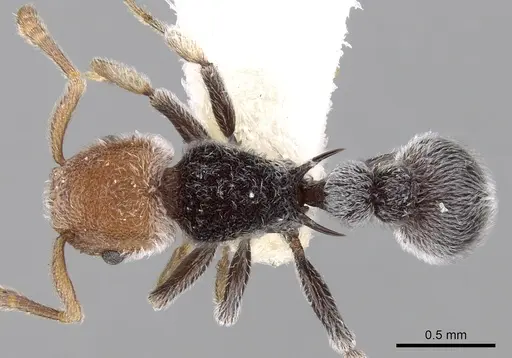
CASENT0904796
View on AntWeb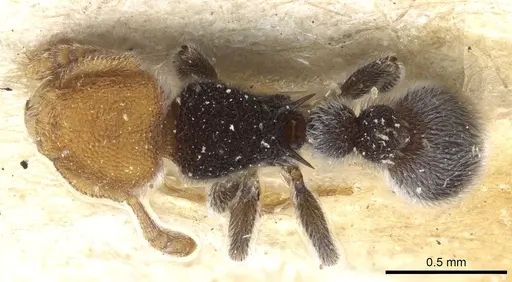
FOCOL2064
View on AntWeb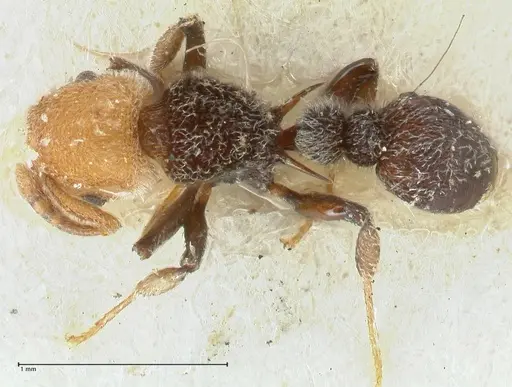
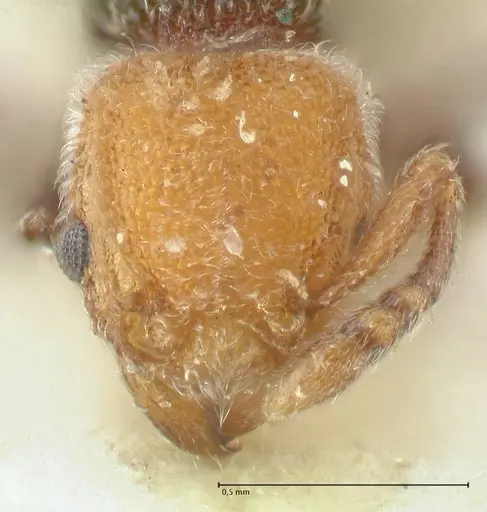
FOCOL2065
View on AntWeb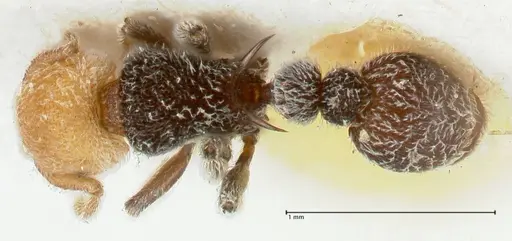
FOCOL2066
View on AntWeb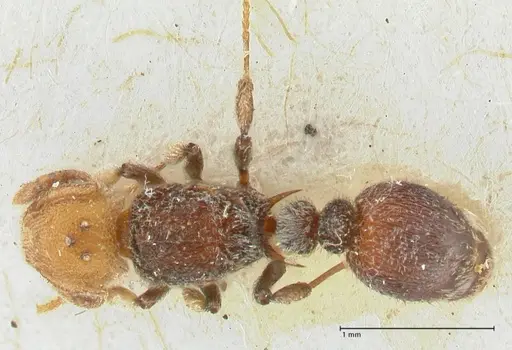
Literature
Loading distribution map...Loading products...