
Tetramorium dumezi
- Sci. Name
- Tetramorium dumezi
- Tribe
- Crematogastrini
- Subfamily
- Myrmicinae
- Author
- Menozzi, 1942
- Distribution
- Found in 5 countries
Introduction
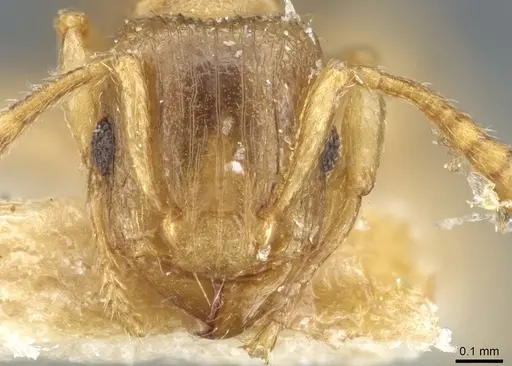
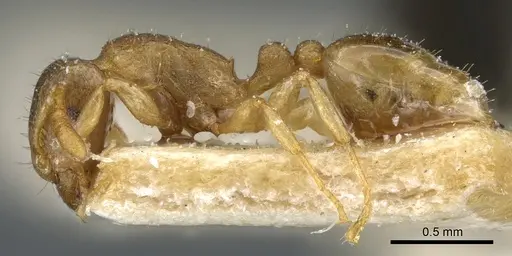
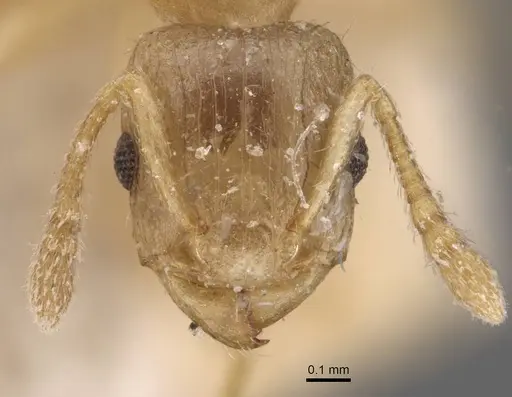
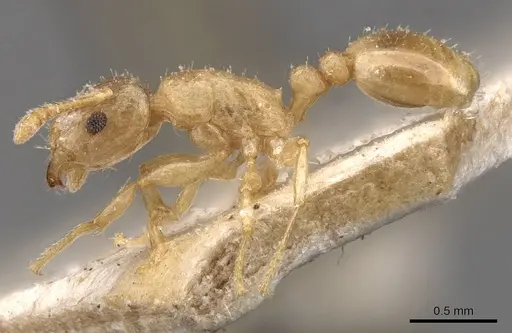
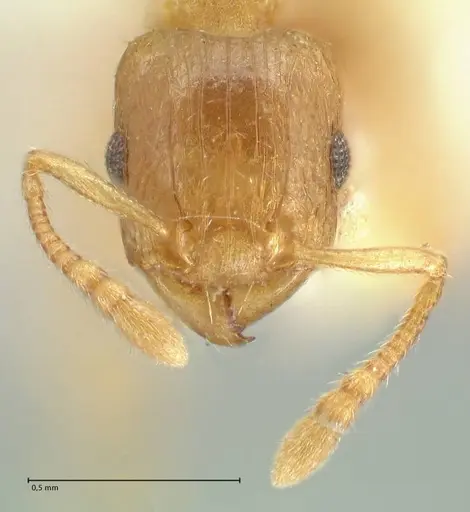
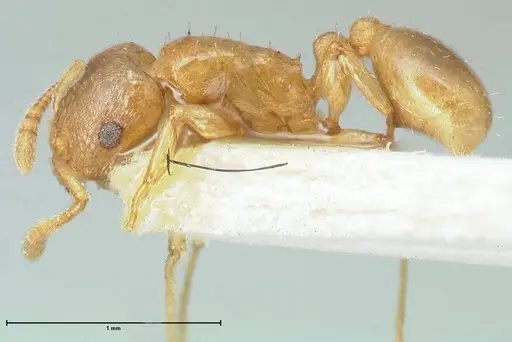
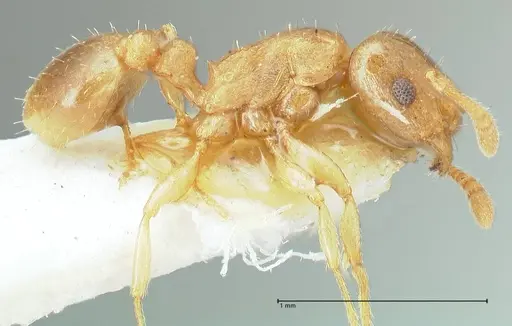
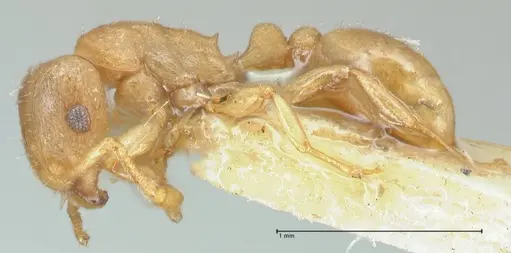
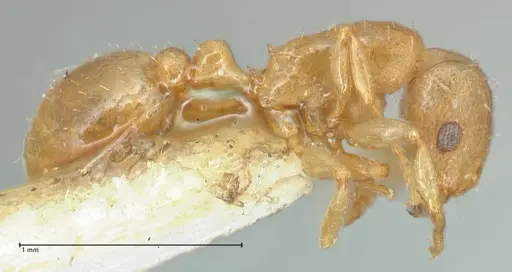
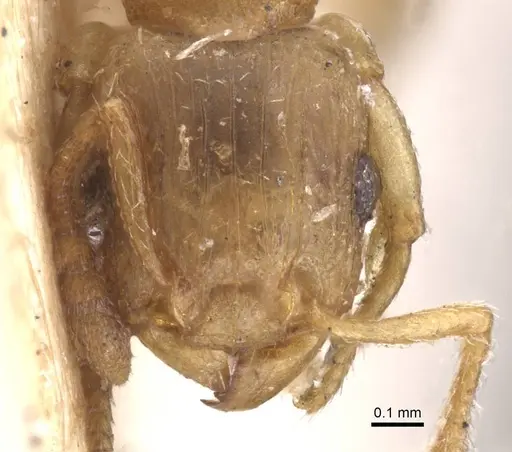
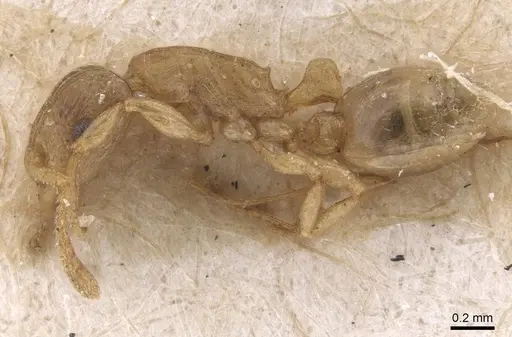
Tetramorium dumezi is a small ant from the Democratic Republic of Congo, recorded in Bas-Congo and Tshopo provinces . Like other Myrmicinae, workers have a two-segmented petiole (the narrow waist). This species likely nests in soil or under stones in tropical forests, based on typical Tetramorium habits. Very little specific research exists, so most care recommendations come from general Tetramorium biology.
Quick Summary
- Difficulty: Medium
- Origin & Habitat: Democratic Republic of Congo (Bas-Congo and Tshopo provinces). Likely tropical forest environments [1].
- Colony Type: Based on typical Tetramorium patterns, colonies probably have a single queen (monogyne). This is inferred, specific data for T. dumezi is unavailable.
- Size & Growth:
- Queen: Size data unavailable for this species. Inferred from Tetramorium genus, queens are around 6-8 mm.
- Worker: Size data unavailable for this species. Inferred from Tetramorium genus, workers are around 3-5 mm.
- Colony: Unknown for this species. Related Tetramorium can reach up to a few thousand workers.
- Growth: Moderate, typical for tropical ants
- Development: Estimated 6-8 weeks at 24-28°C, based on Tetramorium genus data (No specific data for T. dumezi. Development depends on temperature.)
- Antkeeping:
- Temperature: Keep at 24-28°C, these are tropical ants that need steady warmth
- Humidity: Moderate to high. Keep the nest substrate damp but not soaking, like a moist forest floor
- Diapause: Unlikely, as a tropical species from central Africa, they probably don't need winter rest
- Nesting: In nature they likely nest in soil or under stones. Use a test tube for founding, then move to a Y-tong (AAC) or plaster nest. Always provide a humid zone.
- Behavior: Based on genus patterns, Tetramorium dumezi is probably calm and rarely aggressive to keepers. Workers are active foragers. They have a modified stinger that smears venom (smear defense) rather than piercing, they can still deliver venom if handled, so use caution. Their small size means escape prevention is critical: use fine mesh and tight seals.
- Common Issues: limited species-specific data makes precise care a matter of observation and adjustment, tropical humidity needs can cause mold if ventilation is poor, provide airflow without drying the nest, small colony size may make early growth feel slow, patience is essential, high escape risk due to tiny worker size, seal all gaps with fine mesh (≤0.5 mm) or fluon, wild-caught colonies may carry unknown parasites, quarantine new stock
Housing and Nest Setup
For starting a colony, a test tube with a water reservoir (cotton-plugged) is ideal. It keeps humidity stable and gives the queen a dark, secure space to raise the first brood. Once the colony has a stable worker force of 20-30,you can move them to a Y-tong (AAC) or plaster nest. These materials hold moisture well and let you observe the colony. For the outworld (foraging area), use a plastic container with tight-fitting lid and fine mesh vents, these small ants can squeeze through gaps under 1 mm. A thin layer of substrate on the outworld floor is optional but can make the ants feel more at home.
Feeding and Diet
Tetramorium in the wild eat small insects, honeydew, and other invertebrates, they are generalists. In captivity, offer protein 2-3 times per week: small crickets, fruit flies, or pieces of mealworm. Provide a constant sugar source like honey water (1:4) or commercial ant nectar. Remove uneaten prey after 24-48 hours to prevent mold. Since T. dumezi hasn't been studied, start with typical foods and adjust based on what the colony accepts.
Temperature and Seasonal Care
As a tropical species from the DRC, T. dumezi needs steady warmth. Keep the nest at 24-28°C (75-82°F). Use a heating cable on one side to create a temperature gradient so the ants can choose their preferred spot. Room temperature (20-24°C) may be too cool for steady growth, add gentle heating if the colony seems sluggish. Unlike temperate ants, they probably don't need a diapause period, maintain warm conditions year-round.
Humidity Management
Keep the nest substrate damp but not wet, it should feel moist to the touch without puddles. For test tube setups, the water reservoir naturally provides humidity. For Y-tong or plaster nests, refill the water chamber every 1-2 weeks depending on evaporation. Good ventilation is important to prevent mold, but avoid fast airflow that dries the nest. If condensation builds up heavily, reduce humidity slightly, if the substrate dries quickly, increase it.
Colony Growth Expectations
Expect slow, steady growth. The queen will raise the first batch of workers (nanitics) alone from stored reserves, this takes 4-8 weeks at warm temperatures. Nanitics are smaller than older workers, which is normal. After workers emerge, the colony enters a growth phase. Under good conditions, you can expect roughly 50 workers within 6-12 months and a few hundred within two years. Growth may vary with temperature and food.
Behavior and Observation
Workers are active foragers that will explore their outworld for food. They are generally calm, but remember they have a modified stinger that smears venom, they can deliver venom if pressed against skin, though bites/stings are rare. Workers lay pheromone trails to food sources. They will also establish a trash pile (refuse pile) outside the nest, this is normal and keeps the nest clean. Their small size makes them fascinating to watch, but escape prevention must be excellent.
Frequently Asked Questions
How long does it take for Tetramorium dumezi to produce first workers?
Based on typical Tetramorium development, expect 6-8 weeks from egg to worker at 24-28°C. No specific data for T. dumezi exists. The queen will stay sealed in her founding chamber until workers emerge.
Can I keep Tetramorium dumezi in a test tube?
Yes, a test tube with a water reservoir (cotton at the water end) works perfectly for starting a colony. Keep it dark and quiet until workers appear. Once you have 20-30 workers, consider moving to a larger nest.
What do Tetramorium dumezi ants eat?
They are generalists. Offer small insects (crickets, fruit flies) 2-3 times a week and a constant sugar source like honey water (1:4) or ant nectar. Remove old food after 24-48 hours to avoid mold.
Do Tetramorium dumezi ants sting?
They have a modified stinger that smears venom rather than piercing. They are not aggressive, but if handled roughly they can apply venom to skin, it's mild and usually harmless. Use caution and avoid direct handling.
What temperature do Tetramorium dumezi need?
Keep them at 24-28°C (75-82°F) year-round. They are tropical and need steady warmth. A small heating mat on one side of the nest helps maintain this range.
Do Tetramorium dumezi need hibernation?
No, they probably don't. As a tropical species, they are adapted to constant warmth. No winter diapause is needed, just keep conditions stable.
How big do Tetramorium dumezi colonies get?
Not documented for this species. Related Tetramorium can reach a few thousand workers. Expect moderate growth over several years.
Are Tetramorium dumezi good for beginners?
They are suitable for intermediate keepers. The lack of specific data means you need to observe and adjust care. Their tropical needs (warmth, humidity) and small size (escape risk) add some challenge.
When should I move my Tetramorium dumezi to a formicarium?
Once the colony has 20-30 workers. Moving too early stresses the queen. Make sure the new nest has proper humidity before transferring. Use a gentle connection tube to let them move themselves.
Why is my Tetramorium dumezi colony growing slowly?
Slow growth is normal, Tetramorium colonies prioritize quality. Check that temperature (24-28°C) and humidity are correct. Try different protein sources if food is ignored. Patience is key.
Can I keep multiple Tetramorium dumezi queens together?
Not studied for this species. Most Tetramorium are monogyne (single queen). Combining unrelated queens is risky and not recommended without evidence that this species tolerates it.
How do I prevent escape with Tetramorium dumezi?
Use fluon on container rims, fine mesh (0.5 mm or smaller) on vents, and tight-fitting lids. Check regularly for gaps, these tiny ants can squeeze through very small openings.
Report an Issue
The current care sheet is based fully on literature. See inconsistencies, or something that's incorrect? Please , it will be resolved after review from an admin. Contributing to the blogs tab also helps providing information, to make us be able to further improve the caresheets. Thank you for your support!
References

This caresheet is licensed under CC BY-SA 4.0 .
Community Blogs
CASENT0746067
View on AntWeb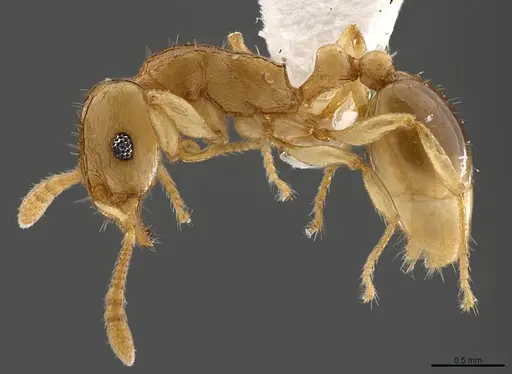
CASENT0901236
View on AntWeb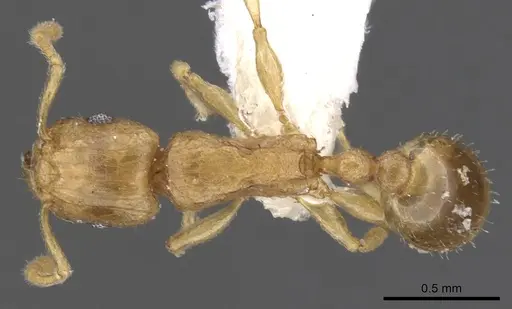
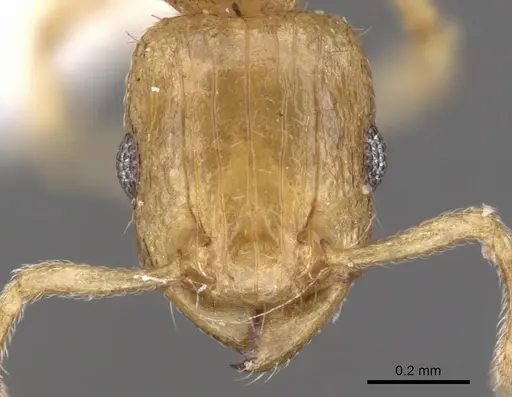
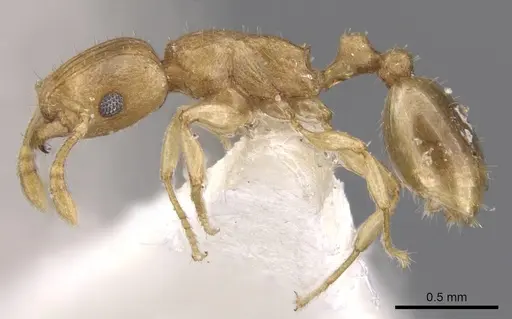
CASENT0904834
View on AntWeb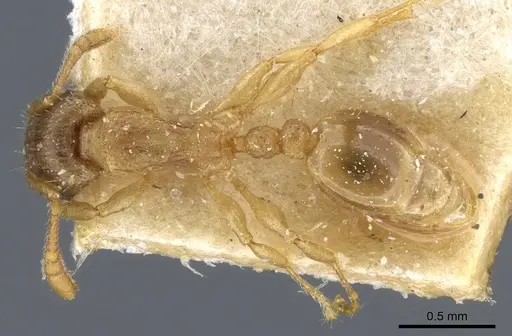
CASENT0909117
View on AntWeb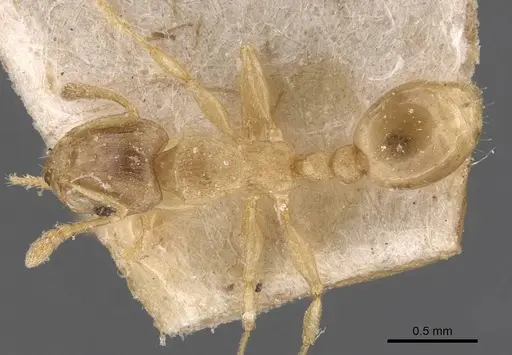
FOCOL2098
View on AntWeb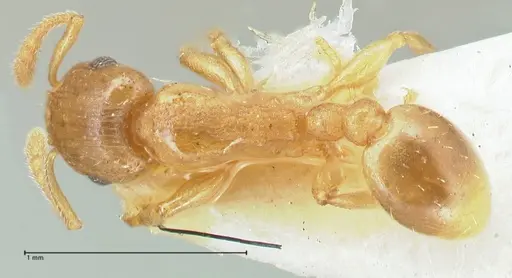
FOCOL2099
View on AntWeb
RMCAENT000017788
View on AntWeb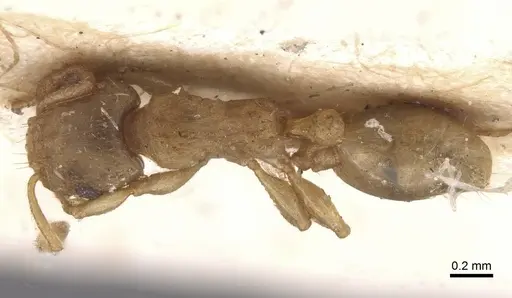
Literature
Loading distribution map...Loading products...