
Tetramorium do
- Sci. Name
- Tetramorium do
- Tribe
- Crematogastrini
- Subfamily
- Myrmicinae
- Author
- Forel, 1914
- Distribution
- Found in 3 countries
Introduction
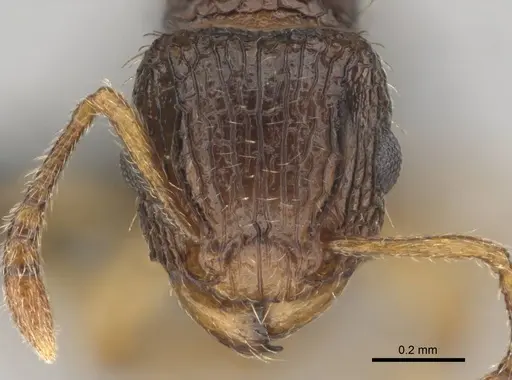
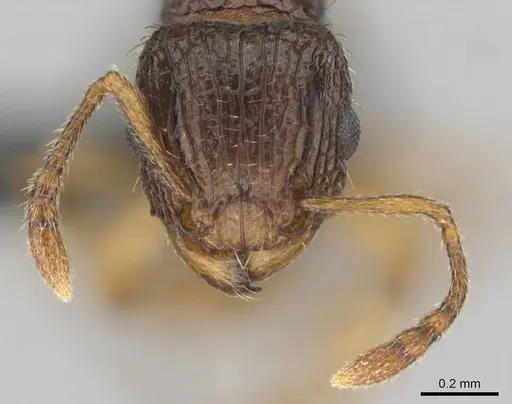
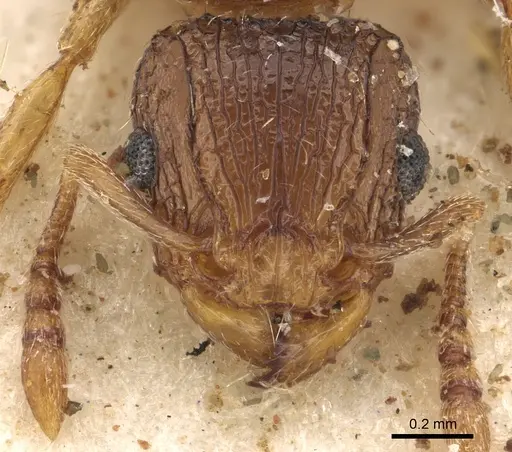
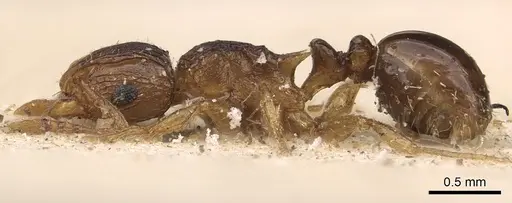
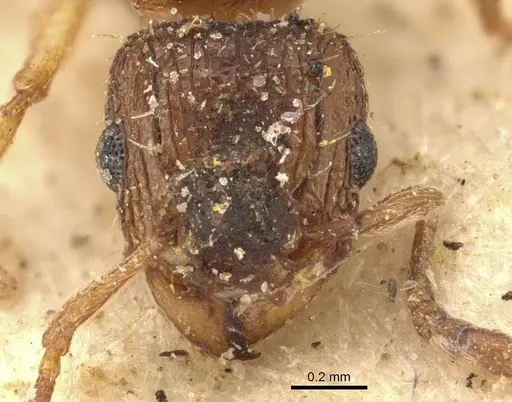
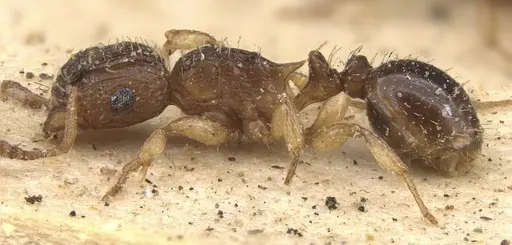
Tetramorium do is a small ant species from the Afrotropical region, with records from Mozambique, South Africa, Tanzania, Zimbabwe, Kenya , Eritrea , Saudi Arabia , Yemen , and the United Arab Emirates . They live in open and semi-open habitats like meadows, bushveld, and woodland, and nest in the ground . Workers are 3.0-3.2 mm in total length, with a smooth shining body, long propodeal spines, and a uniquely compressed postpetiole that sets them apart from related species . Their head and thorax have fine irregular wrinkles, while the waist and abdomen are glossy and smooth. Color is mid‑brown, with the gaster usually darker.
Quick Summary
- Difficulty: Easy
- Origin & Habitat: Afrotropical region (Mozambique, South Africa, Tanzania, Zimbabwe, Kenya [1], Eritrea [2], Saudi Arabia [3], Yemen [4], UAE [5], and DRC [7]). Lives in open and semi‑open areas such as meadows, bushveld, and woodland, nests in the ground [6].
- Colony Type: Colony structure is unconfirmed. Based on patterns in related Tetramorium, they are likely monogyne (single queen), but this has not been specifically documented for this species.
- Size & Growth:
- Queen: Unknown, no measurement data available. Inferred from related Tetramorium species, queens are likely around 6-8 mm.
- Worker: 3.0-3.2 mm (total length) [6]
- Colony: Unknown, no published colony size data. Based on related Tetramorium, colonies may reach up to several hundred workers, but this is speculative.
- Growth: Moderate
- Development: Estimated 6-10 weeks based on typical Tetramorium development, actual timing varies with temperature and is not confirmed for this species. (Development likely depends on temperature, warmer conditions speed up brood growth.)
- Antkeeping:
- Temperature: As a tropical/subtropical species, keep at 22-26 °C. Avoid prolonged exposure below 18 °C. A heating cable on one side of the nest can create a useful gradient [6].
- Humidity: Moderate, keep nest substrate slightly moist but not waterlogged. These ants nest in well‑drained soil in open habitats, so avoid excess moisture [6].
- Diapause: No true diapause needed. They are from warm climates and can be active year‑round. A slight winter cooling (to around 18-20 °C) is optional but not required [6].
- Nesting: Ground‑nesters. Suitable nest types: Y‑tong (AAC), plaster, or a naturalistic soil setup. Test tubes work for founding colonies. Provide moderate humidity and good ventilation [6].
- Behavior: Generally peaceful and non‑aggressive toward keepers. They have a modified stinger used for smearing venom (characteristic of the Crematogastrini tribe), but it is not painful to humans. Workers are active foragers on the ground surface during daylight. Their small size (3 mm) makes escape prevention essential, use fine mesh and seal all gaps [6].
- Common Issues: escape prevention is critical, their tiny 3 mm size lets them slip through very small gaps, use 0.5 mm mesh or finer, overwatering can drown the colony or cause mold, keep nest substrate moderately dry, slow founding phase, queens may take weeks or months to raise first workers, especially if kept too cool, wild‑caught colonies may carry mites or parasites that stress the colony, quarantine new stock, colonies may decline if kept below 18 °C for long periods, maintain warmth year‑round
Housing and Nest Setup
For Tetramorium do, mimic their natural ground‑nesting habitat. A Y‑tong (AAC) nest works well, the porous clay gives the slightly dry to moderately moist conditions they prefer. Plaster nests or simple test tubes are also good for founding colonies. The nest chambers should be small (fitting their 3 mm workers) to help them feel secure. Connect the nest to an outworld (foraging area) with tubing. Use a fine mesh (at least 0.5 mm) on all ventilation openings to prevent escape. A water test tube connected to the nest provides drinking water. Place sugar water and protein dishes in the outworld, not inside the nest [6].
Feeding and Diet
Tetramorium do is omnivorous. Offer sugar water or honey as a constant energy source, replacing it every 2-3 days to stop fermentation. For protein, give small insects like fruit flies, small mealworms, or cricket pieces 2-3 times per week. Place food on the ground in the outworld, they are ground foragers. Remove uneaten protein after 24 hours to prevent mold. Young colonies (queen only) do not need feeding, as queens use their fat reserves until first workers appear [6].
Temperature and Seasonal Care
Keep the nest at 22-26 °C for good brood development. A heating cable on one side creates a gradient so the ants can choose their preferred temperature. Avoid temperatures below 18 °C for long periods, as this weakens the colony. They do not need true hibernation, being from warm climates, they are active all year. You can lower the temperature to around 18-20 °C in winter if you want a rest period, but this is optional [6].
Colony Founding and Development
Founding behavior is unconfirmed but likely follows the typical Tetramorium pattern: a mated queen digs a small chamber, seals herself in, and raises the first workers using stored fat reserves (claustral founding). This process probably takes 6-10 weeks at optimal temperatures, though no specific data exists for T. do. The first workers (nanitics) are usually smaller than mature workers. After they emerge, the colony enters a growth phase as the queen continues laying eggs and workers take over foraging and brood care [6].
Behavior and Temperament
These ants are generally peaceful and easy to observe. Workers are active foragers on the ground, searching for food and carrying pieces back to the nest. They use a modified stinger to smear venom (a trait of the Crematogastrini tribe) but it is not painful to humans, making them safe to handle. They are diurnal, with most activity during daylight. The colony has a clear division of labor: the queen focuses on egg‑laying, while workers handle foraging, brood care, and nest maintenance [6].
Frequently Asked Questions
How long does it take for Tetramorium do to raise first workers?
No exact data exists for this species. Based on related Tetramorium, at 22-26 °C you can expect first workers in roughly 6-10 weeks. The queen is likely claustral and raises the first brood alone using her fat reserves. Cooler temperatures will slow development [6].
Can I keep Tetramorium do in a test tube?
Yes, test tubes work well for founding. Use a standard test tube with a water reservoir sealed with cotton, the ants drink from the water section. A founding queen can be placed directly in a test tube with a small dirt area if desired. Once the colony has about 20-30 workers, consider moving to a Y‑tong or plaster nest [6].
Do Tetramorium do ants sting?
They have a modified stinger used to smear venom (typical of the Crematogastrini tribe), but it is not used in a way that harms humans. You won't feel a painful sting, they are safe for close observation [6].
What temperature do Tetramorium do need?
Keep them at 22-26 °C for best health and brood development. They come from warm African regions and need consistent warmth. A heating cable on part of the nest creates a useful gradient. Avoid temperatures below 18 °C for extended periods [6].
How big do Tetramorium do colonies get?
Colony size has not been documented for this species. Based on related Tetramorium, colonies might eventually reach several hundred workers, but this is speculative. Expect moderate growth, it may take months to reach 50+ workers [6].
Are Tetramorium do good for beginners?
Yes, they are considered easy. They are forgiving of minor mistakes, don't need hibernation, and are not aggressive. The main challenges are preventing escape due to their tiny size and the slow founding phase [6].
What do Tetramorium do eat?
They are omnivorous. Give constant access to sugar water or honey (replace every 2-3 days). Offer protein 2-3 times per week, small insects like fruit flies, small mealworms, or cricket pieces. Place food on the ground in the outworld [6].
Do Tetramorium do need hibernation?
No, they do not require true hibernation. As a tropical/subtropical species, they are active year‑round at room temperature. A slight winter cooling (to around 18-20 °C) is optional but not needed for colony health [6].
Why are my Tetramorium do escaping?
Their tiny 3 mm size lets them squeeze through very small gaps. Use fine mesh (0.5 mm or smaller) on all ventilation holes, ensure tubing connections are tight, and check that lid seals are secure. Even a tiny crack is an escape route [6].
When should I move my colony to a formicarium?
Move from a test tube to a proper nest when the colony reaches about 20-30 workers or the tube becomes crowded. A Y‑tong or plaster nest works well. Connect the new nest to the outworld with tubing and let the ants move themselves, never force them [6].
Can I keep multiple Tetramorium do queens together?
Single‑queen (monogyne) structure is likely but not confirmed for this species. If you find multiple queens after a nuptial flight, they probably won't coexist peacefully. Do not attempt to keep more than one queen per colony unless you are certain the species can tolerate it [6].
How often should I feed Tetramorium do?
Provide sugar water constantly, replace every 2-3 days. Offer protein (insects) 2-3 times per week for established colonies. Remove uneaten protein after 24 hours. A founding queen needs no food until her first workers appear [6].
Report an Issue
The current care sheet is based fully on literature. See inconsistencies, or something that's incorrect? Please , it will be resolved after review from an admin. Contributing to the blogs tab also helps providing information, to make us be able to further improve the caresheets. Thank you for your support!
References

This caresheet is licensed under CC BY-SA 4.0 .
Community Blogs
CASENT0235813
View on AntWeb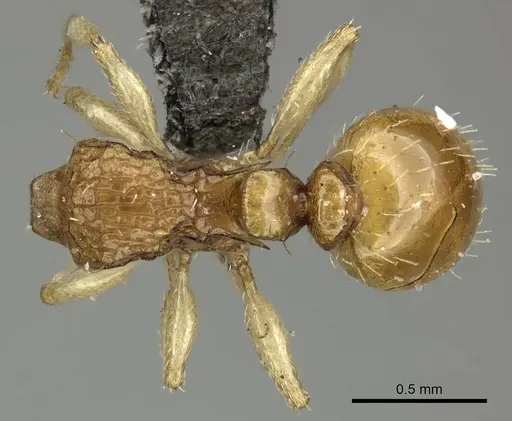
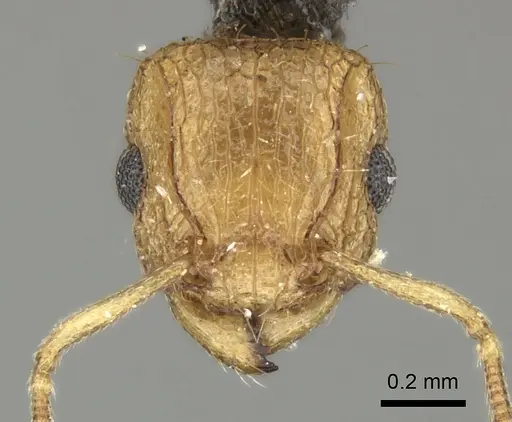
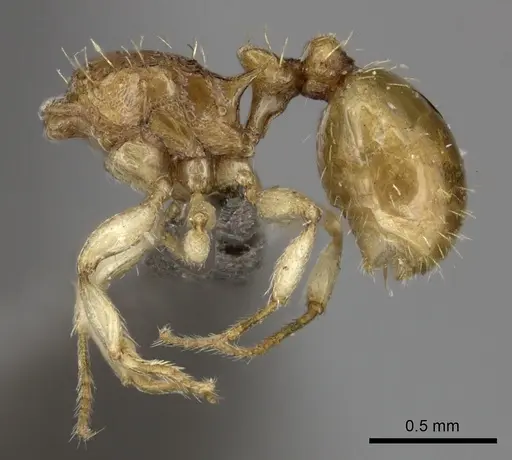
CASENT0813921
View on AntWeb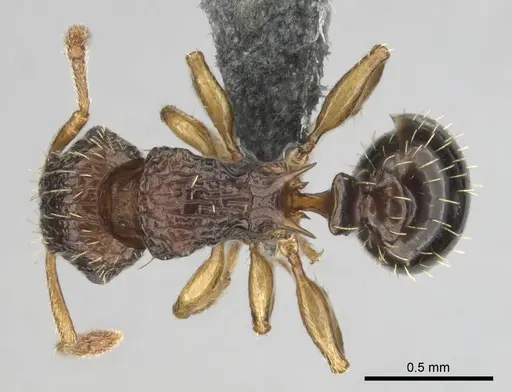
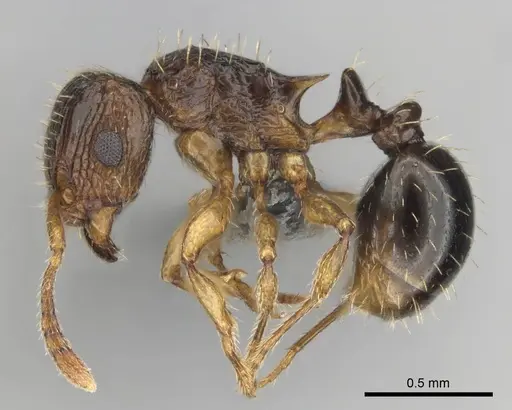
CASENT0901121
View on AntWeb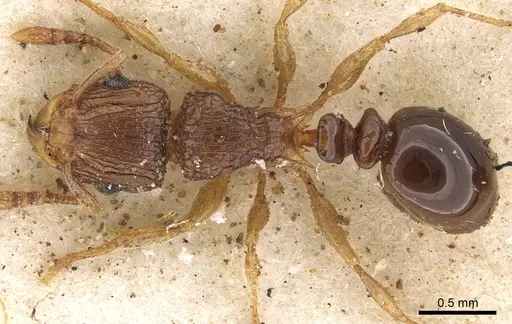
CASENT0909158
View on AntWeb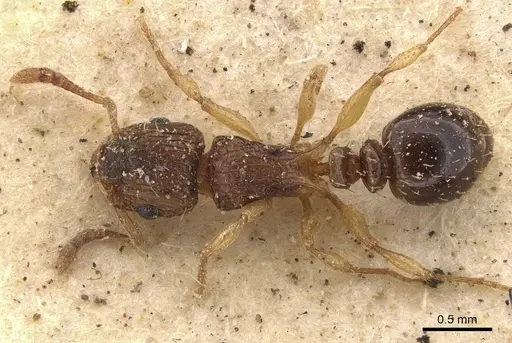
Literature
Loading distribution map...Loading products...