
Tetramorium densopilosum
- Sci. Name
- Tetramorium densopilosum
- Tribe
- Crematogastrini
- Subfamily
- Myrmicinae
- Author
- Radchenko & Arakelian, 1990
- Distribution
- Found in 1 countries
Introduction
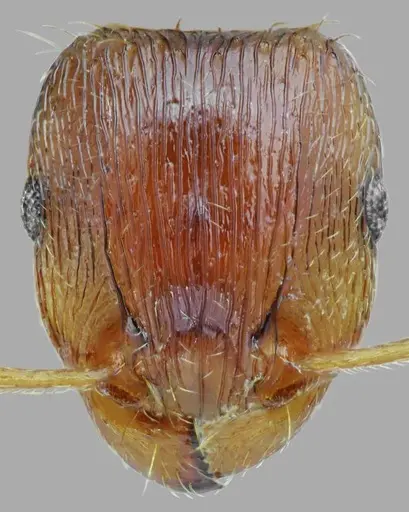
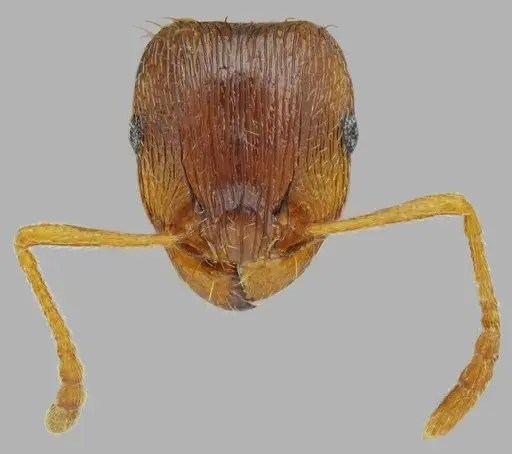
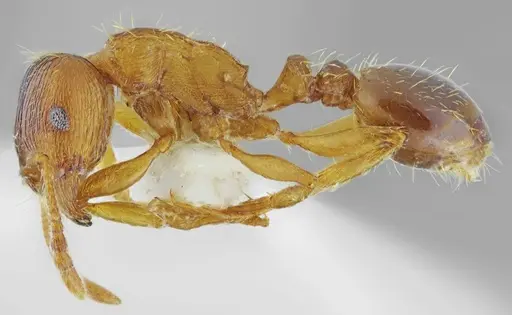
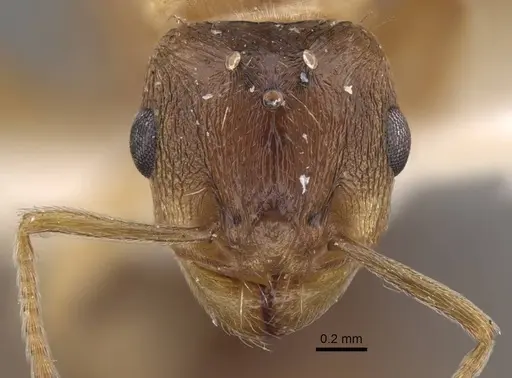
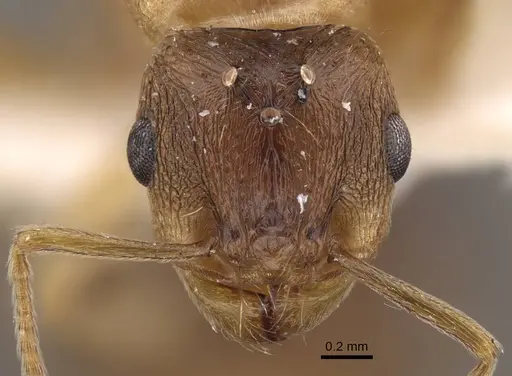
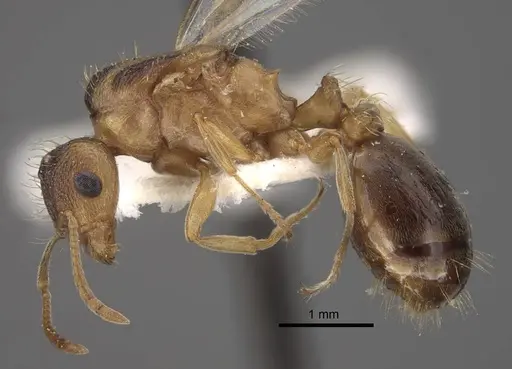
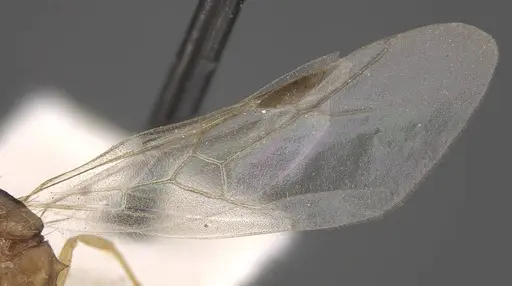
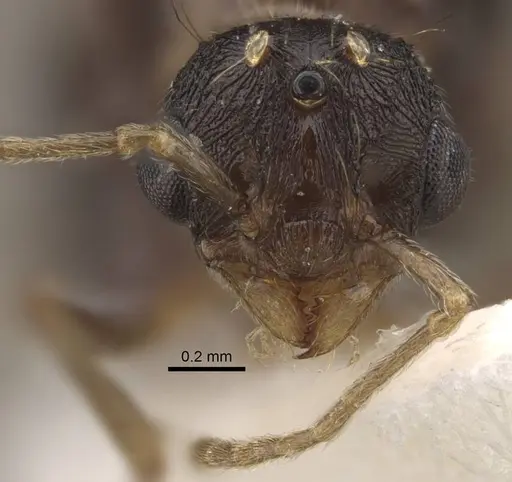
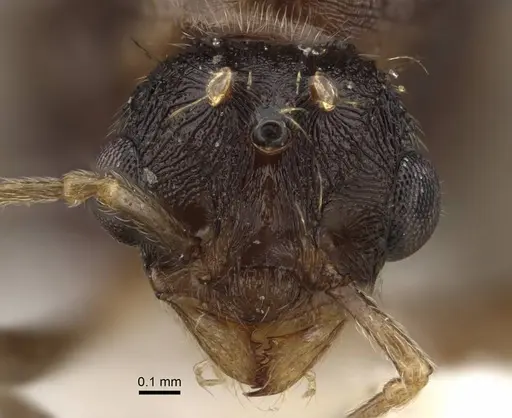
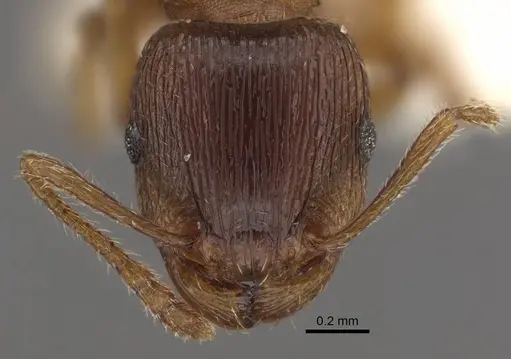
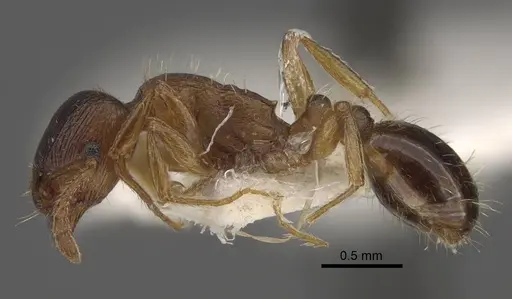
Tetramorium densopilosum is a small ant in the Myrmicinae subfamily, part of the Tetramorium ferox species complex within the Tetramorium caespitum group . No total length measurements exist, but based on related Tetramorium species, workers are likely around 2.5-4mm and queens around 4-5mm. The species was described in 1990 from Armenia . Workers have a dull, sculptured head and body with a mesh-like texture, and a smooth, shiny first gastral segment. The petiolar node is tall and trapezoid in side view. Queens are unique within the complex because the first gastral segment is covered with very dense, short hairs . The body is light brown in workers; queens have a dark brown gaster contrasting with lighter head and thorax . Tetramorium densopilosum is found in Armenia, Georgia, eastern Turkey, and the southern European part of Russia (North Caucasus) . Its biology is completely unknown - no published studies exist on its colony structure, nesting, or captive care. All care recommendations here are inferred from related Tetramorium species and the species' natural habitat (warm, rocky steppe).
Quick Summary
- Difficulty: Medium
- Origin & Habitat: Palaearctic region, Armenia, Georgia, eastern Turkey, and southern Russia (European part, North Caucasus) [1][3][4]. Inhabits warm, rocky areas in mountainous regions, likely nesting under stones in steppe and forest-edge environments.
- Colony Type: Unconfirmed. Likely single-queen (monogyne) based on related Tetramorium species, but no direct evidence.
- Size & Growth:
- Queen: size data unavailable, inferred from Tetramorium genus: ~4-5mm
- Worker: size data unavailable, inferred from Tetramorium genus: ~2.5-4mm
- Colony: Unknown, estimated up to several hundred workers based on related species in the ferox complex
- Growth: Unknown, likely moderate based on genus patterns
- Development: Unknown, estimated 6-10 weeks based on typical Tetramorium development at 20-24°C (Direct measurements are unavailable, timeline is an estimate from related species.)
- Antkeeping:
- Temperature: Keep at 20-24°C (room temperature). These are warm-climate ants from the Palaearctic region. A gentle temperature gradient allows them to choose their preferred warmth.
- Humidity: Moderate, keep the nest substrate slightly moist but not waterlogged, matching their rocky, steppe habitat. No exact percentage is known.
- Diapause: Likely required, as a temperate Palearctic species, a winter rest period of 2-3 months at 10-15°C is recommended based on related Tetramorium.
- Nesting: In nature, nests in soil under stones. In captivity, use a Y-tong (AAC) or plaster nest with relatively dry to moderately moist chambers. Provide an outworld for foraging.
- Behavior: Workers are moderately active and not particularly aggressive, but they will defend the nest if disturbed. Their primary defense is smearing venom using a modified, flattened spatulate stinger, they wipe venom onto enemies rather than piercing (typical of tribe Crematogastrini). Escape risk is moderate, standard Fluon barriers are sufficient given their size.
- Common Issues: no published biology data, all care advice is inferred from related Tetramorium species and may be inaccurate, founding behavior unconfirmed, queens may or may not be claustral, if not, special care is needed, winter diapause requirements are estimated, not confirmed, experiment carefully, colony growth is likely slow and may test keeper patience, small ants can slip through gaps, ensure tight enclosures
Appearance and Identification
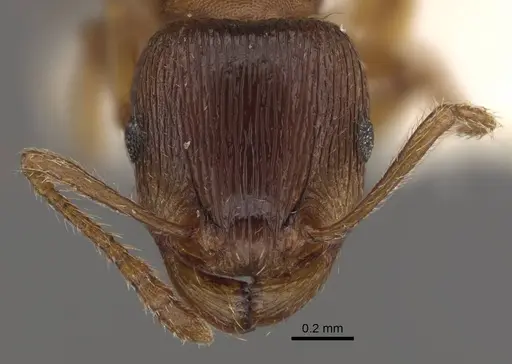
Tetramorium densopilosum workers have a dull, rough appearance due to fine ridges and a mesh-like texture covering the head and upper body. The first segment of the gaster (abdomen) is smooth and shiny. The head is slightly longer than wide with straight sides and a straight back edge [1]. The petiolar node is tall and trapezoid in side view, with a slightly angular front-top edge, this helps separate them from the very similar Tetramorium ferox, which has a more rounded node [1].
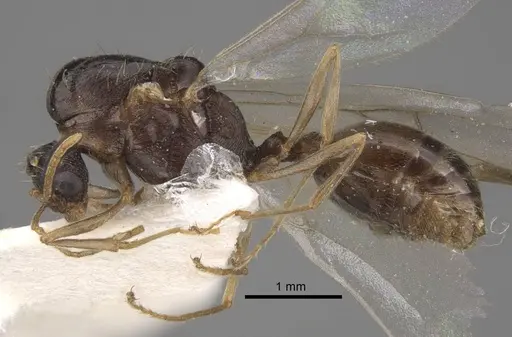
Queens are larger and have a dark brown gaster, contrasting with lighter head and thorax. The most distinctive feature is the very dense, short hairs covering the first gaster segment, this makes queens unique within the Tetramorium ferox species complex [1]. The queen's head is trapezoid, broader than long, and narrower than the scutum (top of thorax) [1].
Natural Distribution and Habitat
This species is known from Armenia (type locality), Georgia, eastern Turkey, and the southern part of European Russia (North Caucasus) [1][3]. In Georgia it has been recorded at Ochamchire, Dranda, and Novy Afon [4]. Turkish specimens were collected in Agri province at about 1600m elevation in steppe habitat [1]. These ants live in warm, rocky areas in mountainous regions, typical of the Tetramorium ferox complex. They likely nest under stones in steppe and forest-edge environments [1].
Temperature and Care
Since no direct care data exists, recommendations are based on the species' natural habitat and related Tetramorium. Keep the nest area at 20-24°C (room temperature). These are warm-climate ants from the Palaearctic, so they don't need high heat but will benefit from a gentle temperature gradient. Humidity should be moderate, keep the nest substrate slightly moist but not wet, mirroring their dry, rocky home. Overly wet conditions may be harmful.
Winter diapause is likely required. Reduce temperature to 10-15°C for 2-3 months during winter, but monitor the colony closely as this is unconfirmed. Reduce feeding but keep the substrate from drying out completely.
Feeding and Diet
The specific diet of Tetramorium densopilosum is not documented. Like most Tetramorium, they are probably omnivorous generalists. In captivity, offer small protein prey (fruit flies, pinhead crickets, or crushed mealworms) 2-3 times per week, and provide a constant source of sugar water or honey. Remove uneaten prey after 24-48 hours to prevent mold. Because workers are small, make sure prey items are appropriately sized. They likely also forage for honeydew from aphids in nature.
Nesting Preferences
In the wild, Tetramorium densopilosum nests in soil under stones, typical of the Tetramorium ferox complex [1]. The rocky, steppe habitat suggests they prefer well-drained soils and avoid overly moist areas. For captivity, Y-tong (AAC) or plaster nests with relatively dry chambers are suitable. The nest should be connected to an outworld for foraging. Because the ants are small, use Fluon or other barriers to prevent escapes.
Colony Establishment
Founding behavior is unconfirmed, but most Tetramorium queens are claustral, they seal themselves in a chamber and raise the first brood on stored fat reserves. Keep newly caught queens in a dark, quiet test tube setup with a water reservoir. Disturbance can cause them to abandon the tube. Based on related species, first workers (nanitics) may appear after 6-10 weeks at 20-24°C. After the first workers emerge, you can move the colony to a formicarium once the test tube becomes crowded (around 20-30 workers), but many keepers prefer to leave them in the founding setup longer to reduce stress. When collecting wild queens, respect local regulations and take only surplus individuals.
Defense and Behavior
Like other members of the Myrmicinae subfamily (tribe Crematogastrini), Tetramorium densopilosum uses a modified, flattened stinger to smear venom onto enemies rather than piercing them. This defense is not painful to humans. Workers are not particularly aggressive but will defend the nest if provoked. They are moderately active foragers and likely scavenge for dead insects and tend aphids for honeydew. Their small size means they can escape through tiny gaps, so ensure your formicarium and outworld are escape-proof.
Frequently Asked Questions
How long does it take for Tetramorium densopilosum to raise first workers?
The exact timeline is unknown as this species has not been studied in captivity. Based on typical Tetramorium development, expect 6-10 weeks from egg to first worker at 20-24°C. The first workers (nanitics) will be smaller than mature workers.
What do Tetramorium densopilosum ants eat?
They are likely omnivorous generalists. Feed small protein prey (fruit flies, small crickets, crushed mealworms) 2-3 times per week and provide constant access to sugar water or honey. Remove uneaten prey after 24-48 hours.
Do Tetramorium densopilosum ants need hibernation?
Yes, a winter diapause is likely required. These are Palaearctic ants from temperate regions with cold winters. Provide 2-3 months at 10-15°C during winter, reducing feeding but keeping the colony slightly moist.
Can I keep Tetramorium densopilosum in a test tube?
Yes, test tubes work well for founding colonies. Use a standard test tube setup with a water reservoir sealed with a cotton plug. Keep the tube dark and quiet until the first workers emerge. Once the colony reaches 20-30 workers, you can move them to a formicarium if desired.
Are Tetramorium densopilosum good for beginners?
This species is rated Medium difficulty mainly because no captive care information exists, keepers must rely on related species guidance. They are not especially hard to keep but require some experience with ant husbandry. If you want a better-documented Tetramorium, consider Tetramorium caespitum or Tetramorium immigrans.
How big do Tetramorium densopilosum colonies get?
Colony size is not documented, but based on related species in the ferox complex, colonies likely reach several hundred workers. Growth is probably moderate, expect several months to reach 50+ workers and a year or more for a mature colony.
Do Tetramorium densopilosum ants sting?
They have a modified stinger used for smearing venom rather than piercing. They smear venom onto enemies, which is not painful to humans. These ants are not aggressive and will only use this defense if the nest is disturbed.
When should I move my Tetramorium densopilosum colony to a formicarium?
Wait until the colony has 20-30 workers and the founding test tube is becoming crowded. Moving too early can stress the colony. Ensure the formicarium has appropriately sized chambers and passages for these small ants.
What temperature is best for Tetramorium densopilosum?
Keep nest areas at 20-24°C. A gentle temperature gradient allowing workers to choose their preferred warmth is ideal. Room temperature is often suitable. Avoid temperatures below 15°C except during hibernation.
Why is so little known about Tetramorium densopilosum care?
This species was only described in 1990 and has a limited distribution in the Caucasus and eastern Turkey region. There has been no published research on its biology or captive care. Keepers must rely on information from closely related species like Tetramorium ferox and general Tetramorium husbandry [2][1].
Report an Issue
The current care sheet is based fully on literature. See inconsistencies, or something that's incorrect? Please , it will be resolved after review from an admin. Contributing to the blogs tab also helps providing information, to make us be able to further improve the caresheets. Thank you for your support!
References

This caresheet is licensed under CC BY-SA 4.0 .
Community Blogs
ANTWEB1008964
View on AntWeb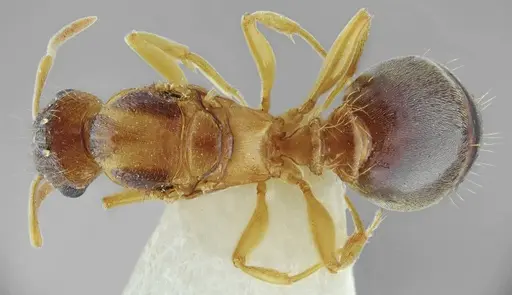
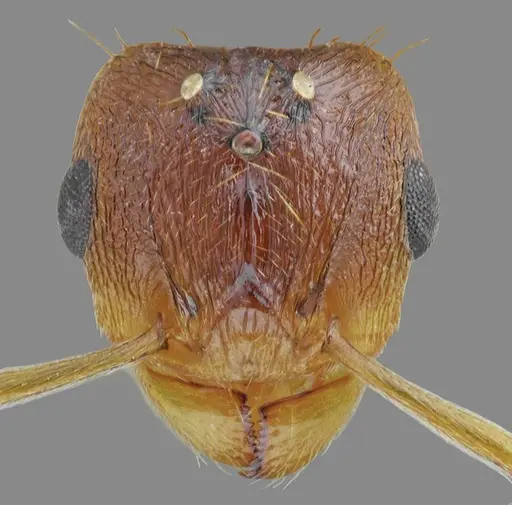
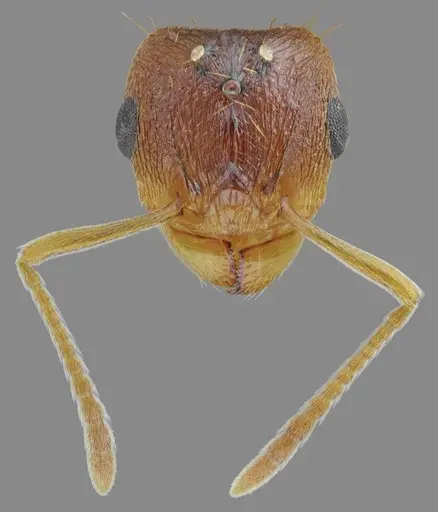
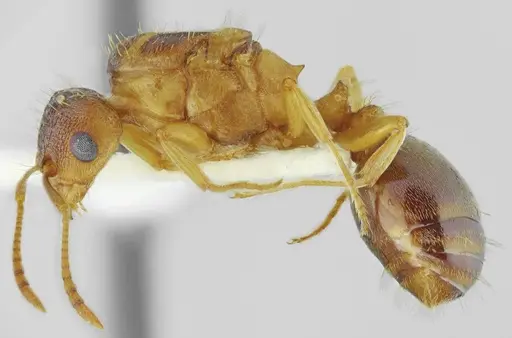
ANTWEB1008965
View on AntWeb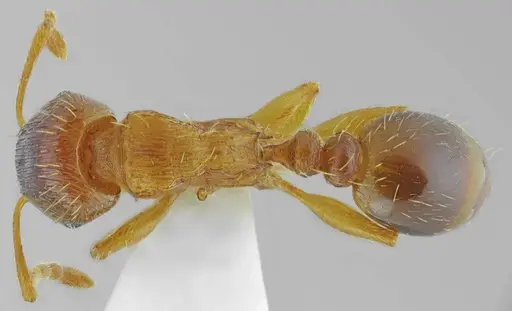
CASENT0917417
View on AntWeb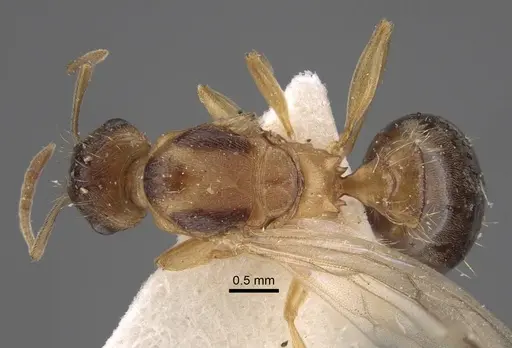
CASENT0917418
View on AntWeb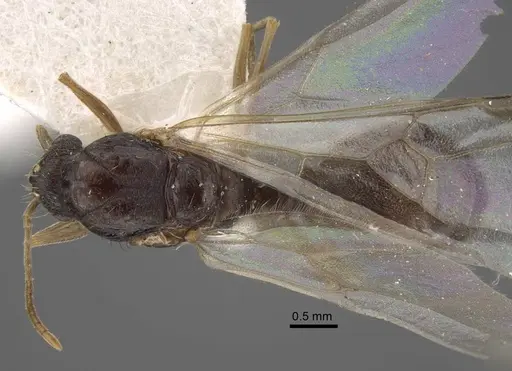
CASENT0917419
View on AntWeb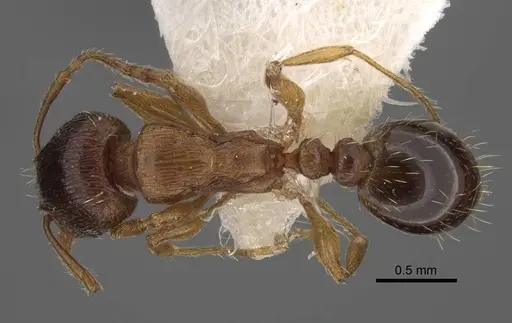
Literature
Loading distribution map...Loading products...