
Tetramorium dalek
- Sci. Name
- Tetramorium dalek
- Tribe
- Crematogastrini
- Subfamily
- Myrmicinae
- Author
- Hita Garcia & Fisher, 2014
- Distribution
- Found in 1 countries
Introduction
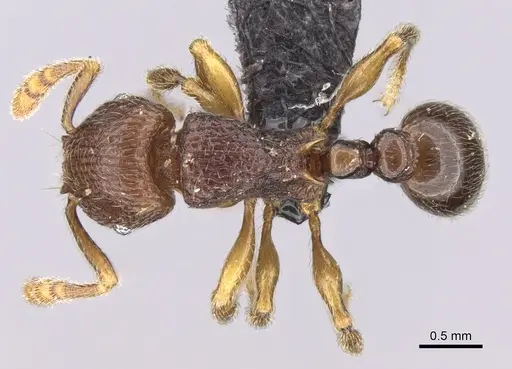
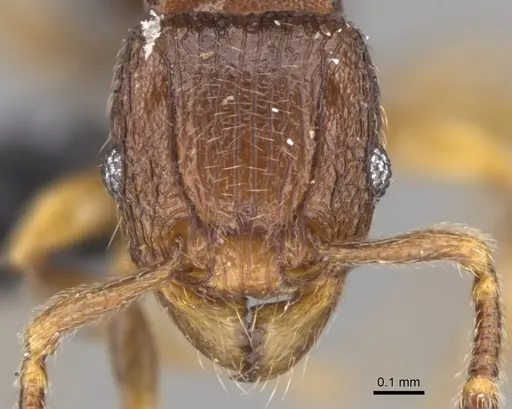
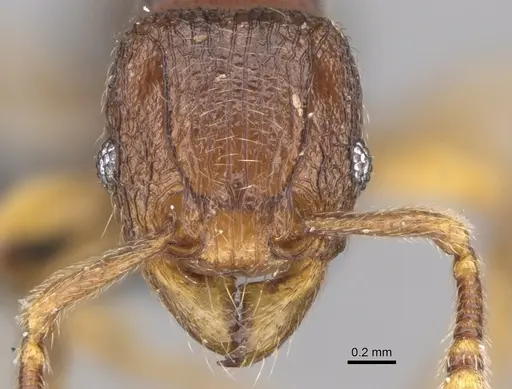
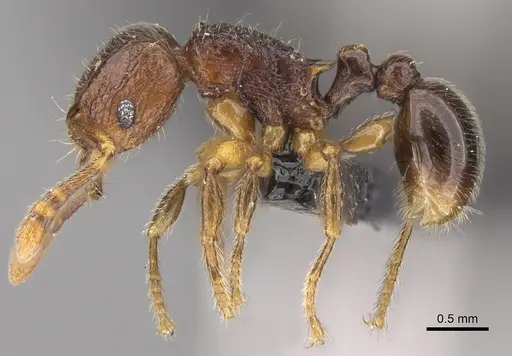
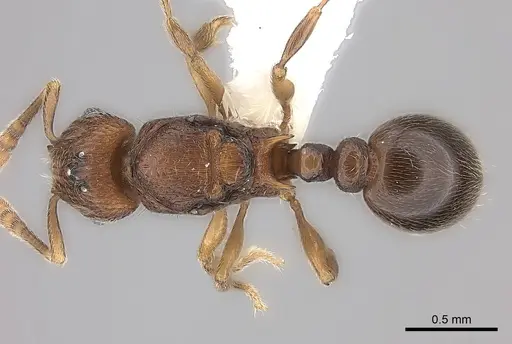
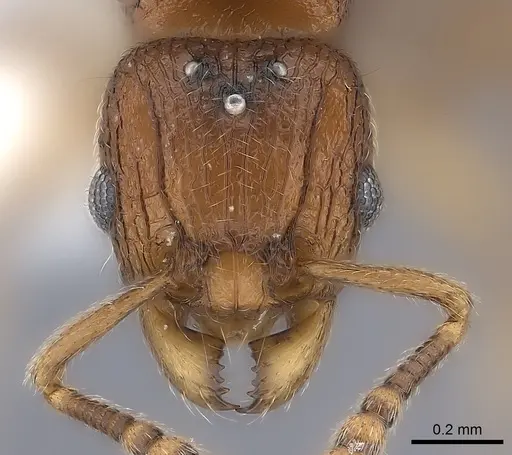
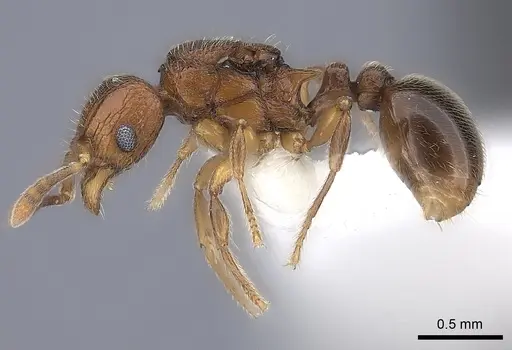
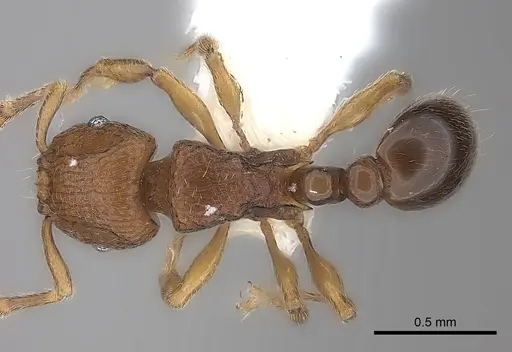
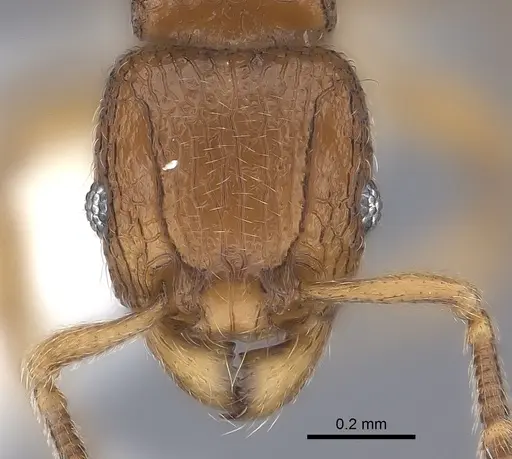
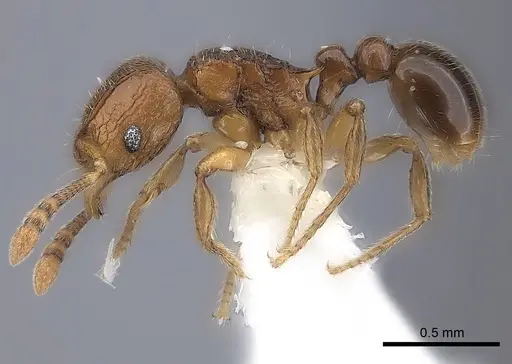
Tetramorium dalek is a tiny ant species from the rainforests of eastern Madagascar . Workers are estimated at 2-3mm total length, making them one of the smaller ants you'll come across in the hobby . They have a orange-brown to chestnut brown body with lighter yellowish-brown legs and antennae . The species was described in 2014 and named after the fictional 'Daleks' from Dr. Who - the researchers had trouble placing it in the right species group during their revision . This ant lives in leaf litter across a huge elevation range, from 20m in lowland rainforests up to 1280m in montane forests . They are the smallest species in the Tetramorium naganum group and the only one that lacks long standing hairs on the waist segments and first gastral tergite . Their natural habitat is humid, shaded, and full of decomposing organic material .
Quick Summary
- Difficulty: Medium
- Origin & Habitat: Eastern Madagascar, from Sandranantitra, Betampona, and Zahamena north to Anjanaharibe-Sud, in both lowland and montane rainforests at elevations 20-1280m [1]. Lives in leaf litter in humid, shaded spots [2].
- Colony Type: Colony structure is unconfirmed, no published data on queen number or organization. Most Tetramorium species are monogyne, but this is just a guess.
- Size & Growth:
- Queen: Undescribed in original literature, size unknown.
- Worker: ~2-3mm, inferred from Tetramorium genus [1]
- Colony: Unknown. Based on typical leaf-litter dwelling Tetramorium, likely under 500 workers.
- Growth: Moderate, estimated from related species
- Development: Estimated 6-8 weeks at 24-28°C, based on related Tetramorium species [1] (Development timeline not directly studied for this species, the estimate assumes tropical conditions.)
- Antkeeping:
- Temperature: Keep at 24-28°C year-round. This matches their tropical rainforest origin. Provide a slight gradient with a small heating cable on one side of the nest [2].
- Humidity: High humidity is critical. Keep the nest substrate consistently moist but not waterlogged. Provide a water tube and ensure good ventilation to prevent mold while maintaining moisture. Ideal conditions feel like a damp sponge.
- Diapause: No, as a tropical species from Madagascar, they do not need hibernation. Keep conditions stable all year [1].
- Nesting: Y-tong (AAC) nests or plaster nests work well for these tiny ants. Use tight chambers scaled to their small size. A test tube setup works for founding colonies. Avoid dry, airy conditions.
- Behavior: These ants are small but active foragers. They explore leaf litter in the wild and may form small trails in captivity. Their main defense is a modified stinger that smears venom onto threats instead of piercing skin (smear defense). Because of their tiny size, escape prevention is critical, they can slip through very small gaps. They are generally non-aggressive but will defend the nest if disturbed.
- Common Issues: escape is a major risk due to their tiny size, use fine mesh and tight-fitting barriers, high humidity needs can cause mold if ventilation is poor, balance moisture with airflow, tropical species die if temperatures drop below 20°C, maintain stable warmth, small colony size means slow growth, be patient and avoid disturbing the queen, wild-caught colonies may bring in parasites, quarantine new colonies
Housing and Nest Setup
For such tiny ants, choose a nest with narrow chambers that match their natural movement through leaf litter. Y-tong (AAC) nests and plaster nests work well because they can be kept moist and have tight spaces. A test tube with a small water reservoir is fine for founding colonies, just be careful not to flood the queen. Always include a water source, these rainforest ants dry out quickly. The outworld should be small and thoroughly escape-proof. A thin layer of substrate (like coconut fiber) helps them feel secure while foraging [1].
Feeding and Diet
In the wild, Tetramorium dalek likely eats small invertebrates and honeydew from scale insects in the leaf litter. In the formicarium, offer tiny protein sources like fruit flies, pinhead crickets, and small pieces of mealworm. They also need a sugar source, try sugar water, honey, or honeydew. Feed small amounts twice a week and remove uneaten prey after 24 hours to stop mold. Since they are small, food items should be appropriately sized. A constant sugar source helps with brood rearing.
Temperature and Humidity
These are tropical rainforest ants, so warmth and moisture are non-negotiable. Keep the nest at 24-28°C year-round, they will struggle below 20°C. Use a small heating cable on one side of the nest to create a gradient, but do not place heat directly on the water tube (it speeds up evaporation). Humidity should be high, check that the nest material feels consistently moist. Mist the outworld occasionally but avoid spraying the nest directly. Good ventilation is key to prevent mold while keeping humidity up. If you see constant condensation inside the nest, it's too wet, open some ventilation holes [2].
Colony Development
Starting from a single queen requires patience. The first workers (nanitics) will be tiny and may take 6-8 weeks to emerge at optimal temperatures (estimated, not studied for this species). Once the first workers arrive, growth is slow but steady, expect the population to double every few months under good conditions. These colonies likely stay modest, probably under a few hundred workers even at maturity. The key is consistent warmth, high humidity, and leaving the queen alone during founding [1].
Behavior and Defense
Workers are active foragers that will form trails to food. They belong to the tribe Crematogastrini, which uses a modified sting to smear venom onto enemies (smear defense), rather than stinging. Their small size makes them vulnerable, so they avoid bright light and open spaces. In the nest, they cluster brood in the most humid chambers. If you see workers gathering near the water tube, the colony needs more moisture. They are not aggressive toward keepers, but they will defend the nest if disturbed [1].
Frequently Asked Questions
How long does it take for Tetramorium dalek to get their first workers?
This has not been studied directly, but based on related Tetramorium species, expect 6-8 weeks from egg to first worker at 24-28°C. The queen lays eggs, they develop through larvae and pupae, and tiny nanitics emerge. Keep conditions stable and do not disturb the queen during this period [1].
Can I keep Tetramorium dalek in a test tube?
Yes, a test tube works well for founding colonies. Use a small water reservoir to avoid flooding the queen. Keep the tube in a humid container, like a plastic box with damp substrate, to maintain moisture. When the colony has about 20-40 workers, move them to a small Y-tong or plaster nest.
What do Tetramorium dalek ants eat?
Offer small protein sources like fruit flies, pinhead crickets, or tiny mealworm pieces. They also need sugar water, honey, or honeydew. Because they are tiny, food items should be small. Remove uneaten food after 24 hours to avoid mold in the humid setup.
Do Tetramorium dalek ants sting?
They have a modified stinger that smears venom onto threats rather than piercing skin (smear defense). It is not a typical sting and is harmless to humans. They are not considered dangerous.
Are Tetramorium dalek ants good for beginners?
This species is rated Medium difficulty. Their basic needs are manageable (warmth, humidity, small prey), but their tiny size makes escape prevention tricky, and their high humidity requirements can lead to mold if not balanced well. Beginners may want to start with an easier species first.
What temperature do Tetramorium dalek ants need?
Keep them at 24-28°C year-round. They are tropical and die below 20°C. Use a small heating cable on one side of the nest to create a gradient. Avoid temperature swings [2].
How big do Tetramorium dalek colonies get?
Colony size is not documented but likely stays modest, probably under 500 workers. This is typical for small leaf-litter dwelling ants. They are not known to form supercolonies.
Do Tetramorium dalek ants need hibernation?
No, as a tropical species from Madagascar, they do not need hibernation. Keep conditions stable all year. Cooling them will stress or kill the colony [1].
Why are my Tetramorium dalek ants dying?
Common causes: temperatures below 20°C (tropical species die in cool conditions), low humidity leading to desiccation, escape through tiny gaps, mold from overwatering with poor ventilation, or parasites from wild-caught colonies. Check each factor and adjust.
When should I move Tetramorium dalek to a formicarium?
Move them when the test tube becomes crowded or the water reservoir needs frequent refilling, typically around 20-40 workers. A small Y-tong or plaster nest with tight chambers works best. Do not rush the move, let the colony establish first.
Report an Issue
The current care sheet is based fully on literature. See inconsistencies, or something that's incorrect? Please , it will be resolved after review from an admin. Contributing to the blogs tab also helps providing information, to make us be able to further improve the caresheets. Thank you for your support!
References

This caresheet is licensed under CC BY-SA 4.0 .
Community Blogs
Literature
Loading distribution map...Loading products...