
Tetramorium ciliatum
- Sci. Name
- Tetramorium ciliatum
- Tribe
- Crematogastrini
- Subfamily
- Myrmicinae
- Author
- Bolton, 1977
- Distribution
- Found in 2 countries
Introduction
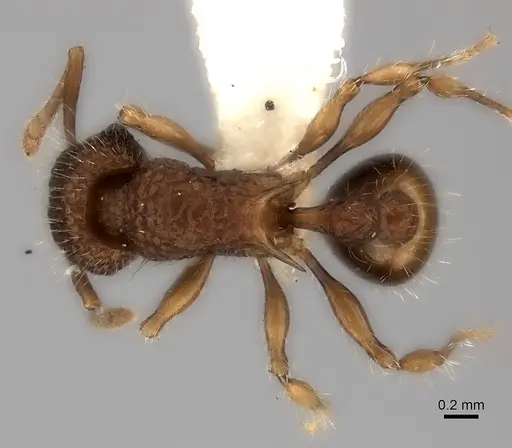
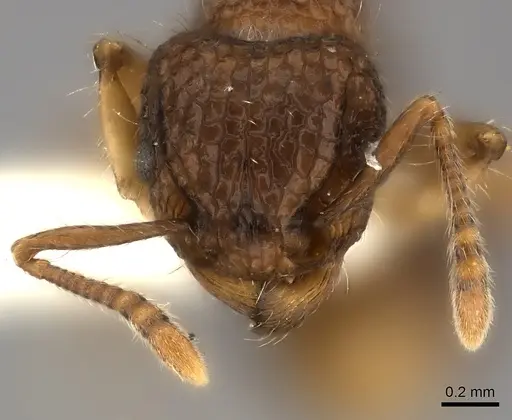
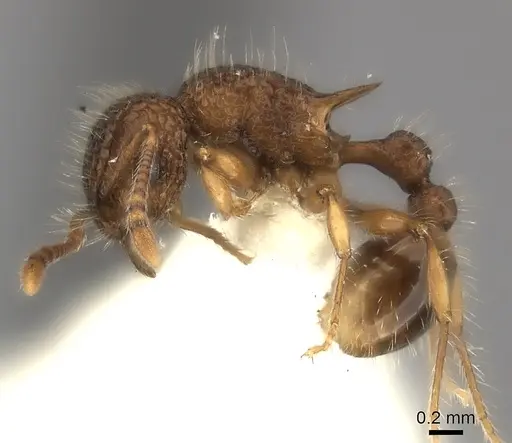
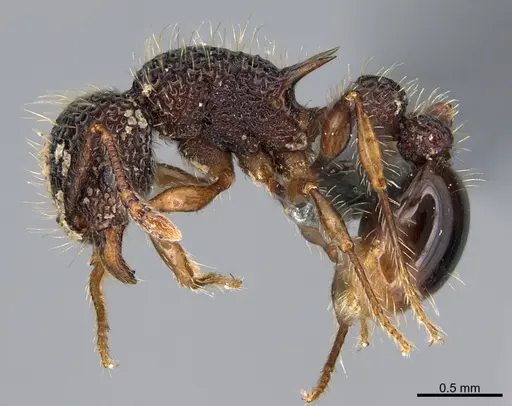
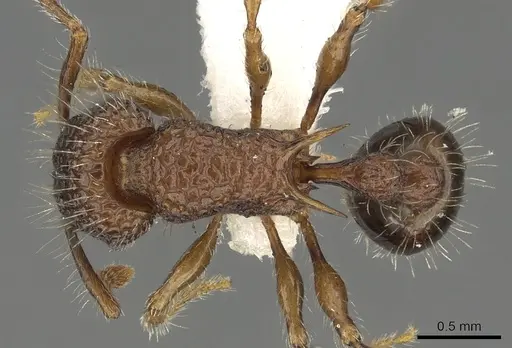
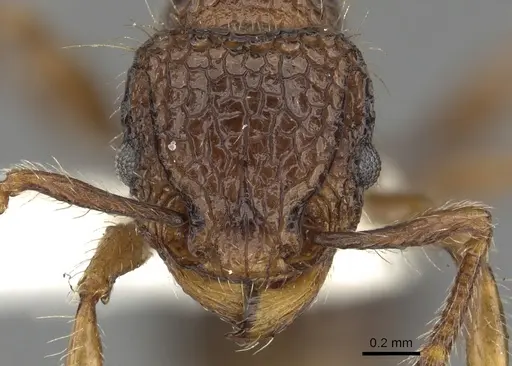
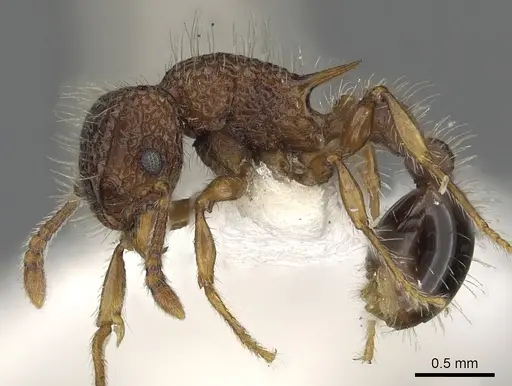
Tetramorium ciliatum is a small ant native to Southeast Asia, with workers measuring 3.6-4.2 mm . They have a striking look: abundant long, erect hairs cover the body, strong frontal carinae are present, and the head and body show a net‑like sculpturing (rugoreticulum) . First described by Bolton in 1977 from Thailand , they inhabit rainforest litter and mixed deciduous forests across northern Thailand and southern China (Yunnan), with records also in Vietnam . They nest in ground soil, under leaf litter, and occasionally on tree trunks . Notably, this species is only found in natural forests - it has been recorded in primary and secondary forest but never in rubber plantations .
Quick Summary
- Difficulty: Medium
- Origin & Habitat: Northern Thailand and southern China (Yunnan), with records from Vietnam [2][3]. Lives in mixed deciduous forest and rainforest litter layers [4]. Prefers natural forest, found in primary and secondary forest but absent from rubber plantations [5].
- Colony Type: Likely monogyne (single‑queen colonies) based on typical Tetramorium patterns, but colony structure has not been directly studied for this species.
- Size & Growth:
- Queen: Size data unavailable, no queen TL measurements have been published. Queens are likely larger than workers (estimated 6-7 mm from paratype presence, but not confirmed).
- Worker: 3.6-4.2 mm (TL) [1]
- Colony: Unknown, related Tetramorium species typically reach several hundred workers, but specific data for T. ciliatum is lacking.
- Growth: Moderate, inferred from similar Tetramorium species.
- Development: Estimated 6-8 weeks at around 24-26°C (based on related Tetramorium, not confirmed for this species). (Development time is a rough estimate, actual timing depends on temperature and food availability.)
- Antkeeping:
- Temperature: Keep at 22-26°C [4]. These tropical forest ants do not tolerate cool conditions, avoid prolonged temperatures below 18°C. A heating cable can create a gradient.
- Humidity: High humidity is critical, aim for 70-85% RH. Substrate should be consistently damp but not waterlogged [4]. Provide a moisture gradient so ants can choose.
- Diapause: True diapause likely not required given the tropical/subtropical range. A mild winter cooling (18-20°C for 2-3 months) is optional and may be beneficial.
- Nesting: Prefers naturalistic setups with deep, moist substrate (5-8 cm of mixed soil/sand). Y‑tong (AAC) or plaster nests with a water reservoir also work. Add leaf litter and twigs to the outworld to mimic the forest floor.
- Behavior: Active foragers that search for food on the forest floor. Generalist omnivores, small insects, seeds, honeydew. Defense: like other Crematogastrini, workers have a modified spatulate stinger used to smear venom onto enemies (bite + smear). They are not normally aggressive unless the nest is disturbed. Escape risk: moderate due to small size (3.6 mm), use fluon barriers or tight lids.
- Common Issues: desiccation is the biggest risk, humidity below 70% can kill the colony quickly., mold from over‑feeding or too‑wet substrate, remove uneaten food after 24 h and provide ventilation., slow initial growth, be patient, dont overfeed to compensate., sensitive to disturbance, avoid opening the nest too often.
Housing and Nest Setup
Tetramorium ciliatum does well in a naturalistic setup that mimics its forest‑floor home. Use a deep substrate (5-8 cm) of mixed soil and sand that holds moisture well. A Y‑tong (AAC) or plaster nest also works if you keep the water reservoir topped up. The key is a humid environment with damp substrate, these ants naturally live in leaf litter where moisture is constant [4]. Add leaf litter, small twigs, or moss to the outworld to give foragers cover. Start the queen in a test tube setup, then move to a larger formicarium when the colony reaches about 30-50 workers.
Feeding and Diet
Like most Tetramorium, T. ciliatum is an omnivore. Offer small protein sources (fruit flies, pinhead crickets, mealworms) 2-3 times per week. Provide a constant sugar source, a drop of honey water or sugar water. In the wild they scavenge on the forest floor for dead insects, seeds, and honeydew [1]. Remove uneaten prey after 24-48 hours to prevent mold. A varied diet supports healthy growth.
Temperature and Seasonal Care
Keep temperatures between 22-26°C for best colony development. This species comes from warm tropical regions of Thailand and China [3][2], so it does not handle cool conditions well. Use a heating cable on one side of the nest if your room is cooler. During winter, you can lower the temperature slightly (to 18-20°C) for 2-3 months, this is optional but may simulate natural seasonality. Avoid sudden temperature swings and keep the setup away from air‑conditioning vents.
Humidity Management
High humidity is essential, aim for 70-85% relative humidity in the nest. The substrate should be damp but never waterlogged. In a test tube, keep the water reservoir full and look for condensation on the tube walls. In a naturalistic setup, mist the substrate regularly and ensure good ventilation to prevent mold while keeping moisture levels up. A moisture gradient (damp on one side, slightly drier on the other) allows the ants to choose their preferred humidity. [4]
Growth and Development
Colony growth is moderate. Expect the first nanitics to emerge 6-8 weeks after the queen begins laying eggs, assuming a temperature of 24-26°C. The queen raises her first brood alone (claustral founding). After workers appear, growth picks up as they help with foraging and brood care. A healthy colony may reach 50-100 workers within the first year. Growth depends heavily on feeding frequency and temperature, warmer conditions within the range speed development. Patience and consistent care are more important than heavy feeding.
Frequently Asked Questions
How long does it take for Tetramorium ciliatum to produce first workers?
About 6-8 weeks after the queen starts laying eggs, at 22-26°C. This is an estimate based on related Tetramorium species, specific data for T. ciliatum is not available. The queen is thought to be claustral, sealing herself in until the first workers emerge.
What temperature do Tetramorium ciliatum ants need?
Keep them at 22-26°C. They come from warm tropical areas (Thailand, China) and become sluggish below 18°C [3][2]. A heating pad on one side can help maintain warmth.
Are Tetramorium ciliatum good for beginners?
This species is rated medium difficulty. The main challenge is maintaining high humidity. Beginners comfortable with moisture control and naturalistic setups may succeed, but it is not the easiest starting ant.
How big do Tetramorium ciliatum colonies get?
Colony size is not documented for this species. Related Tetramorium can reach a few hundred workers, so that is a rough estimate. With good care, a mature colony may reach 200-500 workers over several years.
Do Tetramorium ciliatum ants sting?
They have a functional sting but rarely use it for piercing. As members of the Crematogastrini tribe, their primary defense is smearing venom using a modified spatulate stinger. Most keepers report that they only defend the nest if directly disturbed.
What do Tetramorium ciliatum eat?
Omnivores, accept small insects (fruit flies, pinhead crickets, mealworms), sugar water or honey, and occasionally seeds. Offer protein 2-3 times per week and keep a sugar source always available.
Can I keep multiple Tetramorium ciliatum queens together?
This species is likely monogyne (single queen). Do not combine unrelated queens, they will likely fight. Stick to one queen per colony.
Do Tetramorium ciliatum need hibernation?
True hibernation is not required given their tropical origin. A gentle cooling period (18-20°C for 2-3 months in winter) is optional and may help align with natural seasonal cycles.
Why is my Tetramorium ciliatum colony dying?
Most common causes: low humidity (needs 70-85%), poor diet (lack of protein or sugar), and mold from over‑feeding or stagnant water. Keep substrate damp but not soggy, remove uneaten food promptly, and ensure ventilation.
When should I move Tetramorium ciliatum to a formicarium?
Move from test tube to a formicarium once the colony reaches 30-50 workers. Choose a setup that provides deep, moist substrate (Y‑tong, plaster, or soil) to match their natural litter habitat.
Report an Issue
The current care sheet is based fully on literature. See inconsistencies, or something that's incorrect? Please , it will be resolved after review from an admin. Contributing to the blogs tab also helps providing information, to make us be able to further improve the caresheets. Thank you for your support!
References

This caresheet is licensed under CC BY-SA 4.0 .
Community Blogs
Literature
Loading distribution map...Loading products...