
Tetramorium andrei
- Sci. Name
- Tetramorium andrei
- Tribe
- Crematogastrini
- Subfamily
- Myrmicinae
- Author
- Forel, 1892
- Distribution
- Found in 4 countries
Introduction
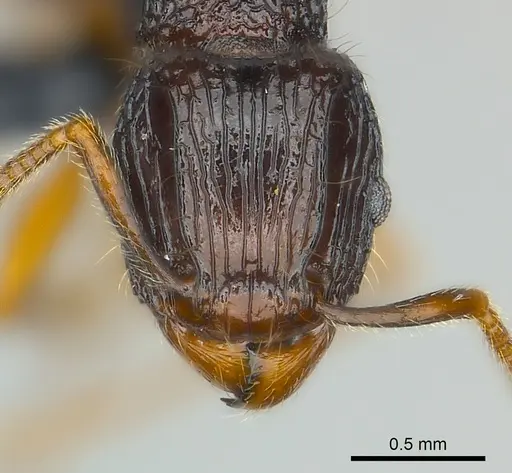
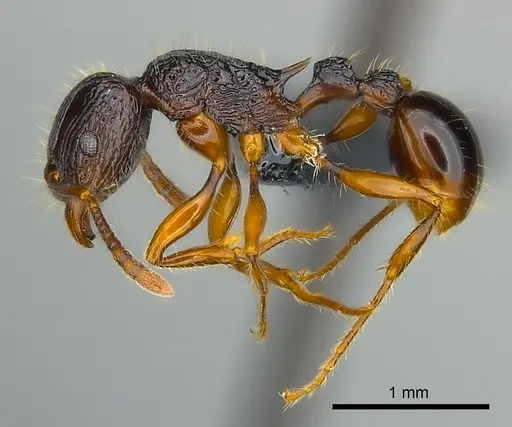
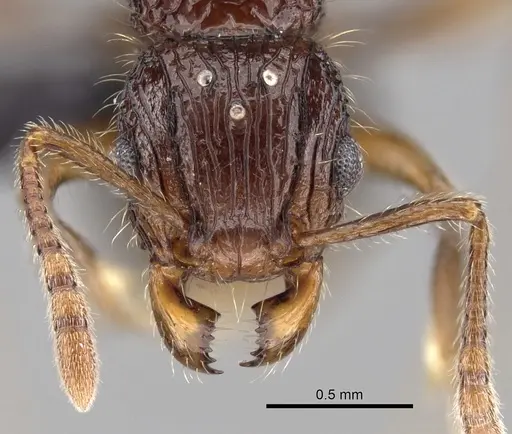
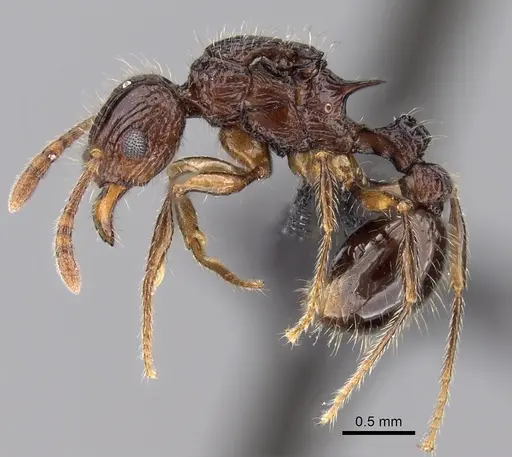
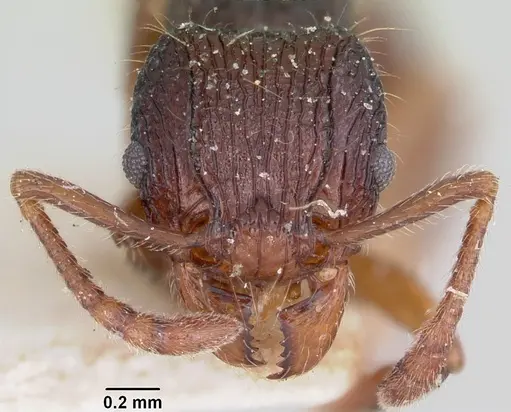
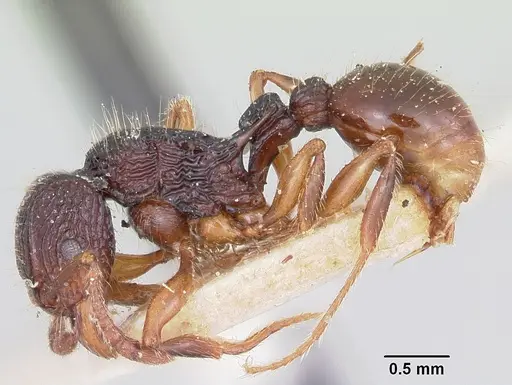
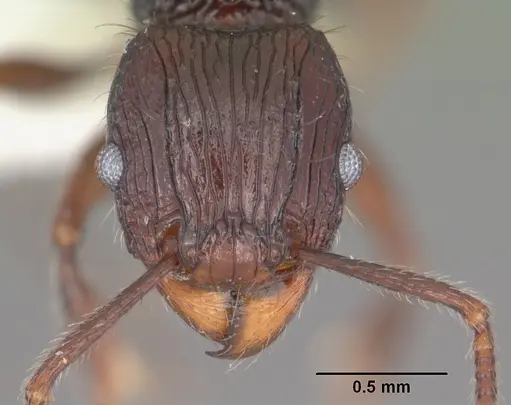
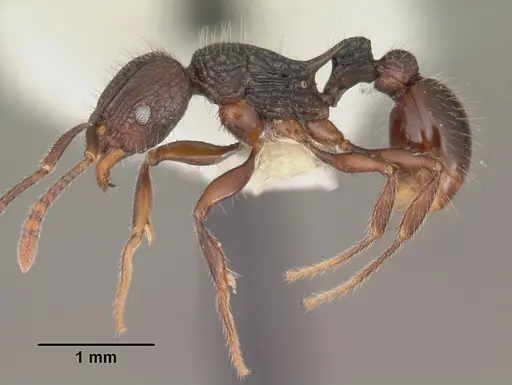
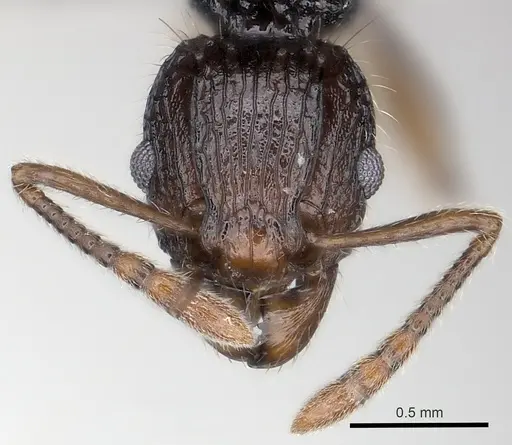
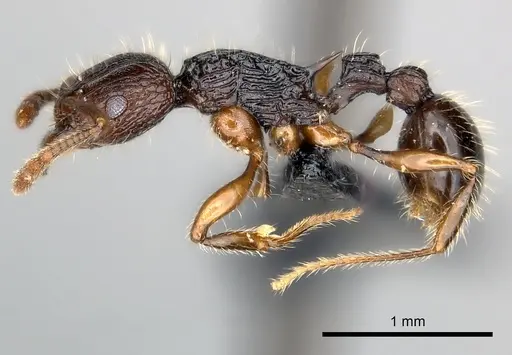
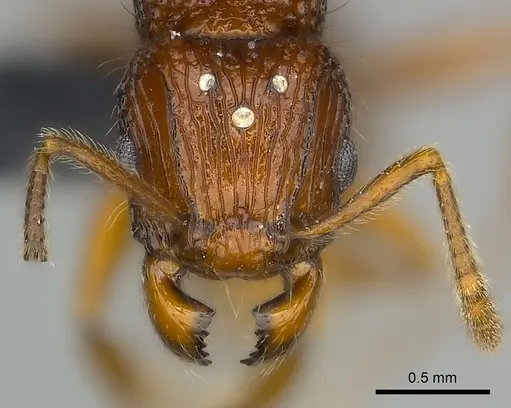
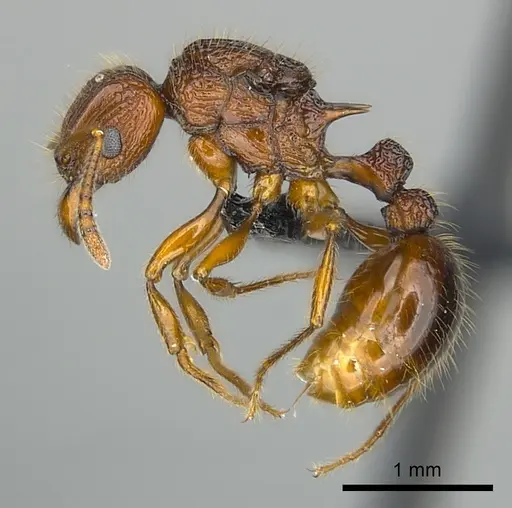
Tetramorium andrei is a small ant native to Madagascar, with workers around 3-4 mm (inferred from genus). They show a wide range of body color from reddish-brown to very dark brown, and have long propodeal spines and a rectangular petiolar node . This species is common across rainforests and montane rainforests of eastern and northern Madagascar, found from sea level up to 1625 m elevation, living in leaf litter . It shows extraordinary intraspecific variation, with researchers identifying multiple cryptic species within what is currently classified as T. andrei .
Quick Summary
- Difficulty: Medium
- Origin & Habitat: Eastern and northern Madagascar rainforests and montane rainforests, from Andohahela in the southeast to Montagne Francais in the north, with isolated populations in Ambohijanahary, Manongarivo, and Ampasindava [1][2]. Lives in leaf litter at elevations 10-1625 m [1].
- Colony Type: Unconfirmed. Based on typical Tetramorium patterns, likely monogyne (single queen). No specific studies on colony structure.
- Size & Growth:
- Queen: size data unavailable
- Worker: ~3-4 mm (inferred from Tetramorium genus)
- Colony: Unknown, but similar Tetramorium species reach several hundred workers (estimated)
- Growth: Moderate
- Development: 6-8 weeks (estimated based on typical Tetramorium development, no species-specific data) (Specific timing undocumented, but typical for genus.)
- Antkeeping:
- Temperature: Aim for 22-26°C. Specific optimum unknown, but as a tropical rainforest species from Madagascar, warm stable temperatures are essential [1]. Avoid prolonged temperatures below 20°C or above 30°C, inferred from habitat.
- Humidity: High humidity required, keep nest substrate consistently moist but not waterlogged. They inhabit leaf litter in humid rainforests [1]. Balance moisture with ventilation to prevent mold.
- Diapause: No, tropical species from Madagascar, no hibernation required [1].
- Nesting: Y-tong (AAC) or plaster nests work well. Prefer tight chambers scaled to small worker size. A naturalistic setup with moist soil and decaying leaves can also work, mimicking leaf litter habitat [1].
- Behavior: These ants are generally calm and not aggressive. Their primary defense is smearing venom with a modified stinger (typical of tribe Crematogastrini). They flee or hide rather than fight. Their small size means high escape risk, use fine mesh and tight barriers.
- Common Issues: high humidity needs can promote mold if ventilation is poor, small size (around 3 mm) makes escapes likely without proper barriers, tropical species will not tolerate cool temperatures, keep above 20°C, wild-caught colonies may carry parasites or suffer from transit stress, founding details are unstudied, patience required
Housing and Nest Setup
30 workers or when tube becomes cramped). A naturalistic setup with moist soil and decaying leaves mimics their habitat [1]. Avoid dry setups, moisture retention is key.
Feeding and Diet
Like other Tetramorium, they are likely omnivorous. Offer small live prey (fruit flies, springtails, tiny crickets) 2-3 times a week and keep a constant source of sugar water or honey water. Remove uneaten protein after 24-48 hours to prevent mold. Prey should be no larger than the workers themselves.
Temperature and Seasonal Care
As a tropical species from Madagascar, keep temperatures warm and stable between 22-26°C [1]. They inhabit rainforests where temperatures stay relatively constant year-round. Rooms within this range are fine, avoid spots near windows or vents that cause fluctuations. If your space drops below 20°C, use a heating cable on one side of the nest. No hibernation is needed, maintain consistent warmth all year.
Humidity Management
High humidity is essential because these ants live in leaf litter in humid rainforests [1]. Keep the nest substrate damp to the touch, like a forest floor after rain. Avoid standing water or waterlogging, the substrate should be moist but not soggy. Rehydrate by adding water to the nest's reservoir or misting when it starts to dry. Good ventilation prevents mold, which can be deadly.
Behavior and Colony Dynamics
Workers forage actively through leaf litter [1]. They are not aggressive and will flee or hide rather than fight. Their defense mechanism (typical of tribe Crematogastrini) is to smear venom with a modified stinger, not to sting deeply. Colonies grow moderately, expect a year or more to reach a few hundred workers. Morphological variation is high across their range, so your colony's appearance may differ from others [1].
Escape Prevention
Workers are small (around 3 mm), so escape prevention requires care. Use tightly packed cotton in test tubes, apply fluon (PTFE) to outworld rims, and cover ventilation with mesh smaller than 0.5 mm. Check all joints and seams regularly, these ants can squeeze through tiny gaps. A sealed outworld is as important as a secure nest. [1]
Frequently Asked Questions
How long does it take for Tetramorium andrei queens to raise their first workers?
Estimated 6-10 weeks from egg to nanitic at 22-26°C, based on typical Tetramorium development. No species-specific data exists.
Do Tetramorium andrei ants sting?
They have a modified stinger, but rather than piercing, they smear venom onto enemies (smear defense, typical of their tribe). They are not aggressive and rarely use this defense on keepers.
What temperature do Tetramorium andrei ants need?
Aim for 22-26°C. As a tropical rainforest species, they need warmth year-round. Avoid temperatures below 20°C or above 30°C [1].
Can I keep Tetramorium andrei in a test tube?
30 workers).
How big do Tetramorium andrei colonies get?
Unknown. Based on similar Tetramorium species, likely several hundred workers after a few years, but exact maximum is unconfirmed.
Do Tetramorium andrei need hibernation?
No. As a tropical species, they do not require diapause. Keep them warm year-round [1].
What do Tetramorium andrei eat?
Provide small live prey (fruit flies, springtails) and constant sugar water. Remove uneaten protein after 24-48 hours. They are assumed omnivorous like other Tetramorium.
Are Tetramorium andrei good for beginners?
Moderate difficulty. The main challenges are maintaining high humidity and preventing escapes due to small size. If you can manage warm, humid conditions and tight barriers, they are manageable.
Why are my Tetramorium andrei dying?
Common causes: temperature below 20°C (they are tropical), low humidity causing desiccation, mold from poor ventilation, or escape. Check environmental parameters and seal any gaps.
When should I move Tetramorium andrei to a formicarium?
30 workers) or when you need more humidity control. Use a Y-tong or plaster nest with small chambers.
Do Tetramorium andrei need a multi-queen colony setup?
No. They are likely monogyne based on the genus. Keep only one queen per nest. Pleometrosis (multiple queens founding together) has not been recorded for this species.
What humidity level do Tetramorium andrei need?
High. Keep nest substrate consistently moist but not waterlogged. They live in leaf litter in rainforests, so aim for conditions a little damp to the touch [1].
Report an Issue
The current care sheet is based fully on literature. See inconsistencies, or something that's incorrect? Please , it will be resolved after review from an admin. Contributing to the blogs tab also helps providing information, to make us be able to further improve the caresheets. Thank you for your support!
References

This caresheet is licensed under CC BY-SA 4.0 .
Community Blogs
CASENT0037938
View on AntWeb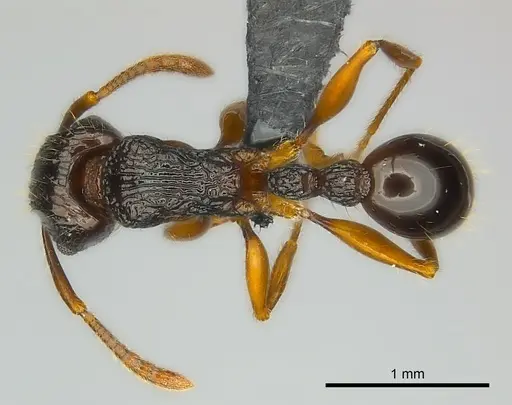
CASENT0070343
View on AntWeb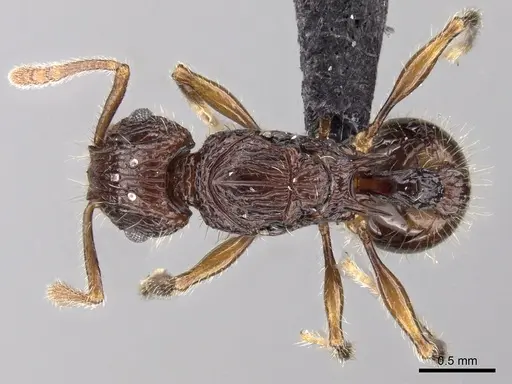
CASENT0073463
View on AntWeb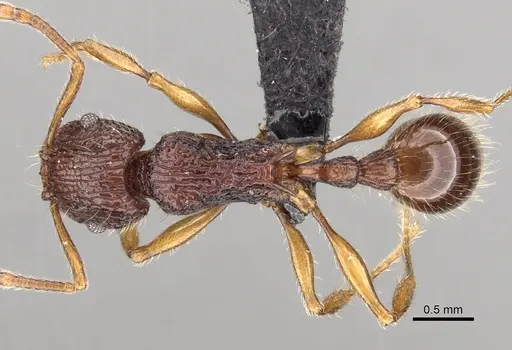
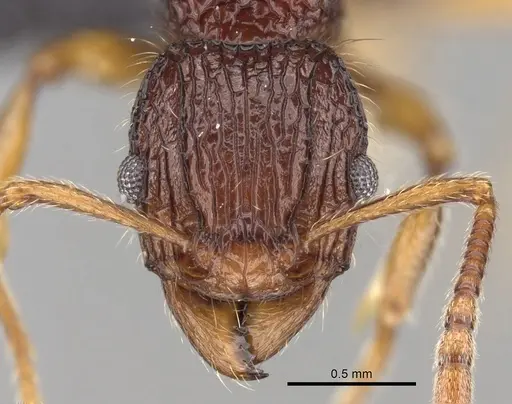
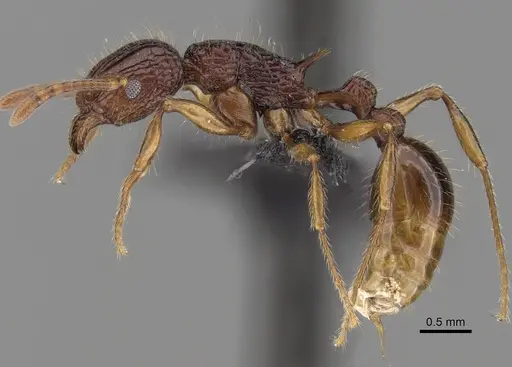
CASENT0101279
View on AntWeb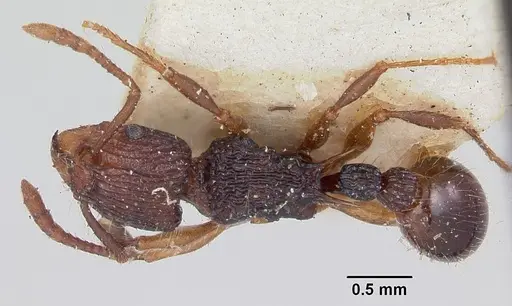
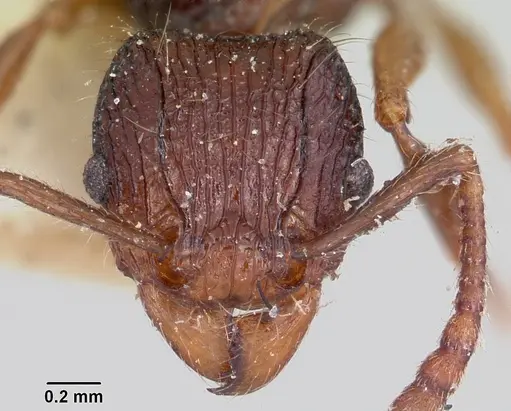
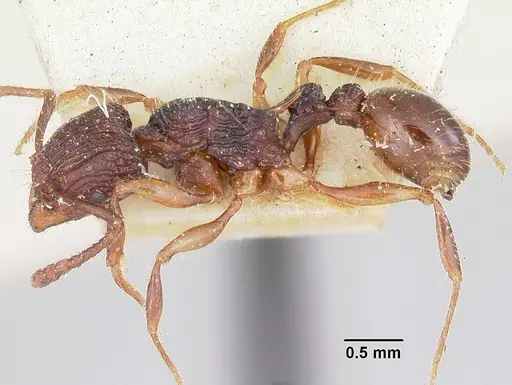
CASENT0101280
View on AntWeb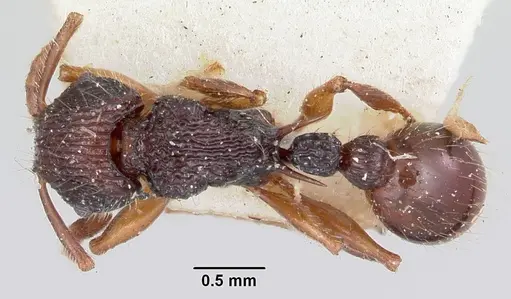
CASENT0101281
View on AntWeb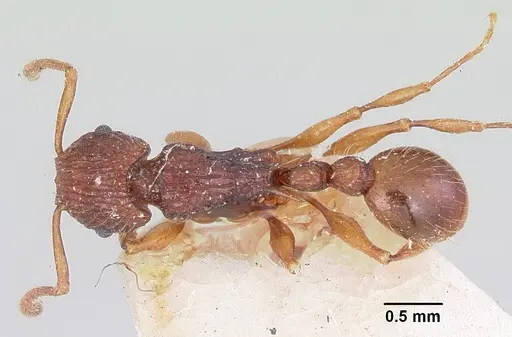
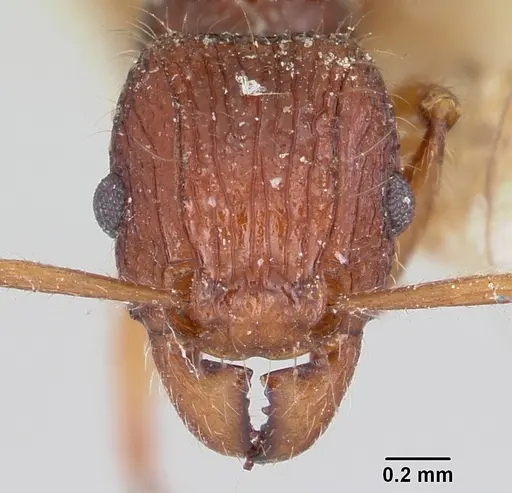
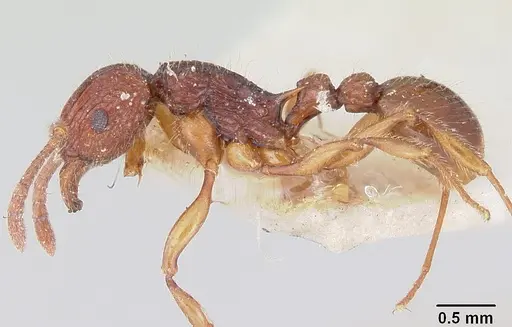
CASENT0101282
View on AntWeb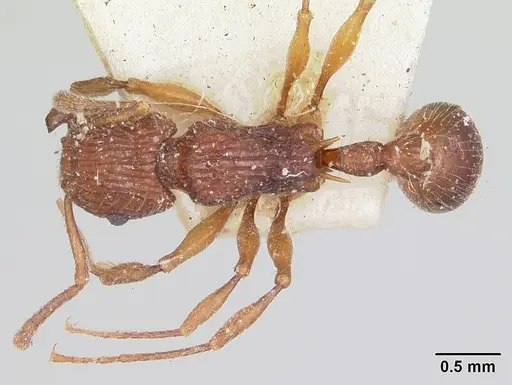
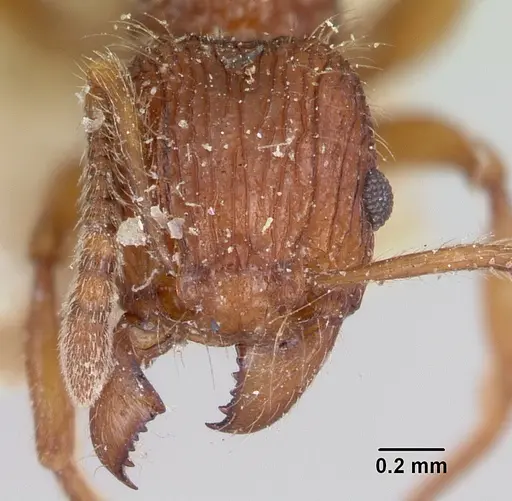
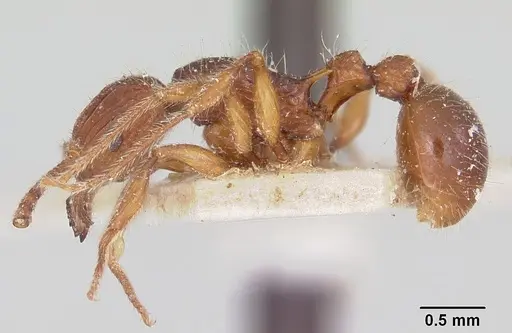
CASENT0101821
View on AntWeb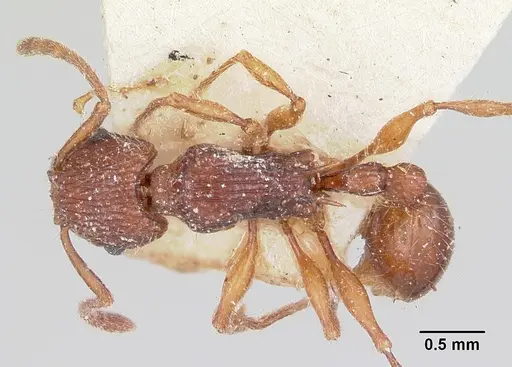
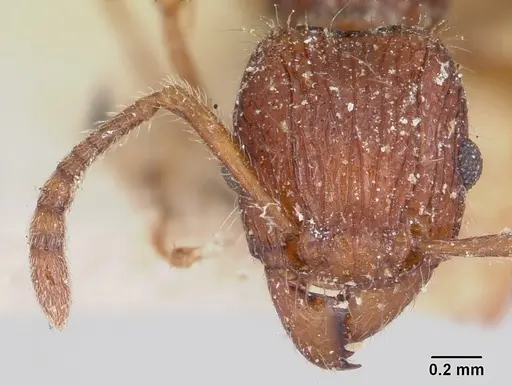
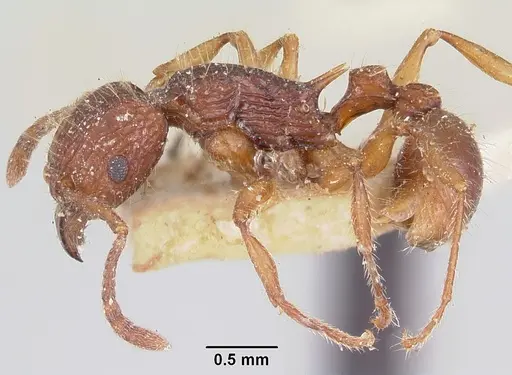
CASENT0102395
View on AntWeb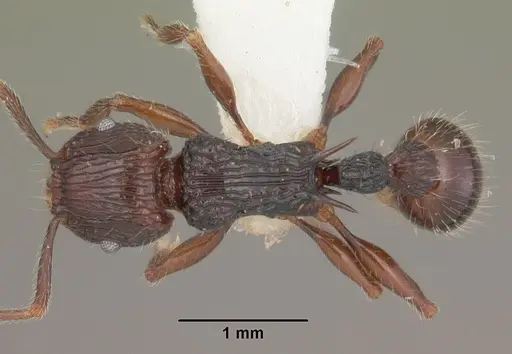
CASENT0163321
View on AntWeb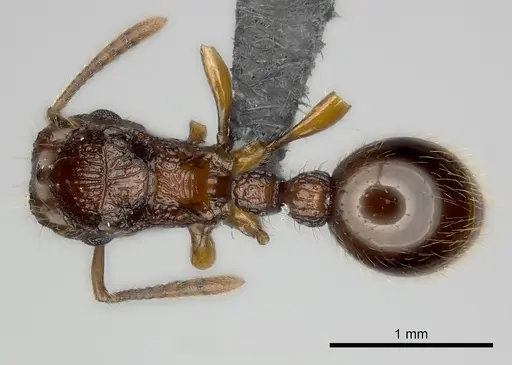
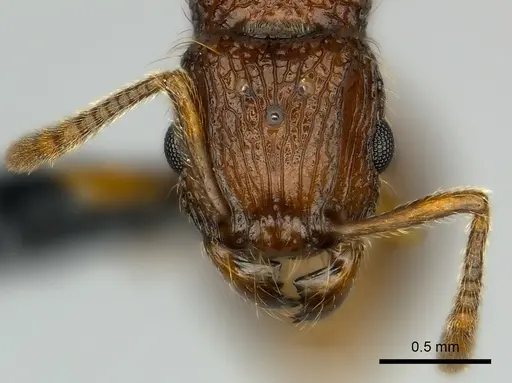
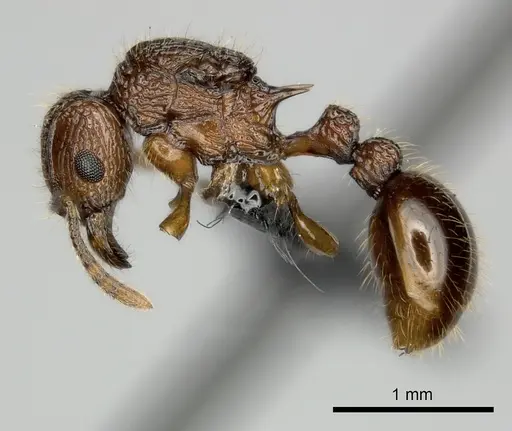
CASENT0163328
View on AntWeb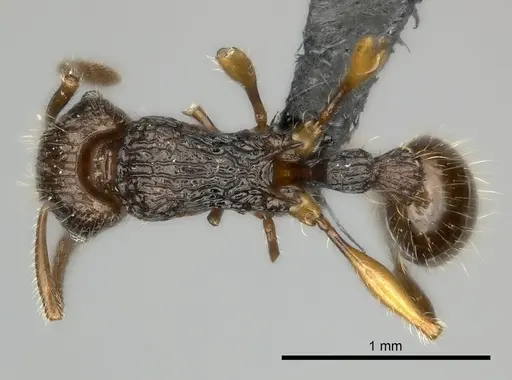
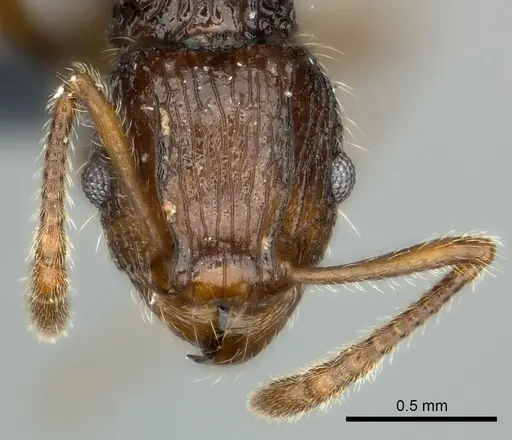
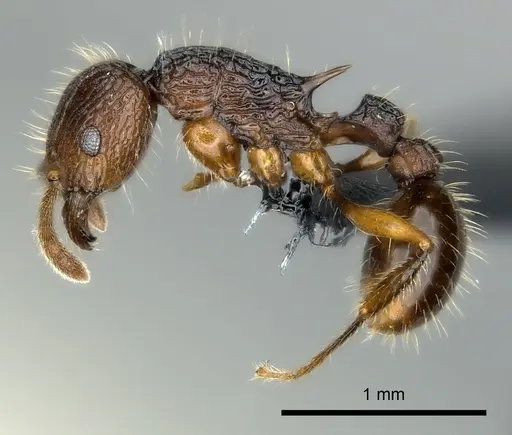
CASENT0163379
View on AntWeb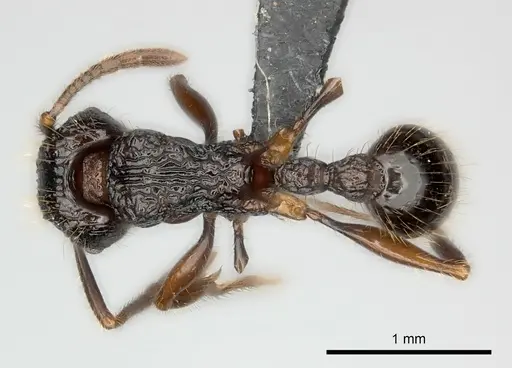
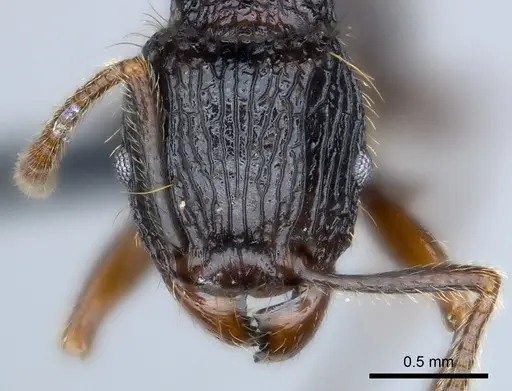
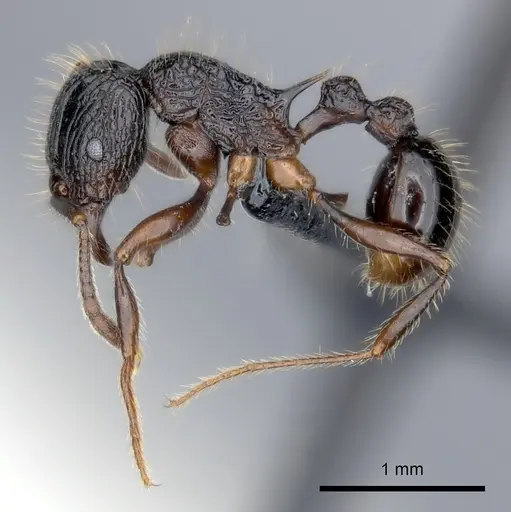
CASENT0163551
View on AntWeb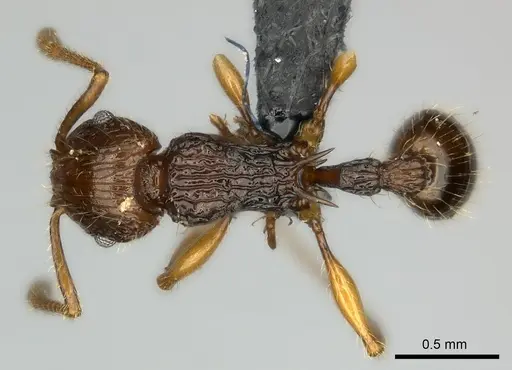
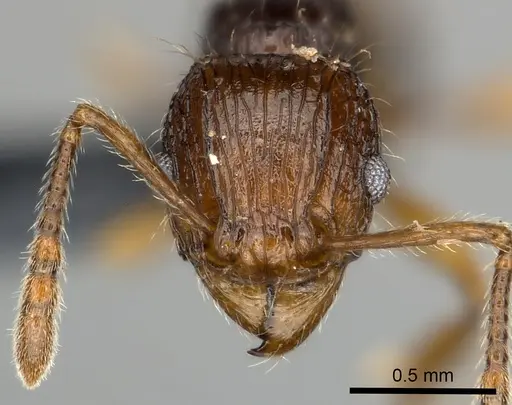
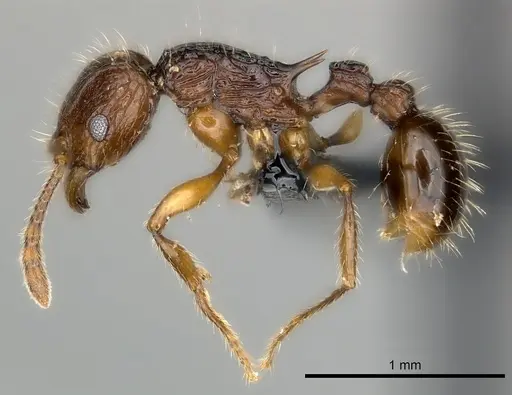
CASENT0163560
View on AntWeb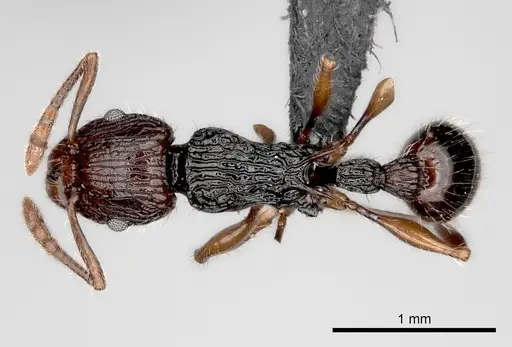
CASENT0464761
View on AntWeb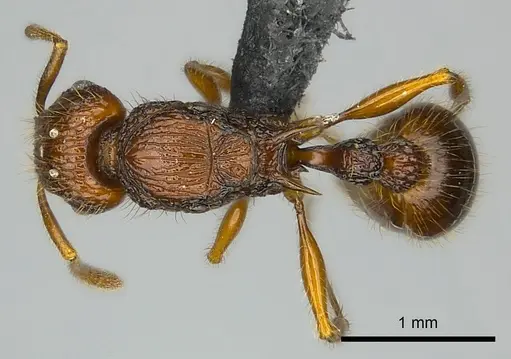
Literature
Loading distribution map...Loading products...