
Tetramorium ala
- Sci. Name
- Tetramorium ala
- Tribe
- Crematogastrini
- Subfamily
- Myrmicinae
- Author
- Hita Garcia & Fisher, 2012
- Distribution
- Found in 1 countries
Introduction
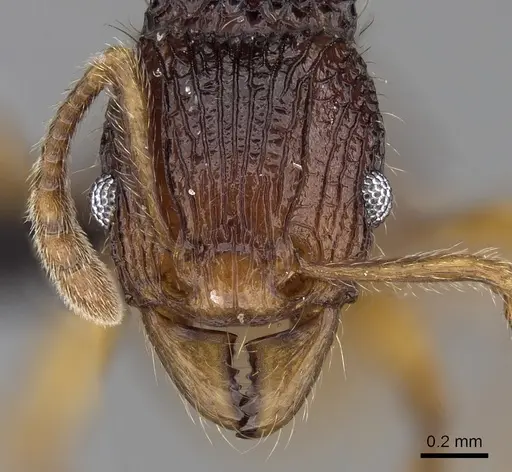
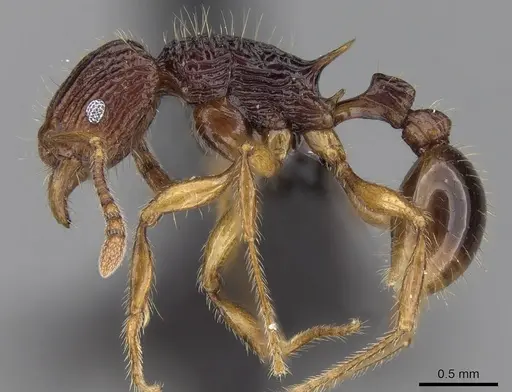
Tetramorium ala is a small ant known only from a single location in northeastern Madagascar: Montagne d'Anjanaharibe, where it lives in montane rainforest leaf litter at 1100m elevation . Workers are bright orange to orange-brown with long propodeal spines and a rectangular petiolar node . They belong to the Tetramorium tortuosum species group and have moderately sized eyes and a head covered in longitudinal ridges . Because the species is only known from the original description, almost everything about its care is based on what we know about other Tetramorium ants. If you want to keep them, you'll be working with very limited species-specific data, so be ready to observe and adjust.
Quick Summary
- Difficulty: Medium
- Origin & Habitat: Montagne d'Anjanaharibe, northeastern Madagascar, montane rainforest at 1100m elevation. Collected from leaf litter [1][2].
- Colony Type: Unknown. Based on genus patterns, Tetramorium are usually single-queen (monogyne), but this has not been confirmed for T. ala.
- Size & Growth:
- Queen: Unknown, no queens have been described for this species.
- Worker: Inferred from body proportions of similar Tetramorium (~3-4 mm), not directly measured in the research.
- Colony: Unknown, no data available.
- Growth: Unknown, no data available.
- Development: Unknown, no data available. (All colony development information is currently unknown for this species.)
- Antkeeping:
- Temperature: Inferred from montane rainforest habitat: keep cool, around 20-24°C. Avoid temperatures above 27°C. Use a gradient if possible.
- Humidity: Inferred from leaf-litter habitat: high moisture needed. Keep substrate consistently damp but not waterlogged. Provide a humidity gradient so ants can choose.
- Diapause: Unknown, but tropical montane species typically do not require winter diapause.
- Nesting: Naturalistic setups with deep soil or coconut fiber topped with leaf litter work well. Y-tong or plaster nests with small chambers are also suitable. Ensure fine mesh (0.5mm or finer) on all openings.
- Behavior: Generalist foragers like most Tetramorium. Workers are small (inferred ~3-4 mm). Because of their tiny size, escaping is a big risk, use fine mesh everywhere. Non-aggressive temperament typical of the genus. As members of the Myrmicinae subfamily and Crematogastrini tribe, they can smear venom using a modified stinger, but this poses no threat to humans.
- Common Issues: very limited species-specific data, be prepared to test conditions and adjust, tiny workers require fine mesh barriers (0.5mm or smaller) to prevent escapes, high humidity needed but must be balanced with ventilation to avoid mold, tropical origin makes them sensitive to temperature fluctuations, wild-caught colonies may carry parasites, quarantine new colonies
Housing and Nest Setup
For a leaf-litter species like T. ala, a naturalistic terrarium-style setup works best. Use a layer of moist soil or coconut fiber at least 5 cm deep, topped with dried leaves and bark pieces. This gives workers hiding spots and mimics their forest floor home. Alternatively, a Y-tong nest with small chambers or a plaster nest with good moisture retention works well. Because workers are small (inferred ~3-4 mm), secure all openings with fine mesh (0.5mm or finer), these ants can squeeze through standard escape barriers. Connect the nest to an outworld with a water source to help maintain humidity [2].
Feeding and Diet
Like most Tetramorium, T. ala is probably a generalist scavenger. Offer protein sources such as small insects (fruit flies, pinhead crickets, tiny mealworms) and sugar water or honey for carbohydrates. In a naturalistic setup they will also hunt small arthropods in the leaf litter. Feed protein 2-3 times per week and always keep a sugar source available. Remove uneaten prey after 24 hours to prevent mold [2].
Temperature and Humidity
Since T. ala comes from a montane rainforest at 1100m, aim for temperatures around 20-24°C. Keep it below 27°C, as high heat may stress the colony. Use a heating cable only if the room drops below 18°C, and place it on one side to create a gradient. For humidity, maintain high moisture, the substrate should feel damp to the touch but never waterlogged. Mist occasionally, and use a water tube in the nest. Good airflow is needed to stop mold while keeping humidity high [1][2].
Colony Development
No development data exists for T. ala. If you're keeping this species, treat it like other Tetramorium: expect the founding queen to raise the first brood without feeding (claustral founding, but this is unconfirmed). The first workers (nanitics) will be smaller than later ones. Growth rate and colony size are unknown, so be patient. Move the colony to a larger formicarium only when they have at least 30-50 workers and are actively foraging in the outworld. In a naturalistic setup they may never need a formal nest [2].
Seasonal Care
As a tropical species from a consistent montane climate, T. ala likely does not need hibernation. Maintain stable conditions year-round. Room temperature (20-24°C) is fine. Avoid putting the colony near drafty windows or air conditioning vents. In winter, dry indoor air may require more frequent misting or a larger water reservoir to keep humidity up [2].
Frequently Asked Questions
How long does it take for Tetramorium ala to produce first workers?
No data is available. If the species follows typical Tetramorium patterns, it might take 4-8 weeks from egg to worker, but this is pure guesswork. Be prepared for a longer wait and don't disturb the queen during founding [2].
What size colony does Tetramorium ala reach?
Unknown. No colony size has ever been recorded for this species. Based on related Tetramorium, some species have colonies of a few hundred workers, but T. ala might be much smaller. Do not expect a huge colony [2].
Do Tetramorium ala ants sting?
As a member of the Myrmicinae subfamily and Crematogastrini tribe, they have a stinger modified for smearing venom rather than piercing. However, given their tiny size (inferred ~3-4 mm), any sting would be negligible to humans. They are not dangerous [2].
Can I keep Tetramorium ala in a test tube?
Yes, test tubes work well for starting a colony. Use a small tube with a cotton water reservoir at the bottom. Cover the opening with fine mesh (0.5mm or finer) because these ants are tiny. Keep the tube in a dark, quiet spot until workers appear [2].
What temperature do Tetramorium ala need?
Based on their montane rainforest home, aim for 20-24°C. Avoid temperatures above 27°C. Room temperature in most homes is suitable. Use a heating cable only if the room gets too cold [1][2].
Do Tetramorium ala need hibernation?
Probably not. They come from a tropical climate with little seasonal change, so winter diapause is not expected. Keep conditions stable year-round. This is different from temperate Tetramorium species that need a cold rest period [2].
Are Tetramorium ala good for beginners?
Not really. The lack of species-specific care data and their small size (requiring careful escape-proofing) make them better suited to intermediate keepers. If you're new to antkeeping, start with a better-documented species first [2].
What do Tetramorium ala eat?
Likely a generalist like other Tetramorium. Offer small insects (fruit flies, pinhead crickets, mealworms) for protein and sugar water or honey for carbs. In a naturalistic setup they will scavenge through leaf litter. Feed protein 2-3 times per week and keep sugar always available [2].
Why are my Tetramorium ala escaping?
Even though workers are only inferred at ~3-4 mm, they can still squeeze through tiny gaps. Use fine mesh (0.5mm or finer) on all openings. Standard fluon barriers may not be enough. Check all connections between nest and outworld regularly [2].
When should I move Tetramorium ala to a formicarium?
Wait until the colony has at least 30-50 workers and is actively foraging. Moving too early stresses the queen and can cause colony decline. In a naturalistic setup they may do well without ever moving to a formal formicarium, just expand the leaf litter layer if needed [2].
Report an Issue
The current care sheet is based fully on literature. See inconsistencies, or something that's incorrect? Please , it will be resolved after review from an admin. Contributing to the blogs tab also helps providing information, to make us be able to further improve the caresheets. Thank you for your support!
References

This caresheet is licensed under CC BY-SA 4.0 .
Community Blogs
CASENT0038393
View on AntWeb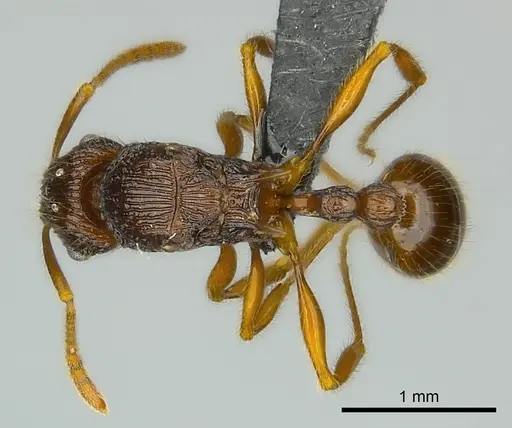
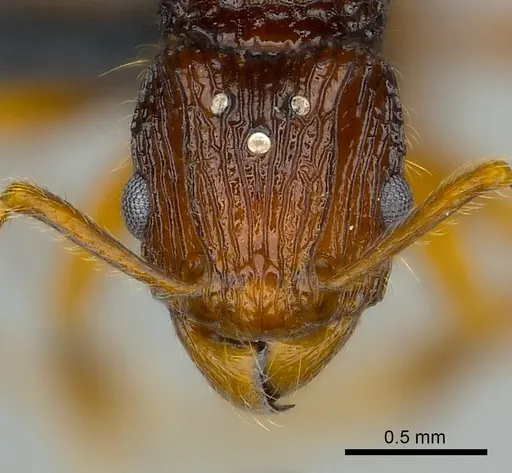
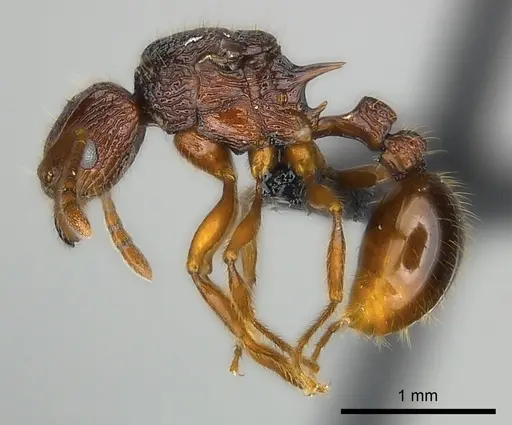
CASENT0038473
View on AntWeb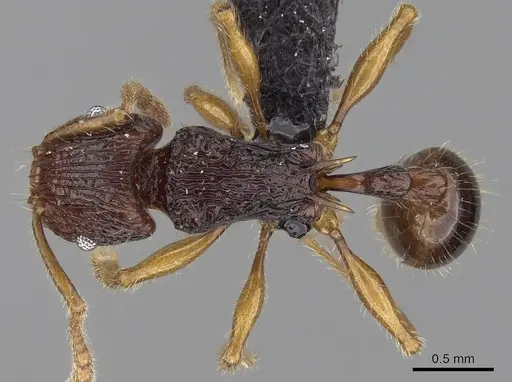
Literature
Loading distribution map...Loading products...