
Tetramorium adpressum
- Sci. Name
- Tetramorium adpressum
- Tribe
- Crematogastrini
- Subfamily
- Myrmicinae
- Author
- Bolton, 1976
- Distribution
- Found in 1 countries
Introduction
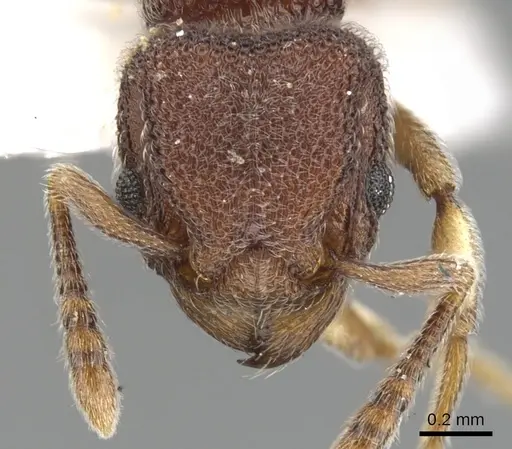
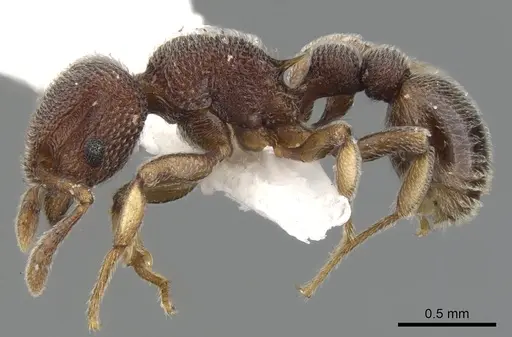
Tetramorium adpressum is a small ant species native to Southeast Asia, originally described as *Triglyphothrix adpressa* in 1976 before being reclassified to the genus *Tetramorium* in 1985 . Workers are small, dark-bodied ants with 12-segmented antennae, typical of the genus. This species has been documented across the Indomalaya region including Borneo, Brunei, the Philippines, Sulawesi, and Indonesia . Unlike many ground-nesting *Tetramorium*, *T. adpressum* has been collected on tree trunks in lowland dipterocarp forests, suggesting it may forage frequently on vertical surfaces . The species belongs to the subfamily Myrmicinae and tribe Crematogastrini, and its primary defense mechanism is smearing venom onto enemies using a modified, spatulate stinger rather than piercing them.
Quick Summary
- Difficulty: Medium
- Origin & Habitat: Native to Southeast Asia with documented populations in Borneo, Brunei, the Philippines, Sulawesi, and Indonesia. This species inhabits lowland dipterocarp tropical forests and has been collected from tree trunks, suggesting a preference for humid forest environments with access to vertical surfaces [2][1].
- Colony Type: Monogyne (single queen) is typical for the genus *Tetramorium*, but not confirmed for this specific species. Colony size for this species is unconfirmed, related *Tetramorium* species typically form colonies of several hundred workers.
- Size & Growth:
- Queen: Size data unavailable for this species. Inferred from the *Tetramorium* genus, queens are likely around 6-8 mm.
- Worker: Size data unavailable for this species. Inferred from the *Tetramorium* genus, workers are likely around 2.5-4 mm.
- Colony: Unknown for this species, estimated up to 500 workers based on related *Tetramorium* species [1].
- Growth: Moderate, based on typical *Tetramorium* development patterns.
- Development: Estimated 6-8 weeks at consistent tropical temperatures (24-28°C) based on genus-level data for related species [1]. (Development time is inferred from typical *Tetramorium* patterns, direct measurements for *T. adpressum* are unavailable.)
- Antkeeping:
- Temperature: Keep at 24-28°C, this species originates from tropical lowland forests in Southeast Asia where temperatures remain warm year-round. A slight temperature gradient is recommended [1].
- Humidity: High humidity is essential. Keep the nest substrate consistently moist but not waterlogged. Provide a water source (e.g., test tube water reservoir) and mist occasionally if needed. Avoid standing water.
- Diapause: No, this species is from a tropical region without seasonal temperature drops. Keep temperatures consistent year-round [1].
- Nesting: Based on collection data showing them on tree trunks, they likely prefer enclosed nests with good moisture retention. Y-tong (AAC) nests or plaster nests work well. The nest should retain moisture but still allow ventilation. Avoid completely dry setups.
- Behavior: This is a peaceful, non-aggressive species suitable for observation. Workers are small and active, foraging on nest structures and in the outworld. They use a venom-smearing defense (typical of their tribe) but are not known to sting aggressively. Because of their small size, escape prevention is critical, use fine mesh or fluon barriers. They likely accept both sugar sources and small protein prey, following typical *Tetramorium* dietary patterns.
- Common Issues: small worker size means escape prevention must be excellent, use fine mesh barriers., high humidity requirements can lead to mold if ventilation is poor., tropical species will not tolerate cool temperatures, keep above 24°C., limited specific care data means starting conditions are estimates based on genus patterns., wild-caught colonies may carry parasites that can decimate captive populations.
Housing and Nest Setup
For Tetramorium adpressum, use a nest that maintains high humidity well. Y-tong (AAC) nests or plaster nests are excellent choices, they hold moisture without becoming waterlogged and provide the dark, enclosed chambers these ants prefer. Given their collection from tree trunks, consider adding some vertical elements or rough surfaces in the outworld that mimic bark texture [2]. A test tube setup works for founding colonies, use a water tube with cotton to maintain humidity. Move to a formicarium once the colony outgrows the test tube. Always use excellent escape prevention, their small size means they can squeeze through gaps that larger ants cannot [1].
Feeding and Diet
Tetramorium adpressum will accept standard ant foods including sugar water, honey, or sucrose solution as a constant energy source. For protein, offer small prey items like fruit flies, small crickets, mealworms, or other appropriately-sized insects. Based on typical Tetramorium behavior, they are generalist feeders and will scavenge as well as hunt. Feed small amounts every 2-3 days and remove uneaten prey after 24 hours to prevent mold. A varied diet helps ensure healthy colony development [1].
Temperature and Seasonal Care
This is a tropical species requiring warm, stable temperatures year-round. Maintain temperatures between 24-28°C in the nest area. A heating cable on one side of the nest can create a gentle gradient if room temperature is below this range. Place heating on top of the nest, not underneath, to avoid evaporating moisture too quickly. Unlike temperate species, T. adpressum does not require hibernation or diapause, maintaining consistent tropical conditions is essential for colony health and brood development. Avoid temperature drops below 22°C as this can slow development and potentially stress the colony [1].
Humidity Management
High humidity is critical for this species. Keep the nest substrate consistently moist, it should feel damp to the touch but never have standing water. In test tube setups, ensure the water reservoir is adequate but not so large that flooding becomes a risk. In formicarium setups, check moisture levels every few days and rehydrate as needed based on condensation and substrate appearance rather than a fixed schedule. Poor humidity leads to failed broods and colony decline. However, balance humidity with adequate ventilation to prevent mold growth, which can be deadly to ant colonies [1].
Colony Development
If the queen is claustral (as is typical for Tetramorium), she will seal herself in a chamber and survive on her stored fat reserves while raising the first brood. The founding process typically takes 4-8 weeks depending on temperature, with first workers (nanitics) being smaller than mature workers. Once the first workers emerge, the colony will begin foraging for food. Growth rate is moderate, expect several months to reach 50 workers, and potentially a year or more to reach larger colony sizes. Be patient with founding colonies as they are vulnerable to stress. Avoid disturbing a founding queen unnecessarily [1].
Defense Mechanism
As a member of the subfamily Myrmicinae and tribe Crematogastrini, Tetramorium adpressum has a modified, flattened spatulate stinger used to smear venom onto enemies rather than piercing flesh. This smear defense is typical of many Crematogastrini species. Despite having this stinger, T. adpressum is generally docile and not prone to stinging keepers.
Frequently Asked Questions
How long does it take for Tetramorium adpressum to produce first workers?
Expect first workers (nanitics) to emerge 6-8 weeks after the queen lays eggs, assuming temperatures around 24-28°C. This estimate is based on typical Tetramorium development patterns as specific timing for T. adpressum has not been documented [1].
What do Tetramorium adpressum ants eat?
They accept both sugar sources (honey, sugar water, sucrose solution) and protein prey (small insects like fruit flies, pinhead crickets, mealworms). Feed protein 2-3 times per week and provide constant access to sugar water [1].
Do Tetramorium adpressum ants sting?
While they have a stinger (modified for smearing venom), they are generally docile and not known to sting humans. Their primary defense is to smear venom, which poses minimal risk to keepers.
Can I keep multiple Tetramorium adpressum queens together?
This species is not known to be polygyne, and co-founding (pleometrosis) has not been documented. Keeping multiple queens together is not recommended without evidence, they likely will fight. Stick to single-queen colonies [1].
Do Tetramorium adpressum need hibernation?
No, this is a tropical species from Southeast Asia. They do not require diapause or hibernation. Keep temperatures consistent year-round between 24-28°C [1].
What is the best nest type for Tetramorium adpressum?
Y-tong (AAC) nests or plaster nests work well because they hold humidity effectively. The chambers should be sized for small workers. Test tubes are suitable for founding colonies. Add vertical elements if possible [1].
How big do Tetramorium adpressum colonies get?
Colony size is not documented for this species. Based on related Tetramorium species, colonies may reach up to 500 workers over 1-2 years with proper care [1].
Why are my Tetramorium adpressum escaping?
Their small size means they can squeeze through tiny gaps. Use fine mesh (0.5mm or smaller), apply fluon to barrier edges, and ensure all connections are tight. Escape prevention is critical with small ants [1].
Are Tetramorium adpressum good for beginners?
This species is rated as medium difficulty. While peaceful and interesting, its high humidity and tropical temperature requirements demand more attention than temperate species. Not recommended for absolute beginners [1].
Where is Tetramorium adpressum found?
This species is native to Southeast Asia, documented in Borneo, Brunei, the Philippines, Sulawesi, and Indonesia. They inhabit lowland dipterocarp forests and have been collected from tree trunks [2][1].
Report an Issue
The current care sheet is based fully on literature. See inconsistencies, or something that's incorrect? Please , it will be resolved after review from an admin. Contributing to the blogs tab also helps providing information, to make us be able to further improve the caresheets. Thank you for your support!
References

This caresheet is licensed under CC BY-SA 4.0 .
Community Blogs
CASENT0901066
View on AntWeb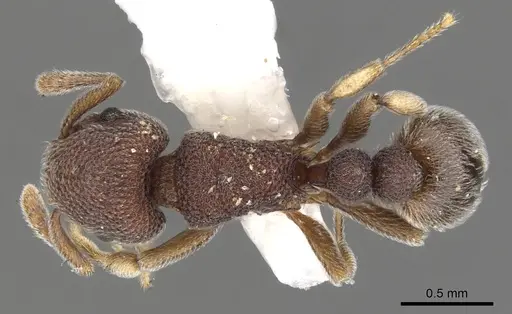
Literature
Loading distribution map...Loading products...