
Temnothorax rottenbergii
- Sci. Name
- Temnothorax rottenbergii
- Tribe
- Crematogastrini
- Subfamily
- Myrmicinae
- Author
- Emery, 1870
- Distribution
- Found in 2 countries
Introduction
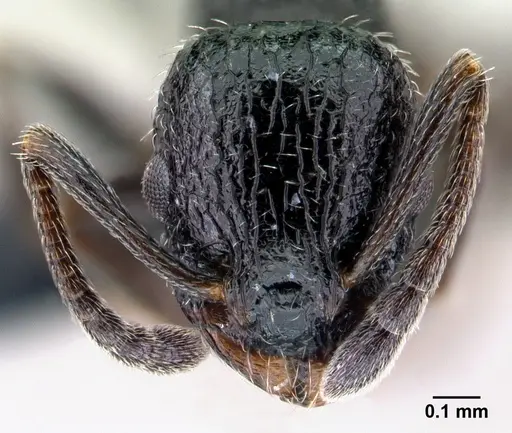
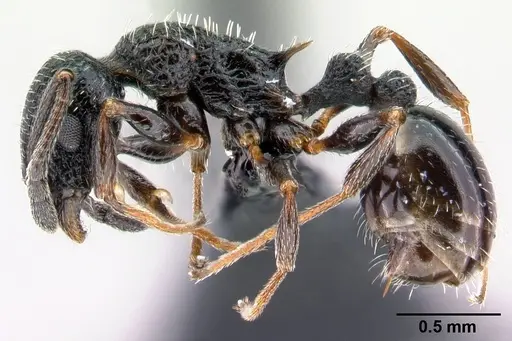
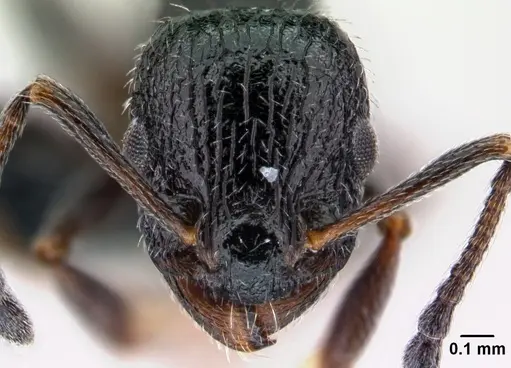
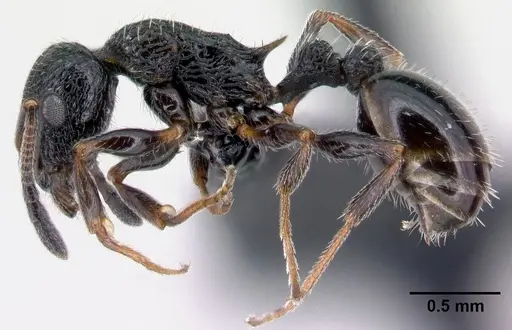
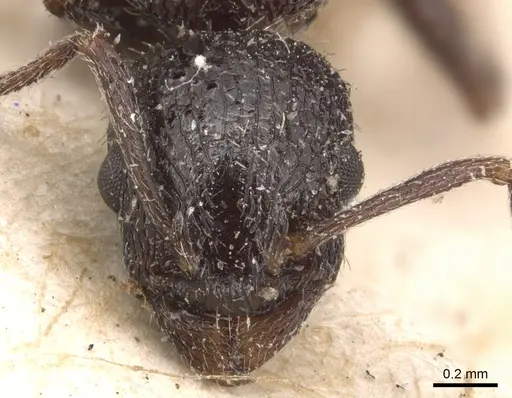
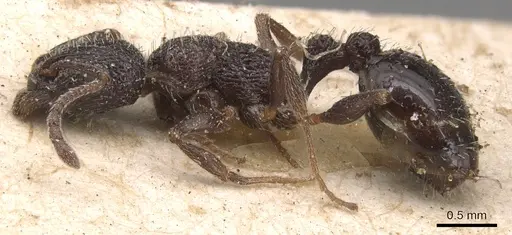
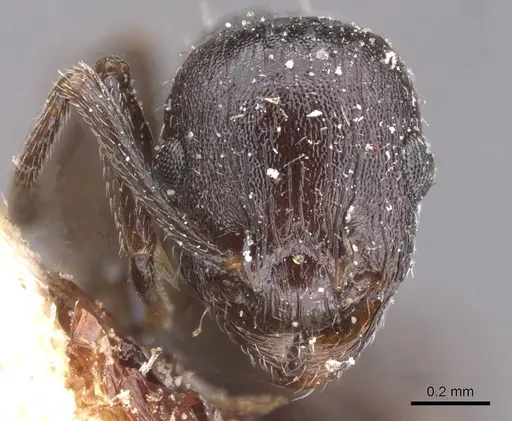
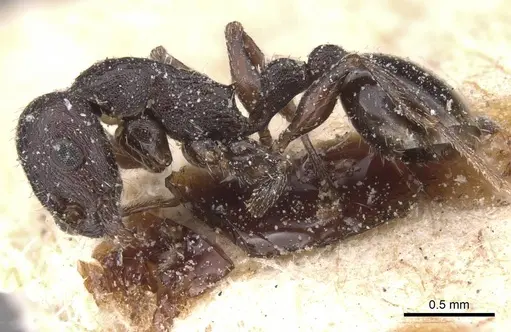
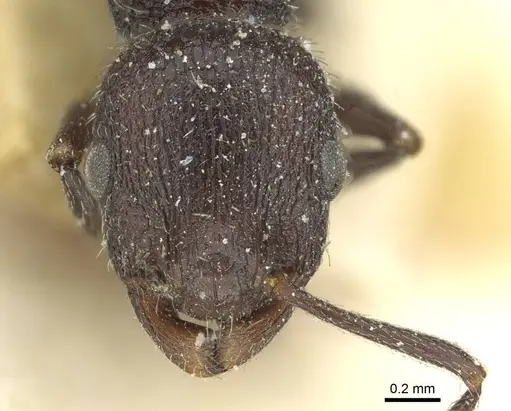
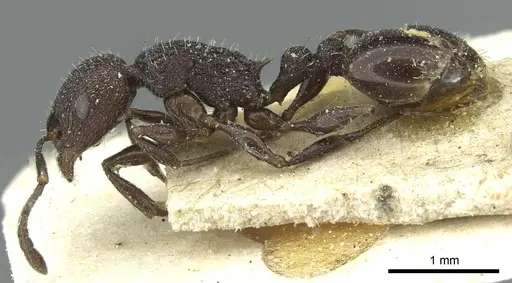
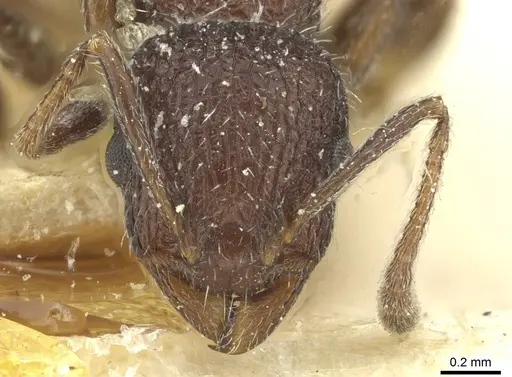
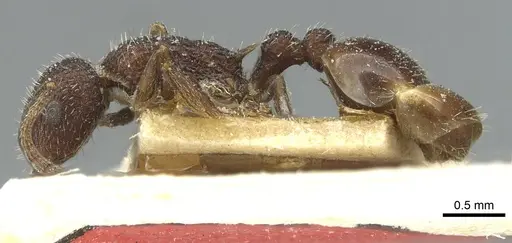
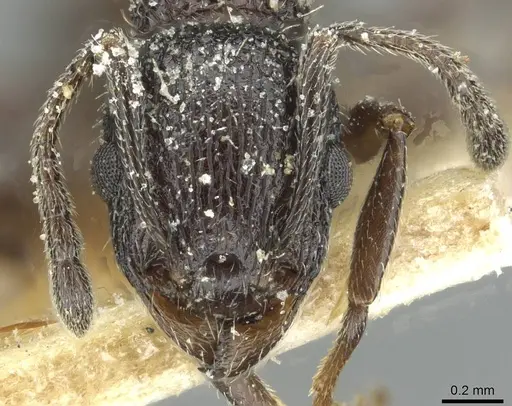
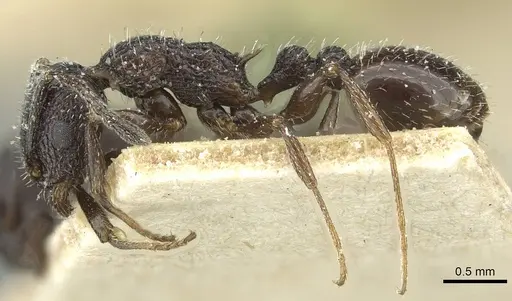
Temnothorax rottenbergii is a small, dark-colored ant endemic to Sicily and other Mediterranean regions . Queens reach 4.2-4.4 mm and workers are smaller, around 2-4 mm (estimated based on genus) . Its body is black with a reddish shade on the thorax, petiole, and postpetiole, and the head has longitudinal wrinkles between the eyes . This ant is a xerothermophilous (warm and dry-loving) species that lives in open, sunny habitats like mountain pastures, grasslands, and forest edges, often at altitudes up to 1,300 meters . What makes T. rottenbergii special is its preference for nesting under stones in rocky, dry environments. Unlike many forest-dwelling ants, it takes advantage of the heat-absorbing properties of stones to warm its colony. This behavior makes it a rewarding species for keepers who want to observe natural nesting in a setup that mimics its Mediterranean home.
Quick Summary
- Difficulty: Medium
- Origin & Habitat: Sicily and surrounding Mediterranean regions including Croatia, Greece, Turkey, and Montenegro. This is a xerothermophilous species found in open, sunny habitats such as mountain pastures, grasslands, and edges of forests at elevations up to 1,300 meters [1][3].
- Colony Type: Colony structure is uncertain. Based on typical Temnothorax patterns, likely monogyne (single queen), but this has not been confirmed for this species.
- Size & Growth:
- Queen: 4.2-4.4 mm [2]
- Worker: 2-4 mm (inferred from Temnothorax genus)
- Colony: Unknown, likely up to several hundred workers based on genus patterns
- Growth: Unknown, moderate based on similar Temnothorax
- Development: Unknown, estimated 6-8 weeks based on typical Myrmicinae at room temperature (Development times are unconfirmed for this species.)
- Antkeeping:
- Temperature: Keep at 20-24°C. As a Mediterranean species from warm, sunny habitats, they can tolerate temperatures into the mid-20s°C. Avoid temperatures below 18°C. Provide a temperature gradient with a heating cable on one side of the nest [1].
- Humidity: Low to moderate. This species naturally lives in dry, rocky habitats. Keep the nest substrate slightly moist but allow it to dry out between waterings. Provide a shallow water dish for drinking. Avoid overwatering.
- Diapause: Likely yes, winter diapause is probably required given its temperate Mediterranean range. If kept, provide 2-3 months at 10-15°C, but this is inferred from related species. No direct data available [1].
- Nesting: Use a naturalistic setup with flat stones placed on a sandy-clay substrate. Alternatively, a Y-tong (AAC) or plaster nest with narrow chambers (3-4 mm tall) works well. In nature they nest under stones and in soil fissures [2]. Provide tight spaces as these ants feel secure in small chambers.
- Behavior: Docile and non-aggressive. Workers are small and timid, foraging individually or in small groups. They belong to the Myrmicinae subfamily which uses a 'smear' defense: a flattened stinger that wipes venom onto enemies rather than piercing. This is a general trait, not specific research on this species. Their tiny size (under 4 mm) means escape prevention is critical, use fine mesh (0.5 mm) or fluon barriers.
- Common Issues: escape prevention is critical due to their very small size, use fine mesh or fluon, overwatering can be fatal, this is a dry-adapted species, wild-caught colonies may carry parasites that can decimate the colony in captivity, colonies may grow slowly, beginners should expect patience, temperature below 18°C can cause stress or death
Housing and Nest Setup
Temnothorax rottenbergii does best in a setup that mimics its rocky Mediterranean habitat. A naturalistic setup with flat stones placed on a sandy-clay substrate works well, allowing you to observe the colony under the stones just as they live in nature [2]. The stones absorb heat and create warm, stable conditions. Alternatively, use a Y-tong (AAC) or plaster nest with narrow chambers scaled to their tiny size, chambers should be no more than 3-4 mm tall. Avoid tall, open spaces, these ants feel secure in tight spaces. A small outworld for foraging is sufficient, they don't need large areas. Provide a water source in the outworld, such as a shallow dish with pebbles to prevent drowning.
Feeding and Diet
Like most Temnothorax, T. rottenbergii is omnivorous with a preference for protein. Offer small live prey such as fruit flies, pinhead crickets, or small mealworms 2-3 times per week. They will also accept sugar sources like honey water or diluted sugar water. Remove any uneaten prey after 24 hours to prevent mold. Their natural diet in alpine meadows likely includes small insects and aphid honeydew.
Temperature and Seasonal Care
This is a warm-adapted species from the Mediterranean. Keep the nest area at 20-24°C, with a slight temperature gradient if possible. Use a heating cable on one side of the nest (on top, not underneath) to create a warm zone. During winter, a diapause period at 10-15°C is likely beneficial, though not confirmed for this species. Reduce feeding during diapause and keep the substrate slightly drier. Do not skip hibernation entirely, as it may help synchronize the colony's cycle.
Behavior and Colony Dynamics
Temnothorax rottenbergii is docile and non-aggressive. Workers are small, timid, and forage individually or in small groups. They do not form large raiding parties. If threatened, they may use a 'smear' defense, rubbing venom onto enemies with a flattened stinger (a trait of the Myrmicinae subfamily). Colonies are likely monogyne (single queen), but this is unconfirmed. Founding behavior is unknown, it is not known whether the queen is claustral or semi-claustral. Mature colony size is uncertain but likely in the low hundreds.
Escape Prevention
Due to their very small size, excellent escape prevention is essential. Standard mesh may allow these ants to squeeze through. Use fine mesh with openings no larger than 0.5 mm, or apply fluon (insect barrier) to the rim of the outworld. Check for gaps in connections between nest and outworld. These ants are not strong climbers on smooth surfaces, but they will exploit any tiny gap. A moat of water or fluon around the nest entrance provides an effective barrier.
Frequently Asked Questions
Can I keep Temnothorax rottenbergii in a test tube?
A test tube can work temporarily for a founding queen, but because this species nests under stones in nature, a naturalistic stone setup is better long-term. If using a test tube, use a small diameter (10-12 mm) and monitor humidity carefully, test tubes can become too wet and cause the queen to abandon the chamber.
How long until first workers appear?
The development time from egg to worker is unknown for this species. Based on related Temnothorax, expect 6-8 weeks at room temperature (20-24°C), but this is an estimate.
Do Temnothorax rottenbergii ants sting?
As a Myrmicinae ant, this species has a modified stinger used for smearing venom rather than piercing. They are not known to sting humans and pose no danger. If threatened, they flee.
Are T. rottenbergii good for beginners?
They can be a good choice for beginners who have some experience with tiny ants and can manage escape prevention. Their docile nature and simple feeding needs make them easy, but slow growth and strict dry conditions may challenge beginners. Patience is required.
Do they need hibernation?
Likely yes. This species comes from a temperate Mediterranean region with cool winters. A diapause of 2-3 months at 10-15°C is recommended, though not confirmed by specific studies. Skipping hibernation may lead to poor colony health.
What do Temnothorax rottenbergii eat?
They are omnivorous but prefer protein. Feed small live prey like fruit flies, small crickets, or mealworms 2-3 times per week. They also accept sugar water or honey diluted with water. Remove uneaten prey after 24 hours to prevent mold.
How big do colonies get?
Mature colony size is unknown, but based on related Temnothorax, they likely reach up to a few hundred workers. Growth is moderate.
Can I keep multiple queens together?
This is unknown. There is no data on whether T. rottenbergii can tolerate multiple queens. Based on genus patterns, they are likely monogyne, so keep queens separately to avoid fighting.
When should I move them to a formicarium?
There is no specific guideline. As a general rule for Temnothorax, wait until the colony has 30-50 workers before moving from a test tube to a more permanent setup. Ensure the new nest has chambers small enough (under 4 mm) to make them feel secure.
Why are my ants dying?
Common causes include: overwatering (this species requires low humidity), temperatures below 18°C, escape, starvation, or parasites from wild-caught colonies. Check humidity first, substrate should be only slightly moist, not wet. Ensure the temperature is 20-24°C and that no ants are escaping through tiny gaps.
Report an Issue
The current care sheet is based fully on literature. See inconsistencies, or something that's incorrect? Please , it will be resolved after review from an admin. Contributing to the blogs tab also helps providing information, to make us be able to further improve the caresheets. Thank you for your support!
References

This caresheet is licensed under CC BY-SA 4.0 .
Community Blogs
CASENT0010029
View on AntWeb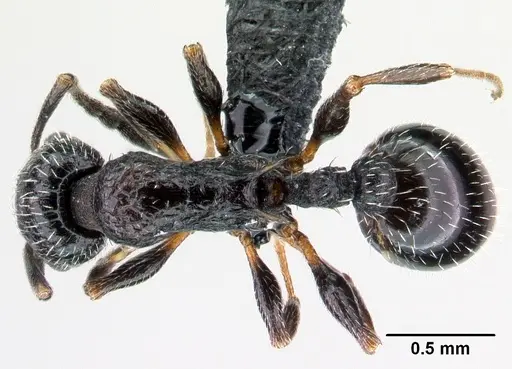
CASENT0010031
View on AntWeb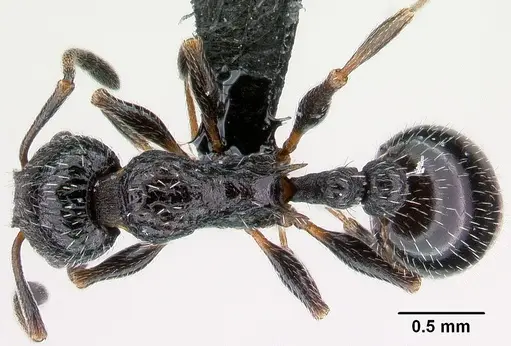
CASENT0904731
View on AntWeb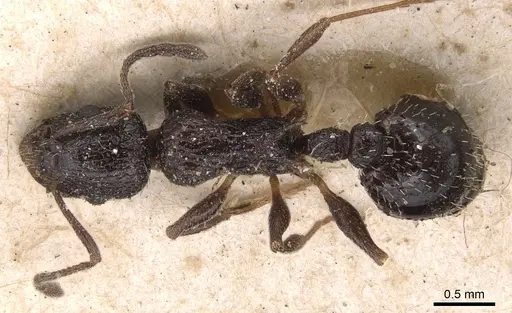
CASENT0912988
View on AntWeb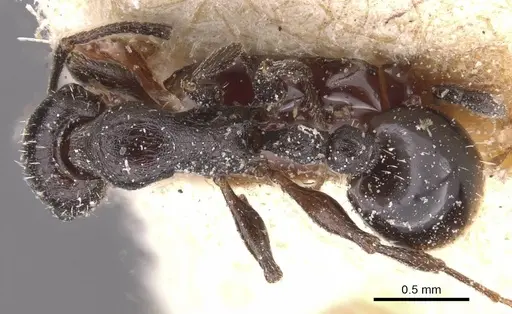
CASENT0912989
View on AntWeb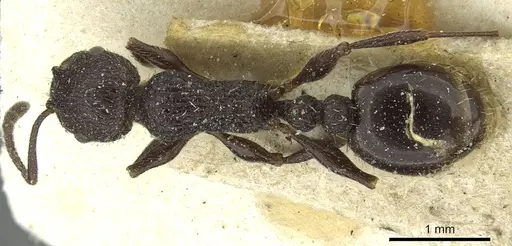
CASENT0912990
View on AntWeb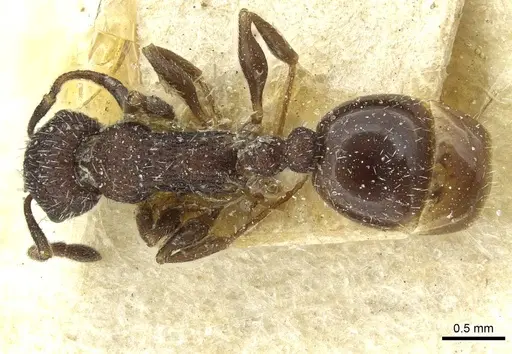
CASENT0912991
View on AntWeb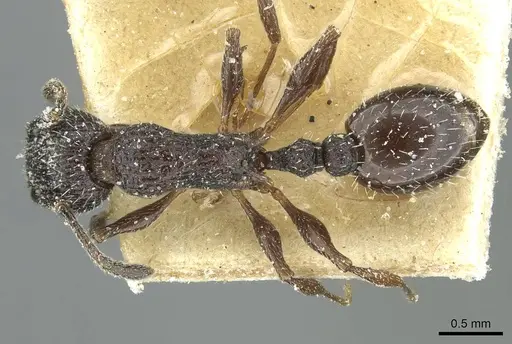
Literature
Loading distribution map...Loading products...