
Temnothorax rothneyi
- Sci. Name
- Temnothorax rothneyi
- Tribe
- Crematogastrini
- Subfamily
- Myrmicinae
- Author
- Forel, 1902
- Distribution
- Found in 1 countries
Introduction
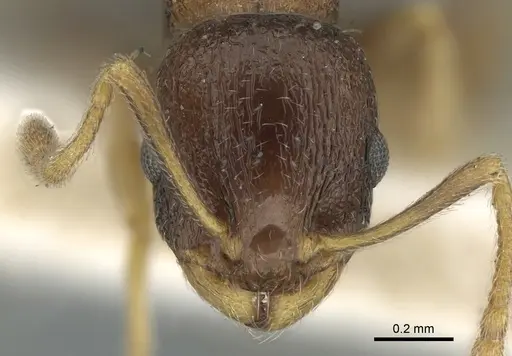
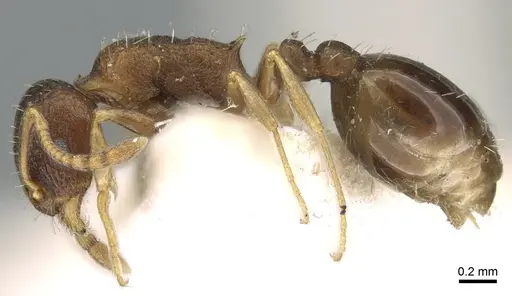
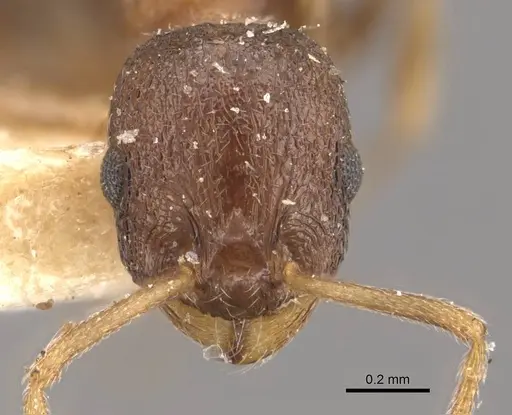
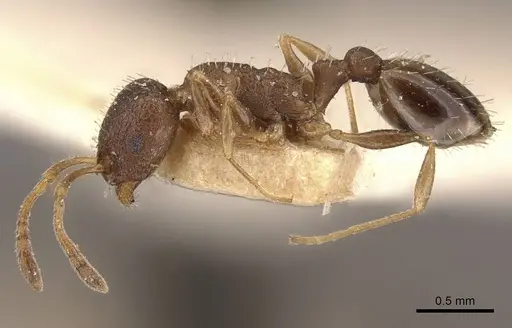
Temnothorax rothneyi is a small ant native to the Himalayan region of India. Workers measure 2.5-3.9 mm and have a brown head, reddish-brown thorax and petiole, a dark brown abdomen, and yellow legs and antennae . Queens are larger at 4.26 mm, with long propodeal spines that are almost as long as the space between their bases . This species belongs to the Rothneyi-group within the Palearctic-clade of Temnothorax . It is endemic to India, recorded in Himachal Pradesh, Jammu & Kashmir, Kerala, Madhya Pradesh, Meghalaya, Sikkim, and Uttarakhand, at elevations from 1000 to 3100 meters . In Meghalaya, it is active in all seasons . This ant is a cold-climate specialist , meaning it is adapted to cool, high-elevation environments. Its small size, distinct color pattern, and habitat preferences make it an interesting species for antkeepers who can provide the right conditions.
Quick Summary
- Difficulty: Medium
- Origin & Habitat: Himalayan region of India, in Himachal Pradesh, Jammu & Kashmir, Kerala, Madhya Pradesh, Meghalaya, Sikkim, and Uttarakhand, at elevations of 1000-3100 meters [4][5][6]. It is a cold-climate specialist found in forest habitats, likely nesting in small cavities under stones or in rotting wood [6][7].
- Colony Type: Unconfirmed, but likely monogyne (single queen) based on typical Temnothorax patterns. Queens are larger (4.26 mm) than workers (2.5-3.9 mm) [2][1].
- Size & Growth:
- Queen: 4.26 mm [2]
- Worker: 2.5-3.9 mm [1][2]
- Colony: Unknown, specific data lacking, but likely moderate (dozens to a few hundred workers) based on related Temnothorax species.
- Growth: Slow to moderate, typical for the genus, but no precise data for this species.
- Development: Estimated 6-10 weeks at cool temperatures based on related Temnothorax species. Exact timeline unknown. (Development likely slower than tropical species due to cold-climate adaptation and required cool conditions.)
- Antkeeping:
- Temperature: Keep cool: 18-22°C is likely ideal. This ant is a cold-climate specialist from high elevations, avoid temperatures above 25°C. Overheating can be fatal [5][6].
- Humidity: Moderate humidity with a moist area in the nest. They are not waterlogged-adapted, provide a hydration gradient (dry to slightly moist) mimicking natural cavities.
- Diapause: Yes, likely required. Simulate winter with 3-4 months at 10-15°C (e.g., November to February) [5][6].
- Nesting: No specific nesting data. Based on genus patterns, they prefer small, tight cavities (e.g., under stones, in rotting wood). A Y-tong (AAC) nest with small chambers or a test tube setup works well. Provide dark, secure spaces.
- Behavior: Docile and not aggressive. Workers are active foragers. They use a modified, spatulate stinger to smear venom onto enemies (smear defense) rather than piercing. This species is very small, making escape prevention critical, use fine mesh and seal all gaps. They may use tandem running for recruitment, which is common in Temnothorax.
- Common Issues: overheating, they are cold-adapted and die quickly if kept above 25°C., escape prevention, their tiny size (workers under 4 mm) allows them to slip through standard barriers., unknown hibernation needs, skipping winter dormancy may cause long-term colony decline., stress from disturbance, avoid handling or frequent inspections, especially during founding.
Temperature and Cooling Requirements
This is the most critical aspect of keeping Temnothorax rothneyi. As a cold-climate specialist from high Himalayan elevations (1000-3100 m), it is adapted to cool temperatures [5][6]. Keep the nest at 18-22°C, cooler than most ant species prefer. Avoid temperatures above 25°C, as overheating is often fatal. Room temperature is usually fine, but in summer you may need to use a fan or other cooling method to stay in the safe range. The colony prefers stable conditions: avoid fluctuations.
Housing and Nest Setup
Specific nesting preferences for Temnothorax rothneyi are not documented. Based on related Temnothorax species, they likely live in small cavities under stones, in rotting wood, or in hollow plant stems. A Y-tong (AAC) nest with small, tight chambers is a good choice, these ants feel secure in compact spaces. Alternatively, a test tube setup with a dark cover works well. Provide a separate outworld for foraging. Their tiny size (workers 2.5-3.9 mm) means you must take extra care with escape prevention: use fine mesh on ventilation, seal all connections, and avoid gaps. [1][2]
Feeding and Diet
No specific diet data exists for this species. Like other Temnothorax, it is probably an omnivore, eating honeydew, small insects, and nectar in the wild. In captivity, offer a mix of sugar water or honey and protein-rich foods like small crickets, fruit flies, or mealworms. Feed small amounts 2-3 times per week and remove leftovers after 24 hours to avoid mold. A constant sugar source is helpful.
Winter Dormancy and Hibernation
As a Himalayan cold-climate specialist, Temnothorax rothneyi likely requires a winter dormancy period to thrive [5][6]. Reduce temperatures to 10-15°C for 3-4 months during winter (e.g., November to February in the Northern Hemisphere). This mimics the harsh Himalayan winter. During this time, the colony will be much less active. Reduce feeding and ensure the nest does not dry out completely. After hibernation, slowly warm the colony back to its maintenance temperature. Skipping hibernation may cause long-term decline.
Colony Development and Growth
Colony founding and development are not documented for this species. Based on related Temnothorax, the queen probably founds claustrally, sealing herself in a small chamber and raising her first workers on stored reserves. The egg-to-worker period is estimated at 6-10 weeks at cool temperatures. Growth is slow to moderate. Maximum colony size is unknown, likely dozens to a few hundred workers. Patience is essential: do not disturb the queen during founding to prevent stress. [2]
Behavior and Observation
Temnothorax rothneyi is a peaceful species. Workers are active and forage during daylight. They have a modified, spatulate stinger used for smearing venom (smear defense) rather than piercing, they are not dangerous to humans. Their small size makes them fun to watch, you may see antennal communication, brood care, and possibly tandem running (a common recruitment method in Temnothorax). Because they are so small, use a magnifying glass or macro lens for good observation. Avoid excessive handling or bright lights that could stress them.
Frequently Asked Questions
How long does it take for Temnothorax rothneyi to produce first workers?
The exact timeline is unknown, but based on related Temnothorax species, expect 6-10 weeks from egg to first worker at cool temperatures (18-22°C).
What temperature is best for Temnothorax rothneyi?
Keep them at 18-22°C. This is a cold-climate specialist from high Himalayan elevations, they do not tolerate warm conditions. Avoid temperatures above 25°C [5][6].
Do Temnothorax rothneyi ants sting?
They have a modified, spatulate stinger used to smear venom (smear defense) rather than piercing like a typical stinger. They are not considered dangerous to humans, and bites or venom smears are harmless.
How big do Temnothorax rothneyi colonies get?
Colony size is not documented. Based on related Temnothorax, it is likely moderate, probably under a few hundred workers.
Do Temnothorax rothneyi need hibernation?
Yes, they almost certainly need a winter dormancy period. Reduce temperature to 10-15°C for 3-4 months during winter. This is inferred from their cold-climate specialization at high elevations [5][6].
What do Temnothorax rothneyi eat?
No specific data. They are assumed to be omnivorous like other Temnothorax. Offer sugar water or honey and small insects (fruit flies, pinhead crickets).
Is Temnothorax rothneyi good for beginners?
No, this species is best for intermediate keepers due to its specific cooling requirements, need for hibernation, and tiny size that makes escape prevention tricky.
What size nest do Temnothorax rothneyi need?
They prefer small, tight chambers. A Y-tong nest with narrow passages or a test tube setup is suitable. Avoid large, open spaces.
Where is Temnothorax rothneyi found in the wild?
This species is endemic to India, specifically the Himalayan region (Himachal Pradesh, Jammu & Kashmir, Sikkim, Uttarakhand) and also recorded in Kerala, Madhya Pradesh, and Meghalaya, at elevations from 1000 to 3100 meters [4][5][6].
Can I keep multiple queens of Temnothorax rothneyi together?
There is no data on polygyny for this species. Based on related Temnothorax, most are monogyne, so it is safest to keep only one queen per colony. Attempting to keep multiple queens may lead to fighting.
Why is my Temnothorax rothneyi colony dying?
The most common cause is overheating, they are cold-adapted. Also check for lack of hibernation, incorrect humidity, or escape. Ensure they are not exposed to moldy food or pesticides.
When should I move Temnothorax rothneyi to a formicarium?
Wait until the colony has at least 20-30 workers before moving to a formicarium. They do well in test tubes for the first year. A Y-tong nest is good when they outgrow the tube.
Report an Issue
The current care sheet is based fully on literature. See inconsistencies, or something that's incorrect? Please , it will be resolved after review from an admin. Contributing to the blogs tab also helps providing information, to make us be able to further improve the caresheets. Thank you for your support!
References

This caresheet is licensed under CC BY-SA 4.0 .
Community Blogs
CASENT0906179
View on AntWeb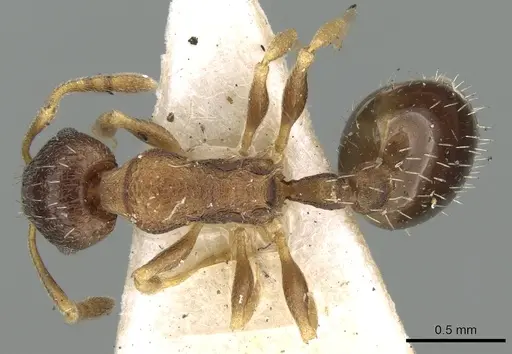
CASENT0909054
View on AntWeb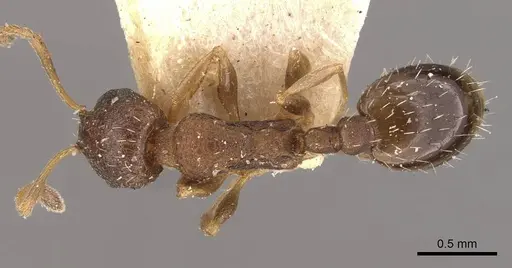
Literature
Loading distribution map...Loading products...