
Temnothorax punctithorax
- Sci. Name
- Temnothorax punctithorax
- Tribe
- Crematogastrini
- Subfamily
- Myrmicinae
- Author
- Mackay, 2000
- Distribution
- Found in 2 countries
Introduction
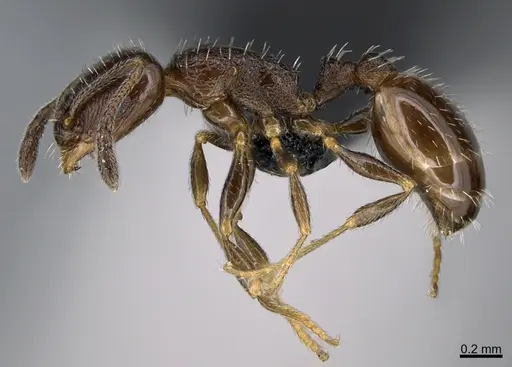
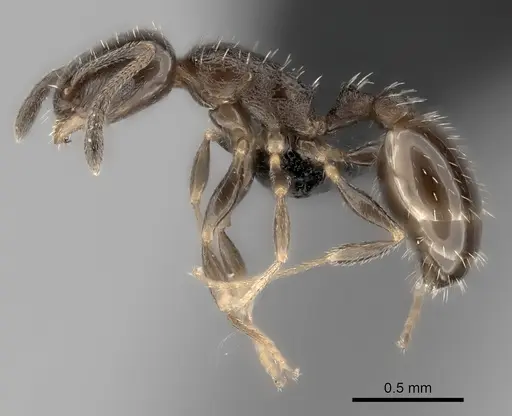
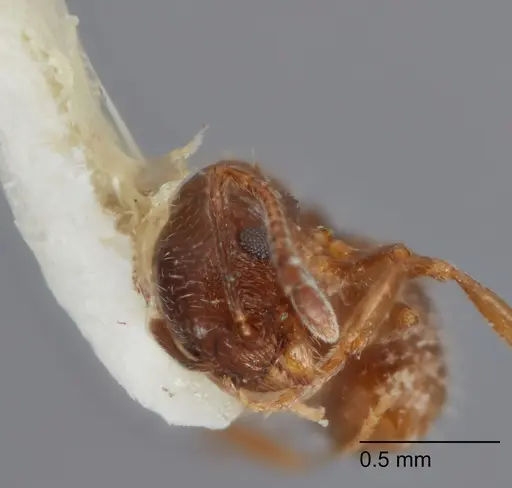
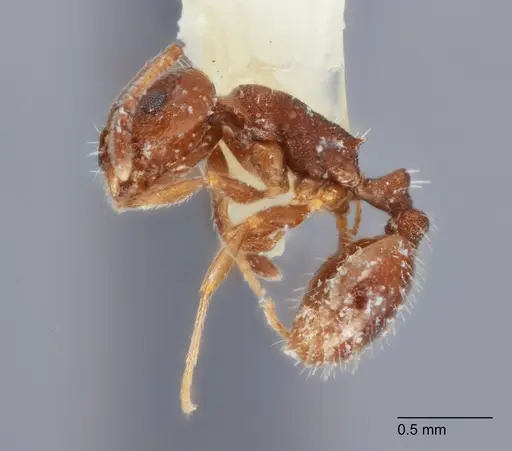
Temnothorax punctithorax is a tiny ant known only from central Mexico, specifically the Toluca Valley in México state and Puebla . Workers are approximately 2.5–3.5 mm (inferred from the Temnothorax genus) and medium brown, with a heavily punctate (dotted) mesosoma that gives them a jewel-like shine under magnification . The species belongs to the sallei-clade and the tricarinatus-group . This ant is extremely poorly known, only three type specimens have ever been collected, collected in 1961 . Despite that rarity, field studies show they are active generalist foragers in Mexican oak forests and grasslands, readily attending baits .
Quick Summary
- Difficulty: Medium
- Origin & Habitat: Central Mexico: Toluca Valley (México state) and Puebla, at high elevations around 2,900 m. Found in oak forest and grassland habitats [1][5][2].
- Colony Type: Unconfirmed, no wild colony has been observed because the species is known from only three type specimens [2]. Based on typical Temnothorax patterns, colonies are likely single-queen, but this is speculative.
- Size & Growth:
- Queen: Not collected or described, size unknown [2]
- Worker: Approximately 2.5–3.5 mm (inferred from the Temnothorax genus), head length 0.62–0.70 mm but that is not body length [2]
- Colony: Unknown, no colony data exists [2]
- Growth: Moderate, based on typical Temnothorax development patterns
- Development: Estimated 6–10 weeks based on related Temnothorax species in the sallei-clade (Development time is an estimate, this species has never been kept in captivity. Related species typically take 6–10 weeks at room temperature.)
- Antkeeping:
- Temperature: Based on the highland Mexican origin, likely prefers cool conditions around 18–22°C. Avoid temperatures above 25°C. Room temperature is usually ideal.
- Humidity: Moderate humidity around 50–60%, these ants come from temperate forest and grassland, not rainforest. Keep nest substrate slightly moist but not waterlogged.
- Diapause: Likely yes, based on highland temperate origin. Expect a mild winter dormancy of 2–3 months at 10–15°C.
- Nesting: Cavity nester like most Temnothorax. In the wild they likely nest in small hollows in rotting wood, under bark, or in rock crevices. For captivity, use a Y‑tong (AAC) nest with narrow chambers or a small test tube setup. Keep chambers tight, these ants are tiny.
- Behavior: Generally peaceful and non‑aggressive. Like most Temnothorax, they are not defensive and rarely sting. Workers are active generalist foragers that accept various baits [5]. Their small size (under 4 mm) means escape prevention is critical, use fine mesh and tight seals [2].
- Common Issues: extremely rare in the hobby, only three type specimens have ever been collected, so wild-caught queens are essentially unavailable [2], no captive breeding history exists, expect challenges establishing first generations without established protocols, tiny size (under 4 mm) makes escape prevention critical, use fine mesh (≤0.5 mm) and tight-fitting lids, cool temperature requirements (18–22°C) may conflict with typical room temperatures in warmer homes, diapause requirements are unconfirmed but likely, incorrect winter care could harm the colony
Housing and Nest Setup
Temnothorax punctithorax is a tiny cavity-nesting ant that needs appropriately scaled housing. A Y‑tong (AAC) nest with narrow chambers or a small test tube setup works best. The chambers should be tight, these ants are under 4 mm and feel insecure in large open spaces. For a founding queen, a standard test tube with a cotton water reservoir is sufficient. Once the colony reaches a few workers, you can move them to a small formicarium, but keep the passages narrow. Avoid naturalistic setups with large open areas until the colony is well-established. Escape prevention is critical due to tiny size, use fine mesh (≤0.5 mm) on ventilation holes and ensure lid seals are tight [2].
Report an Issue
The current care sheet is based fully on literature. See inconsistencies, or something that's incorrect? Please , it will be resolved after review from an admin. Contributing to the blogs tab also helps providing information, to make us be able to further improve the caresheets. Thank you for your support!
References

This caresheet is licensed under CC BY-SA 4.0 .
Community Blogs
CASENT0007122
View on AntWeb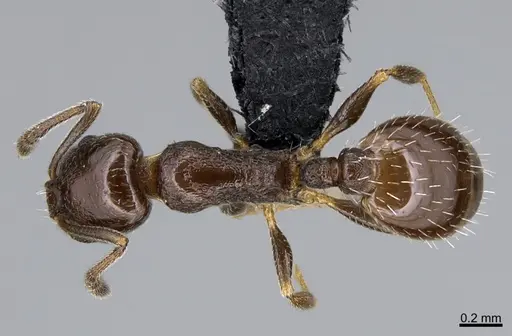
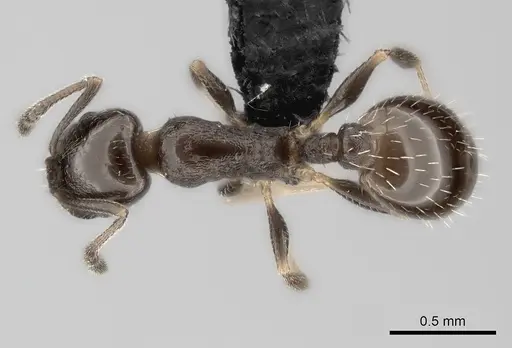
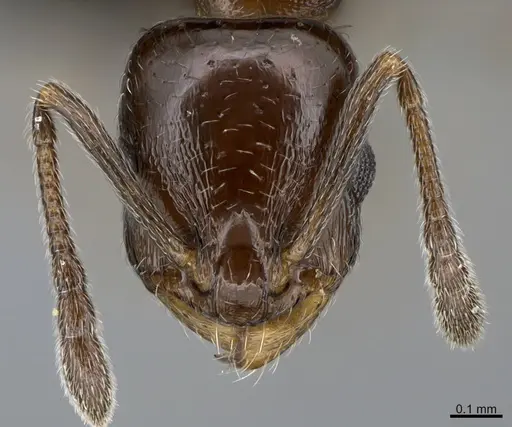
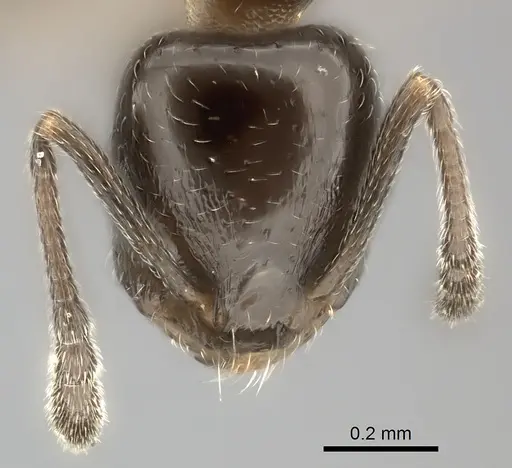
UTEPENTO60008
View on AntWeb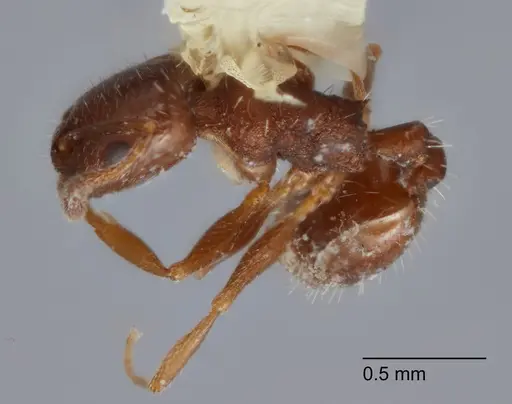
Literature
Loading distribution map...Loading products...