
Temnothorax politus
- Sci. Name
- Temnothorax politus
- Tribe
- Crematogastrini
- Subfamily
- Myrmicinae
- Author
- Smith, 1939
- Distribution
- Found in 2 countries
Introduction
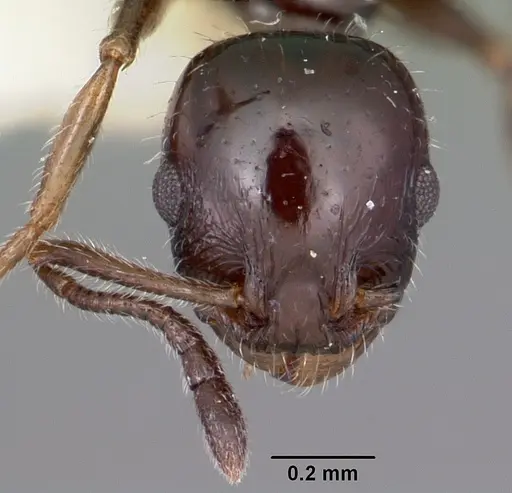
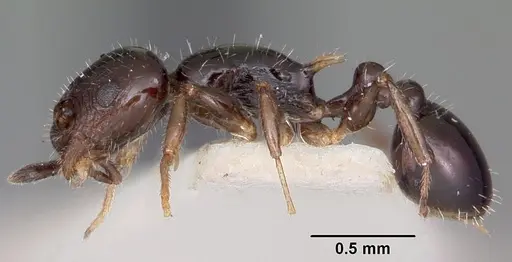
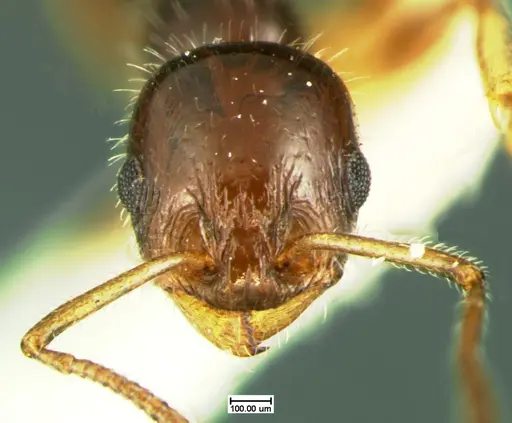
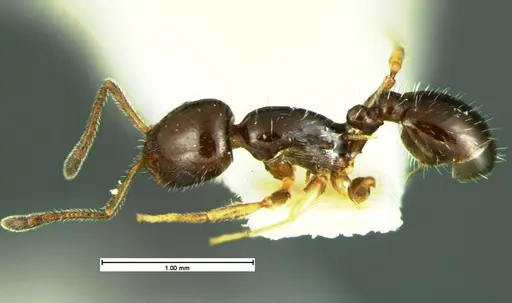
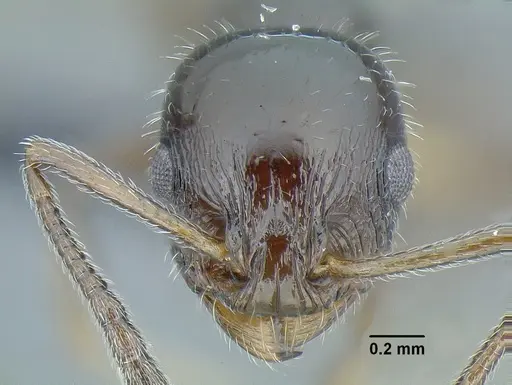
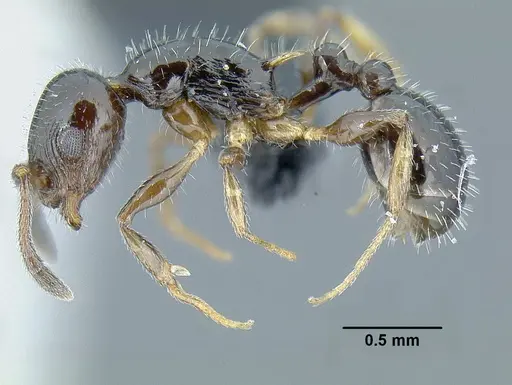
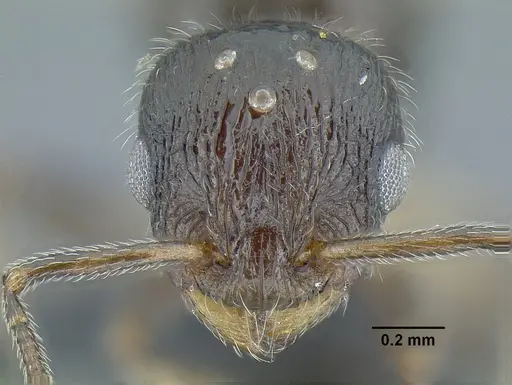
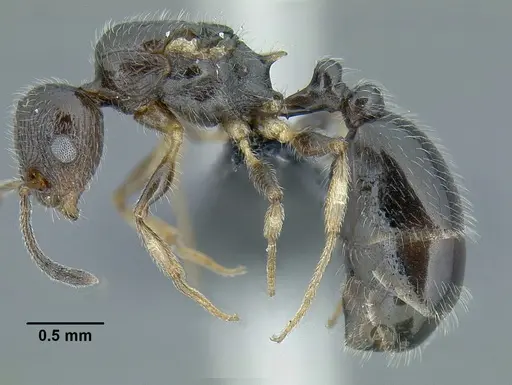
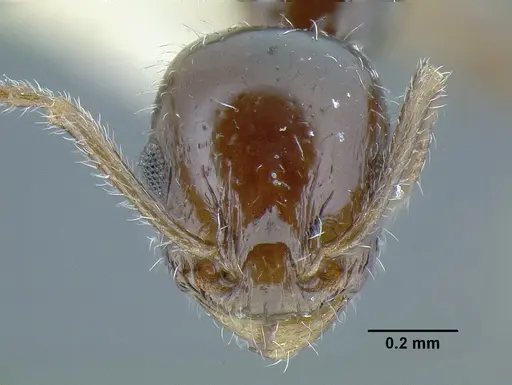
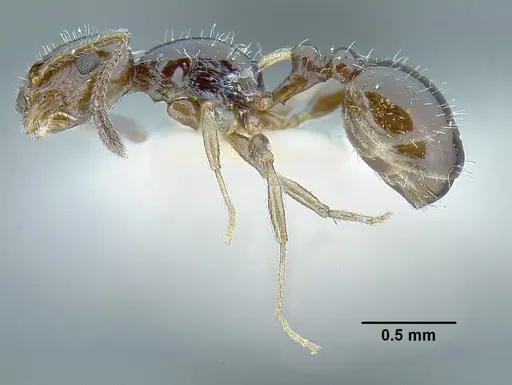
Temnothorax politus is a small, dark ant from the hot deserts and sky islands of southern Arizona and Sonora, Mexico. Workers are 2 to 2.4 mm long, nearly black with a smooth, polished body that gives them their scientific name ('politus' means polished) . Their most recognizable features are a strongly arched thorax, long tapering hairs covering the body, and a shiny surface. Queens are known but their body length is not recorded in the literature; they share the same dark, glossy look . In the wild, this species sticks to riparian areas like desert washes, irrigation canals, and riverbanks, where it nests in small spaces such as hollow twigs, under cottonwood bark, and inside fallen branches . Workers are shy and avoid heat - they are active mainly at night or during twilight, which keeps them out of the hottest part of the day .
Quick Summary
- Difficulty: Medium
- Origin & Habitat: Southern Arizona, USA and Sonora, Mexico. Found in low-to-mid elevation desert habitats, almost always restricted to washes, irrigation canals, and other riparian areas. Collected up to 4,500 feet elevation in sky islands [1][2][3].
- Colony Type: Unconfirmed, no published data on queen number. Most Temnothorax species have a single queen per colony, but this has not been verified for Temnothorax politus.
- Size & Growth:
- Queen: Size data unavailable, total body length not recorded in the literature.
- Worker: 2-2.4 mm [1]
- Colony: Unknown, no data available for this species.
- Growth: Unknown, no specific data. Inferred from genus patterns: likely moderate.
- Development: Unknown, no specific data. Inferred from related Temnothorax species: roughly 6-10 weeks at warm temperatures (20-24°C). (Development time is an estimate based on genus patterns, no direct measurements exist for T. politus.)
- Antkeeping:
- Temperature: Keep between 20-24°C. This species is sensitive to heat and avoids daytime foraging in its natural habitat [1]. Never expose them to temperatures above 30°C.
- Humidity: Provide a moisture gradient. They nest in riparian areas, so keep part of the nest substrate slightly moist but allow dry zones. Avoid waterlogging.
- Diapause: Probably required. As a species from temperate North America with distinct seasons, a winter rest period is likely. Give 2-3 months at 10-15°C, but this is inferred and not confirmed by research.
- Nesting: Small, tight cavities work best. Y-tong (AAC) or plaster nests with narrow chambers, or test tube setups. They naturally nest in hollow twigs, under bark, and in fallen cottonwood branches [1]. Avoid large open spaces.
- Behavior: Shy and non-aggressive [1]. Nocturnal or crepuscular, most active at night or in dim light [1]. Like other members of the Crematogastrini tribe, they have a modified stinger used to smear venom rather than pierce, but they are no threat to humans. Small size means standard escape prevention is fine.
- Common Issues: heat sensitivity is critical, temperatures above 30°C can kill the colony., nocturnal activity means you may not see them foraging during the day., small colony size leads to slow growth that can frustrate beginners., wild-caught colonies may carry parasites or mites.
Housing and Nest Setup
Temnothorax politus does best in small, enclosed spaces that mimic the hollow twigs and bark cavities they use in nature [1]. A Y-tong (AAC) or plaster formicarium with narrow chambers works well. Test tube setups are fine for founding and small colonies, just make sure the tube is not too large. They have been collected from fallen cottonwood branches and hollow twigs in gallery forests and desert wash banks [1], so you can add a piece of bark or a small twig to the outworld for a natural feel. Keep the nest dark and avoid disturbance during daylight hours since they are nocturnal. A small outworld connected to the nest lets you feed them without exposing the whole colony to light.
Feeding and Diet
Likely omnivorous, but no specific feeding studies exist for this species. Offer small protein sources like fruit flies, pinhead crickets, or tiny mealworms 2-3 times per week. They probably also take honeydew from aphids in the wild, so provide a constant sugar source like honey or sugar water. Remove uneaten prey after 24-48 hours to prevent mold. Adjust portions based on colony size and how quickly food is eaten. [1]
Temperature and Seasonal Care
Keep the nest area at 20-24°C. This species is specifically noted as sensitive to heat and avoids foraging during the hottest parts of the day in its desert habitat [1]. Never let temperatures go above 30°C. Use a heating cable on one side of the nest to create a gentle gradient, but always give them a cooler escape area. During winter, provide a diapause period of 2-3 months at 10-15°C, this is inferred from the species' temperate distribution, not confirmed by research. Cool them gradually over 1-2 weeks to avoid shock.
Behavior and Observation
Workers are shy and not aggressive [1]. They are nocturnal or crepuscular, most active at night or during twilight, as shown by pitfall trap collections [1]. This means you will see little daytime activity. They likely use tandem-running to recruit nestmates to food, a common behavior in the genus. They belong to the Crematogastrini tribe, which uses a modified flattened stinger to smear venom onto enemies rather than piercing. This is not a threat to humans. Observe them in the evening or under red light to avoid disturbing them.
Colony Founding
There is no published data on how Temnothorax politus queens found colonies. Many Temnothorax species are claustral, the queen seals herself in and raises the first workers on stored fat reserves, but this is not confirmed for T. politus. If you have a queen, give her a small, dark, enclosed space like a test tube or tight Y-tong chamber. Do not disturb her for at least 4-6 weeks. Once the first workers appear, start offering small sugar water and tiny prey. Without more research, founding must be approached carefully and observed. [1]
Frequently Asked Questions
How long does it take for Temnothorax politus to raise their first workers?
No specific timing data exists for this species. Based on related Temnothorax, it likely takes 6-10 weeks from egg to worker at 20-24°C. The queen may be claustral (raising the first brood without eating), but this is unconfirmed.
Can I keep Temnothorax politus in a test tube?
Yes, test tubes work well for founding and small colonies. Use a tube with a cotton plug and water reservoir, but keep the cavity small so the queen feels enclosed. As the colony grows, you can connect more tubes or move to a small Y-tong or plaster formicarium.
Do Temnothorax politus ants sting?
They belong to the Myrmicinae subfamily, tribe Crematogastrini, which uses a modified flattened stinger to smear venom onto enemies rather than piercing skin. They are not aggressive and their sting is not a concern for keepers.
Are Temnothorax politus good for beginners?
They are rated medium difficulty. They are small and need stable temperatures, plus they are nocturnal so you won't see much activity during the day. Their slow growth and heat sensitivity make them more challenging than typical starter species.
What temperature do Temnothorax politus need?
Keep them at 20-24°C. They are sensitive to heat and naturally avoid hot daytime conditions [1]. Never let the temperature exceed 30°C.
Do Temnothorax politus need hibernation?
Probably yes. They come from temperate North America with seasonal winters. Provide 2-3 months at 10-15°C during winter, but this is inferred and not confirmed by research. Cool them gradually.
How big do Temnothorax politus colonies get?
Maximum colony size is unknown. No published data exists for this species.
When are Temnothorax politus most active?
They are nocturnal or crepuscular, meaning most active at night or during twilight [1]. In captivity, you will see more activity in the evening or under dim light.
What do Temnothorax politus eat?
They are likely omnivorous. Offer small protein sources like fruit flies, pinhead crickets, or small mealworms 2-3 times per week. Provide a constant sugar source (honey or sugar water). Remove uneaten prey after 24-48 hours.
Can I keep multiple queens together?
Colony structure is unconfirmed. Most Temnothorax are monogyne, so multiple unrelated queens will likely fight. Pleometrosis has not been documented for this species and is not recommended.
Why aren't my Temnothorax politus active during the day?
This is normal for this species. They are nocturnal or crepuscular, avoiding daytime heat [1]. You will see more activity in the evening or at night.
When should I move my colony to a formicarium?
Move them when the test tube becomes obviously crowded and the colony has outgrown its current space. There is no specific worker count, just watch for cramped conditions. Use a small Y-tong or plaster nest with narrow chambers.
Report an Issue
The current care sheet is based fully on literature. See inconsistencies, or something that's incorrect? Please , it will be resolved after review from an admin. Contributing to the blogs tab also helps providing information, to make us be able to further improve the caresheets. Thank you for your support!
References

This caresheet is licensed under CC BY-SA 4.0 .
Community Blogs
CASENT0104690
View on AntWeb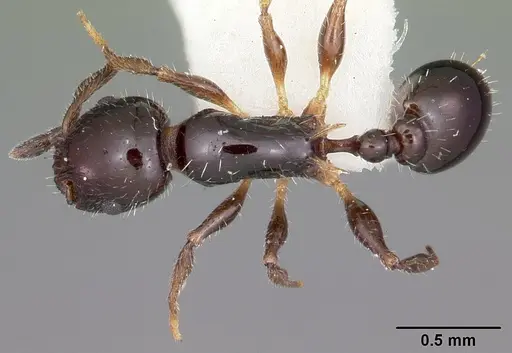
CASENT0105625
View on AntWeb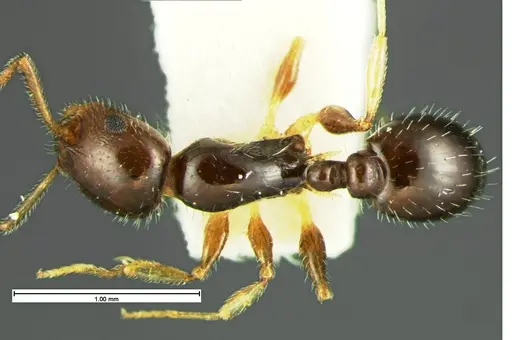
CASENT0756845
View on AntWeb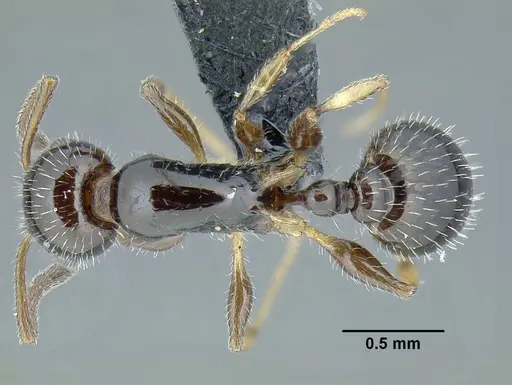
CASENT0758021
View on AntWeb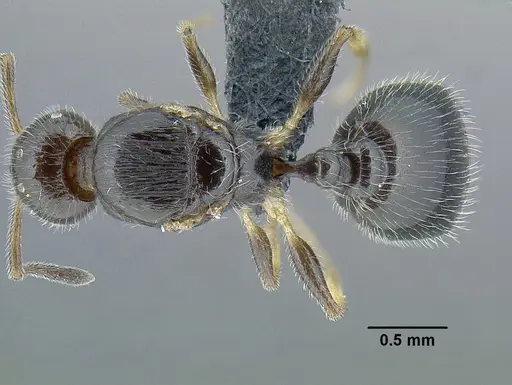
LACMENT323200
View on AntWeb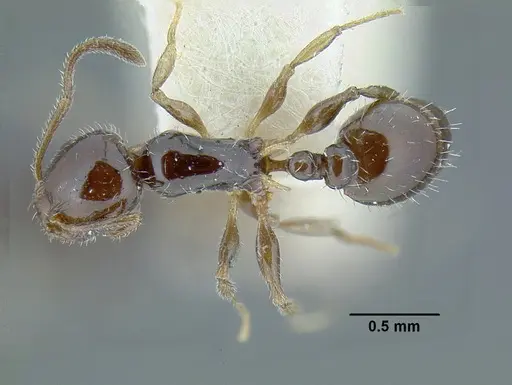
Literature
Loading distribution map...Loading products...