
Temnothorax niger
- Sci. Name
- Temnothorax niger
- Tribe
- Crematogastrini
- Subfamily
- Myrmicinae
- Author
- Forel, 1894
- Distribution
- Found in 2 countries
Introduction
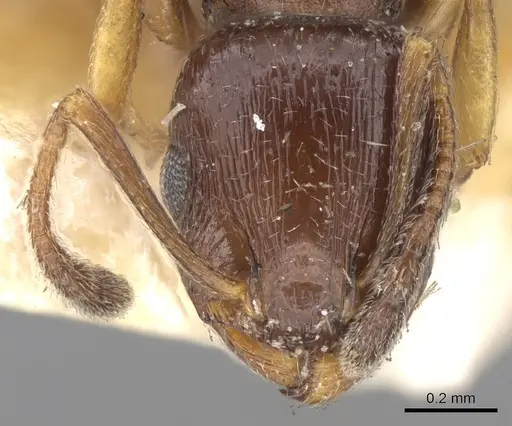
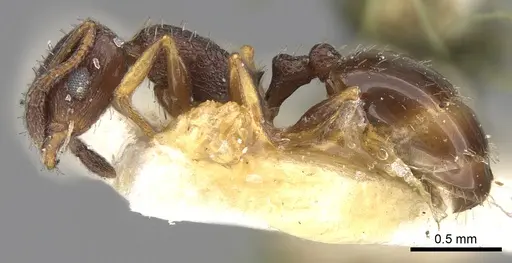
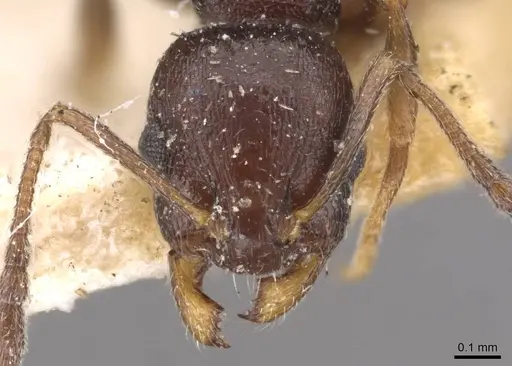
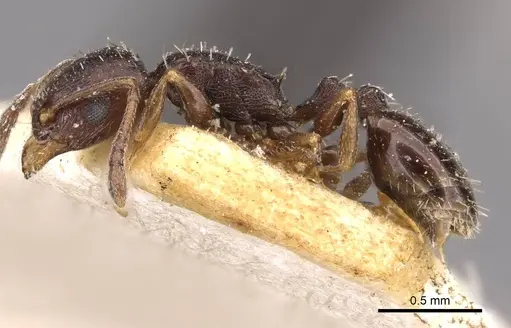
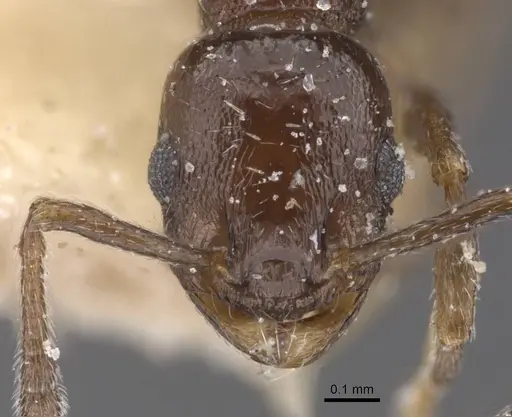
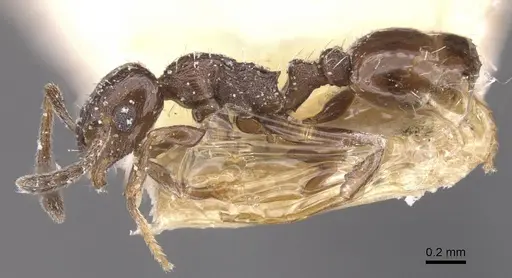
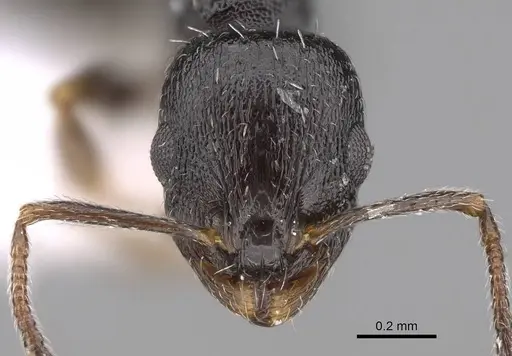
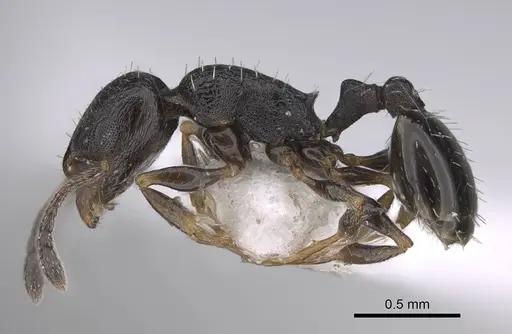
Temnothorax niger is a small, dark ant native to the Mediterranean region of Europe. Workers are dark brown to black, with a finely sculptured head and smooth pronotum . They nest under stones or in dry stems throughout warm Mediterranean areas, forming small colonies of up to 150 workers . What makes this species particularly interesting is its role as a host for the social parasite Chalepoxenus kutteri – researchers have found mixed colonies where parasite workers lived alongside T. niger workers without any host queen present . The species has a North-Mediterranean distribution, found across France, Spain, Greece (Crete), Italy, and even as far east as Israel in the Mount Hermon region .
Quick Summary
- Difficulty: Easy
- Origin & Habitat: Mediterranean region of Europe including France, Spain, Greece (Crete), Italy, and Israel. Found from sea level up to about 1,100 m elevation in warm, dry habitats under stones or in dry stems [2][5].
- Colony Type: Single-queen colonies (likely monogyne, as typical for Temnothorax). Colonies are small, typically containing up to 150 workers [2]. No documented ergatoid replacement reproductives in available research.
- Size & Growth:
- Queen: Size data unavailable
- Worker: Size data unavailable
- Colony: Up to 150 workers [2]
- Growth: Moderate
- Development: Estimated 6-10 weeks based on typical Temnothorax development at warm temperatures (Development timeline not directly studied for this species, estimate based on genus-level data for small Myrmicinae in Mediterranean climates)
- Antkeeping:
- Temperature: Keep at 20-26°C. As a Mediterranean species, they tolerate warmer conditions and thrive in temperatures matching their natural habitat [6]. A slight gradient allows workers to regulate their temperature.
- Humidity: Low to moderate. These ants naturally nest under stones in dry Mediterranean habitats, so keep the nest area relatively dry with some moisture available in an outworld water source [2].
- Diapause: Yes – likely requires a cool period during winter months matching their Mediterranean elevation range. Based on nuptial flights occurring July-August, they probably enter reduced activity in winter [6].
- Nesting: Y-tong (AAC) or plaster nests work well for these tiny ants. Their natural preference for nesting under stones or in dry stems translates well to setups with narrow chambers. Avoid overly humid conditions.
- Behavior: Temnothorax niger is a calm, non-aggressive species that tends to stay hidden. Workers are crepuscular – most active during dawn and dusk rather than full daylight [2]. They are omnivorous, accepting both sugar sources and small protein prey [2]. Despite their small size, escape prevention is important – these tiny ants can slip through standard barrier setups. They are not known for stinging and pose no danger to keepers.
- Common Issues: tiny size means escapes are likely without fine mesh barriers, small colony size makes them vulnerable to stress – handle gently during transfers, as a host for social parasites, wild-caught colonies may carry Chalepoxenus which could affect captive care, very scarce in the wild (only 2% of trap captures in studies) so finding colonies can be difficult [2], slow colony growth may frustrate beginners expecting rapid expansion
Housing and Nest Setup
Temnothorax niger is a tiny ant that needs appropriately scaled housing. A Y-tong (AAC) nest with narrow chambers works perfectly – these ants naturally nest in tight spaces under stones and in dry stems [2]. Plaster nests also work well since they allow you to control humidity precisely. The key is keeping the nest relatively dry, unlike tropical species, these Mediterranean ants prefer conditions that mimic their dry, warm natural habitat. An outworld water tube provides drinking water without creating humid nest conditions. Because of their tiny size, use fine mesh on any ventilation holes and apply Fluon or another barrier to the rim of the outworld to prevent escapes.
Feeding and Diet
These ants are omnivorous, accepting both sugar and protein sources [2]. Offer sugar water, honey, or diluted syrup as a constant carbohydrate source. For protein, small prey items like fruit flies, small mealworms, or pinhead crickets work well. Because colonies stay small (up to 150 workers), avoid overfeeding – remove uneaten prey after 24 hours to prevent mold. Their natural diet includes small insects and honeydew from aphids. Feed small amounts 2–3 times per week, adjusting based on colony consumption. A tiny dish or cotton wick in the outworld works well for sugar water.
Temperature and Seasonal Care
As a Mediterranean species, T. niger thrives in warm conditions. Keep the nest at 20–26°C, with a slight gradient if possible so workers can choose their preferred temperature [6]. They naturally occur at elevations from sea level to over 1,000 m in warm habitats, so room temperature in most homes works well. During winter, expect reduced activity – they likely enter a diapause period matching their natural cycle. Nuptial flights occur in July–August, suggesting they breed during warm summer months [6]. If you keep them in a heated room year-round, they may remain active but growth will slow during what would normally be their rest period.
Colony Dynamics and Social Structure
Temnothorax niger forms small, single-queen colonies typically containing up to 150 workers [2]. This is relatively modest compared to many ant species, so don't expect massive colonies. The species is known to be parasitized by Temnothorax kutteri, a social parasite that invades the colony and uses host workers without maintaining a queen of its own [3]. If you collect a wild colony, watch for unusually behaved workers that might indicate parasite presence. In mixed colonies with the parasite, no T. niger queen was found, suggesting the parasite eventually replaces the host queen [3]. This is natural history worth knowing but doesn't require special care unless you observe issues.
Behavior and Activity Patterns
Workers are crepuscular – most active during dawn and dusk rather than throughout the day [2]. This reflects their natural behavior of avoiding the hottest midday temperatures in their Mediterranean habitat. They're calm and non-aggressive, focusing on foraging rather than defending territory. When threatened, they're more likely to flee than to bite or sting. These ants are not dangerous to humans. Their small size and peaceful nature make them interesting to observe, especially when workers coordinate foraging activities during their crepuscular activity peaks.
Frequently Asked Questions
How long does it take for Temnothorax niger to produce first workers?
Based on typical Temnothorax development, expect 6–10 weeks from egg to first worker at warm temperatures (around 24°C). This is an estimate since specific development data for T. niger isn't available in the research literature.
Can I keep Temnothorax niger in a test tube setup?
Yes, test tubes work well for founding colonies and small colonies. Ensure the cotton is packed tightly since these tiny ants can squeeze through gaps. Add a water reservoir tube for humidity but keep the nest area relatively dry.
Do Temnothorax niger ants sting?
No, these tiny ants do not pose a stinging threat. They're completely harmless to humans and are calm-natured. Their small size and non-aggressive behavior make them safe for antkeepers of all experience levels.
How big do Temnothorax niger colonies get?
Colonies typically reach up to 150 workers at maturity [2]. This is relatively small compared to many ant species, but the colonies are long-lived and sustainable. Don't expect massive swarms – these are dainty, modest-sized colonies.
Do Temnothorax niger need hibernation?
Yes, as a Mediterranean species they likely require a cool period during winter months. Based on nuptial flights occurring July–August, they probably enter reduced activity in winter [6]. A cool corner of a garage or basement at 10–15°C for 2–3 months should suffice.
Are Temnothorax niger good for beginners?
Yes, they're considered an easy species to keep. They're small, calm, don't sting, and have modest care requirements. The main challenges are their tiny size (requiring good escape prevention) and small colony size, which grows slowly. They're forgiving of minor temperature fluctuations and don't require high humidity.
What do Temnothorax niger eat?
They're omnivorous, accepting sugar water, honey, or syrup for carbohydrates, and small protein sources like fruit flies, small mealworms, or other tiny insects [2]. A balanced diet with both sugar and protein works best. Remove uneaten food after 24 hours.
Where is Temnothorax niger found in the wild?
This species lives throughout the Mediterranean region – France, Spain, Italy, Greece (specifically Crete), and even Israel. They nest under stones or in dry stems in warm, dry habitats from sea level up to about 1,100 m elevation [2][5].
Report an Issue
The current care sheet is based fully on literature. See inconsistencies, or something that's incorrect? Please , it will be resolved after review from an admin. Contributing to the blogs tab also helps providing information, to make us be able to further improve the caresheets. Thank you for your support!
References

This caresheet is licensed under CC BY-SA 4.0 .
Community Blogs
CASENT0906177
View on AntWeb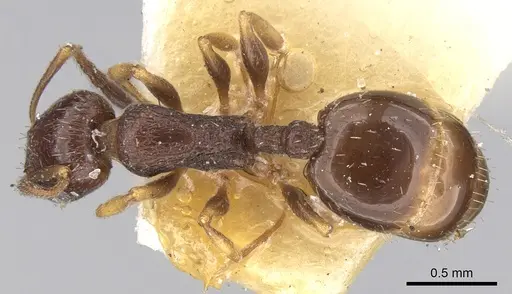
CASENT0909032
View on AntWeb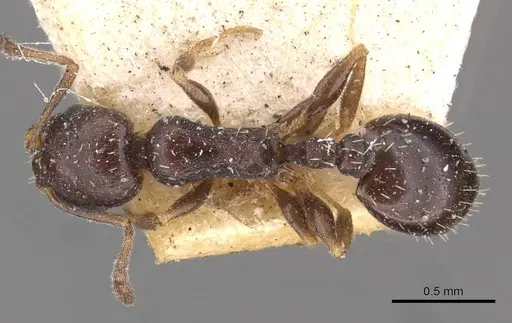
CASENT0912970
View on AntWeb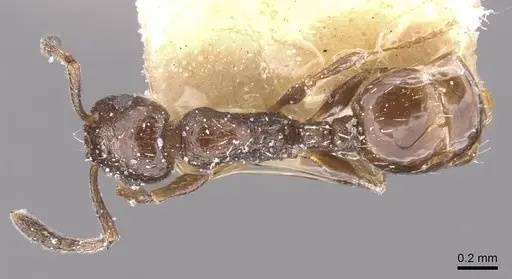
CASENT0922697
View on AntWeb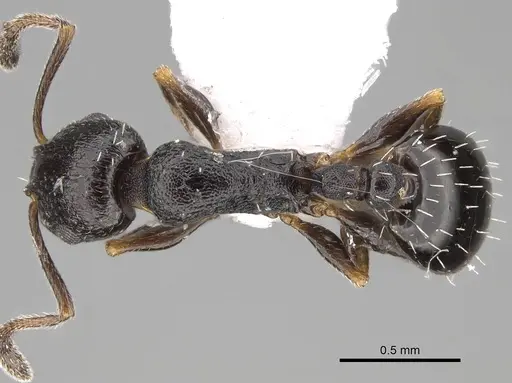
Literature
Loading distribution map...Loading products...