
Temnothorax marae
- Sci. Name
- Temnothorax marae
- Tribe
- Crematogastrini
- Subfamily
- Myrmicinae
- Author
- Alicata <i>et al.</i>, 2022
- Distribution
- Found in 1 countries
Introduction
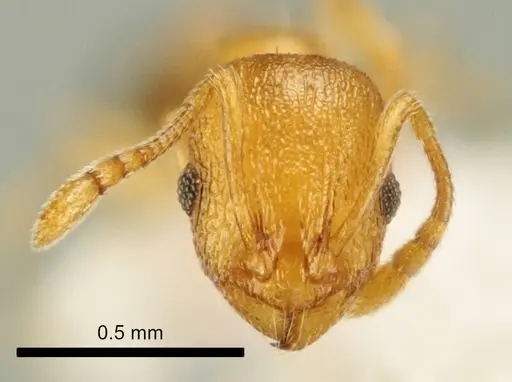
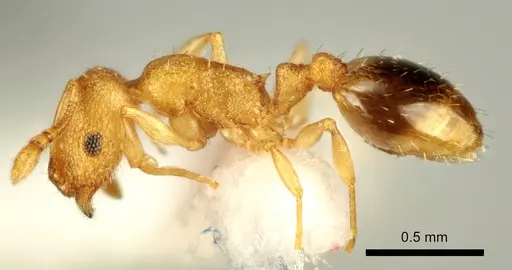
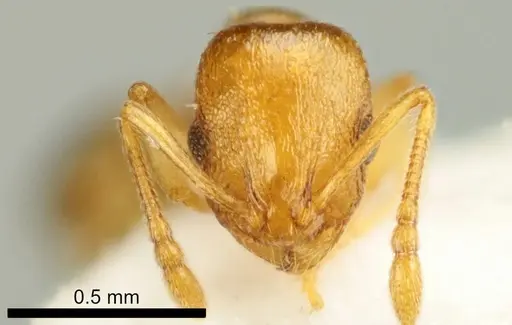
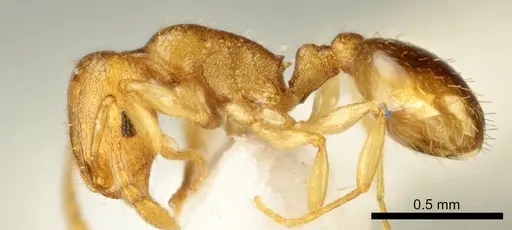
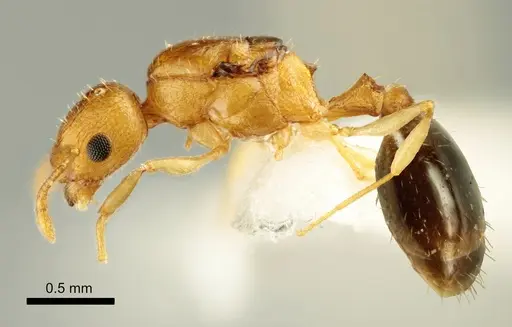
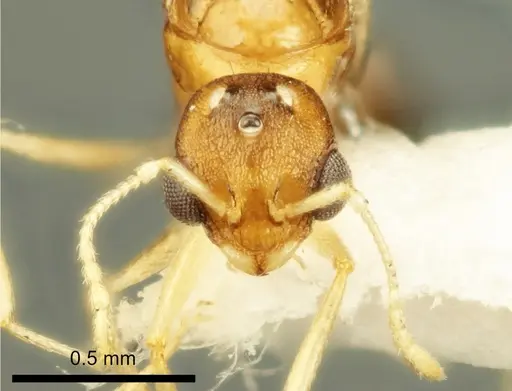
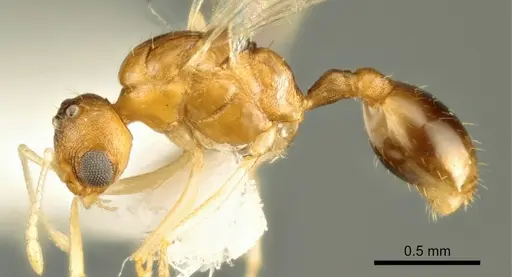
Temnothorax marae is a tiny ant species endemic to southeastern Sicily and the Maltese islands. Workers are about 2-3 mm long and mostly yellowish with a dark blackish gaster or a distinct black transverse band across the abdomen. Queens are slightly larger, around 3-4 mm, with similar yellowish body and blackish gaster segments. This species is the most warmth-loving Temnothorax in Sicily, found only at low altitudes between 5-175 meters in dry shrublands, leaf litter, and pine forests. Colonies are small and single-queen, typically nesting in dead twigs either on bushes or lying on the ground .
Quick Summary
- Difficulty: Medium
- Origin & Habitat: Restricted to southeastern Sicily (Hyblaean Plateau) and the Maltese islands. This species thrives in hot, dry Mediterranean habitats such as phryganas (dry shrublands), leaf litter, native Pinus halepensis forests, and areas under riparian vegetation. Its habitat has been severely reduced by coastal development and agricultural activities [1].
- Colony Type: Small, single-queen (monogyne) colonies. Each nest contains only one reproductive queen, and colonies are always small, with just a few dozen workers at most [1].
- Size & Growth:
- Queen: ~3-4 mm, inferred from Temnothorax genus. Queens are small but larger than workers.
- Worker: ~2-3 mm, inferred from Temnothorax genus. Very tiny ants, require magnification to observe comfortably.
- Colony: Small, likely under 100 workers, based on typical Temnothorax colony sizes. Wild colonies are always modest [1].
- Growth: Moderate
- Development: Estimated 6-10 weeks at optimal warm temperatures (22-26°C), based on typical Temnothorax development. (Development is faster in warmer conditions, matching this species' thermophilous nature. Males can be produced in captivity during July [1].)
- Antkeeping:
- Temperature: Keep warm,22-26°C, with a slight gradient to allow a hotter spot. This species is more thermophilous than any other Sicilian Temnothorax. Avoid temperatures below 18°C for extended periods [1].
- Humidity: Low to moderate. Prefers dry Mediterranean conditions. Keep substrate moderately dry, not waterlogged. Provide a small water tube but avoid excessive moisture. Let the nest dry out between light mistings [1].
- Diapause: Likely needs a mild winter rest period of 2-3 months at 10-15°C, typical for Mediterranean Temnothorax. Simulate winter cooling to maintain colony cycle. Never freeze the colony.
- Nesting: Prefers tiny nesting spaces. In the wild, nests in dead twigs on bushes or on the ground, sometimes directly in soil. In captivity, use a small test tube setup or a Y-tong (AAC) nest with narrow chambers scaled to their tiny size. Fine mesh barriers are essential to prevent escapes [1].
- Behavior: Generally peaceful and non-aggressive. Workers are tiny and move slowly. They forage individually for small prey and honeydew. Escape prevention is critical due to their minute size, they can squeeze through gaps that larger ants cannot. Use fine mesh and seal all openings. Their small stinger is rarely used and harmless to humans. Smear venom defense mechanism typical of their tribe (Crematogastrini).
- Common Issues: escape prevention is critical, their tiny size means they can slip through the smallest gaps, use fine mesh barriers and seal all connections., colonies are very small, do not overfeed, excess prey can mold and kill the colony. Offer only a few tiny food items every few days., slow growth can frustrate beginners, these ants do not quickly build large colonies., overheating above 30°C can be fatal, maintain temperatures within 22-26°C range., as a host species for the slave-maker Temnothorax muellerianus, wild colonies may be parasitized. In captivity this is unlikely, but be aware if collecting from the field [1].
Housing and Nest Setup
Temnothorax marae requires appropriately scaled housing due to its extremely small size. In the wild, these ants nest in dead twigs on bushes or lying on the ground, sometimes directly in soil. For captivity, a small test tube setup works well, use a standard test tube with a water reservoir backed by cotton. The tiny colony can also be housed in a small Y-tong (AAC) nest with narrow chambers, or a naturalistic setup with cork bark or hollow twigs. Because of their minute size, ensure all connections and barriers are tight, even small gaps that wouldn't concern larger ants will allow escapes. A small outworld area for foraging completes the setup. Use fine mesh on ventilation holes [1].
Temperature and Heating
This species is more thermophilous than any other Sicilian Temnothorax, meaning it prefers warmer conditions. Keep the nest area at 22-26°C, with a gentle temperature gradient so workers can choose their preferred spot. A small heating cable or mat on one side of the nest can achieve this, but avoid overheating, keep the warm side around 26°C maximum. Room temperature in the low-to-mid 20s°C is often suitable. Do not keep them cool, this species evolved in hot lowland Mediterranean habitats and will not thrive in cool conditions. Males were produced in captivity during July, suggesting warm summer conditions stimulate reproduction [1].
Feeding and Diet
Like other Temnothorax species, Temnothorax marae likely feeds on small insects, honeydew from aphids, and nectar. In captivity, offer tiny prey items appropriate to their size, fruit flies, small pinhead crickets, or tiny pieces of mealworm. They will also accept sugar water or honey diluted with water, offered on a tiny piece of cotton or in a shallow container. Feed sparingly, a few tiny prey items every few days is sufficient for a small colony. Remove any uneaten prey after 24-48 hours to prevent mold. Their small colony size means overfeeding is a common mistake that can lead to mold and colony death. Based on typical Temnothorax feeding ecology.
Humidity and Water
As a species from hot, dry Mediterranean habitats, Temnothorax marae prefers relatively dry conditions. Keep the nest substrate moderately dry, damp but not wet. A small water tube in the test tube setup provides constant access to moisture without creating excess humidity. Mist the outworld occasionally but avoid creating a constantly wet environment. The substrate should dry out between waterings. Their natural habitat in phryganas and dry shrublands experiences long hot summers with minimal rainfall, so they are adapted to drier conditions [1].
Winter Care and Diapause
Although from a warm Mediterranean region, Temnothorax marae likely benefits from a mild winter rest period. Reduce temperatures to around 10-15°C for 2-3 months during winter, mimicking the cooler Sicilian winter. Reduce feeding during this period as colony activity slows. Do not freeze them, a cool basement or refrigerator crisper drawer works well. The diapause helps synchronize the colony's annual cycle and may improve queen health and longevity. Return to normal temperatures gradually in spring. This recommendation is inferred from the species' Mediterranean climate and typical ant biology.
Colony Dynamics and Growth
Temnothorax marae forms small colonies with a single queen. Colonies in the wild are always monogynous (one queen) and small in size. In captivity, expect slow growth, these are tiny ants with naturally small colony sizes. The first workers (nanitics) will be very small and may take 6-10 weeks to develop from egg to worker at optimal temperatures. Growth will remain gradual even after the colony establishes. Do not expect rapid colony expansion. Queens can live for several years with proper care. One documented colony was found hosting the parasitic ant Temnothorax muellerianus (a slave-maker) in the Vendicari nature reserve, while unlikely in captivity, it demonstrates this species can serve as a host [1].
Frequently Asked Questions
How long does it take for Temnothorax marae to produce first workers?
Expect 6-10 weeks from egg to first worker at optimal warm temperatures (22-26°C). This is typical for small Temnothorax species. The first workers will be tiny nanitics, much smaller than fully grown workers.
Can I keep Temnothorax marae in a test tube?
Yes, a small test tube setup is ideal for this tiny species. Use a standard test tube with a water reservoir backed by cotton. Ensure the cotton is packed firmly to prevent escapes, their minute size allows them to squeeze through surprisingly small gaps [1].
What temperature do Temnothorax marae ants need?
Keep them warm at 22-26°C. This is a thermophilous species that prefers hotter conditions than most other Temnothorax. A small heating cable on one side of the nest creates a useful temperature gradient [1].
Are Temnothorax marae ants good for beginners?
This is a medium-difficulty species. While their care requirements are straightforward (warm, dry, small prey), their extremely tiny size makes them challenging to observe and house properly. Their small colony size and slow growth also require patience. Beginners may find larger ant species easier to manage [1].
How big do Temnothorax marae colonies get?
Colonies remain small, likely under 100 workers maximum, often much smaller. This is typical for the genus. Do not expect large colonies. The species naturally forms small, single-queen colonies [1].
Do Temnothorax marae ants sting?
Temnothorax ants have small stingers but rarely use them. This species is peaceful and non-aggressive. Given their tiny size, any sting would be negligible. They are not considered dangerous to humans.
What do Temnothorax marae ants eat?
Feed tiny prey like fruit flies, small insects, or tiny pieces of mealworm. They also accept sugar water or honey. Offer a few tiny prey items every few days, removing uneaten food promptly to prevent mold.
Do Temnothorax marae need hibernation?
Yes, provide a mild winter rest period of 2-3 months at 10-15°C. While from a Mediterranean climate, a cool period helps maintain natural colony cycles. Avoid freezing, a cool basement or refrigerator works.
Why are my Temnothorax marae escaping?
Their extremely small size means they can escape through gaps that larger ants cannot. Use fine mesh barriers, ensure all lid seams are sealed, and check for any tiny gaps around tubing connections. Escape prevention must be excellent [1].
Can I keep multiple queens together?
No, Temnothorax marae is monogyne, meaning colonies have only one queen. Multiple queens will fight. Only keep one queen per colony. In the wild, colonies are always single-queen [1].
Report an Issue
The current care sheet is based fully on literature. See inconsistencies, or something that's incorrect? Please , it will be resolved after review from an admin. Contributing to the blogs tab also helps providing information, to make us be able to further improve the caresheets. Thank you for your support!
References

This caresheet is licensed under CC BY-SA 4.0 .
Community Blogs
ANTWEB1041541
View on AntWeb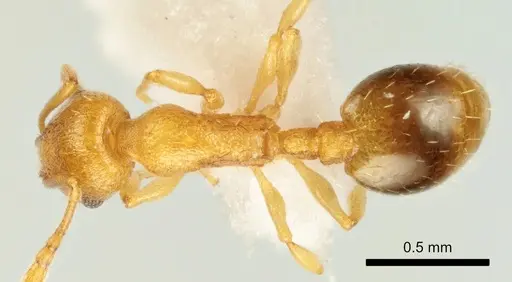
ANTWEB1041542
View on AntWeb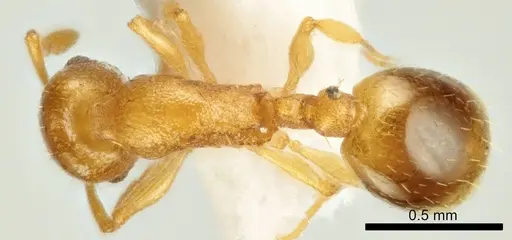
ANTWEB1041543
View on AntWeb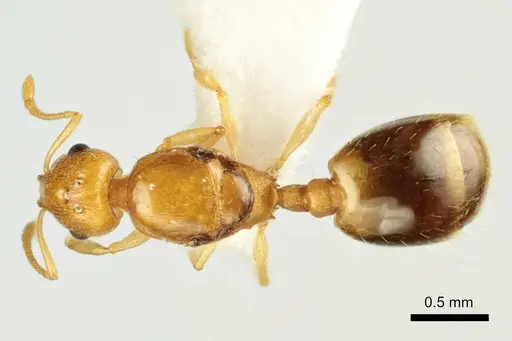
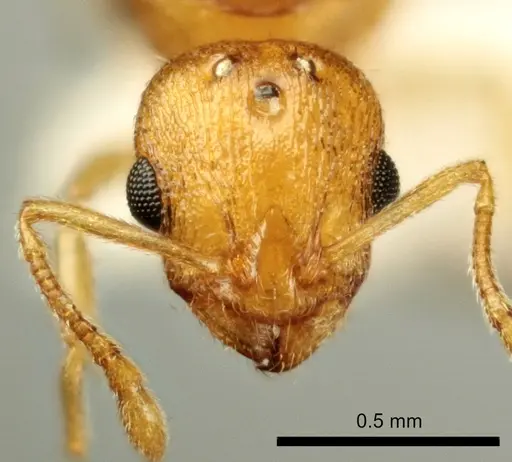
ANTWEB1041544
View on AntWeb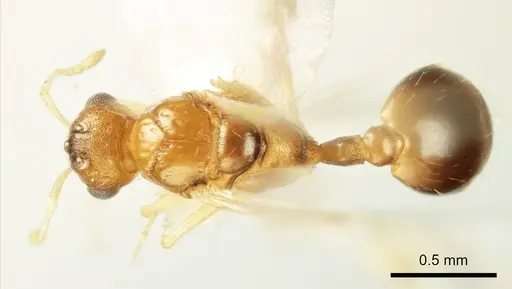
Literature
Loading distribution map...Loading products...