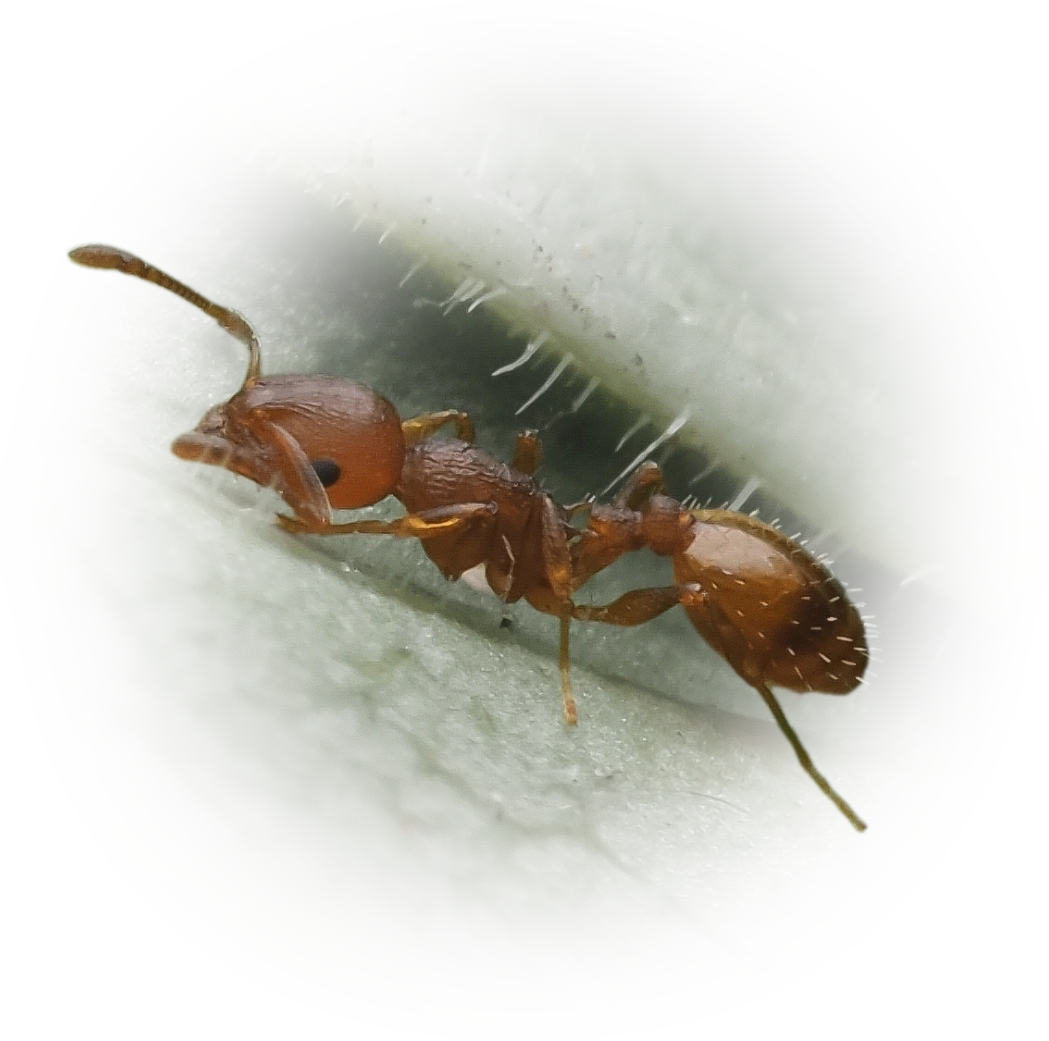
Temnothorax lichtensteini
- Sci. Name
- Temnothorax lichtensteini
- Tribe
- Crematogastrini
- Subfamily
- Myrmicinae
- Author
- Bondroit, 1918
- Distribution
- Found in 7 countries
Introduction
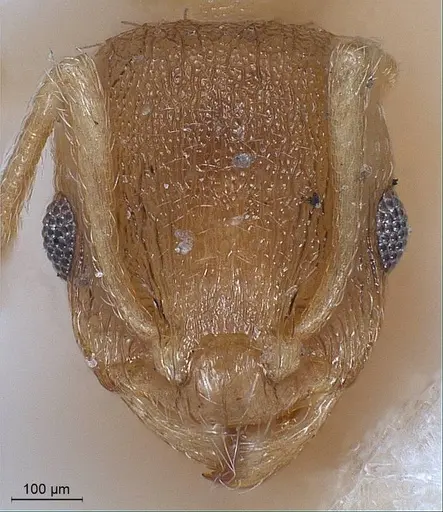
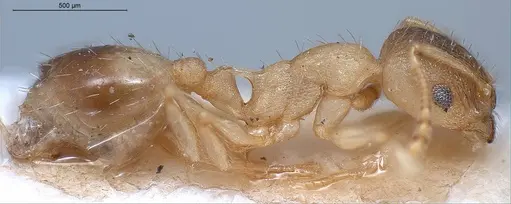
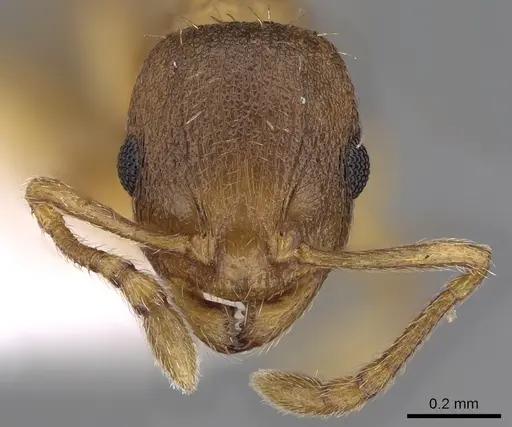
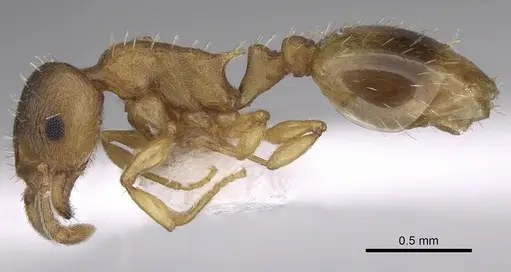
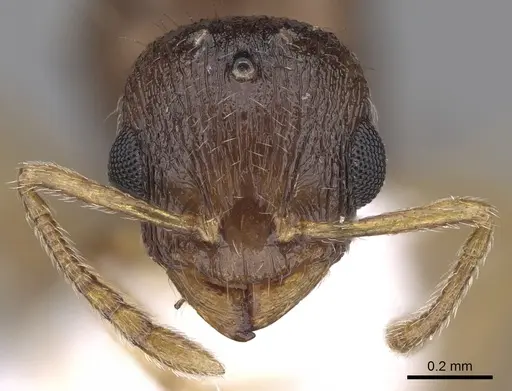
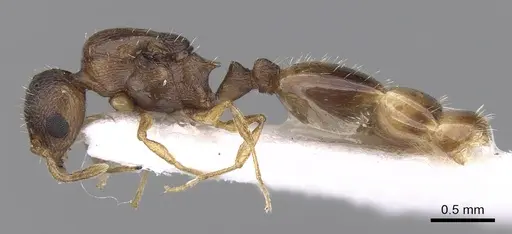
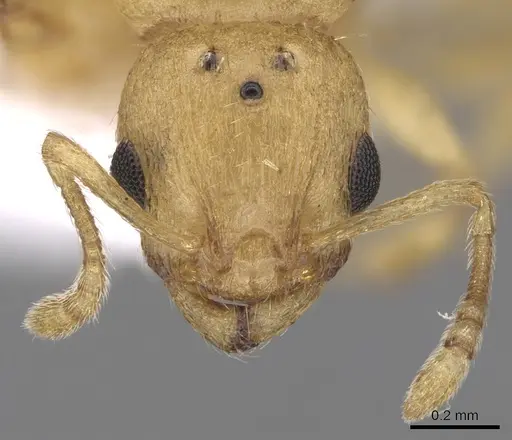
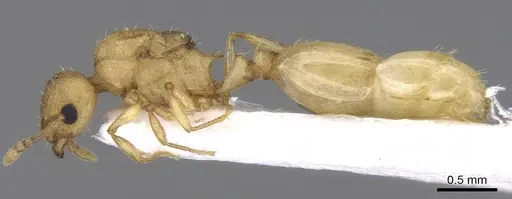
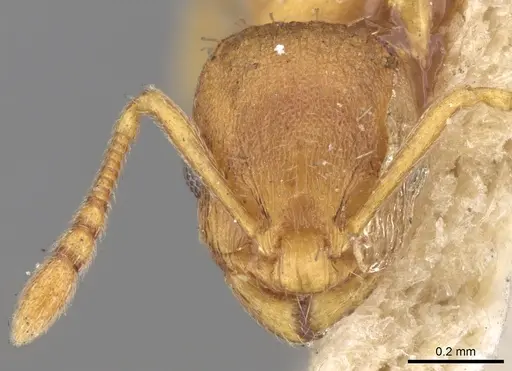
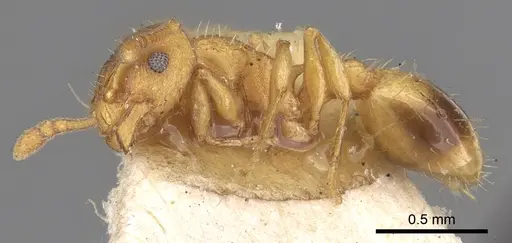
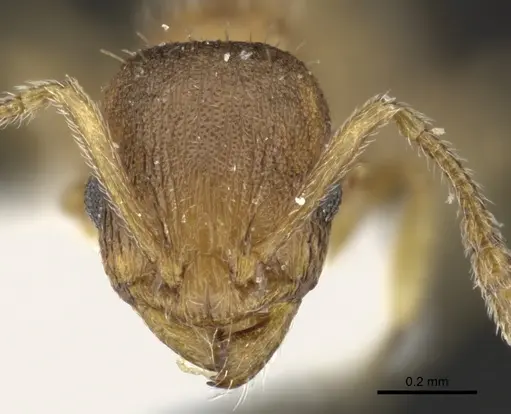
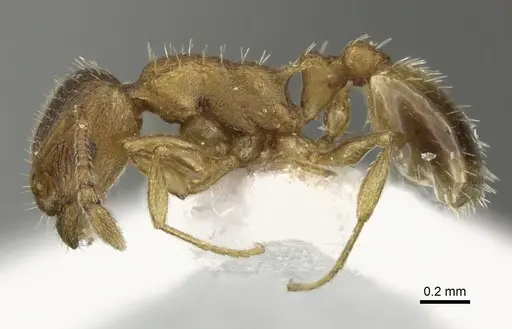
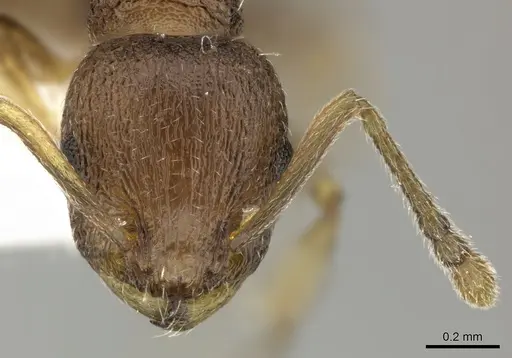
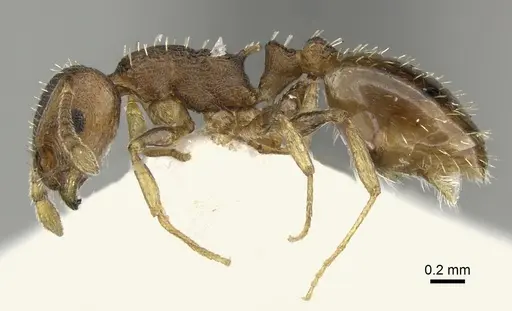
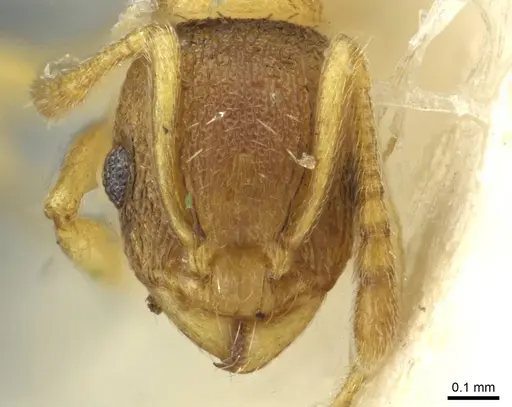
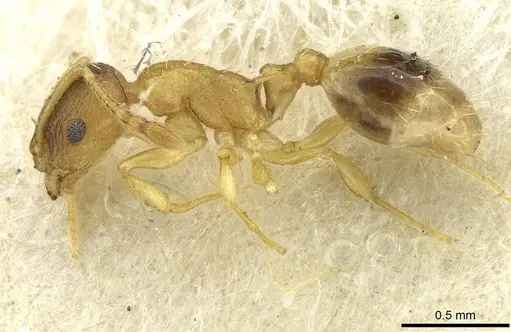
Temnothorax lichtensteini is a small Mediterranean ant species, with workers measuring just 2-3 mm and queens 3-4 mm . They have a distinctive yellowish to light-brown coloration, with the head and rear of the abdomen typically darker than the mesosoma, giving them a slightly two-toned appearance . These ants are characterized by very long propodeal spines that angle only 20-25° from the body axis, a feature that helps distinguish them from similar species . This species is part of the Temnothorax nylanderi species group. They show fascinating complex behaviors, particularly in corpse management - they bury fresh corpses but remove older ones, demonstrating sophisticated social immunity . They inhabit warm, xerothermous open forests across the northern Mediterranean from Spain to Turkey, ranging from southern France and Spain (West Mediterranean) through to Greece and Turkey (East Mediterranean) . The East Mediterranean population serves as a host for the slave-making ant Myrmoxenus gordiagini, while the West Mediterranean population does not .
Quick Summary
- Difficulty: Easy
- Origin & Habitat: Mediterranean region, from Iberian Peninsula to Western Turkey along the northern Mediterranean coastline, from 47°N in Austria to 37°N in Greece. Inhabits xerothermous open forests and warm, very sunny biotopes [2][3][1].
- Colony Type: Likely single-queen colonies (monogyne) based on typical Temnothorax patterns.
- Size & Growth:
- Queen: 3-4 mm [1]
- Worker: 2-3 mm [1]
- Colony: Typically 20-50 workers, occasionally up to 200 [6][7]
- Growth: Moderate
- Development: Estimated 6-10 weeks based on typical Temnothorax development (Development time is temperature-dependent, warmer conditions within acceptable range accelerate development.)
- Antkeeping:
- Temperature: Keep at room temperature around 20-24°C. These are Mediterranean ants that prefer warmth but can tolerate cooler indoor temperatures. A gentle heat gradient is beneficial but not essential.
- Humidity: Moderate humidity. They naturally inhabit dry to moderately damp forest habitats. Keep nest substrate slightly moist but not waterlogged. Provide a water tube for drinking access.
- Diapause: Yes, requires winter hibernation. Given their distribution reaching 47°N in Austria, they need a cold period of 2-3 months at 5-10°C during winter.
- Nesting: Prefers tight, enclosed spaces. In captivity, they do well in small test tubes, Y-tong nests, or plaster nests with narrow chambers. They often nest under bark in nature, so provide dark, confined spaces [7][8].
- Behavior: Generally peaceful and non-aggressive. Workers are small (2-3 mm), timid, and forage alone, avoiding competition with larger ants [7]. They are arboreal and nest under bark, which allows them to coexist with invasive species like Lasius neglectus due to their cryptic habits [7]. They show fascinating corpse management behavior, burying fresh dead while transporting older corpses outside the nest [5]. Escape risk is moderate due to their small size, standard barriers work well.
- Common Issues: small colony size means they are sensitive to disturbance, handle gently., colonies may fail if kept too cold during winter, proper hibernation is essential., wild-caught colonies may carry parasites like Myrmicinosporidium durum that can affect survival [11]., slow colony growth can test beginner patience, don't overfeed or disturb founding colonies., tiny workers can escape through standard barriers, ensure tight-fitting lids and fine mesh., in Austria this species is protected as Endangered and it is illegal to collect wild queens. Check local laws before acquiring [12].
Housing and Nest Preferences
Temnothorax lichtensteini does well in small, enclosed nest setups. In the wild, they typically nest under bark or in dry branches within forests, so they prefer dark, tight spaces [7][8]. For captivity, a small test tube setup works well for founding colonies, while Y-tong (AAC) nests or small plaster nests with narrow chambers suit established colonies. These ants are arboreal by nature, so vertical space with climbing opportunities is appreciated. Avoid large, open spaces, they feel safer in compact chambers. A small outworld for foraging completes the setup.
Feeding and Diet
Like most Temnothorax, these ants are omnivorous but prefer small insects and sugar sources. Offer small live prey like fruit flies, pinhead crickets, or mealworm pieces. They readily accept sugar water, honey, or diluted syrup. Feed protein prey 2-3 times per week and keep a constant sugar source available. Given their small size, prey items should be appropriately sized, very small pieces that workers can manage. Remove uneaten prey after 24 hours to prevent mold. These guidelines are based on typical needs of small Temnothorax species.
Temperature and Seasonal Care
Keep these Mediterranean ants at room temperature, ideally 20-24°C. They tolerate a range of indoor temperatures but grow more actively in warmth. During summer, room temperature is usually sufficient. In winter, they require a hibernation period of 2-3 months at 5-10°C, this is essential for colony health and triggers reproductive swarming. Place the colony in a cool location (basement, garage, or refrigerator) during winter dormancy. Nuptial flights occur in July to August in the wild, so timing of hibernation affects reproductive development [9][1].
Behavior and Colony Dynamics
Temnothorax lichtensteini displays sophisticated social behaviors. Notably, they practice differentiated corpse management, fresh dead are buried within the nest using soil and nest material, while older corpses are transported outside [5]. This protects the colony from disease. Workers are small, timid foragers that move slowly and avoid confrontation [7]. They can coexist with invasive ants like Lasius neglectus due to their cryptic habits and small colony size. Colonies remain relatively small (typically under 200 workers), so they won't overwhelm your ant setup. The East Mediterranean population serves as host for the slave-making ant Temnothorax gordiagini, but this is not a concern for captive colonies in most regions [3]. Queens have been recorded living up to 17 years under optimal conditions [10].
Health and Common Problems
Watch for signs of stress in these small ants. Wild-caught colonies may carry the fungal parasite Myrmicinosporidium durum, which is visible as spores through the ant's body wall and can affect longevity [11]. Infected workers appear normal but often die after hibernation. Colonies are sensitive to disturbance during founding, minimize vibrations and avoid checking on them too frequently. Their small size means escape prevention is important, standard barrier gel or fluon on container edges works well. Overfeeding leads to mold problems, so keep portions small and remove uneaten food. Also note that in Austria this species is protected (Endangered), so if you live there, do not collect from the wild [12].
Frequently Asked Questions
How long does it take for Temnothorax lichtensteini to raise first workers?
Expect first workers (nanitics) in 6-10 weeks after the queen lays eggs, assuming optimal room temperature around 22-24°C. Development is temperature-dependent, cooler conditions slow growth. The first workers will be smaller than mature workers but should emerge within this timeframe based on typical Temnothorax development patterns.
Do Temnothorax lichtensteini ants need hibernation?
Yes, they require winter hibernation. Given their distribution reaching 47°N in Austria, they need a cold period of 2-3 months at 5-10°C annually. Skipping hibernation may affect colony health and prevent reproductive swarming.
Can I keep multiple queens together?
Not recommended. Temnothorax lichtensteini is likely single-queen (monogyne) by nature. Combining unrelated queens has not been documented and would likely result in fighting. Start with one queen per colony for best success.
What do Temnothorax lichtensteini eat?
They accept small live prey (fruit flies, small crickets, mealworm pieces) and sugar sources (honey water, sugar water). Feed protein 2-3 times weekly with a constant sugar source available. Prey should be appropriately sized for their tiny 2-3 mm workers.
Are Temnothorax lichtensteini good for beginners?
Yes, they are beginner-friendly. They are small, peaceful, and tolerate a range of indoor conditions. Colonies remain modest in size, making them easy to house. The main requirements are proper hibernation and avoiding disturbance during founding.
How big do colonies get?
Colonies typically reach 20-50 workers in natural populations, with maximum around 200 workers in some areas [6][7]. They are not large colony formers, so don't expect massive societies. This makes them suitable for small enclosures.
Do these ants sting?
No. Temnothorax ants belong to the subfamily Myrmicinae but lack functional stingers. They are completely harmless to humans and cannot sting or bite effectively.
When do nuptial flights occur?
Nuptial flights happen in July to August in their natural Mediterranean habitat [9]. Swarming is triggered by increasing morning light, and they are considered morning species with a flexible schedule that can delay swarming if weather is cloudy or cold [1].
Why are my ants burying dead colony members?
This is normal and actually shows healthy colony behavior. Temnothorax lichtensteini practices differentiated corpse management, fresh dead are buried within the nest while older corpses are transported outside. This is a social immunity mechanism that protects the colony from disease [5].
What nest type is best for Temnothorax lichtensteini?
Small, enclosed spaces work best. Test tubes are ideal for founding colonies. For established colonies, Y-tong nests or small plaster nests with narrow chambers mimic their natural under-bark nesting sites. Avoid large, open formicaria, they prefer tight, dark spaces.
Report an Issue
The current care sheet is based fully on literature. See inconsistencies, or something that's incorrect? Please , it will be resolved after review from an admin. Contributing to the blogs tab also helps providing information, to make us be able to further improve the caresheets. Thank you for your support!
References

This caresheet is licensed under CC BY-SA 4.0 .
Community Blogs
ANTWEB1008441
View on AntWeb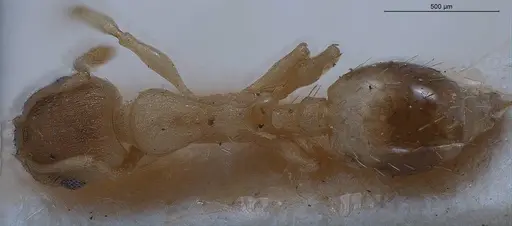
CASENT0191221
View on AntWeb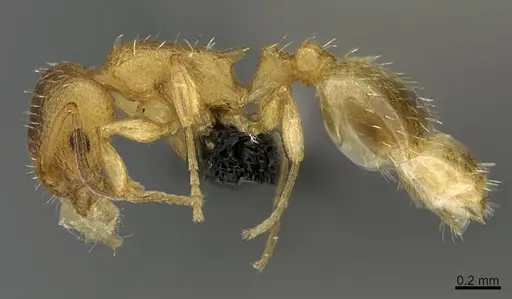
CASENT0906004
View on AntWeb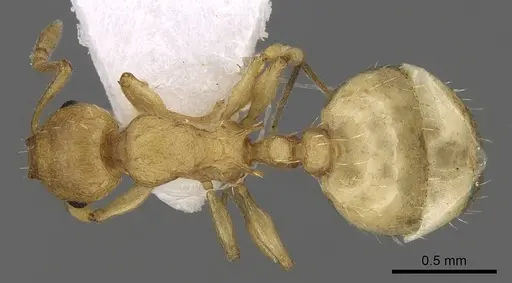
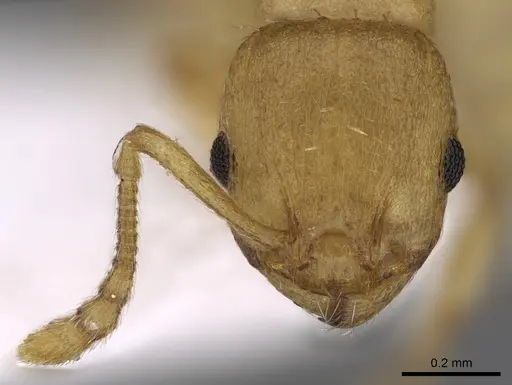
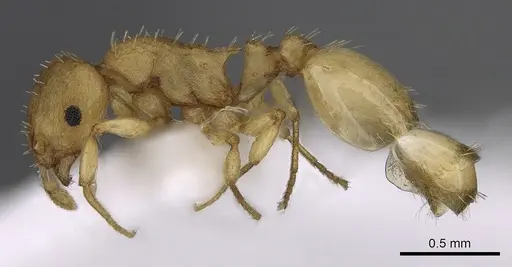
CASENT0906005
View on AntWeb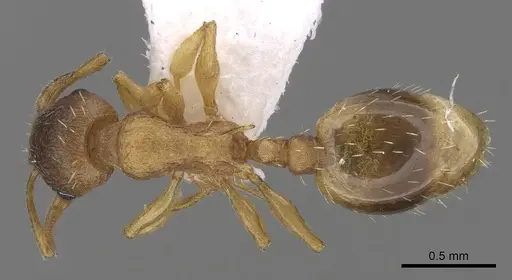
CASENT0906006
View on AntWeb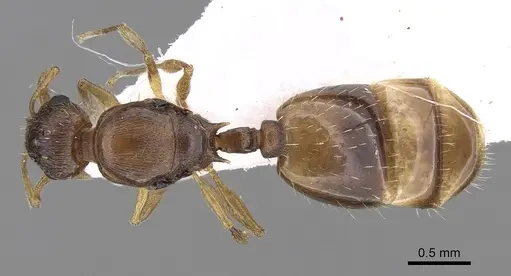
CASENT0906007
View on AntWeb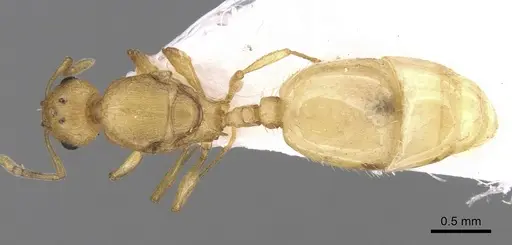
CASENT0906165
View on AntWeb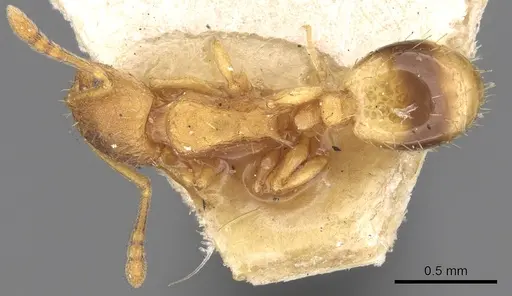
CASENT0906692
View on AntWeb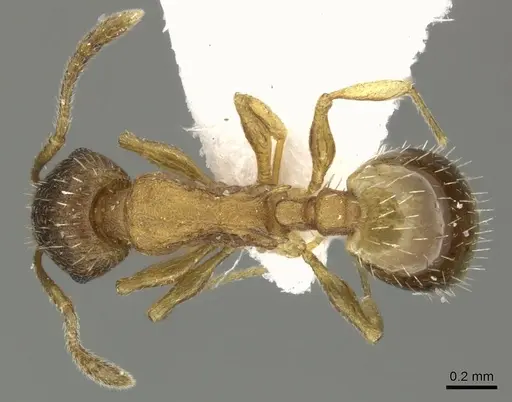
CASENT0906693
View on AntWeb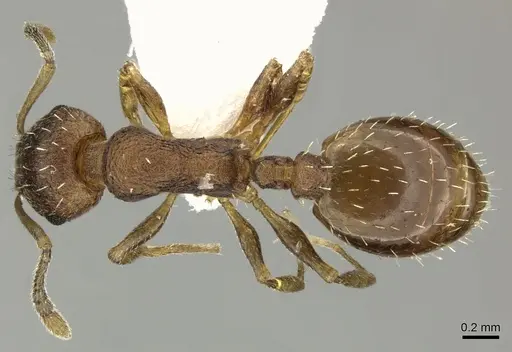
CASENT0913636
View on AntWeb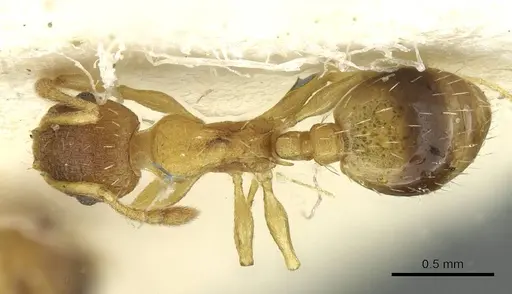
Literature
Loading distribution map...Loading products...