
Temnothorax kubira
- Sci. Name
- Temnothorax kubira
- Tribe
- Crematogastrini
- Subfamily
- Myrmicinae
- Author
- Terayama & Onoyama, 1999
- Distribution
- Found in 1 countries
Introduction
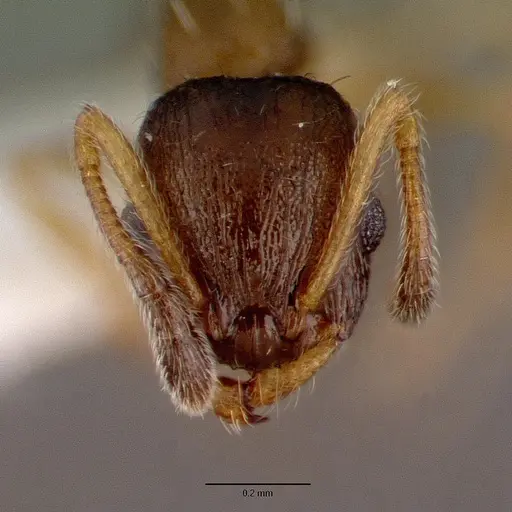
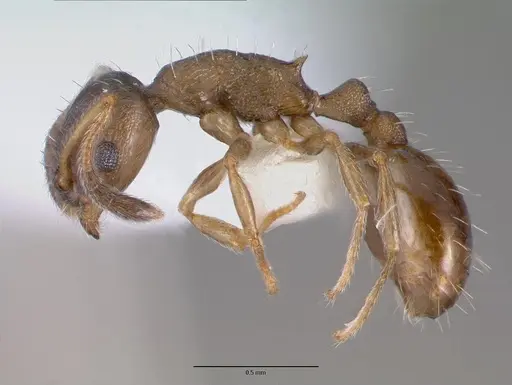
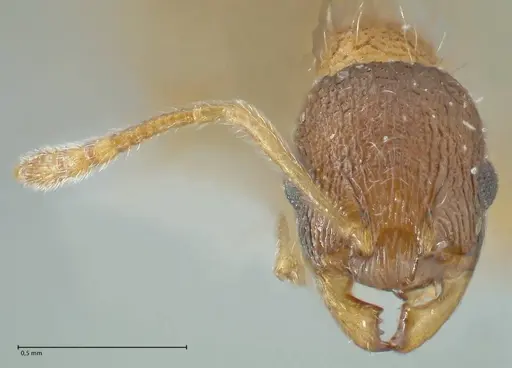
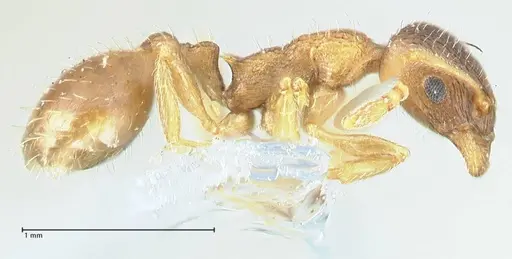
Temnothorax kubira is a tiny ant native to Japan, with workers measuring 2.5-3 mm . Their body is reddish-brown to brown, with the head and gaster often darker than the mesosoma, and their legs are distinctly yellow . This species belongs to the Palearctic-clade of Temnothorax and is found in mountainous regions of central Honshu (600-2,000 m elevation) and on Yaku Island (1,300-1,900 m) . Originally described as Leptothorax kubira in 1999,it was transferred to Temnothorax in 2003 . These ants prefer the cool, damp conditions of mountain forests, and they have relatively long scapes that just reach the back of the head .
Quick Summary
- Difficulty: Medium
- Origin & Habitat: Japan, mountainous regions of central Honshu (600-2,000 m elevation) and Yaku Island (1,300-1,900 m), typically in beech forests [2][1].
- Colony Type: Unconfirmed, based on typical Temnothorax patterns, likely single-queen (monogyne) colonies.
- Size & Growth:
- Queen: ~4-5 mm (estimated from typical Temnothorax queens, no direct measurements available)
- Worker: 2.5-3 mm [1]
- Colony: Up to 100 workers (estimated from typical Temnothorax colony sizes, not directly documented for this species)
- Growth: Moderate (inferred from related species)
- Development: 6-10 weeks (inferred from other Temnothorax species at ~22°C) (Development time is an estimate, specific data for Temnothorax kubira is not available.)
- Antkeeping:
- Temperature: Keep at 20-24°C. This species comes from cool mountains and is sensitive to heat. Avoid temperatures above 28°C [2].
- Humidity: Moderate to high, think damp forest floor. Keep the nest substrate consistently moist but not waterlogged. This is inferred from their mountain forest habitat.
- Diapause: Yes, native to temperate Japan with cold winters. A hibernation period at 5-10°C for 2-3 months (roughly November-February) is recommended [2].
- Nesting: In nature they likely nest in small cavities under stones or in rotting wood. In captivity, a small test tube setup or Y-tong nest with snug chambers works well. They prefer tight spaces.
- Behavior: These are small, peaceful ants that rarely sting. Their primary defense is fleeing. Their tiny size (2.5-3 mm) makes escape prevention critical, they can fit through very small gaps. Workers forage individually for small prey and sugar sources, and are most active in dim light. (Defense: smear, subfamily Myrmicinae, tribe Crematogastrini.)
- Common Issues: escape prevention is critical due to their small size, use fine mesh (≤0.5 mm) and tight lids., overheating is a real risk, keep them away from sunlight and heat sources., slow colony growth requires patience, don't overfeed or expand housing too quickly., mold in test tubes can be a problem if humidity is too high, ensure some ventilation., very small colonies may be sensitive to disturbance during founding.
Housing and Nest Setup
Because of their tiny size, housing must be carefully scaled. A small test tube (about 10-12 mm diameter) with a water reservoir sealed by a cotton plug works well for founding colonies. Keep the chamber dark to mimic underground nesting. For established colonies, use a Y-tong (AAC) nest with small chambers or a similarly tight formicarium. The key is snug spaces, these ants don't use large rooms well. Escape prevention is vital: use fine mesh (0.5 mm or smaller) on vents, tight lids, and fluon barriers on edges. Their 2.5-3 mm size means they can slip through tiny gaps [1].
Feeding and Diet
Specific dietary data for Temnothorax kubira is not documented, but based on general Temnothorax care, they accept small live prey (fruit flies, pinhead crickets, tiny mealworm pieces) and sugar sources (honey water, sugar water). Offer very small amounts 2-3 times per week, removing uneaten prey after 24 hours to prevent mold. A single fruit fly is a big meal for a small colony. Adjust feeding based on your colony's consumption. Always provide fresh water.
Temperature and Seasonal Care
This species comes from cool mountains (600-2,000 m in Japan) [2], so they prefer cooler conditions. Keep the nest at 20-24°C, avoid temperatures above 28°C. Room temperature is often ideal. In summer, shield them from direct sun and heat lamps. In winter, reduce activity, they are native to areas with cold winters. Provide a hibernation period at 5-10°C for 2-3 months (November-February). Do not feed during deep diapause, but ensure the nest doesn't dry out completely [2].
Colony Development
Temnothorax kubira colonies stay small, likely under 100 workers, based on typical genus patterns. Growth is moderate: a founding queen may take months to produce her first nanitics, and even longer to reach a dozen workers. Be patient. The founding queen likely stays sealed in her chamber (claustral founding is typical for Temnothorax, though not confirmed for this species), living on stored reserves until her first workers emerge. Avoid disturbing the founding chamber, queens are sensitive to vibrations and light.
Behavior and Temperament
These are docile ants that rarely show aggression. They don't have a painful sting, their primary defense (smearing venom, typical of Crematogastrini) is not a threat to keepers. Workers are small and will flee rather than fight. However, their tiny size makes them escape artists: they can squeeze through gaps that seem impossibly small. Always use fine mesh (0.5 mm or smaller) and barrier coatings on all edges. Workers forage individually for small prey and sugar, and are most active in dim light. They communicate with chemical trails to recruit nestmates. [1]
Frequently Asked Questions
How long does it take for Temnothorax kubira to produce first workers?
Based on typical Temnothorax development, expect 6-10 weeks from egg to first worker at around 22°C. This is an estimate, as specific data for this species is not available. The queen stays sealed until her first nanitics emerge.
What size colony do Temnothorax kubira colonies reach?
Expect a maximum of up to 100 workers, inferred from typical Temnothorax colony sizes. This species remains modest even at maturity.
Do Temnothorax kubira ants sting?
No, they are not known to sting. They are small and docile, relying on fleeing as their primary defense. Their venom-smearing behavior (typical of their tribe) is not painful to humans.
What temperature is best for Temnothorax kubira?
Keep them at 20-24°C. They come from cool Japanese mountains and are sensitive to heat. Avoid temperatures above 28°C and keep them away from direct sunlight or heating equipment. Room temperature is often ideal [2].
Do Temnothorax kubira need hibernation?
Yes, they benefit from a winter rest. Since they originate from temperate Japan with cold winters at high elevations (600-2,000 m), a hibernation period of 2-3 months at 5-10°C is recommended. Reduce feeding during this time and ensure the nest doesn't dry out completely [2].
Can I keep multiple queens of Temnothorax kubira together?
Not recommended, combining unrelated queens has not been documented. Based on typical Temnothorax patterns, they likely form single-queen colonies. House any queens separately.
Why are my Temnothorax kubira escaping?
Their tiny 2.5-3 mm size means they can squeeze through very small gaps. Check your setup: use fine mesh (0.5 mm or smaller), ensure all lids fit tightly, and apply fluon to edges and seams. Even a tiny gap around a water tube can allow escape [1].
What do Temnothorax kubira eat?
They accept small live prey (fruit flies, pinhead crickets, tiny mealworm pieces) and sugar sources (honey water, sugar water). Feed very small amounts 2-3 times per week, removing uneaten food after 24 hours. Portion size is important, these tiny ants need only very small amounts.
Are Temnothorax kubira good for beginners?
They are rated medium difficulty. While their small size and specific temperature needs make them a bit more challenging than larger, more tolerant species, they are manageable for keepers who pay attention to escape prevention and keep them cool. Their docile nature and small colony size make them interesting to observe.
When should I move Temnothorax kubira to a formicarium?
Wait until the colony has at least 20-30 workers before considering a move. These ants prefer small, tight spaces and may not use large chambers well. A small Y-tong or acrylic nest with snug chambers works better than a large setup.
Report an Issue
The current care sheet is based fully on literature. See inconsistencies, or something that's incorrect? Please , it will be resolved after review from an admin. Contributing to the blogs tab also helps providing information, to make us be able to further improve the caresheets. Thank you for your support!
References

This caresheet is licensed under CC BY-SA 4.0 .
Community Blogs
CASENT0008635
View on AntWeb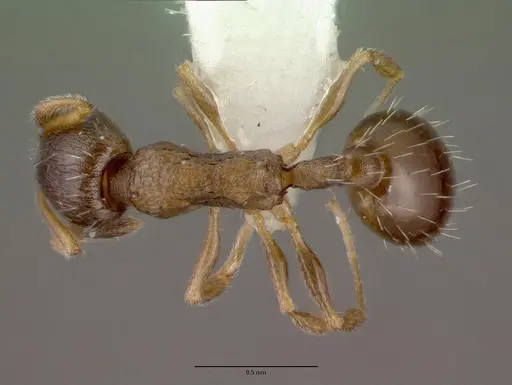
FOCOL1860
View on AntWeb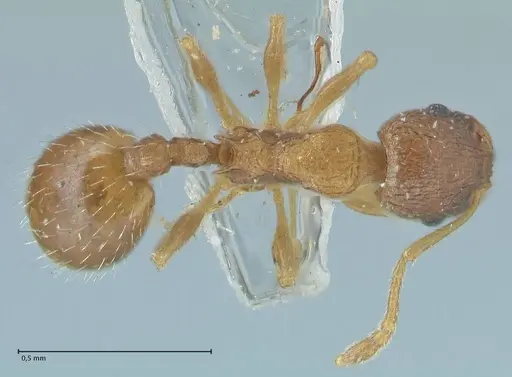
Literature
Loading distribution map...Loading products...