
Temnothorax josephi
- Sci. Name
- Temnothorax josephi
- Tribe
- Crematogastrini
- Subfamily
- Myrmicinae
- Author
- Mackay, 2000
- Distribution
- Found in 1 countries
Introduction
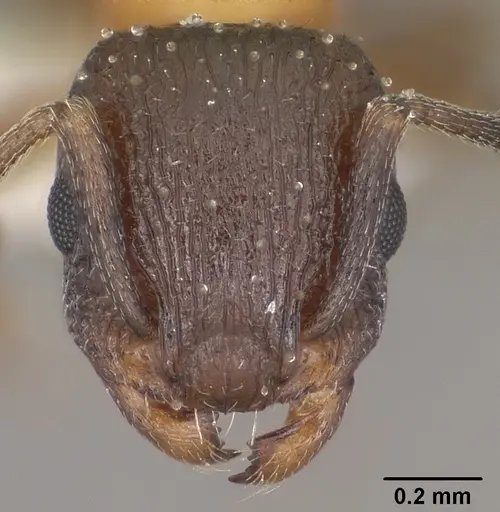
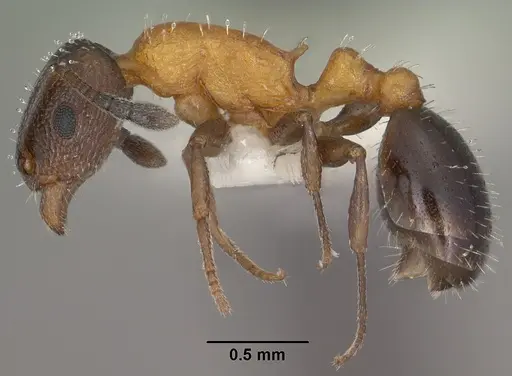
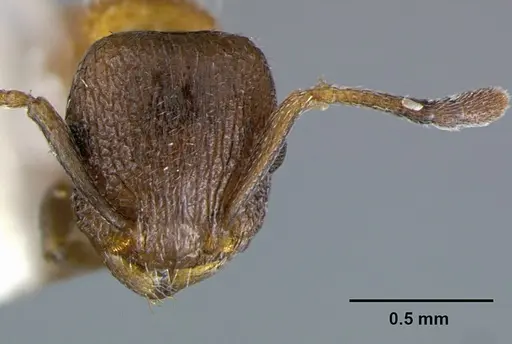
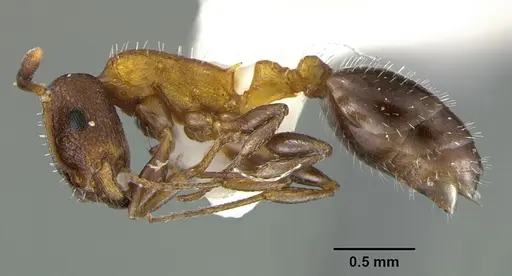
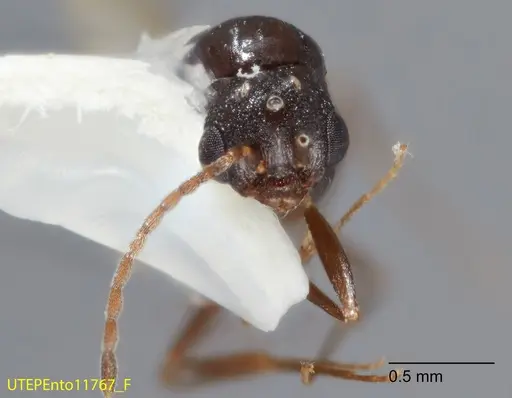
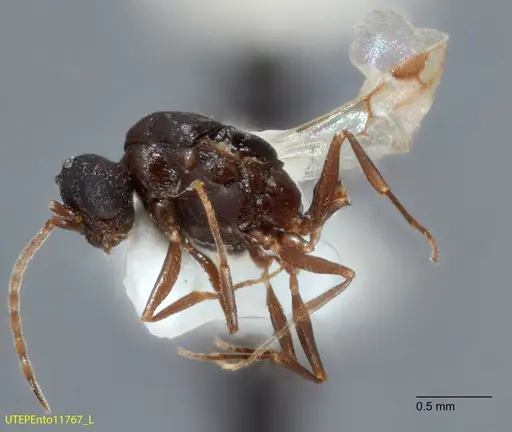
Temnothorax josephi is a small, bicolored ant from southwestern New Mexico, USA. Workers are about 3mm long with a black head and gaster (rear body) and a reddish brown middle section (mesosoma). Queens are larger, around 5mm. Each nest contains a single queen . This species belongs to the *rugatulus*‑clade of acorn ants, which nest in small cavities . These ants live in dead branches of living oak trees (*Quercus arizonica*), often 1.5–3 m above ground in grassy areas with scattered oaks in pine forests at around 2185 m elevation. They are timid – when disturbed, workers hide rather than fight. Nests contain brood all summer . The species name honors the describer’s son, Joseph Luis Mackay .
Quick Summary
- Difficulty: Medium
- Origin & Habitat: Southwestern New Mexico, USA. Found in dead branches of living oak trees (*Quercus arizonica*) in pine forests with oaks, pinyon pines, and junipers, often near streams. Nests are located 1.5–3 m above ground in dry dead branches [1].
- Colony Type: Single-queen colonies (monogyne). Each nest contains one dealate queen and 41–76 workers [1].
- Size & Growth:
- Queen: ~5 mm total length [1]
- Worker: ~3 mm total length [1]
- Colony: Up to 76 workers [1]
- Growth: Moderate (typical for small Temnothorax)
- Development: Estimated 6–10 weeks, based on typical Temnothorax development at optimal temperature (Specific data for this species is unavailable, the estimate is inferred from related species.)
- Antkeeping:
- Temperature: Keep cool, around 18–22 °C. Their high‑elevation origin (2185 m) suggests they prefer cooler conditions – avoid overheating [1].
- Humidity: Moderate humidity. In nature they nest in dry dead branches, so they tolerate drier conditions than many ants, but the nest should not be bone‑dry. Aim for lightly moist substrate [1].
- Diapause: Yes – based on their high‑elevation habitat, they likely need a winter dormancy. Provide 3–4 months at 5–10 °C [1].
- Nesting: Y‑tong (AAC) or plaster nests with small, tight chambers work well. They naturally nest in small cavities inside dead wood, so scaled‑down spaces are best.
- Behavior: Timid and non‑aggressive. Workers hide when disturbed instead of defending. They have a modified stinger used to smear venom (characteristic of the tribe Crematogastrini), but rarely use it defensively. Foraging activity is moderate. Their small size (3 mm) means standard escape barriers are enough [1].
- Common Issues: colonies grow slowly and stay small – beginners expecting rapid growth may be frustrated., high‑elevation origin makes them sensitive to overheating, keep away from heat sources., dry‑branch nesting means they prefer drier conditions – avoid over‑humidifying the nest., rarely collected, so wild‑caught colonies can be hard to find., founding queens are delicate – leave them completely undisturbed during the initial weeks.
Housing and Nest Setup
Temnothorax josephi does well in Y‑tong (AAC) or plaster nests with small, interconnected chambers that mimic the tight spaces inside dead tree branches. In the wild they nest in cavities inside dry dead branches of oak trees [1]. Avoid large open spaces – these ants prefer a cozy, cluttered layout. A test tube setup works during founding, but once the colony reaches 20–30 workers, move them to a proper nest. Standard escape barriers are adequate for their 3 mm size.
Feeding and Diet
Like most Temnothorax, T. josephi is a generalist feeder. Offer small protein sources such as fruit flies, pinhead crickets, or tiny mealworms once or twice a week, and keep sugar water or honey water available at all times. Remove uneaten prey after 24 hours to prevent mold. Because colonies stay small (up to 76 workers), portion sizes should be tiny – a few fruit flies or a single drop of sugar water is enough.
Temperature and Seasonal Care
These ants come from high elevation (2185 m) in New Mexico, so they prefer cooler conditions than many kept ants. Keep the nest area at 18–22 °C and avoid heat sources or direct sunlight – overheating can quickly kill the colony [1]. In winter, provide a dormancy period of 3–4 months at 5–10 °C to match their natural seasonal cycle. Store the colony in a cool, stable place (garage, basement, or refrigerator) during this time. Do not feed during diapause.
Colony Founding
The founding method for Temnothorax josephi has not been directly studied (no published data confirms claustral or semi‑claustral behavior). Based on its cavity‑nesting habits, you can try a standard test tube setup with a small entrance hole to mimic a natural cavity. Place the queen in a dark, undisturbed spot at 18–22 °C. Keep her completely alone until the first workers appear – disturbance can cause her to eat brood or abandon the nest. Development time from egg to worker is estimated at 6–10 weeks, but this may vary. [1]
Behavior and Temperament
Temnothorax josephi is a timid species. Workers prefer to hide or freeze when disturbed rather than attack or sting. They belong to the tribe Crematogastrini, whose members have a modified, spatulate stinger used to smear venom onto enemies rather than pierce – but they rarely use it defensively in captivity. Foraging is moderate and colonies stay small, so you won’t see large swarms. Their peaceful nature makes them great for observation, but they are easily stressed by frequent disturbance [1].
Frequently Asked Questions
How long does it take for Temnothorax josephi queens to raise their first workers?
Development time is not documented for this species. AntWiki notes that nests contain brood throughout summer, but specific egg‑to‑worker durations are unknown. Based on similar Temnothorax, expect roughly 6–10 weeks at optimal temperature [1].
Can I keep Temnothorax josephi in a test tube?
Yes. A test tube setup is a good starting point for founding, especially since the queen’s founding behavior is not confirmed. Once the colony grows to about 20–30 workers, move them to a Y‑tong or plaster nest with small chambers [1].
Do Temnothorax josephi ants sting?
They belong to the tribe Crematogastrini, which has a modified stinger used to smear venom rather than pierce. In practice, they are timid and rarely use any defensive measure – they prefer to hide.
What temperature is best for Temnothorax josephi?
Keep them at 18–22 °C. Their high‑elevation habitat (2185 m) means they need cool, stable conditions [1].
Do Temnothorax josephi need hibernation?
Yes, based on their high‑elevation origin they likely require a winter dormancy. Provide 3–4 months at 5–10 °C [1].
How big do Temnothorax josephi colonies get?
In natural nests, colonies reach up to about 76 workers [1].
What do Temnothorax josephi eat?
They are generalist feeders. In the wild they likely hunt small arthropods and tend aphids for honeydew. In captivity, offer small insects (fruit flies, pinhead crickets) for protein once or twice a week and keep sugar water or honey water always available.
Are Temnothorax josephi good for beginners?
They are intermediate. Their slow growth and small colony size can disappoint beginners expecting rapid expansion, but their peaceful nature and modest temperature requirements make them manageable for keepers with some experience.
Can I keep multiple Temnothorax josephi queens together?
No – this species is monogyne, each nest has only one queen. Combining queens would lead to fighting [1].
When should I move my colony to a formicarium?
Transfer from a test tube to a Y‑tong or plaster nest when the colony reaches about 20–30 workers. Choose a nest with small chambers that match their 3 mm worker size.
Report an Issue
The current care sheet is based fully on literature. See inconsistencies, or something that's incorrect? Please , it will be resolved after review from an admin. Contributing to the blogs tab also helps providing information, to make us be able to further improve the caresheets. Thank you for your support!
References

This caresheet is licensed under CC BY-SA 4.0 .
Community Blogs
CASENT0102837
View on AntWeb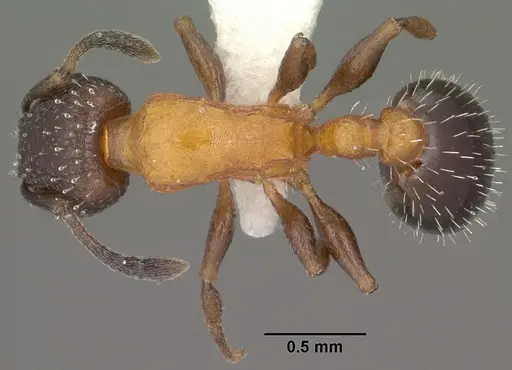
CASENT0105863
View on AntWeb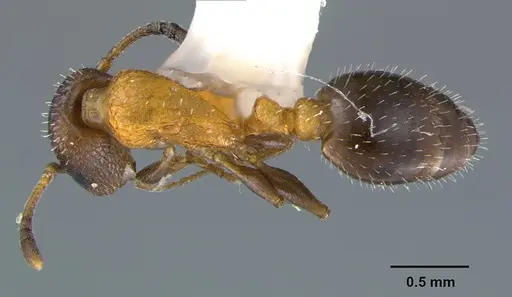
CASENT0740661
View on AntWeb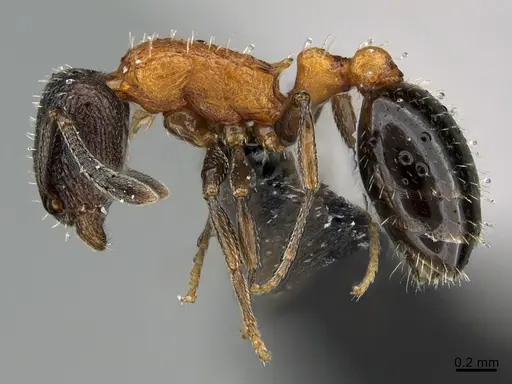
CASENT0901790
View on AntWeb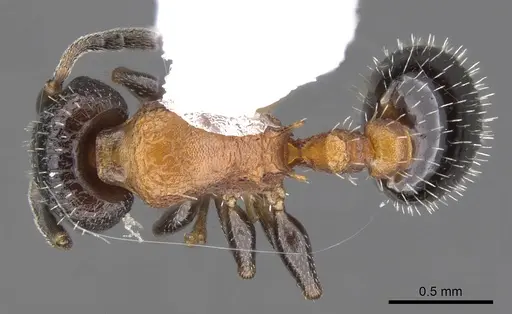
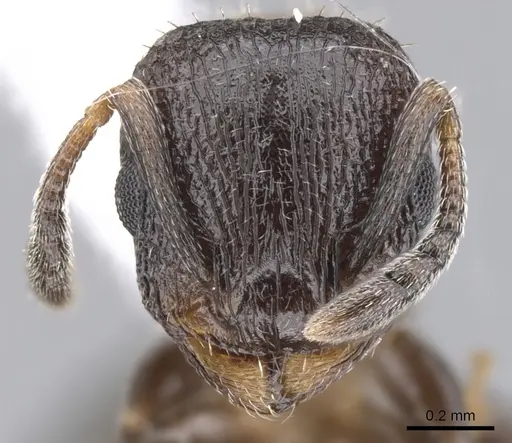
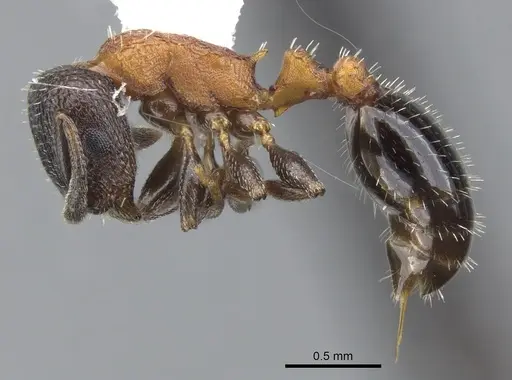
CASENT0922571
View on AntWeb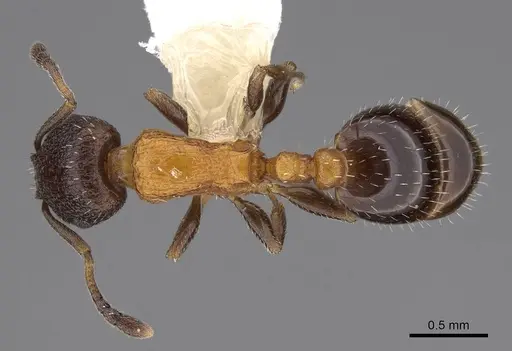
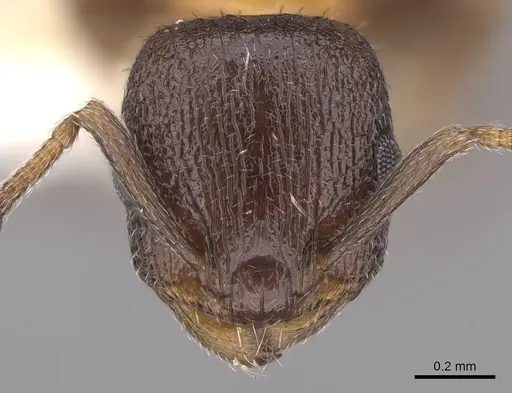
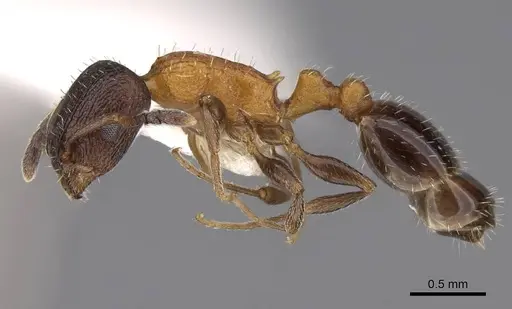
FMNHINS0000047947
View on AntWeb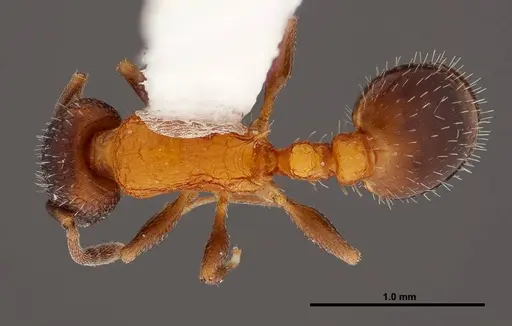
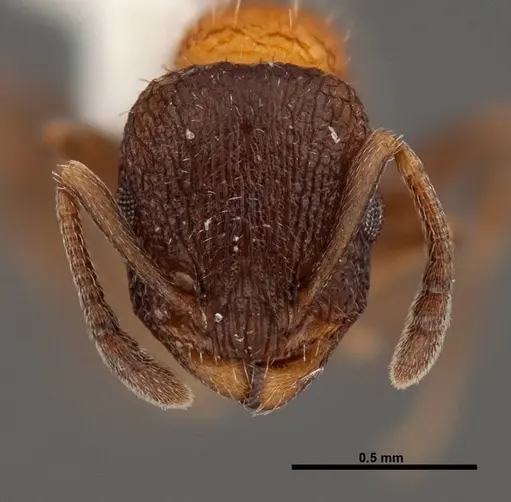
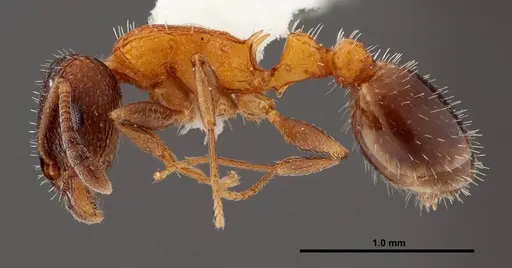
UTEPENTO11767-01
View on AntWeb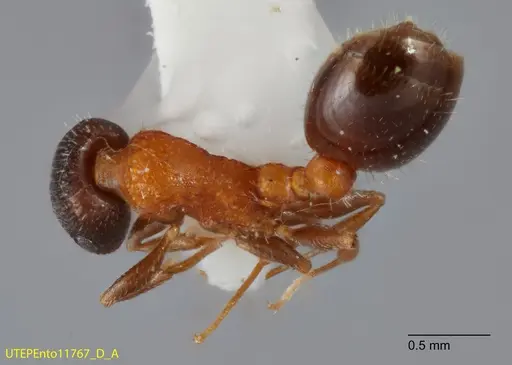
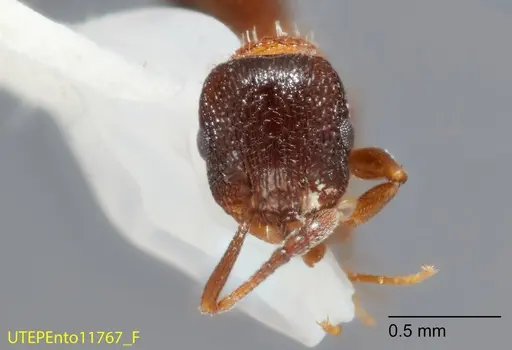
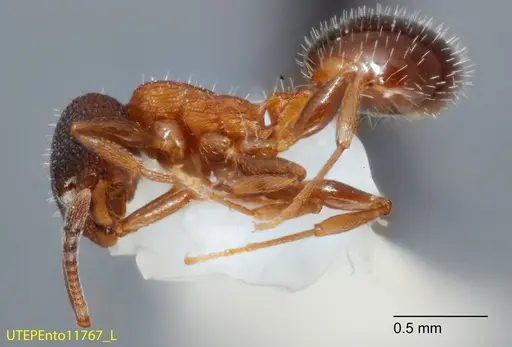
UTEPENTO11767-02
View on AntWeb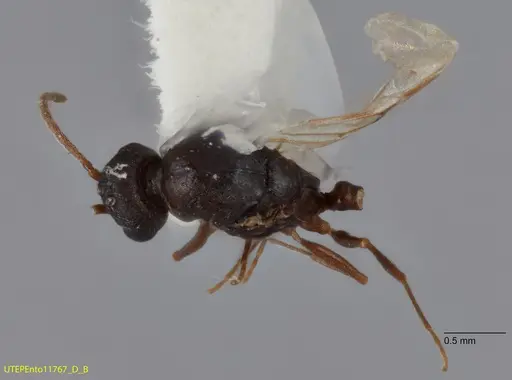
Literature
Loading distribution map...Loading products...