
Temnothorax helenae
- Sci. Name
- Temnothorax helenae
- Tribe
- Crematogastrini
- Subfamily
- Myrmicinae
- Author
- Csősz <i>et al.</i>, 2015
- Distribution
- Found in 2 countries
Introduction
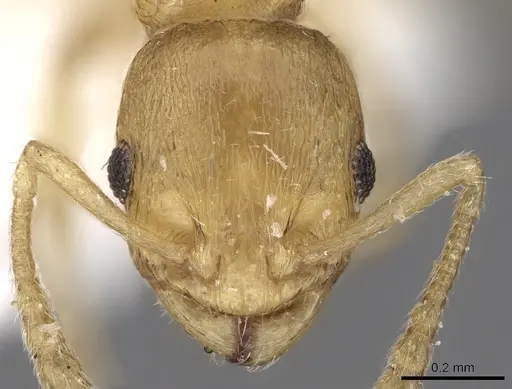
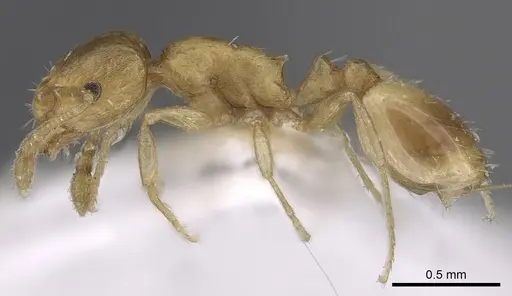
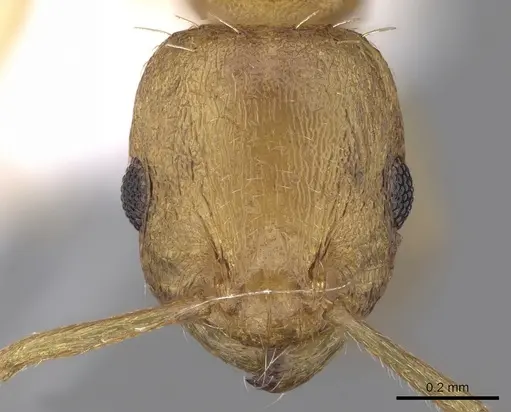
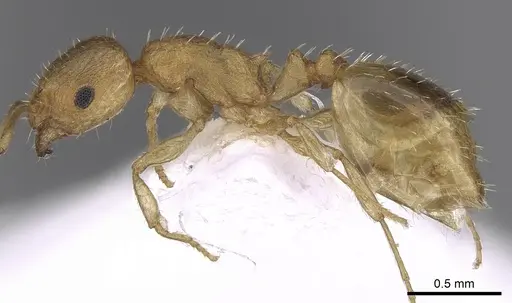
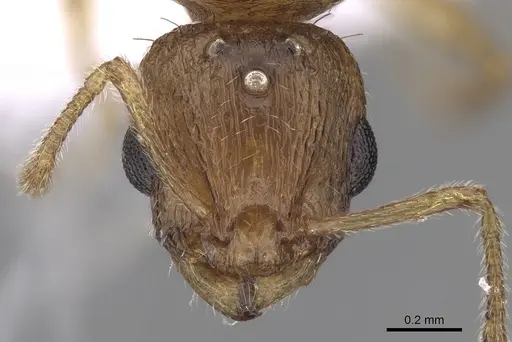
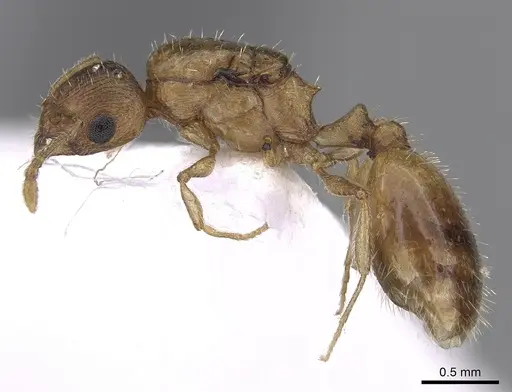
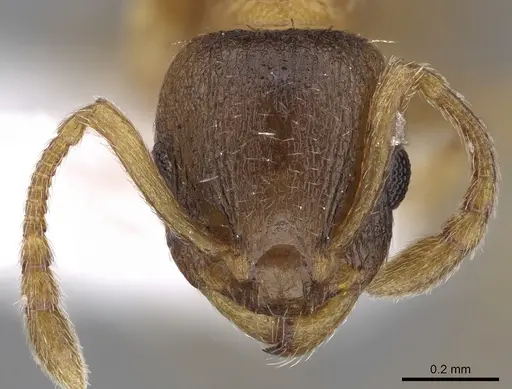
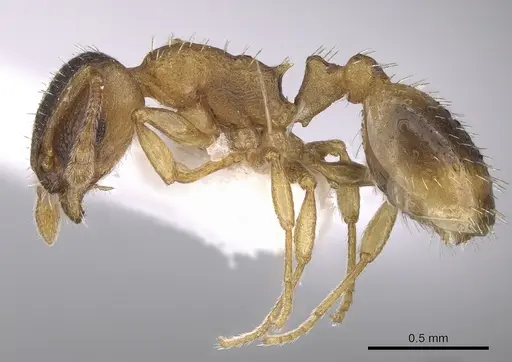
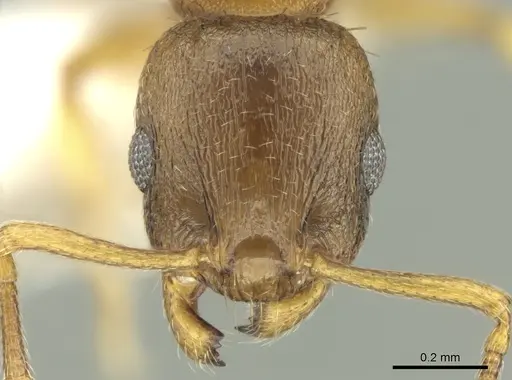
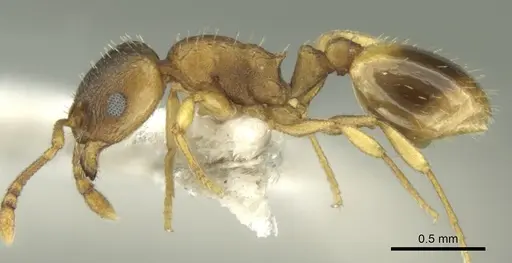
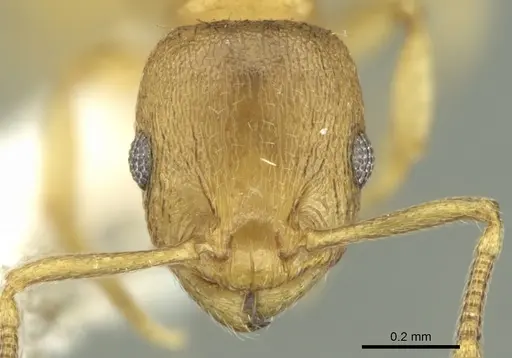
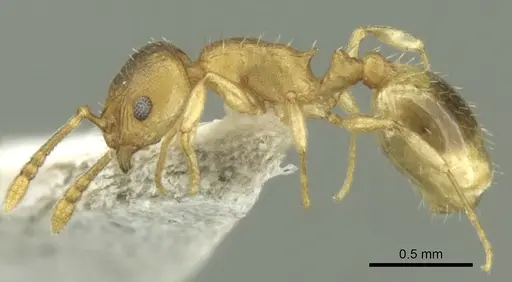
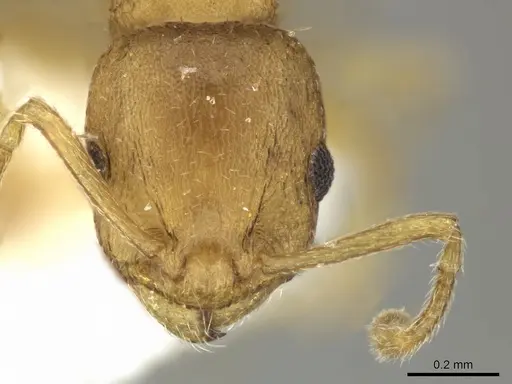
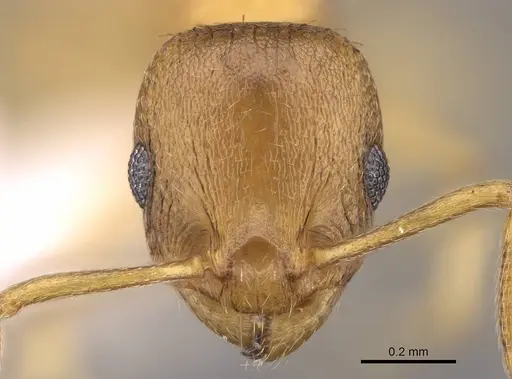
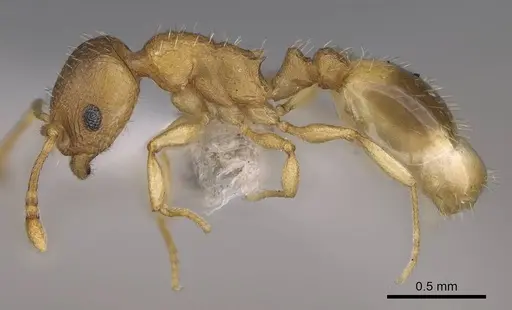
Temnothorax helenae is a tiny yellow-brown ant belonging to the Temnothorax nylanderi species group. Workers have a head size of about 0.5-0.6 mm (cephalic size 510-627 µm) . They have 12-segmented antennae that are completely yellow, and body coloration ranges from pale yellow to light brown, with the mesosoma, antennae, legs, and waist often lighter than the head and rear of the gaster . This species was only described in 2015,so it's a relatively new addition to the ant-keeping hobby . These ants are native to the eastern Mediterranean, found across Greece (including Crete and the Cyclades islands), southern Bulgaria, and western Turkey . They prefer forest habitats, especially coniferous forests, but also live in deciduous and mixed forests and pastures with oak trees and stones . Nests are located in cracked rocks and stones or under moss, and workers forage in leaf litter or on rocks . Colonies are monogyne - just one queen per nest .
Quick Summary
- Difficulty: Easy
- Origin & Habitat: Eastern Mediterranean, Greece (mainland, Crete, Cyclades), southern Bulgaria, and western Turkey. Inhabits oak forests and coniferous forests, also found in deciduous/mixed forests and pastures with oak trees and stones [1][2][3].
- Colony Type: Monogyne, colonies have a single queen [2][4].
- Size & Growth:
- Queen: Inferred from related Temnothorax species: approximately 3-4 mm (direct measurements not available).
- Worker: Head size 0.51-0.63 mm [1], body size (total length) not directly available, inferred from genus: approximately 2-3 mm.
- Colony: Unknown, based on related Temnothorax species, likely up to a few hundred workers.
- Growth: Moderate, typical for small Myrmicinae.
- Development: Not documented for this species, based on related Temnothorax, estimated 6-10 weeks at optimal temperature. (Development time inferred from genus-level data, specific timing for T. helenae has not been studied.)
- Antkeeping:
- Temperature: Inferred from Mediterranean forest habitat: keep at 20-24°C with a gentle gradient so workers can choose their preferred temperature.
- Humidity: Moderate humidity, keep the nest substrate moist but not waterlogged, mimicking the conditions under stones and moss in their natural habitat.
- Diapause: Inferred from Mediterranean climate: likely requires a winter rest period (diapause) of 4-8 weeks at 10-15°C. Skipping hibernation may weaken the colony over time.
- Nesting: Very small ants need tight chambers and narrow passages. Use Y-tong (AAC) nests, plaster nests, or soil nests. Avoid acrylic nests. Provide natural materials like small stones or pieces of bark with damp soil underneath to mimic their nesting under rocks [3].
- Behavior: Peaceful and shy, not aggressive. Workers forage individually rather than in raiding groups. They use a smear defense mechanism (smearing venom rather than stinging) and pose no danger to humans. Escape prevention is critical due to their extremely small size, they can squeeze through tiny gaps. Use fine mesh and tight-fitting barriers.
Housing and Nest Setup
Temnothorax helenae are tiny ants that need appropriately scaled housing. A Y-tong (AAC) nest with narrow chambers works well. Avoid acrylic nests. The chambers should be small, these ants feel secure in tight spaces. If using a test tube setup, pack the cotton tightly and consider a barrier like fluon on the rim. For a naturalistic setup, provide flat stones or pieces of bark with damp soil underneath, they naturally nest under stones in the wild [3]. A small outworld connected to the nest allows for feeding without disturbing the colony. Use fine mesh on any ventilation to prevent escapes.
Feeding and Diet
Specific dietary data for this species are unavailable, but based on genus patterns, Temnothorax are omnivorous. They likely feed on honeydew from aphids, so offer sugar water or diluted honey as a constant energy source. Provide small protein sources 2-3 times per week: flightless fruit flies, pinhead crickets, or tiny mealworms match their size. Remove uneaten prey within 24-48 hours to prevent mold.
Temperature and Seasonal Care
Keep the nest area at 20-24°C. These are Mediterranean forest ants that tolerate warm conditions but prefer stable temperatures. Use a heating cable on top of the nest to create a gentle gradient without drying out the soil. In winter, they likely need a diapause period of 4-8 weeks at 10-15°C. This mimics their natural cycle in the Mediterranean region [3]. Reduce feeding during diapause and allow the colony to rest quietly.
Colony Founding
Founding behavior is not confirmed, but based on typical Temnothorax patterns, the queen likely seals herself into a small chamber (claustral founding). She uses stored fat reserves to survive until the first workers emerge. Do not disturb her during this time, opening the nest too soon can cause her to abandon or eat the brood. First workers (nanitics) will be smaller than normal workers. Once workers are active and foraging, begin offering small amounts of sugar water and tiny prey. Colony growth is slow initially.
Behavior and Observation
These are peaceful, shy ants. Workers forage individually rather than in groups. They are not aggressive and their defense mechanism involves smearing venom rather than stinging. Their tiny size makes them fascinating to watch under magnification. The colony will remain relatively small compared to genera like Formica or Camponotus, this is normal for Temnothorax. Escape proofing is essential because workers can fit through very small gaps.
Frequently Asked Questions
How long does it take for Temnothorax helenae to produce first workers?
Based on related Temnothorax species, expect 6-10 weeks from egg to first worker at room temperature (20-24°C). Growth is slow, founding colonies may take several months to reach 10+ workers.
Can I keep multiple Temnothorax helenae queens together?
No, this is a monogyne species with single-queen colonies [2]. Combining unrelated queens would likely result in fighting.
What do Temnothorax helenae ants eat?
They are omnivorous. Offer sugar water or honey as a constant energy source, and supplement with small protein sources like fruit flies, tiny mealworms, or other small insects.
Do Temnothorax helenae ants sting?
No, these ants use a smear defense mechanism and are not known to sting. They are harmless to humans.
Are Temnothorax helenae good for beginners?
They are relatively easy to keep but their tiny size makes escape prevention critical. Colony growth is slow. They are better suited for keepers who enjoy observing small species and have some experience with escape-proofing.
Do Temnothorax helenae need hibernation?
Yes, they likely require a winter rest period (diapause) of 4-8 weeks at 10-15°C. This is inferred from their Mediterranean distribution and forest habitat [3]. Skipping hibernation may weaken the colony over time.
How big do Temnothorax helenae colonies get?
Colony size is not documented for this species, but related Temnothorax species typically reach up to a few hundred workers. These are small colonies compared to many common ant species.
What is the best nest type for Temnothorax helenae?
A Y-tong (AAC) nest with small chambers or a small plaster/soil nest works well. The key is providing tight, appropriately scaled spaces. Avoid acrylic nests. Naturalistic setups with flat stones over damp substrate mimic their natural nesting under rocks [3].
Why are my Temnothorax helenae escaping?
Their tiny size means they can squeeze through gaps that seem negligible. Use fine mesh on any ventilation, ensure test tube rims have barriers like fluon, and check all connections between nest and outworld for gaps. Head size is around 0.5-0.6 mm [1], so even the smallest opening can be an escape route.
Where is Temnothorax helenae native to?
They are found in the eastern Mediterranean, primarily Greece (including Crete and Cyclades islands), with populations also in southern Bulgaria and western Turkey [1][2].
Report an Issue
The current care sheet is based fully on literature. See inconsistencies, or something that's incorrect? Please , it will be resolved after review from an admin. Contributing to the blogs tab also helps providing information, to make us be able to further improve the caresheets. Thank you for your support!
References

This caresheet is licensed under CC BY-SA 4.0 .
Community Blogs
CASENT0763866
View on AntWeb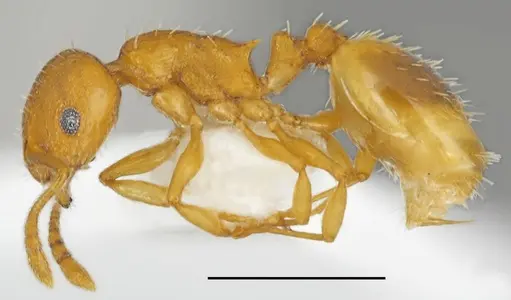
CASENT0906015
View on AntWeb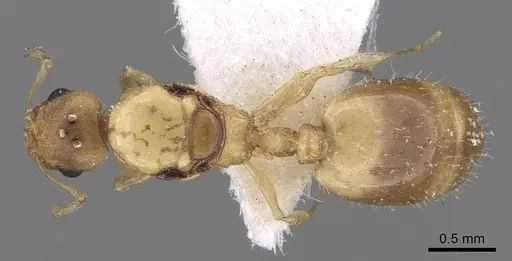
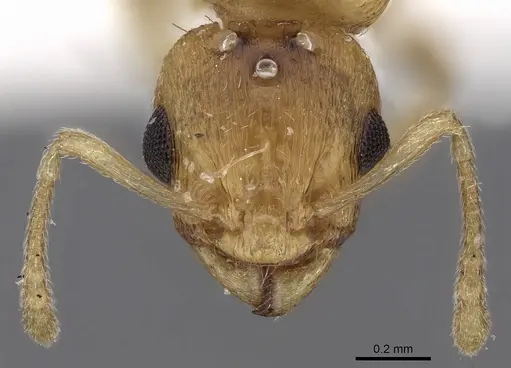
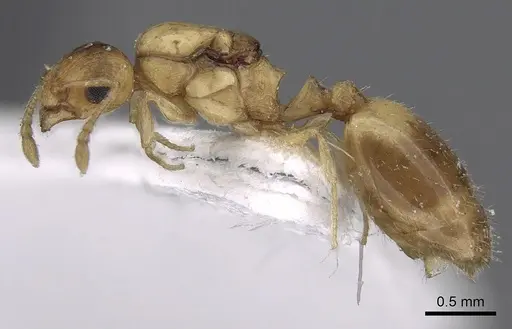
CASENT0906016
View on AntWeb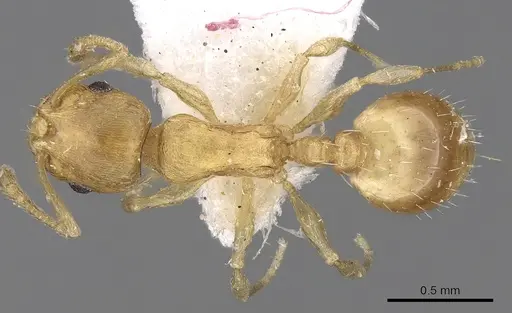
CASENT0906017
View on AntWeb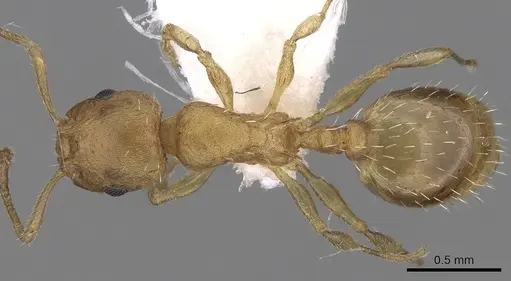
CASENT0906018
View on AntWeb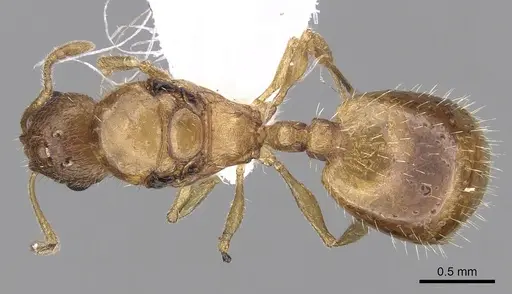
CASENT0906021
View on AntWeb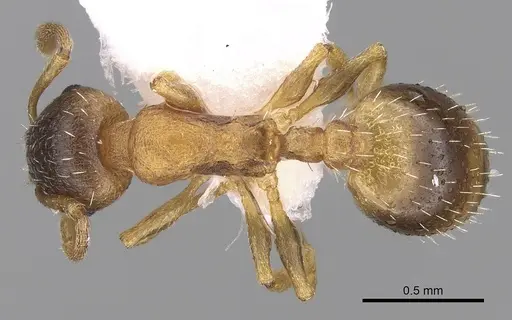
CASENT0906680
View on AntWeb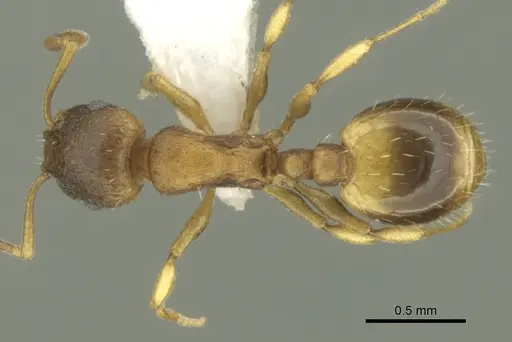
CASENT0906681
View on AntWeb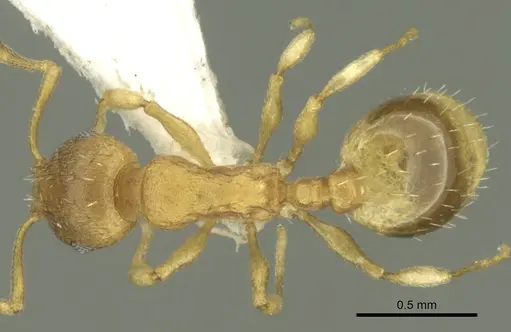
CASENT0906695
View on AntWeb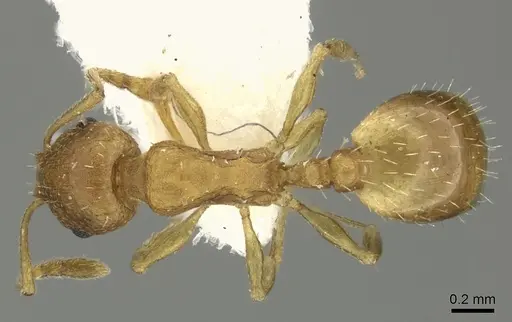
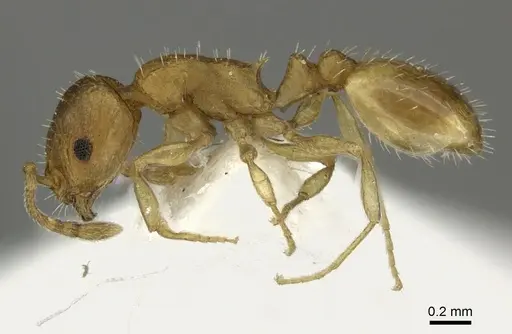
CASENT0914697
View on AntWeb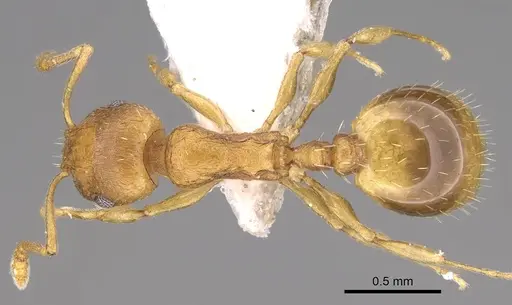

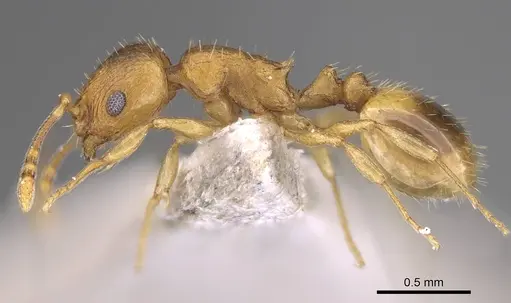
CASENT0914698
View on AntWeb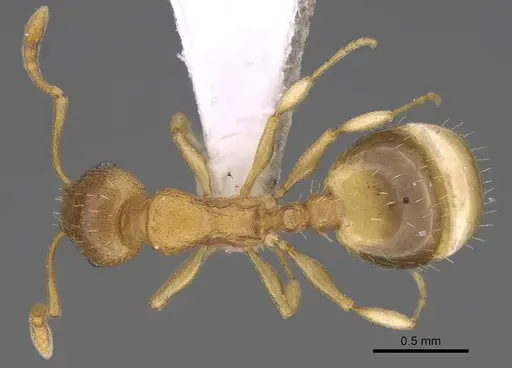
Literature
Loading distribution map...Loading products...