
Temnothorax grouvellei
- Sci. Name
- Temnothorax grouvellei
- Tribe
- Crematogastrini
- Subfamily
- Myrmicinae
- Author
- Bondroit, 1918
- Distribution
- Found in 2 countries
Introduction
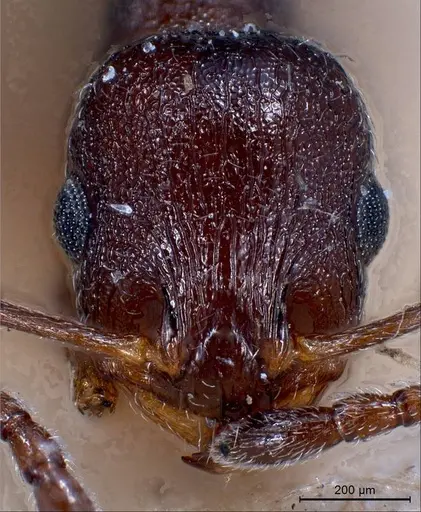
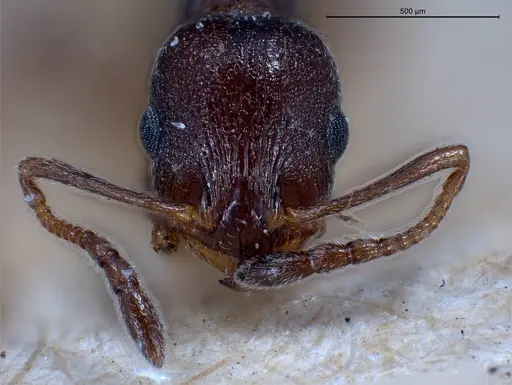
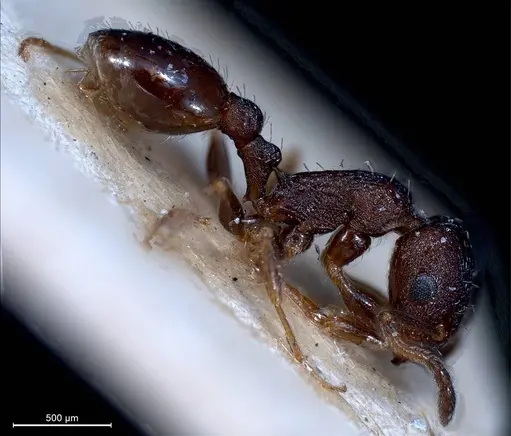
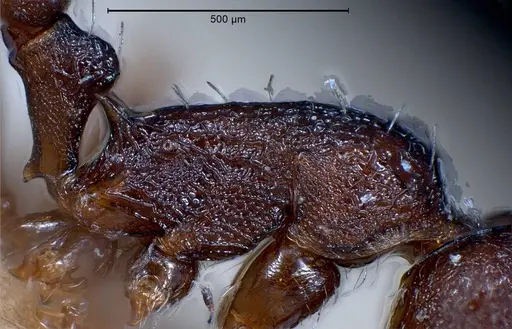
Temnothorax grouvellei is a tiny Mediterranean ant from France and the Iberian Peninsula . Workers are very small (about 2-4 mm based on genus typical size - specific measurements are unavailable). They have a dark body, relatively long spines and scape, and a head with coarse longitudinal ridges . This species lives in warm, rocky habitats like cliffs, scrubland, and open mountain forests, at elevations from 654 to 1,318 m . Colonies are small, which is typical for the genus . They are an evening-swarming species, with nuptial flights in July-August .
Quick Summary
- Difficulty: Easy
- Origin & Habitat: Native to France (Pyrenees, Mediterranean coast) and the Iberian Peninsula. A Mediterranean mountain species found in warm, rocky habitats: cliffs, scrubland, mixed oak forests, and open slopes up to about 1,300 m elevation [3][4][5].
- Colony Type: Likely single-queen (monogyne) based on typical Temnothorax patterns, not confirmed by research. Colonies are small [3].
- Size & Growth:
- Queen: Data unavailable, inferred from typical Temnothorax size (~4-5 mm).
- Worker: Data unavailable, inferred from typical Temnothorax size (~2-4 mm).
- Colony: Small colonies, typical for genus, likely up to a few hundred workers at most [3].
- Growth: Moderate
- Development: About 6-10 weeks at 20-22°C (inferred from genus patterns). (Specific development data for this species is not available.)
- Antkeeping:
- Temperature: Keep at room temperature (18-24°C). Provide a slight warm bias to reflect their Mediterranean mountain origin, specific optimum unknown. A gentle gradient is helpful.
- Humidity: Low to moderate. These ants come from relatively dry rocky habitats. Keep the nest mostly dry with a small damp area. Avoid overwatering.
- Diapause: Recommended. Reduce temperature to 10-15°C for 2-3 months in winter (November-February) to mimic natural mountain conditions. Specific data unavailable, but winter rest is standard for mountain Temnothorax [3].
- Nesting: Provide small, pre‑formed cavities. Y-tong (AAC) nests with narrow chambers, small acrylic formicariums, or test tubes all work. Ensure passages are scaled to their tiny size so they can patrol effectively.
- Behavior: Peaceful and non‑aggressive. Workers are active foragers that search for small prey and honeydew. They pose no sting threat. Due to their tiny size, escape prevention is critical, use fine mesh and tight lids. They are an evening‑swarming species, nuptial flights occur in July-August [3][6].
- Common Issues: tiny size means escapes are likely without fine mesh barriers., small colony size makes them vulnerable to disturbance, handle gently., winter diapause is probably essential, skipping it may weaken colonies., slow growth can test keeper patience, avoid overfeeding and disturbing., mold can develop if the nest is kept too wet, provide only a small damp area.
Housing and Nest Setup
Temnothorax grouvellei does best in small, compact nests. Y‑tong (AAC) nests with narrow chambers, small acrylic formicariums, or simple test tube setups work well. The key is scaling: passages must be narrow enough that the tiny workers can patrol them comfortably. Provide a dark cover and a small water reservoir for humidity, but keep most of the nest dry. Avoid direct sunlight and vibrations.
Feeding and Diet
Like other Temnothorax, T. grouvellei is omnivorous. Offer small soft‑bodied insects (fruit flies, pinhead crickets) as protein, and diluted honey or sugar water for carbohydrates. Feed small amounts 2-3 times per week for established colonies, removing leftovers to prevent mold. Foundress queens likely do not need food until workers appear (claustral founding), offering a tiny drop of honey is optional.
Temperature and Seasonal Care
Maintain temperatures around 18-24°C, with 20-22°C ideal for brood development. These Mediterranean mountain ants do not require intense heat but do appreciate a warm side. For winter (November-February), provide a 2‑3 month diapause by lowering temperature to 10-15°C. This mimics their natural cycle at higher elevations and is important for colony health. Skipping hibernation may weaken the colony [3].
Colony Founding
Newly mated queens are likely claustral, they seal themselves in a small chamber and raise the first brood using stored fat reserves. Provide a quiet, dark test tube setup and do not disturb for at least 4-6 weeks. After the first nanitic workers emerge, you can offer tiny food near the nest entrance. Colony growth starts slowly but picks up once 10-20 workers are present.
Behavior and Observation
Workers are active foragers that search for small prey and honeydew. They are not aggressive and will flee rather than fight. Nuptial flights happen in the evening during July-August [3][6]. Because of their tiny size, they are master escape artists, use fine mesh and seal every gap. It is rewarding to watch typical Temnothorax behaviors like tandem running and careful brood care.
Frequently Asked Questions
How long does it take for Temnothorax grouvellei to raise first workers?
Expect first workers about 6‑10 weeks after the queen lays eggs at 20‑22°C. This is inferred from typical Temnothorax development, specific data for this species is unavailable.
Do Temnothorax grouvellei ants sting?
No, these ants are not known to sting. They are subfamily Myrmicinae, tribe Crematogastrini, which use a modified stinger to smear venom rather than inject it. They are harmless to humans.
Can I keep multiple queens together?
Likely not. This species is probably monogyne (single‑queen). Combining unrelated foundresses would likely result in fighting. If you find a polygynous wild colony, multiple queens might be tolerated, but this is not typical.
What size colony do Temnothorax grouvellei reach?
Colonies remain small, typical for the genus. They may reach up to a few hundred workers at most, but specific data is lacking [3].
Do Temnothorax grouvellei need hibernation?
Yes, a winter diapause is strongly recommended. Reduce temperature to 10‑15°C for 2‑3 months between November and February. This mimics their natural mountain cycle and helps maintain colony health [3].
What do Temnothorax grouvellei eat?
They are omnivorous. Offer small insects (fruit flies, pinhead crickets) and sugar sources (diluted honey, sugar water). They will also forage for honeydew if available.
Are Temnothorax grouvellei good for beginners?
Yes, they are easy to keep. Their small size and modest requirements make them suitable for beginners, but you must take care to prevent escapes and provide a proper winter rest.
When do Temnothorax grouvellei have nuptial flights?
Nuptial flights occur in July-August, typically in the evening [3][6]. Wild colonies may produce alates in summer.
What nest type is best for Temnothorax grouvellei?
Y‑tong (AAC) nests with narrow chambers, small acrylic formicariums, or simple test tubes all work. The key is small, tight spaces. Provide a small water reservoir for humidity but keep most of the nest dry.
Why is my colony growing slowly?
Slow growth is normal for Temnothorax. They invest heavily in each individual. Make sure temperatures are 20‑22°C, provide enough protein, and avoid disturbing the nest. Growth accelerates once you have 10‑20 workers.
Report an Issue
The current care sheet is based fully on literature. See inconsistencies, or something that's incorrect? Please , it will be resolved after review from an admin. Contributing to the blogs tab also helps providing information, to make us be able to further improve the caresheets. Thank you for your support!
References

This caresheet is licensed under CC BY-SA 4.0 .
Community Blogs
ANTWEB1008440
View on AntWeb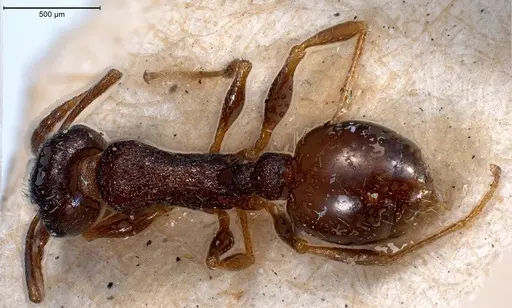
Literature
Loading distribution map...Loading products...