
Temnothorax bucheti
- Sci. Name
- Temnothorax bucheti
- Tribe
- Crematogastrini
- Subfamily
- Myrmicinae
- Author
- Santschi, 1909
- Distribution
- Found in 2 countries
Introduction
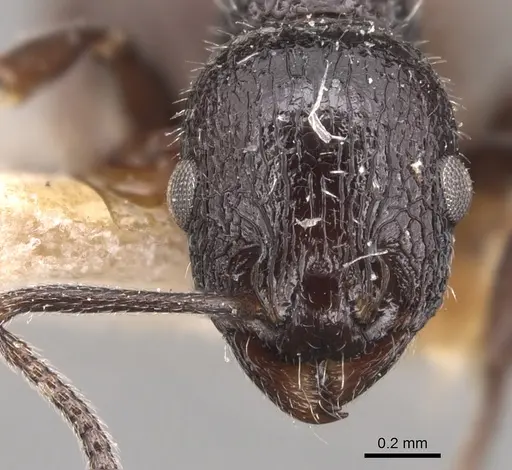
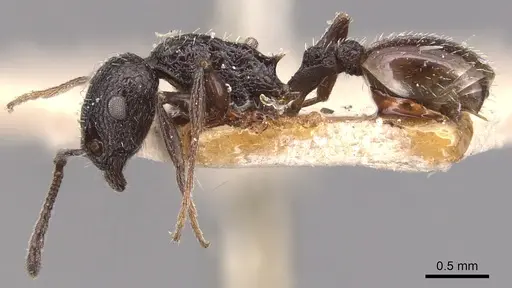
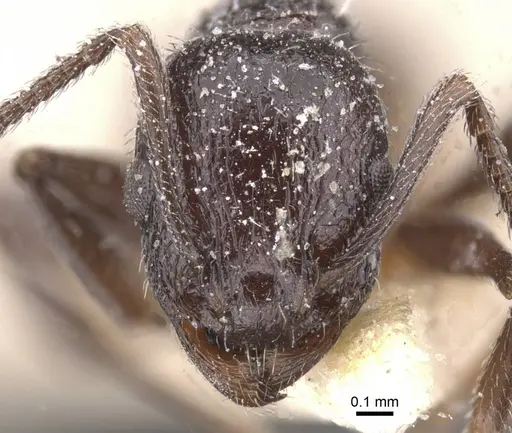
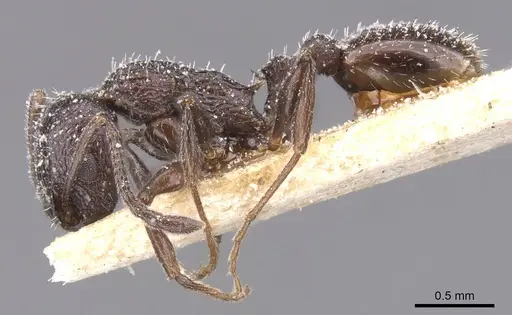
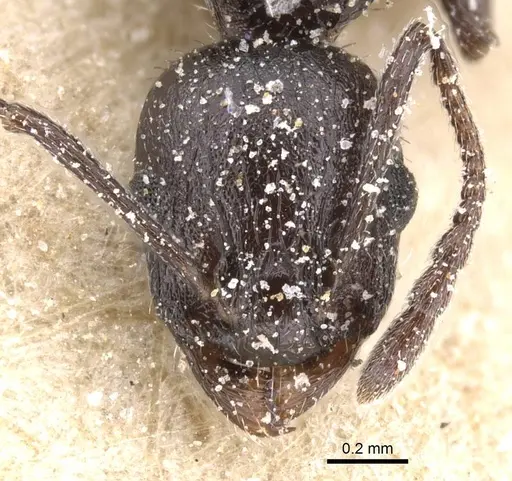
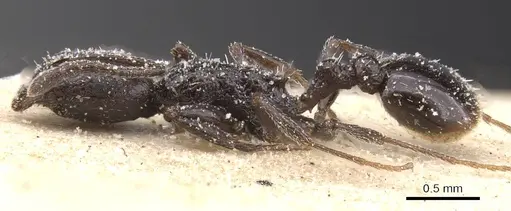
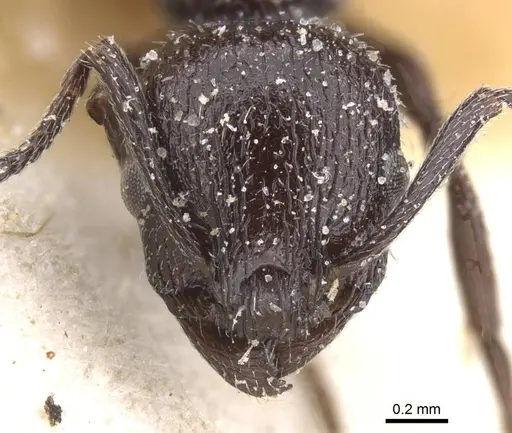
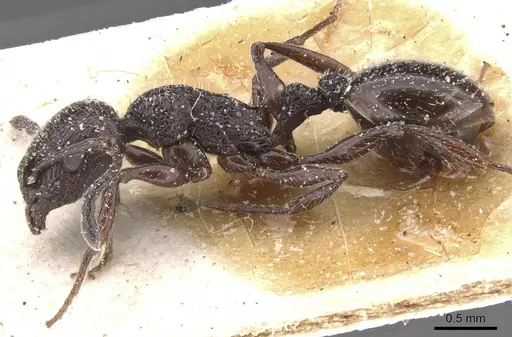
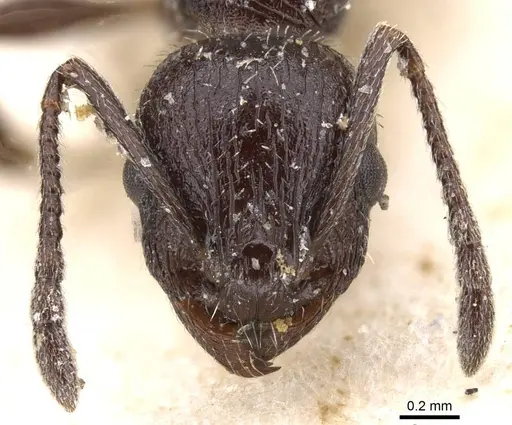
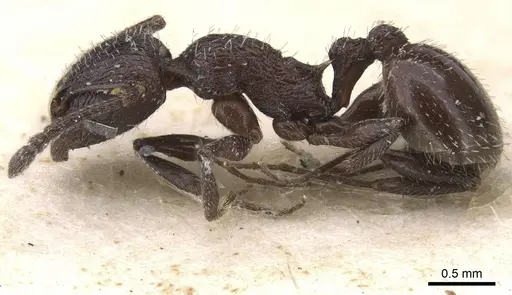
Temnothorax bucheti is a small ant from northwestern Africa, found in Algeria, Morocco, and Tunisia . Workers are tiny, about 3-4 mm, with medium-length propodeal spines and a smooth, shiny first gastral tergite, this helps tell them apart from similar species like T. bugnioni and T. pupseli . They live in Mediterranean habitats, nesting in small cavities like rotting wood or under stones. Like most Temnothorax, they form small, single-queen colonies and are a good choice for antkeepers interested in a less common Mediterranean species.
Quick Summary
- Difficulty: Medium
- Origin & Habitat: Northwestern Africa: Algeria, Morocco, Tunisia [1]. They inhabit Mediterranean and North African areas, nesting in small cavities in rotting wood, under stones, or in similar protected microhabitats.
- Colony Type: Single-queen colonies (monogyne), inferred from genus patterns. Possible ergatoid replacement reproductives, but not confirmed for this species.
- Size & Growth:
- Queen: ~5-6 mm, estimated from Temnothorax genus, size data unavailable for this species.
- Worker: ~3-4 mm, estimated from Temnothorax genus, size data unavailable for this species.
- Colony: Up to 200 workers, estimated based on genus patterns.
- Growth: Moderate
- Development: 6-10 weeks at 24-26°C, estimated from typical Temnothorax development [1]. (Temperature strongly affects speed, warmer conditions accelerate growth.)
- Antkeeping:
- Temperature: Keep at 22-26°C. They prefer warmth, so room temperature on the lower end may slow growth. A gradient with a heating cable on one side of the nest helps [1].
- Humidity: Moderate: keep nest substrate lightly moist but not wet. They prefer drier conditions than tropical species, reflecting their Mediterranean origin [1].
- Diapause: Yes, benefit from a winter rest period of 8-12 weeks at 10-15°C. Reduce feeding and avoid disturbance during this time [1].
- Nesting: Small, tight-fitting nests work best. Y-tong (AAC) or plaster nests with narrow chambers, or test tubes for founding. They like dark, enclosed spaces. Fine mesh needed to prevent escapes due to small size [1].
- Behavior: Peaceful and non‑threatening. They have a modified stinger used for smearing venom rather than piercing, so they pose no risk to humans. Workers are diurnal foragers, active and careful. Due to their tiny size, escape prevention is essential, use fine mesh and tight barriers. They are not aggressive and will flee rather than fight.
- Common Issues: tiny size makes escapes likely without fine mesh barriers., colonies can stagnate if kept too cold, maintain 22-26°C., overwatering leads to mold in their preferred drier conditions., wild‑caught colonies may carry parasites, quarantine before adding to permanent setup., slow founding phase may tempt beginners to abandon colonies prematurely.
Housing and Nest Setup
Temnothorax bucheti does best in small, enclosed nests that mimic natural cavities. A Y‑tong (AAC) formicarium with narrow chambers is ideal, the tight spaces make them feel secure and prevent the tiny workers from getting lost [1]. Test tube setups work well for founding colonies, but you may need to upgrade to a proper formicarium once the colony reaches 30-40 workers. Avoid tall, open spaces. Provide a small outworld for foraging. Use fine mesh on ventilation holes, as these ants can squeeze through tiny gaps.
Feeding and Diet
Like most Temnothorax, T. bucheti is omnivorous. Offer sugar water or diluted honey regularly, they eagerly take sweet liquids. For protein, provide small insects like fruit flies, pinhead crickets, or tiny mealworm pieces. They are not aggressive hunters, so prey should be small and easy to handle. Feed every 2-3 days and remove uneaten food after 24 hours to prevent mold. A constant sugar source (honey water) should be available between protein feedings [1].
Temperature and Seasonal Care
These Mediterranean ants prefer warmth, ideally 22-26°C. Room temperature (20-22°C) is acceptable but slows development. A heating cable on one side of the nest creates a beneficial gradient. During winter, give them an 8-12 week diapause at 10-15°C to mimic natural cycles. Reduce feeding and avoid disturbance during hibernation [1].
Colony Development and Growth
Colonies grow at a moderate pace when well fed and kept warm. A claustral founding queen seals herself in a small chamber and raises the first brood alone. First workers (nanitics) appear within 6-10 weeks at optimal temperature [1]. They are smaller than mature workers but start foraging to support further growth. Colonies rarely exceed 200 workers in captivity. Be patient during founding, this is the most vulnerable period.
Behavior and Temperament
Temnothorax bucheti is peaceful and harmless. Workers are active daytime foragers. They have a modified stinger that smears venom rather than piercing, so they pose no risk to you. When threatened, they prefer to flee. Their small size makes escape prevention vital. They use tandem running (one ant leading another) to guide nestmates to food, a common social behavior in Temnothorax [1].
Frequently Asked Questions
How long does it take for Temnothorax bucheti to raise first workers?
Expect 6-10 weeks from egg to first worker at 24-26°C. The queen seals herself in during founding and raises the first brood alone on stored reserves. The first nanitic workers are smaller but start foraging to support growth [1].
What do Temnothorax bucheti ants eat?
They are omnivorous. Offer sugar water or honey as a constant energy source, and provide small protein foods like fruit flies, pinhead crickets, or tiny mealworm pieces 2-3 times per week. Remove uneaten food after 24 hours to prevent mold [1].
Do Temnothorax bucheti ants need hibernation?
Yes, they benefit from a winter rest period of 8-12 weeks at 10-15°C. Reduce feeding during this time and avoid disturbing the colony. This diapause helps maintain long‑term colony health [1].
Can I keep multiple Temnothorax bucheti queens together?
No, this is a single‑queen (monogyne) species. They do not form multi‑queen colonies. Only keep one queen per colony [1].
Are Temnothorax bucheti ants good for beginners?
They are generally easy, but their tiny size requires careful escape prevention. They also need a winter diapause. If you can manage these, they are a rewarding species [1].
What size colony do Temnothorax bucheti reach?
Colonies typically reach up to 200 workers at maturity. This is typical for the genus. A healthy colony should reach this size within 1-2 years under good conditions [1].
Do Temnothorax bucheti ants sting?
No, they have a modified stinger used for smearing venom, not piercing. They pose no danger to keepers. If threatened, they flee [1].
What temperature is best for Temnothorax bucheti?
Keep them at 22-26°C. They prefer warmer conditions reflecting their Mediterranean origins. A slight gradient with one side warmer lets them choose their preferred spot [1].
When should I move my colony to a formicarium?
You can keep them in a test tube for founding. Once the colony reaches 30-40 workers and the test tube’s water reservoir is depleted, move them to a small Y‑tong or naturalistic setup. They do well in small enclosures [1].
Why is my Temnothorax bucheti colony not growing?
Common causes: temperatures below 20°C (slows development), insufficient protein, or stress from too much light or disturbance. Check that they have constant sugar and protein every few days, and keep temperatures in the 22-26°C range [1].
Report an Issue
The current care sheet is based fully on literature. See inconsistencies, or something that's incorrect? Please , it will be resolved after review from an admin. Contributing to the blogs tab also helps providing information, to make us be able to further improve the caresheets. Thank you for your support!
References

This caresheet is licensed under CC BY-SA 4.0 .
Community Blogs
CASENT0904733
View on AntWeb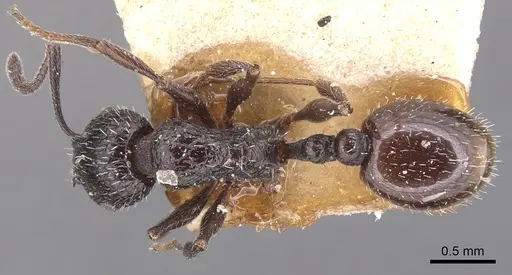
CASENT0912908
View on AntWeb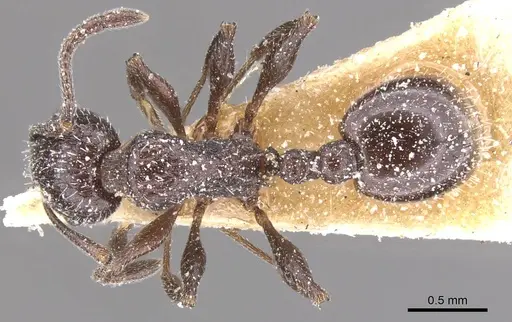
CASENT0912909
View on AntWeb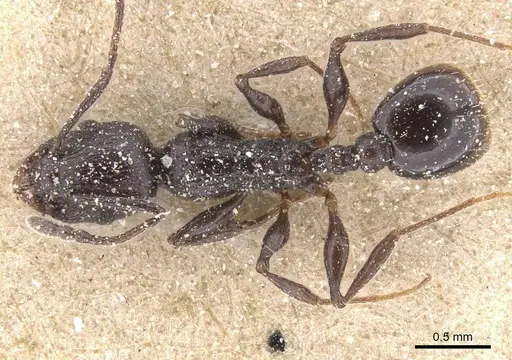
CASENT0912910
View on AntWeb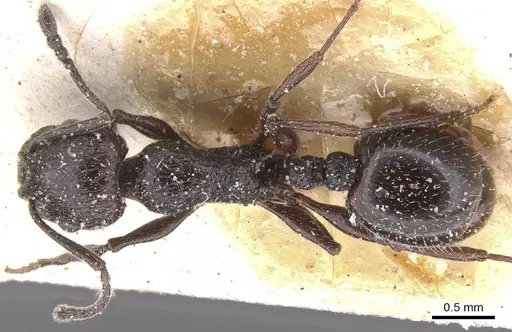
CASENT0912911
View on AntWeb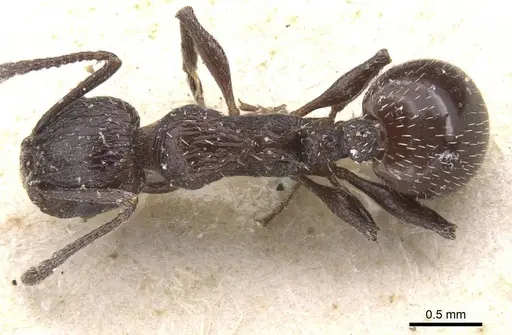
Literature
Loading distribution map...Loading products...