
Temnothorax aeolius
- Sci. Name
- Temnothorax aeolius
- Tribe
- Crematogastrini
- Subfamily
- Myrmicinae
- Author
- Forel, 1911
- Distribution
- Found in 1 countries
Introduction
Temnothorax aeolius is a tiny yellow to orange ant from the Temnothorax graecus group. Workers are very small (estimated total length around 2-3mm based on related species) . They have a darkened antennal club (brown to black), a low rounded petiolar node, and short triangular propodeal spines . The first gastral segment has a narrow brown band at the tip . This species is native to the eastern Mediterranean: Greece, Turkey, Bulgaria, and Cyprus. You'll find it in lowland Mediterranean maquis, deciduous forests, and rocky areas near the coast, from sea level up to about 140 meters . They are often collected by shaking bushes or sweeping vegetation, not from nests .
Quick Summary
- Difficulty: Medium
- Origin & Habitat: Eastern Mediterranean – Greece (Aegean islands, Halkidiki), Turkey (Izmir province), Bulgaria, and Cyprus. Lives in lowland Mediterranean maquis, deciduous forests, and rocky coastal areas from sea level to 140m altitude [3][1][2].
- Colony Type: Colony structure is unstudied, but likely single-queen (monogyne) based on typical Temnothorax patterns.
- Size & Growth:
- Queen: Unconfirmed – no queen measurements exist. Queens are probably 4-5mm based on related graecus-group members.
- Worker: Very small – estimated total length 2-3mm (based on head measurements of ∼0.5-0.7mm from the type series) [1].
- Colony: Not directly documented. Typical Temnothorax colonies reach up to a few hundred workers.
- Growth: Moderate – typical of small Temnothorax species.
- Development: Estimated 6-10 weeks at 24°C (based on related species). (Specific timing for T. aeolius is not documented – this is an inference from genus-level data.)
- Antkeeping:
- Temperature: Keep at 20-26°C, with 24°C ideal. A slight temperature gradient helps workers regulate [1]. This Mediterranean species doesn't tolerate cold.
- Humidity: Moderate – keep substrate lightly moist but allow surface to dry between waterings. These ants come from semi‑arid habitats, so avoid waterlogging [3].
- Diapause: Likely requires a mild winter rest of 2-3 months at 10-15°C, matching Mediterranean Temnothorax patterns. Not directly documented.
- Nesting: In nature, nests are unknown but likely in small cavities under stones, rock crevices, or dead twigs. For captivity, use a fine-grained Y-tong or plaster nest with small chambers scaled to their tiny size [3].
- Behavior: Docile, non‑aggressive ants. They have a modified stinger that smears venom rather than piercing – harmless to humans (subfamily Myrmicinae defense). Extreme escape risk due to tiny size – use fluon and fine mesh (≤0.5mm) on all openings.
- Common Issues: escape is the top risk – their tiny size lets them slip through gaps that contain larger ants, double‑check all seals and connections., mold from overfeeding can quickly ruin small nests, offer tiny amounts of food and remove leftovers after 24 hours., desiccation if substrate dries out completely – maintain a moisture gradient in the nest., slow colony growth may frustrate beginners – these are not fast‑growing ants.
Housing and Nest Setup
Because Temnothorax aeolius is so tiny, you need a nest with appropriately scaled chambers. A Y-tong (AAC) or plaster formicarium with narrow passages works well – these ants feel secure in tight spaces. Avoid large, open areas that can stress them. A test tube setup is fine for founding, but you may need a smaller diameter tube than standard. For a water source, use a test tube plugged with cotton to create a humidity gradient. The outworld must have fluon on all edges and fine mesh (0.5mm or smaller) on ventilation holes. These ants can squeeze through the smallest gaps, so seal every connection carefully [2][3].
Feeding and Diet
In the wild, T. aeolius forages on vegetation for honeydew and small insects [3]. In captivity, offer diluted honey or sugar water as a constant energy source. For protein, provide tiny prey – fruit flies, pinhead crickets, or small mealworm pieces. Because workers are tiny, you may need to cut prey into smaller bits or culture very small feeders. Feed small amounts every 2-3 days and remove any uneaten food promptly. Mold is a real risk in small nests, so keep it clean [3].
Temperature and Seasonal Care
This Mediterranean species prefers warmth: 20-26°C, with 24°C ideal. A gentle temperature gradient (e.g., using a small heat mat on one side of the nest) lets workers choose their comfort zone [1]. During summer, room temperature is often fine. In winter, consider offering a mild dormancy period of 2-3 months at 10-15°C to mimic Mediterranean winters. They come from lowland areas (4-50 m in Greece, -1 to 140 m in Cyprus) that don't get severe cold, so avoid freezing [1][2]. If your room drops below 18°C, a small heat pad can keep the nest warm.
Humidity and Water
Temnothorax aeolius lives in moderately humid to arid Mediterranean habitats [3]. Keep the nest substrate lightly moist but never waterlogged. Allow the surface to dry slightly between waterings to discourage mold. A connected water tube provides a humidity gradient – workers will cluster near the moist end if they need water. Condensation inside the nest should be minimal, too much moisture is as harmful as dryness. Their natural habitat includes coastal saline areas, so they tolerate some variation in moisture [3][1].
Colony Establishment and Growth
Starting a colony requires patience. If you have a founding queen, she will likely seal herself into a small chamber (if claustral) and raise the first workers on stored fat reserves. The initial brood takes several months to develop. First workers (nanitics) will be very small. Colony growth is typically slow – expect 6-10 weeks from egg to worker at optimal temperatures (estimated from related species, not directly documented for T. aeolius). Once established, colonies may reach several dozen to a few hundred workers over time. Do not disturb founding colonies unnecessarily – stress can cause the queen to abandon the brood [1].
Behavior and Observation
Despite their tiny size, T. aeolius are active ants that enjoy exploring their environment. They are docile and rarely sting – the modified stinger smears venom, but it's harmless to you. In the wild, they are often collected by sweeping vegetation, showing they actively forage on plants [3][2]. Their graecus‑group identity gives them distinctive traits like a darkened antennal club and low petiole. But beware: their small size makes them master escape artists. Always verify your barrier setups are secure [2].
Frequently Asked Questions
How long does it take for Temnothorax aeolius to develop from egg to worker?
The exact time isn't documented, but based on related small Temnothorax species, expect roughly 6-10 weeks from egg to first worker at 24°C.
What size colony does Temnothorax aeolius reach?
Colony size hasn't been directly documented. Inferred from related species, they likely reach up to a few hundred workers.
Do Temnothorax aeolius ants sting?
Yes, they have functional stingers, but because they are so tiny (estimated 2-3mm total length), the sting is negligible and harmless to humans.
Can I keep multiple Temnothorax aeolius queens together?
Colony structure hasn't been studied. Most Temnothorax are single‑queen (monogyne). Keeping multiple queens together is not recommended unless you have evidence they can coexist.
What temperature do Temnothorax aeolius need?
Keep them at 20-26°C, with 24°C ideal. This Mediterranean species prefers warm conditions, avoid cold [1].
Do Temnothorax aeolius need hibernation?
Likely yes – as a Mediterranean species, they probably benefit from a mild winter rest of 2-3 months at 10-15°C. This hasn't been directly documented but is consistent with other Mediterranean Temnothorax.
Are Temnothorax aeolius good for beginners?
Rated medium difficulty. They are docile and easy to feed, but their tiny size makes escape prevention challenging. Slow growth and small colony size may not be rewarding for beginners who want fast results. Best for keepers with some experience with small Myrmicinae.
What do Temnothorax aeolius eat?
They forage for honeydew and small insects in the wild [3]. In captivity, offer diluted honey or sugar water (constant) and tiny protein sources like fruit flies, pinhead crickets, or small mealworm pieces. Cut prey to appropriate sizes.
When should I move Temnothorax aeolius to a formicarium?
Wait until the colony is well‑established with at least a dozen workers before moving from a test tube. Use a small nest with appropriately scaled chambers – standard formicarium passages may be too large.
Why are my Temnothorax aeolius escaping?
Their extremely small size lets them slip through gaps that hold larger ants. Apply fluon on all edges, use fine mesh (≤0.5mm) on ventilation, seal every connection. Double‑check lids and tubing junctions [2].
Where is Temnothorax aeolius found in the wild?
Native to the eastern Mediterranean: Greece (Aegean islands, Halkidiki), Turkey (Izmir province), Bulgaria, and Cyprus. They live in lowland Mediterranean habitats (sea level to 140 m) like maquis, deciduous forests, and rocky coasts [1][2].
Is Temnothorax aeolius invasive anywhere?
No – this species is native to the eastern Mediterranean and has not been reported as invasive in any region [1][2].
Report an Issue
The current care sheet is based fully on literature. See inconsistencies, or something that's incorrect? Please , it will be resolved after review from an admin. Contributing to the blogs tab also helps providing information, to make us be able to further improve the caresheets. Thank you for your support!
References

This caresheet is licensed under CC BY-SA 4.0 .
Community Blogs
CASENT0763862
View on AntWeb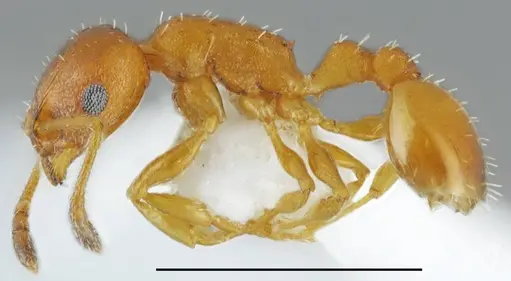
CASENT0909016
View on AntWeb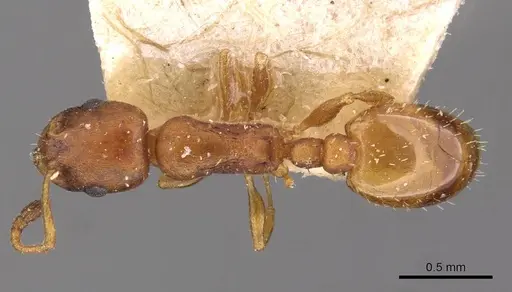
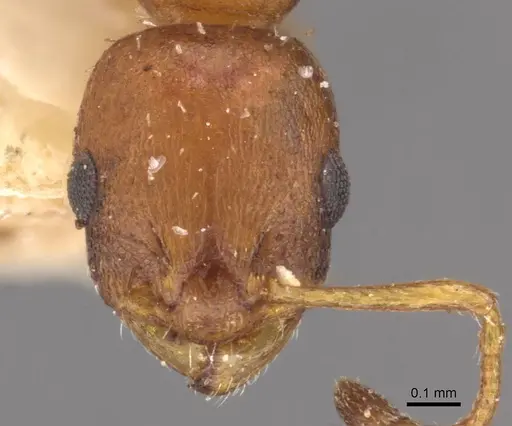
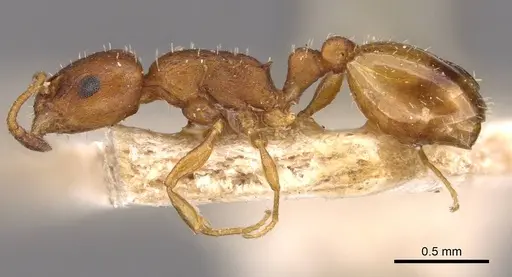
Literature
Loading distribution map...Loading products...