
Technomyrmex strenuus
- Sci. Name
- Technomyrmex strenuus
- Tribe
- Tapinomini
- Subfamily
- Dolichoderinae
- Author
- Mayr, 1872
- Distribution
- Found in 1 countries
Introduction
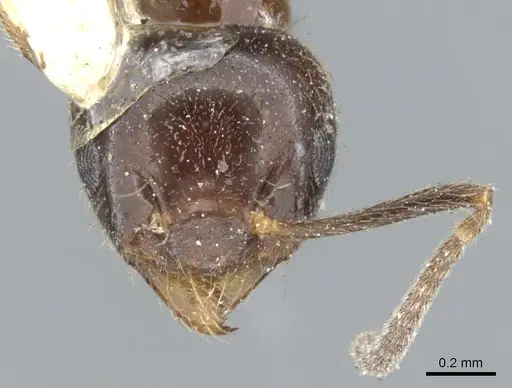
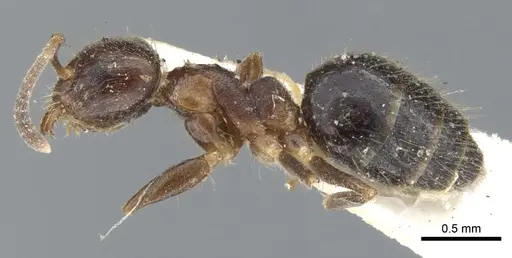
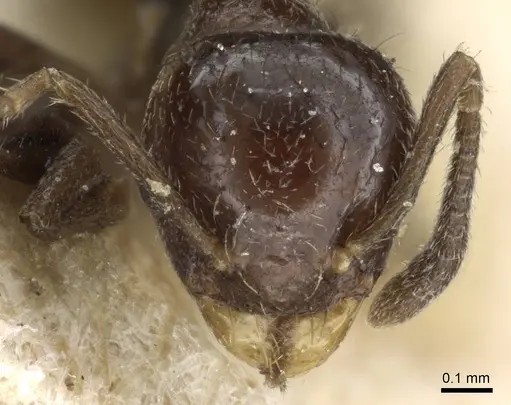
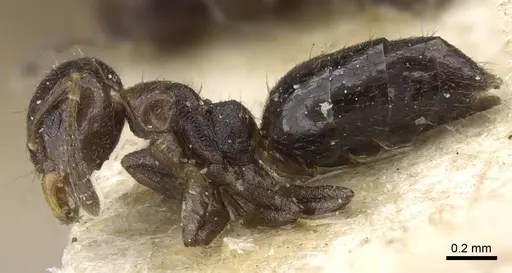
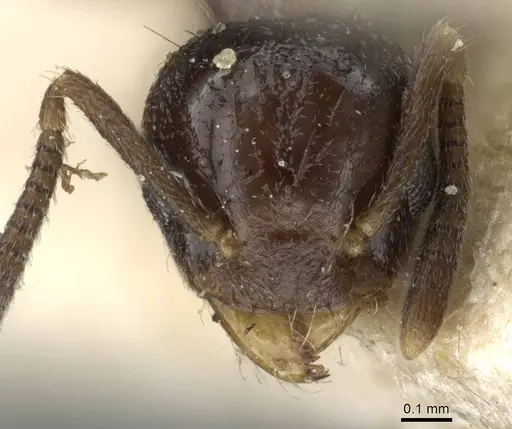
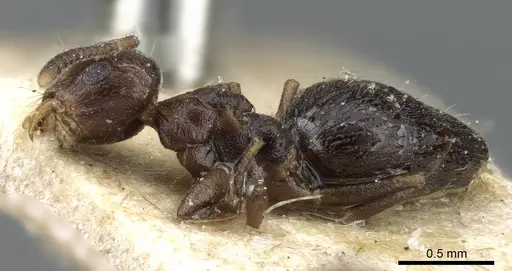
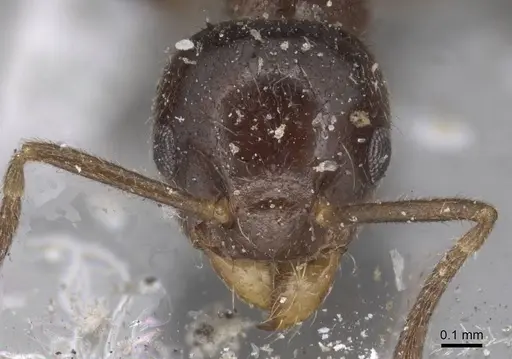
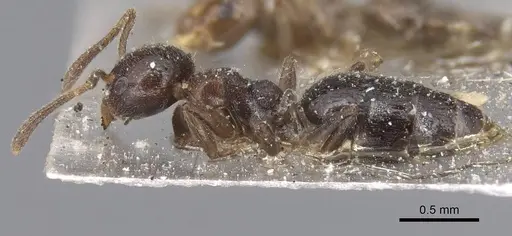
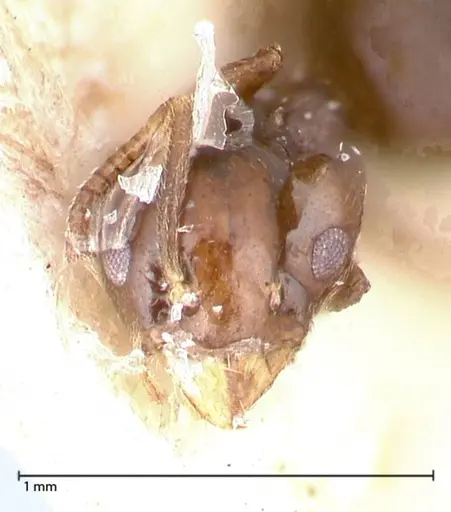
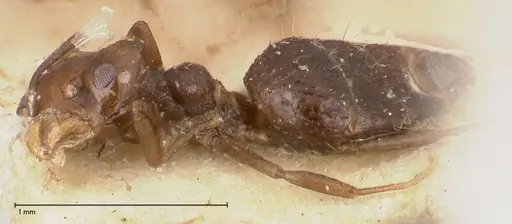
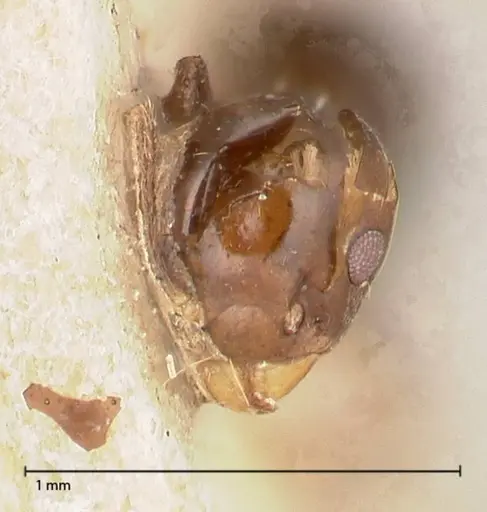
Technomyrmex strenuus is a small arboreal ant. Workers measure 2.38-2.44 mm total length, and ergatoid (wingless) queens reach 2.81-2.90 mm . It belongs to the *Technomyrmex strenuus* species group, characterized by dense erect setae covering the entire body, a glassy-smooth head capsule, and relatively short scapes . Workers are dark brown to black, with the mesosoma slightly lighter. The species is one of the rarest in its genus: only two wild colonies have ever been documented . *Technomyrmex strenuus* is native to the Indomalaya region, including Borneo, Malaysia, Singapore, and Thailand, where it constructs carton nests on the underside of leaves in lowland evergreen forests .
Quick Summary
- Difficulty: Hard
- Origin & Habitat: Native to the Indomalaya region – found in Borneo, Brunei, Indonesia, Malaysia, Singapore, and Thailand. This arboreal species constructs carton nests on the underside of leaves in lowland evergreen forests, specifically documented on *Diospyros* sp. (Ebenaceae) trees [1].
- Colony Type: Polydomous – colonies maintain multiple connected nests spread across tree leaves. An ergatoid (wingless) queen has been documented, possibly serving as a replacement reproductive if the primary queen dies [2]. Whether colonies are single-queen or multi-queen is unknown.
- Size & Growth:
- Queen: Ergatoid queen (wingless) with fully developed mesosomal sclerites, approximately 2.81-2.90 mm [1].
- Worker: 2.38-2.44 mm total length [1].
- Colony: Unknown – only two wild colonies have ever been documented [1].
- Growth: Unknown – no data available.
- Development: Unconfirmed – no direct studies exist. Based on related tropical Dolichoderinae ants, estimate 4-8 weeks at optimal temperatures. This is an estimate only. (No species-specific data, the timeline is inferred from genus-level patterns.)
- Antkeeping:
- Temperature: Tropical species requiring warm conditions. Start around 24-28°C and observe colony activity. They inhabit lowland evergreen forests in Southeast Asia, so aim for consistently warm temperatures without major fluctuations. (Inferred from habitat [2])
- Humidity: High humidity required – these ants live in rainforest environments and build carton nests that retain moisture. Keep the nest substrate consistently moist but not waterlogged. Provide high humidity around 70-80% to mimic their natural environment. (Inferred from habitat [2])
- Diapause: No – as a tropical species from Southeast Asia, they do not experience true hibernation. They may show reduced activity during cooler or drier periods, but this is not diapause. (Inferred from tropical origin [2])
- Nesting: Arboreal specialists – in captivity they will likely accept naturalistic setups with plant material or branches where they can construct carton-like structures. Y-tong (AAC) nests may work, but these ants prefer elevated, covered nesting sites. Provide multiple chambers and vertical space. Since they are polydomous, offering several connected nest areas may encourage natural colony structure. (Inferred from arboreal nester [2][1])
- Behavior: Generally calm and non‑aggressive, typical of many Dolichoderinae ants. Workers are small and active, foraging primarily in the canopy. They cannot sting – Dolichoderinae lack functional stingers and instead exude sticky, foul‑smelling chemicals from anal glands as a defense. Their tiny size (under 3 mm) makes escape prevention critical: they can squeeze through standard barriers. Use fine mesh (0.3 mm or smaller) and tight‑fitting lids. Workers are covered in dense erect setae (stiff hairs) that help them cling to surfaces. (Inferred from Dolichoderinae patterns and size [2][1])
- Common Issues: escape prevention is critical – tiny workers can slip through standard barriers, very rare in captivity with almost no husbandry information available, polydomous nature may require multiple connected nest sites, high humidity needs can lead to mold if ventilation is poor, tropical warmth requirements year‑round – no winter cooling possible
Housing and Nest Setup
Housing Technomyrmex strenuus is challenging because the species is one of the least studied in the hobby. It naturally builds carton nests on the underside of leaves – workers mix plant fibers and secretions to create papery structures [1]. In captivity, provide plenty of vertical space and plant material or branches where they can build. A Y‑tong (AAC) formicarium with added plant material, or a fully naturalistic terrarium‑style setup, works well. Since the species is polydomous (maintaining multiple connected nests), offering several small nest chambers connected by tubes may encourage natural colony behavior. Escape prevention is critical: these tiny ants (under 3 mm) can squeeze through gaps that seem impossibly small. Use fine mesh barriers, fluon on container rims, and check all connections regularly. The ergatoid (wingless) queen may also replace a primary queen if she dies [2].
Temperature and Humidity Requirements
As a tropical species from Southeast Asia’s lowland evergreen forests, T. strenuus needs warm, humid conditions year‑round. Maintain temperatures around 24‑28°C – avoid prolonged drops below 22°C. A small heating cable placed on top of the nest (not underneath) can help maintain these temperatures without drying out the nest. Humidity should be high, roughly 70‑80%, to mimic the damp canopy environment. The carton nest material they build helps retain moisture, but you should still monitor substrate dampness and mist as needed. Good ventilation is essential to prevent mold while maintaining humidity – aim for gentle air circulation rather than stagnant or overly dry conditions. (Humidity and temperature ranges inferred from habitat [2][1])
Feeding and Diet
Direct feeding studies for T. strenuus don’t exist, but related Technomyrmex species are generalist foragers that feed on honeydew, nectar, and small insects. Offer a varied diet: sugar sources (honey water, sugar water) and protein (small live or dead insects like fruit flies, pinhead crickets, mealworms). As tiny arboreal ants, they likely prefer liquid sugar sources and very small prey. Feed small amounts initially and remove uneaten food after 24‑48 hours to prevent mold in the humid setup. Since colony size is unknown and likely small, avoid overfeeding. Provide sugar water constantly via a soaked cotton ball or small container, and offer protein prey 2‑3 times per week. (Inferred from genus patterns [2])
Colony Structure and Social Organization
Technomyrmex strenuus is polydomous – a single colony maintains multiple nests across different locations, in the wild on separate leaves of the same tree [1]. The type series includes an ergatoid (wingless) queen, which may serve as a replacement reproductive if the primary queen dies [2]. Intercastes (individuals with mixed queen‑worker morphology) have also been documented [1]. Whether colonies are monogyne (single queen) or polygyne (multiple queens) is unknown. This combination of traits makes the species unusual, but almost nothing is known about its social dynamics under captive conditions.
Defense and Handling
Like all Dolichoderinae, T. strenuus lacks a functional sting. Instead, workers exude sticky, foul‑smelling chemicals from their anal glands as a deterrent. The venom apparatus has been studied morphologically [3][4], but the exact chemical composition hasn’t been identified for this species. These secretions can irritate skin but are not dangerous. When handling the colony, move slowly and avoid crushing workers, which triggers defensive releases. Their dense pilosity (covering of stiff hairs) helps them cling to surfaces, making them surprisingly good climbers. This, combined with their tiny size (under 3 mm), makes them accomplished escape artists – any gap in your barrier system will be exploited. Unlike some aggressive ants, T. strenuus workers are relatively calm and will flee rather than fight.
Frequently Asked Questions
How long does it take for Technomyrmex strenuus to develop from egg to worker?
The egg‑to‑worker development time is unconfirmed for T. strenuus – no scientific studies have documented their development timeline. Based on related tropical Dolichoderinae ants, estimate 4‑8 weeks at optimal temperatures (around 26°C). This is purely an estimate based on genus‑level patterns, not species‑specific data. [2]
Can I keep Technomyrmex strenuus in a test tube setup?
A test tube setup may work for founding colonies but is not ideal for established ones. This arboreal species naturally builds carton nests across multiple leaves, so it needs vertical space and the ability to construct nest material. A naturalistic setup with plant material or branches is more appropriate for long‑term housing. If using a test tube for founding, ensure excellent escape prevention – these tiny ants can escape through standard cotton plugs. [1]
How big do Technomyrmex strenuus colonies get?
Colony size is unknown – this is one of the rarest ant species ever documented, with only two wild colonies ever collected for scientific study [1]. Based on related arboreal Dolichoderinae, expect moderate‑sized colonies, likely under a few hundred workers. They are polydomous, so the colony may spread across multiple nest sites rather than concentrating in one large nest. [1]
Do Technomyrmex strenuus need hibernation or diapause?
No, hibernation is not required. As a tropical species from Southeast Asia’s lowland evergreen forests, they do not experience cold winters that would trigger diapause. Maintain warm temperatures (24‑28°C) year‑round. They may show reduced activity during naturally cooler or drier periods in their native range, but this is not a true hibernation. [2]
Are Technomyrmex strenuus good for beginners?
No, this species is not recommended for beginners. T. strenuus is one of the least‑studied ant species in the world – only two wild colonies have ever been documented scientifically [1]. There is no established husbandry information, and their arboreal, polydomous nature requires specialized setups. Additionally, their tiny size makes escape prevention challenging. This species is best left to experienced antkeepers who can provide the specialized care and experimental approach this poorly‑known species requires. [1]
What do Technomyrmex strenuus eat?
Based on genus‑level patterns for related Technomyrmex species, they are generalist foragers that accept sugar sources (honeydew, nectar, honey water) and small insects. Feed sugar water or honey water constantly via a soaked cotton ball, and offer small protein prey like fruit flies, small mealworms, or pinhead crickets 2‑3 times weekly. Remove uneaten food promptly to prevent mold in their humid setup. [2]
Can I keep multiple queens together in Technomyrmex strenuus?
Not recommended – combining unrelated queens of this species has not been documented. The species is polydomous (multiple nest sites), but whether this involves multiple queens is unknown. Ergatoid (wingless) queens exist and may serve as replacement reproductives within an established colony, but this is different from introducing multiple founding queens. Without data on colony‑founding behavior, keep one queen per colony. [2][1]
Why are my Technomyrmex strenuus escaping?
Escape is almost guaranteed without excellent prevention. Workers are tiny (2.38‑2.44 mm) and covered in dense stiff hairs that help them grip surfaces and squeeze through impossibly small gaps. Use fine mesh (0.3 mm or smaller), apply fluon to all rim surfaces, check all tube connections for gaps, and consider double‑barrier systems. Even standard test tube cotton plugs can be escaped through – use water barriers or tight‑fitting plugs instead. [1][2]
What makes Technomyrmex strenuus different from other ants?
It is one of the rarest ant species: only two wild colonies have ever been documented [1]. It has ergatoid (wingless) queens that may replace a primary queen [2]. It is polydomous, building multiple connected carton nests across tree leaves rather than a single nest [1]. The species belongs to a group of four closely related arboreal ants characterized by dense body pilosity and glassy‑smooth head capsules [2]. These traits make it unique, but also mean almost no husbandry guidance exists. [2][1]
Report an Issue
The current care sheet is based fully on literature. See inconsistencies, or something that's incorrect? Please , it will be resolved after review from an admin. Contributing to the blogs tab also helps providing information, to make us be able to further improve the caresheets. Thank you for your support!
References

This caresheet is licensed under CC BY-SA 4.0 .
Community Blogs
CASENT0903048
View on AntWeb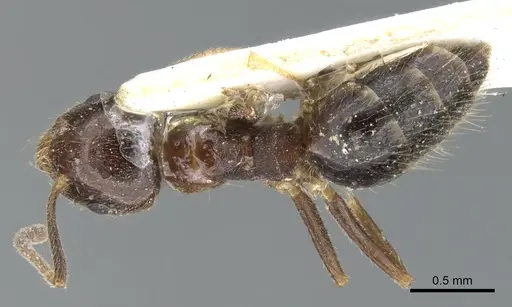
CASENT0905788
View on AntWeb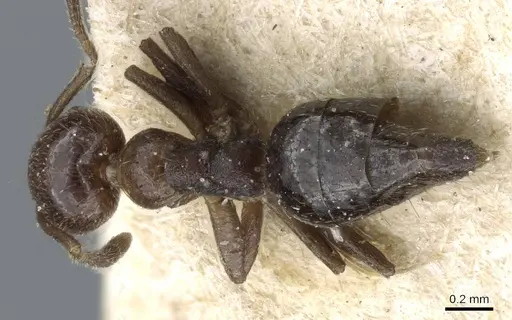
CASENT0905789
View on AntWeb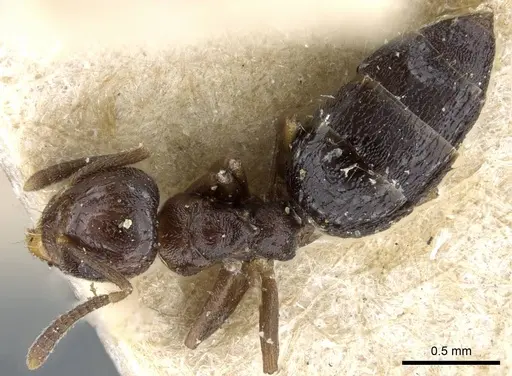
CASENT0915553
View on AntWeb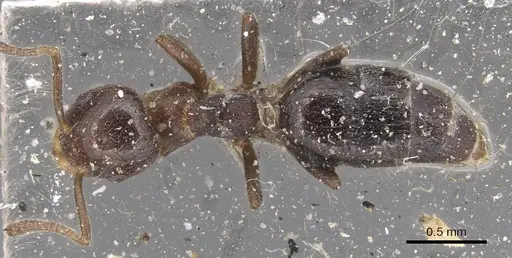
FOCOL0547-1
View on AntWeb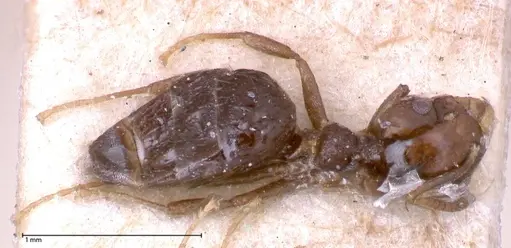
FOCOL0547-2
View on AntWeb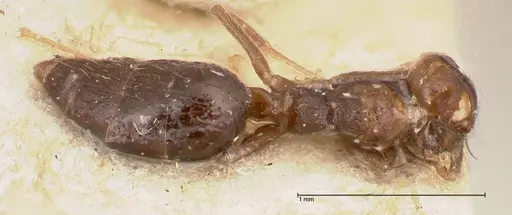
Literature
Loading distribution map...Loading products...