
Technomyrmex sophiae
- Sci. Name
- Technomyrmex sophiae
- Tribe
- Tapinomini
- Subfamily
- Dolichoderinae
- Author
- Forel, 1902
- Distribution
- Found in 1 countries
Introduction
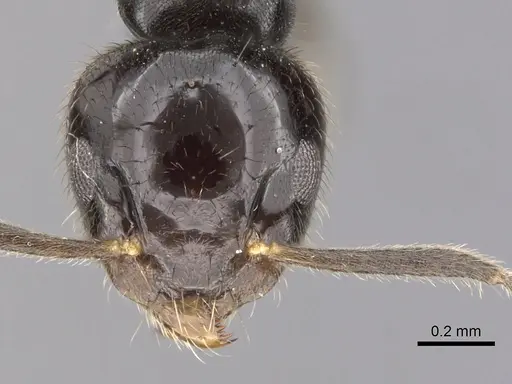
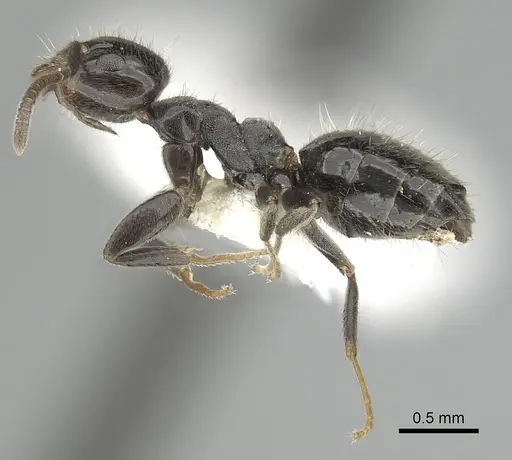
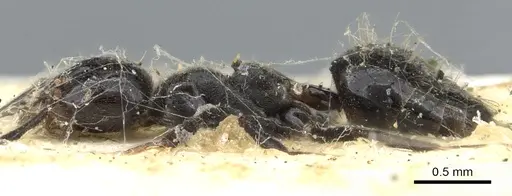
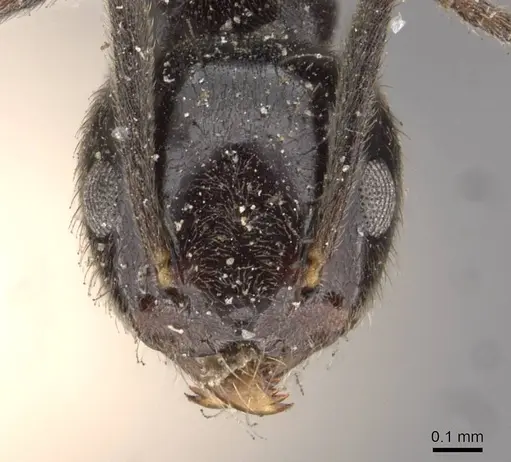
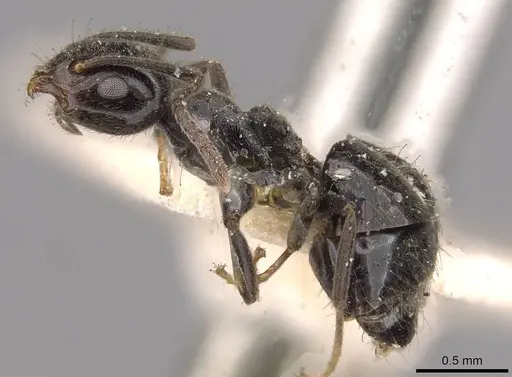
Technomyrmex sophiae is a small, dark ant native to the rainforests and mangroves of northern Queensland, Australia. Workers measure 2.8-3.1mm and are blackish-brown to black with distinctive yellow trochanters and tarsi . They belong to the Technomyrmex albipes group and are the most setose (hairy) of the three dark species in their complex - numerous long bristles cover the head, body, and gaster . This species produces worker-queen intercastes, meaning some workers develop queen-like characteristics . As a Dolichoderine ant, they lack a stinger and instead excrete sticky, foul-smelling compounds from anal glands when threatened. In their natural habitat, they have been documented attending the butterfly Hypochrysops digglesii in mangroves .
Quick Summary
- Difficulty: Medium
- Origin & Habitat: Northern Queensland, Australia, found in rainforest and mangrove habitats, collected from vegetation and leaf litter [1]
- Colony Type: Unconfirmed colony structure, the genus Technomyrmex is known to have both single-queen and multi-queen species, but specific structure for T. sophiae has not been documented
- Size & Growth:
- Queen: Not specifically measured for this species, related species in the complex have queen castes
- Worker: 2.8-3.1mm [1]
- Colony: Unknown, not documented in available literature
- Growth: Moderate, inferred from tropical rainforest habitat
- Development: 6-8 weeks estimated based on typical Dolichoderinae development in tropical conditions (Development timeline not specifically studied for this species, estimate based on genus patterns for tropical species)
- Antkeeping:
- Temperature: Keep at 24-28°C, inferred from Queensland rainforest origin. Use a heating cable on the side of the nest to create a gradient. Avoid fluctuations [1].
- Humidity: Keep the nest substrate consistently moist but not waterlogged. Rainforest and mangrove origin suggests high ambient humidity, cover part of the outworld or use a humid hide [1].
- Diapause: Unlikely, tropical species from Queensland does not require cold hibernation
- Nesting: Prefers humid nest setups, use Y-tong (AAC), plaster, soil nests, or 3D-printed nests with good moisture retention. They nest in vegetation and litter in the wild, so provide leaf litter or moss in the outworld. Avoid acrylic nests [1].
- Behavior: Generally non-aggressive Dolichoderine ants that avoid conflict rather than engage. They are small (under 4mm) so escape prevention is critical, use fine mesh and tight-fitting barriers. They forage for honeydew and small prey, often tending insects in their natural habitat. When threatened, they excrete sticky, foul-smelling compounds from anal glands, harmless to humans but unpleasant.
- Common Issues: high humidity is essential, dry conditions can kill the colony quickly, tiny size means they can escape through gaps under 1mm, use fine mesh and seal all openings, very little established care information available, expect to experiment, tropical temperature needs, room temperature below 24°C will slow growth or cause failure, wild-caught colonies may have parasites or disease, quarantine before adding to a permanent setup
Housing and Nest Setup
Technomyrmex sophiae needs high humidity to thrive. Good choices are plaster or Y-tong (AAC) nests with a built-in water reservoir, or a soil nest with a moist section. You can start a colony in a test tube, just keep the cotton damp and sealed to maintain humidity. Because these ants are tiny (under 4mm), escape prevention is vital. Use very fine mesh (0.3mm or smaller) on ventilation holes, and make sure the lid fits tightly. Apply fluon or PTFE barriers to the edges of the outworld. Provide a water source in the outworld, like a test tube with cotton, to boost ambient humidity [1].
Temperature and Heating
These ants come from tropical Queensland and need warm conditions. Aim for 24-28°C year-round. In cooler rooms, use a heating cable or mat on one side of the nest to create a gradient. Place the heating element on top or on the side, not underneath, to avoid drying out the nest too quickly. Monitor with a thermometer and avoid sudden temperature swings. If the colony seems sluggish, check the temperature first [1].
Feeding and Diet
In the wild, T. sophiae has been recorded attending the butterfly Hypochrysops digglesii, which suggests they feed on honeydew [1]. Provide a constant sugar source like diluted honey, sugar water, or a liquid ant feeder. For protein, offer small live or frozen prey such as fruit flies, pinhead crickets, or small mealworms. Feed protein 2-3 times per week. They may also accept egg yolk or commercially available ant food. Place food in a shallow dish in the outworld to avoid drowning [1].
Behavior and Temperament
Technomyrmex sophiae is calm and non-aggressive, they prefer to flee or hide rather than fight. As Dolichoderine ants, they cannot sting, but they excrete sticky, foul-smelling compounds from anal glands when threatened. This is harmless to humans but can be smelly. Their small size means they can slip through tiny gaps, so always use fine mesh and seal all openings. They are not known to be aggressive toward keepers or other colonies. Activity is moderate, they will forage actively when the nest is humid and warm [1].
Colony Development
This species produces worker-queen intercastes, some workers develop queen-like physical characteristics, a trait shared with related species like Technomyrmex quadricolor [1]. The colony likely grows at a moderate rate for a tropical Dolichoderine. Expect the first workers around 6-8 weeks after the queen lays eggs, though this timeline is estimated from related species. Colony size is not documented, but related Technomyrmex species can range from a few hundred to several thousand workers depending on conditions. Focus on stable warmth and humidity to encourage growth [1].
Frequently Asked Questions
How long does it take for Technomyrmex sophiae to produce first workers?
Estimated 6-8 weeks from egg to worker at optimal tropical temperatures (24-28°C). This timeline is based on typical Dolichoderinae development since specific data for T. sophiae is not available [1].
What temperature do Technomyrmex sophiae need?
Keep them at 24-28°C. These are tropical ants from Queensland rainforests that require warm conditions. Use a heating cable or mat on one side of the nest to maintain proper temperatures. Avoid letting it drop below 22°C [1].
Are Technomyrmex sophiae good for beginners?
This is not an ideal beginner species. They have specific high humidity needs, require warm tropical temperatures, and are rarely kept in the antkeeping hobby, meaning less established care information is available. Experienced keepers who can maintain stable humidity and heat may have success [1].
How big do Technomyrmex sophiae colonies get?
Colony size is not specifically documented for this species. Related Technomyrmex species can reach several hundred to a few thousand workers. They also produce worker-queen intercastes, which adds complexity to the colony structure [1].
What do Technomyrmex sophiae eat?
They likely feed on honeydew (they've been documented attending butterflies in the wild) plus small insects for protein. Offer sugar water or honey constantly and protein prey like fruit flies or pinhead crickets 2-3 times weekly [1].
Do Technomyrmex sophiae need hibernation?
No, being a tropical species from Queensland, Australia, they do not require hibernation or cold periods. Keep them warm year-round at 24-28°C [1].
Can I keep Technomyrmex sophiae in a test tube?
A test tube can work temporarily, especially during founding, if you keep the water section damp and the tube sealed to maintain humidity. For long-term housing, a plaster or Y-tong nest with a water reservoir is better because it provides stable moisture over time [1].
Why are my Technomyrmex sophiae dying?
Common causes include: low humidity (the nest is too dry), temperatures below 24°C, poor escape prevention allowing ants to wander and desiccate, or stress from disturbance. Check humidity and temperature first. Also ensure they have a constant sugar source [1].
Is Technomyrmex sophiae aggressive?
No, they are calm and non-aggressive. They avoid conflict rather than engage. However, they can excrete sticky, foul-smelling compounds when threatened, which is a mild irritant but not dangerous [1].
Report an Issue
The current care sheet is based fully on literature. See inconsistencies, or something that's incorrect? Please , it will be resolved after review from an admin. Contributing to the blogs tab also helps providing information, to make us be able to further improve the caresheets. Thank you for your support!
References

This caresheet is licensed under CC BY-SA 4.0 .
Community Blogs
CASENT0172036
View on AntWeb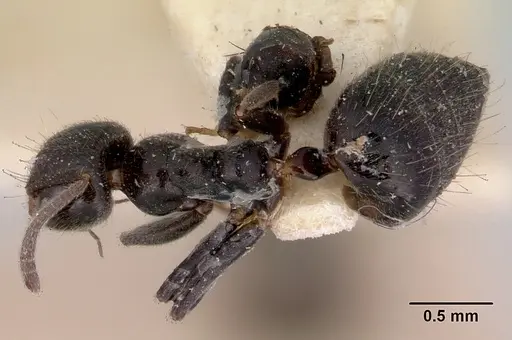
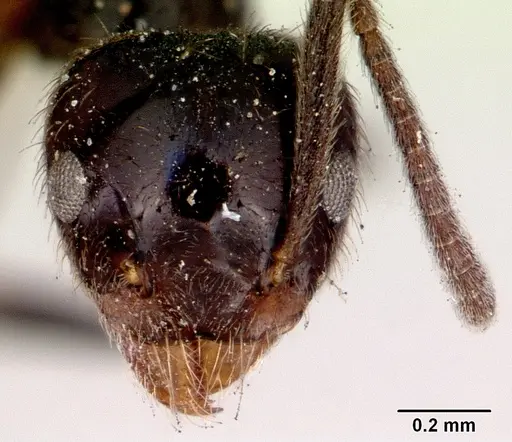
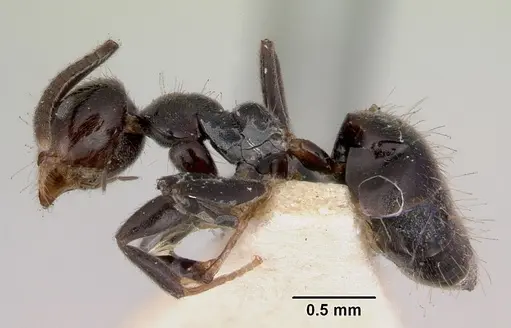
CASENT0249803
View on AntWeb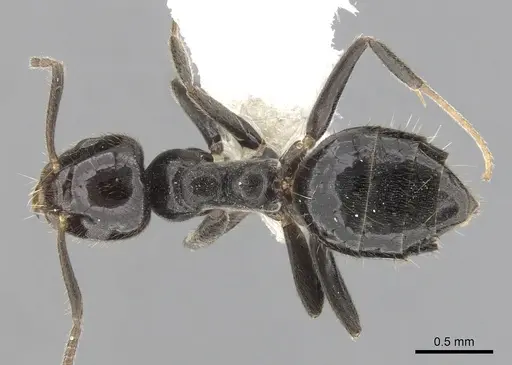
CASENT0903052
View on AntWeb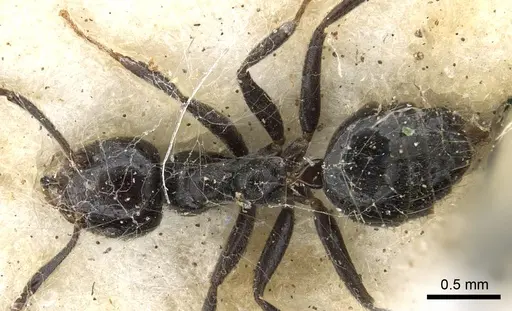
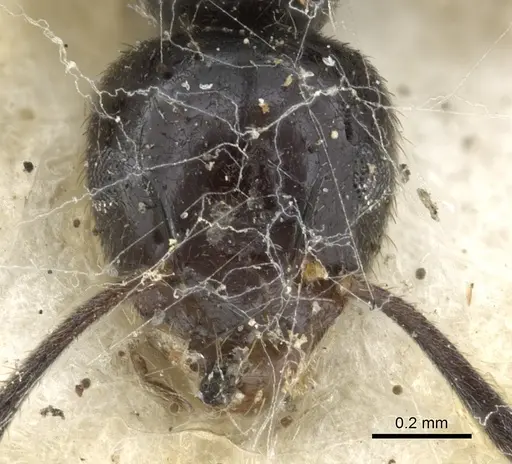
CASENT0909808
View on AntWeb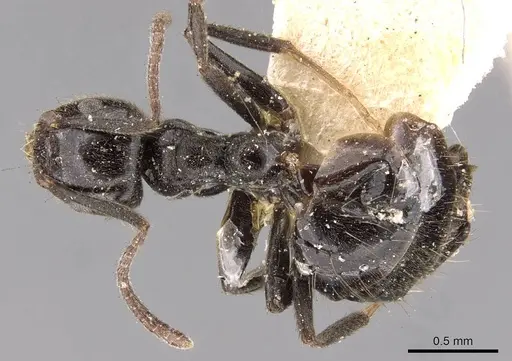
Literature
Loading distribution map...Loading products...