
Technomyrmex modiglianii
- Sci. Name
- Technomyrmex modiglianii
- Tribe
- Tapinomini
- Subfamily
- Dolichoderinae
- Author
- Emery, 1900
- Distribution
- Found in 3 countries
Introduction
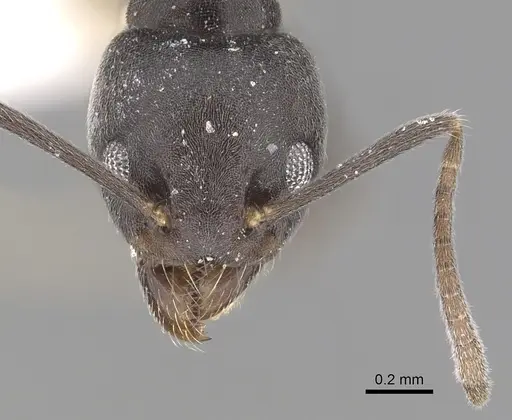
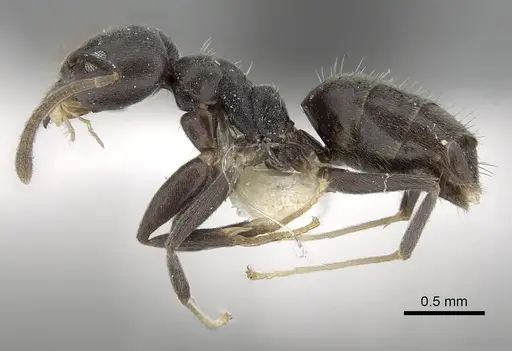
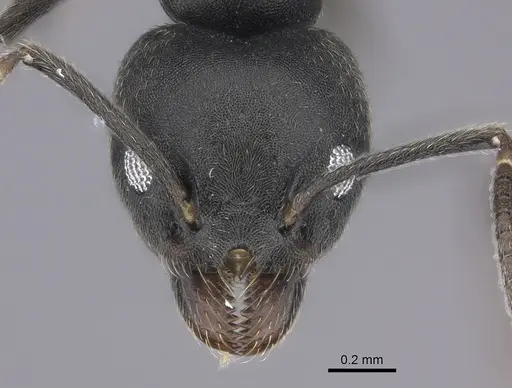
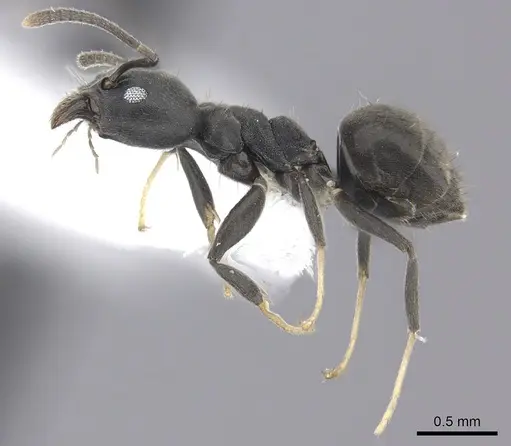
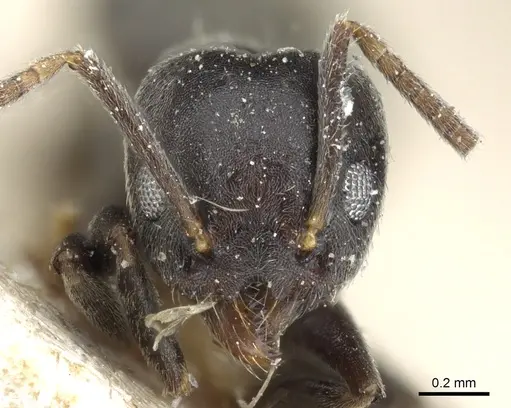
Technomyrmex modiglianii is a small ant from Southeast Asia. Workers are about 3.2-3.6 mm long , though some can be slightly smaller or larger . They are brown to dark brown and come in different sizes - the colony has strongly polymorphic workers . Intercaste forms (between worker and queen) have also been found . These ants live in mixed deciduous forests and rubber plantations . They nest in dead twigs, bamboo, leaf litter, and tree trunks . Most are collected from tree trunks and the forest canopy . Because they belong to subfamily Dolichoderinae, they have no sting. Instead, they defend by excreting a sticky, smelly chemical from their rear end [subfamily knowledge].
Quick Summary
- Difficulty: Easy
- Origin & Habitat: Native to the Indomalaya region: Bangladesh, Borneo, Brunei, Cambodia, Indonesia (Sumatra is the type locality), Laos, Malaysia, Thailand [1]. Found in lowland dipterocarp forests, mixed deciduous forests, and rubber plantations [3][4][1]. They are arboreal and often nest in dead plant material [1].
- Colony Type: Likely monogyne (single queen), but not confirmed. Intercaste forms (worker-queen intermediates) are present [1].
- Size & Growth:
- Queen: ~7.25 mm (based on a single queen from Thailand) [1]
- Worker: ~3.2-3.6 mm (Thailand specimens) [1], AntWiki gives a wider range 2.5-3.8 mm [2]
- Colony: Unknown, no colony size data available for this species.
- Growth: Moderate (estimated from tropical dolichoderine patterns)
- Development: Unknown, estimated 6-8 weeks at 24-28°C based on similar tropical species (No specific development studies for this species. Keep warm for fastest growth.)
- Antkeeping:
- Temperature: Tropical species, keep warm, ideally 24-28°C. They can tolerate brief drops but should not be below 20°C for long. Room temperature within this range works [2].
- Humidity: Prefer humid conditions. Keep the nest substrate consistently moist but not waterlogged. Mist the outworld occasionally [2].
- Diapause: No, as a tropical species they do not need hibernation. Keep conditions stable year-round [2].
- Nesting: Arboreal, provide vertical climbing structures (twigs, mesh, cork). They naturally nest in dead twigs, bamboo, and leaf litter [1]. Test tubes or Y-tong nests with moisture work well. Avoid acrylic nests.
- Behavior: Peaceful and non‑aggressive. Workers are active foragers and explore both horizontally and vertically. They lack a sting, instead they release a foul‑smelling defensive chemical when disturbed. Escape risk is moderate: workers are 2.5-3.8 mm and can squeeze through small gaps. Use Fluon or similar barriers [2].
- Common Issues: colonies may decline if kept too dry, they need consistent moisture., insufficient vertical climbing space can stress the colony (they are strongly arboreal)., temperatures below 20°C can slow growth or cause colony decline., small colony size means slow growth, patience is required., escape prevention is important due to their active foraging nature.
Housing and Nest Setup
For a founding queen, use a test tube setup with water at one end. Once the colony grows, move them to a formicarium with a connected outworld. The best nest types are Y‑tong (AAC), plaster, or soil nests, they hold moisture well. Provide vertical climbing material (cork bark, twigs, mesh) because these ants naturally forage on tree trunks and branches [1]. The nest area should be kept dark and humid. Use Fluon on the outworld rim to prevent escapes. Avoid acrylic nests as they don't hold moisture properly.
Feeding and Diet
Technomyrmex modiglianii is omnivorous with a strong preference for sugar. Provide a constant source of sugar water, honey, or diluted maple syrup. For protein, offer small insects such as flightless fruit flies, small crickets, or mealworms, feed 2-3 times per week. Remove uneaten prey after 24 hours to prevent mold. They also accept small dead insects. In the wild they likely forage on honeydew and plant sap [2]. Start with small portions, a small colony won't need much.
Temperature and Seasonal Care
As a tropical species from Southeast Asia, keep the nest at 24-28°C for best growth and activity. They can handle short periods slightly outside this range, but prolonged cold below 20°C will stress the colony. No hibernation needed, keep them warm all year. If your room temperature stays in the 24-28°C range, no extra heating is required. Otherwise, use a small heat cable on one side of the nest to create a gradient. Avoid placing the nest near air conditioners or drafty windows [2].
Colony Development and Growth
The founding behavior of this species is not well studied. In captivity, a queen will begin laying eggs in a test tube. The first workers emerge after an unknown period, probably 6-8 weeks at 24-28°C based on similar species. As the colony grows, you'll notice strong worker polymorphism: some workers are much larger than others [1]. Intercaste individuals (somewhere between worker and queen) have also been recorded [1]. Growth is moderate, a well‑fed colony will increase steadily.
Behavior and Temperament
They are calm and curious ants. Workers actively explore their surroundings, both on the ground and on vertical surfaces. They do not sting. Instead, they release a sticky, smelly defensive chemical from their abdomen if threatened, this can be irritating but is not dangerous. They are not aggressive and usually retreat rather than attack. Their moderate size and constant activity make them fun to watch. They communicate with chemical trails, so you'll see columns of workers moving to food. They are not known to bite people. [2]
Frequently Asked Questions
Is Technomyrmex modiglianii good for beginners?
Yes, it's a good choice for beginners. They are easy to care for, no hibernation required, they accept a wide variety of foods, and they are not aggressive. The main things are keeping them warm (24-28°C) and humid. They are forgiving of small mistakes, but since founding behavior is unconfirmed, buying an established colony is safer than starting from a queen [2].
How long does it take for the first workers to emerge?
There are no specific studies, but based on similar tropical ants, first workers probably appear after 6-8 weeks at 24-28°C. Keep the queen warm and undisturbed. The exact time depends on temperature.
What do Technomyrmex modiglianii eat?
They are omnivores with a sweet tooth. Give them sugar water, honey, or maple syrup always. For protein, offer small insects like fruit flies, tiny crickets, or mealworms 2-3 times a week. They will also scavenge dead insects. In the wild they probably eat honeydew from aphids and small arthropods [2].
Can I keep multiple queens together?
Probably not. Most Technomyrmex species are monogyne (single queen). There's no evidence that T. modiglianii can share a colony. It's safest to keep one queen per nest. If you try to combine unrelated queens, they will likely fight. Wait for the first workers to confirm a single queen colony [2].
Do they need hibernation?
No, as a tropical species they do not need diapause or a winter rest. Keep them at 24-28°C all year. Cooler temperatures will just slow them down. Never let them get below 18°C [2].
How big do colonies get?
Colony size is unknown for this species. Related Technomyrmex can reach a few hundred workers. With good care, a mature colony might contain several hundred ants. Their polymorphic workers add visual variety as the colony grows [2].
What type of nest should I use?
Start with a test tube for the queen. For bigger colonies, use a Y‑tong (AAC), plaster, or soil formicarium. These hold moisture well. Provide climbing structures (cork, twigs) since they are arboreal. Avoid acrylic nests, they don't keep humidity. Keep the nest dark [2].
Why are my ants dying?
Common reasons: temperature too low (below 20°C), nest too dry, poor ventilation causing mold, or too much disturbance. Check that the nest is warm (24-28°C) and the substrate is moist but not wet. Also ensure they have both sugar and protein. If you caught a wild queen, she may have parasites, buy from a reliable source if possible [2].
Are they escape artists?
They are moderately likely to escape. Workers are about 3 mm, small enough to find tiny cracks. Use Fluon on outworld edges, secure all tubing connections, and use a tight fitting lid. They are most likely to try escaping if conditions are too dry or if they are disturbed often [2].
Report an Issue
The current care sheet is based fully on literature. See inconsistencies, or something that's incorrect? Please , it will be resolved after review from an admin. Contributing to the blogs tab also helps providing information, to make us be able to further improve the caresheets. Thank you for your support!
References

This caresheet is licensed under CC BY-SA 4.0 .
Community Blogs
CASENT0249795
View on AntWeb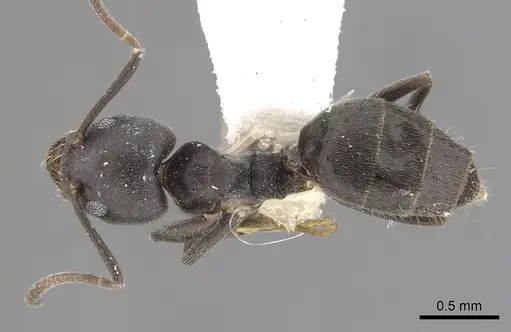
CASENT0616940
View on AntWeb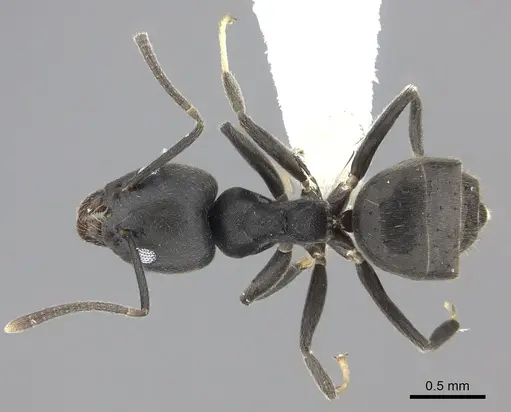
CASENT0905065
View on AntWeb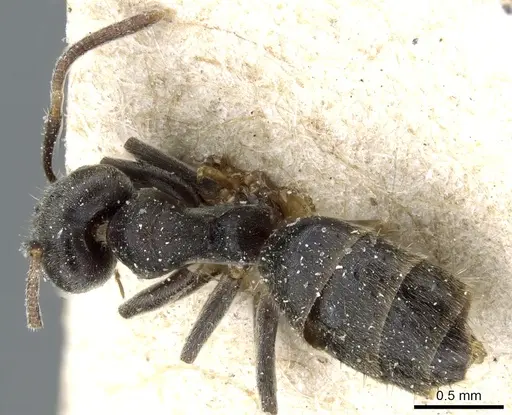
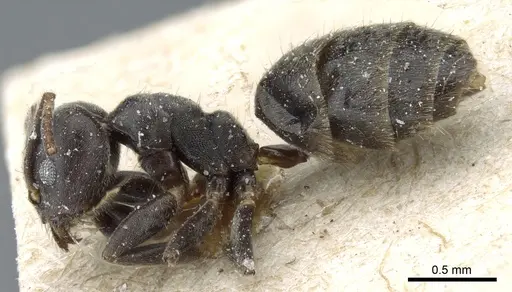
CASENT0909805
View on AntWeb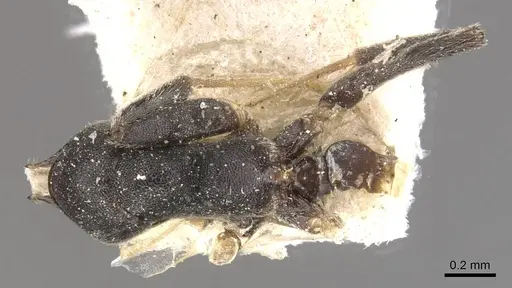
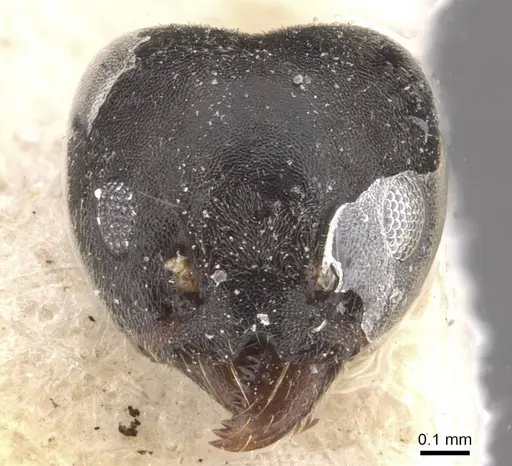
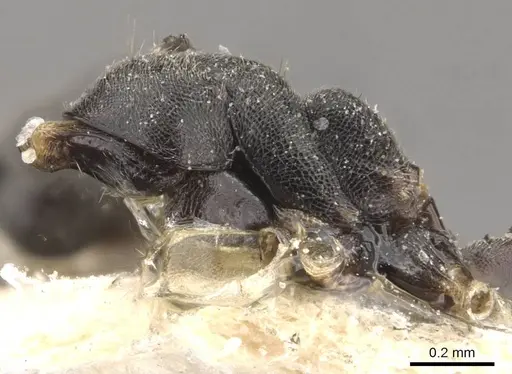
Literature
Loading distribution map...Loading products...