
Technomyrmex metandrei
- Sci. Name
- Technomyrmex metandrei
- Tribe
- Tapinomini
- Subfamily
- Dolichoderinae
- Author
- Bolton, 2007
- Distribution
- Found in 1 countries
Introduction
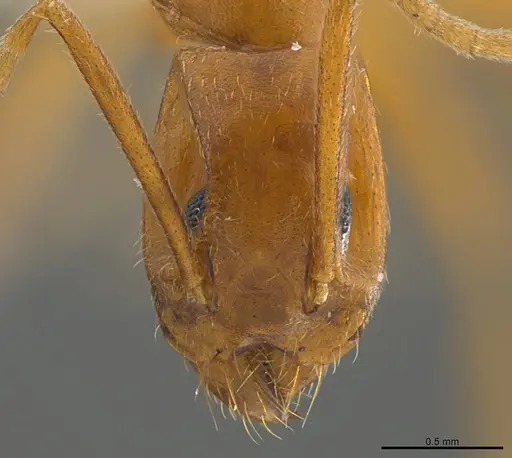
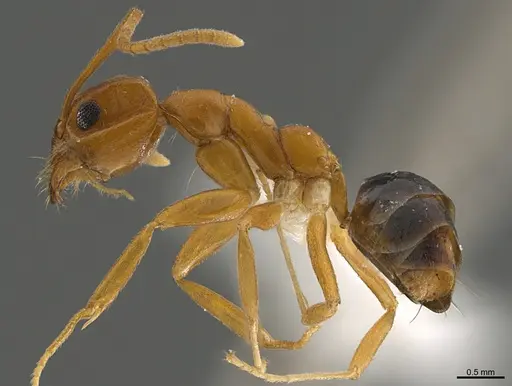
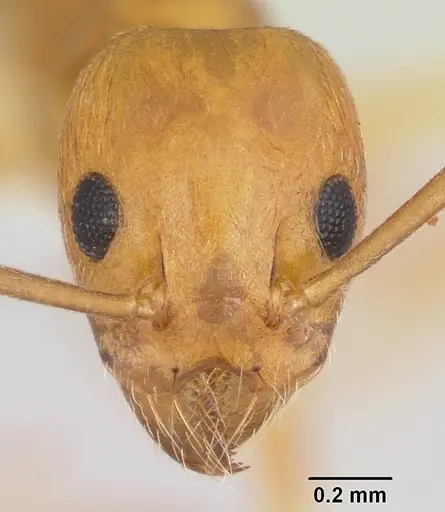
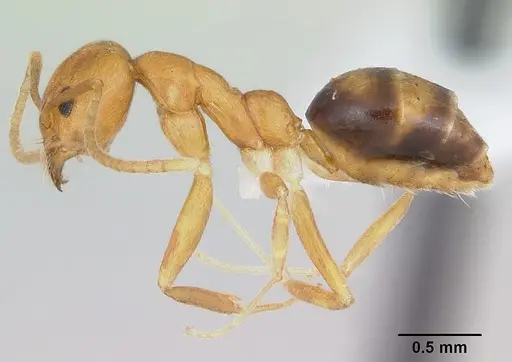
Technomyrmex metandrei is a small ant species from the Dolichoderinae subfamily, recorded only in Ituri province, Democratic Republic of Congo . Workers are dark-colored and tiny, around 2-4 mm, inferred from related species . Like others in its subfamily, it has no functional stinger. Instead, it exudes a sticky, foul-smelling substance from anal glands when threatened . Almost nothing is known about its natural history, but it likely lives in tropical forests, nests in soil or rotting wood, and tends honeydew-producing insects, common behaviors in the genus.
Quick Summary
- Difficulty: Easy/Medium
- Origin & Habitat: Democratic Republic of Congo, Ituri province, likely tropical forest [1]
- Colony Type: Unconfirmed, not documented for this species.
- Size & Growth:
- Queen: Estimated ~5-7 mm based on related Technomyrmex species [2]
- Worker: Estimated ~2-4 mm based on related species [2]
- Colony: Unknown for this species. Related Technomyrmex species can reach several hundred workers.
- Growth: Moderate, inferred from typical tropical Dolichoderinae.
- Development: Estimated 6-8 weeks at warm temperatures, based on related species [2] (No direct data for this species. Timeline is a rough guide.)
- Antkeeping:
- Temperature: Keep at 24-28°C. This is inferred from its tropical origin [1]. Avoid drops below 20°C.
- Humidity: Keep substrate consistently moist but not waterlogged. High humidity (around 70-80%) is typical for tropical forest dwellers [2].
- Diapause: No, tropical species from the DRC should not need winter cooling. Keep warm year-round [1].
- Nesting: Use a naturalistic setup with moist soil, Ytong, or plaster nests. They prefer stable humidity and adapt to various nest types [2].
- Behavior: Technomyrmex ants are generally calm and non-aggressive in captivity. Workers are active foragers that favor sugar sources (honeydew, sugar water). They rarely bite and are not dangerous, but they can escape through tiny gaps, use fine mesh (0.5 mm or smaller) and fluon barriers. Avoid handling, they may release a smelly defensive secretion if crushed. Suitable for beginners who can manage escape prevention.
- Common Issues: escape prevention is critical, tiny workers can squeeze through standard gaps, use fine mesh and fluon., humidity can drop quickly in dry climates, use water reservoirs and check often., tropical species may slow down or die if kept below 20°C for extended periods., wild-caught colonies may carry mites or parasites, quarantine new colonies., overfeeding sugar can cause mold in the nest, remove uneaten liquids within 24 hours.
Temperature and Care
As a tropical species from the DRC, Technomyrmex metandrei likely needs warm conditions. Keep the nest at 24-28°C [2]. Use a heating cable on one side to create a gradient. Avoid drafty windows or air conditioning, temperature fluctuations can harm brood. Room temperature (low 20s°C) may be acceptable if stable, but warmer speeds growth. If temperatures drop below 20°C for days, the colony may become sluggish or die [1].
Feeding and Diet
Technomyrmex species are sugar specialists. Offer a constant supply of diluted honey or sugar water (1:3 ratio). They also accept small insects like fruit flies, pinhead crickets, or mealworms as protein, feed 2-3 times per week. Remove uneaten prey after 24 hours to prevent mold. Fresh water should always be available [2]. Some keepers successfully introduce aphids to provide honeydew, but this is optional.
Humidity and Nesting
These ants come from a humid tropical forest. Keep the nest substrate consistently moist, like a wrung-out sponge, but not waterlogged. A test tube with a water reservoir works well for founding. For larger colonies, use a Ytong or plaster nest with a water reservoir, or a soil setup that holds moisture. Ensure some ventilation to prevent mold. Avoid fully sealed containers [2].
Behavior and Temperament
Technomyrmex metandrei is calm and rarely defensive. Workers do not sting, they may release a sticky, foul-smelling secretion if crushed or severely threatened [2]. In captivity, they ignore keeper observation and focus on foraging. The main challenge is their small size, they can slip through tiny gaps. Apply fluon to nest edges and use fine mesh (0.5 mm) on all openings. They are not aggressive toward humans and are safe to keep.
Colony Growth and Development
Colony growth is moderate. Based on related species, founding queens raise the first brood alone (likely claustral, though unconfirmed). First workers (nanitics) are expected within 6-8 weeks at 24-28°C [2]. Colonies may reach several hundred workers over time. Growth depends on temperature and protein feeding. Once established, they are resilient.
Frequently Asked Questions
How long does it take for Technomyrmex metandrei to produce first workers?
Based on related species, first workers emerge about 6-8 weeks after the queen lays eggs, if kept at 24-28°C. This is an estimate, no direct studies exist [2].
What do Technomyrmex metandrei ants eat?
They prefer sugar sources: sugar water, diluted honey, or honeydew. They also accept small insects (fruit flies, pinhead crickets, mealworms) as protein. Offer sugar constantly and protein 2-3 times per week [2].
Can I keep Technomyrmex metandrei in a test tube?
Yes, test tubes work for founding. Use a water reservoir and cotton plug to create a humid chamber. Monitor humidity as test tubes can dry out. Transfer to a larger formicarium when colony reaches 50-100 workers [2].
Do Technomyrmex metandrei need hibernation?
No, as a tropical species from the DRC, they should not be cooled. Keep at 24-28°C year-round. Extended drops below 20°C can be harmful [1].
Are Technomyrmex metandrei good for beginners?
Yes, they are calm, non-stinging, and have simple dietary needs. The main challenges are escape prevention (tiny workers) and humidity maintenance. A beginner who can set up fine mesh and stable warmth should succeed [2].
How big do Technomyrmex metandrei colonies get?
Colony size is not documented for this species. Related Technomyrmex species can reach several hundred workers. Expect a similar size, but no exact data exists [2].
Why are my Technomyrmex metandrei escaping?
Their small size enables escape through gaps many keepers overlook. Use fluon on nest edges, ensure tight lids, and cover ventilation holes with mesh (0.5 mm or finer). Inspect regularly for new gaps [2].
When should I move my colony to a formicarium?
Transfer from the founding test tube to a formicarium when the colony has 50-100 workers or the test tube shows mold/drying out. A Ytong or naturalistic nest works well [2].
Can I keep multiple Technomyrmex metandrei queens together?
The colony structure is unconfirmed. Most Technomyrmex species are monogyne (single queen). Without evidence, do not combine queens [2].
Report an Issue
The current care sheet is based fully on literature. See inconsistencies, or something that's incorrect? Please , it will be resolved after review from an admin. Contributing to the blogs tab also helps providing information, to make us be able to further improve the caresheets. Thank you for your support!
References

This caresheet is licensed under CC BY-SA 4.0 .
Community Blogs
CASENT0420688
View on AntWeb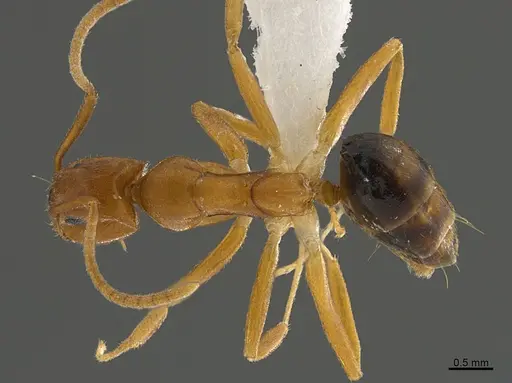
CASENT0424010
View on AntWeb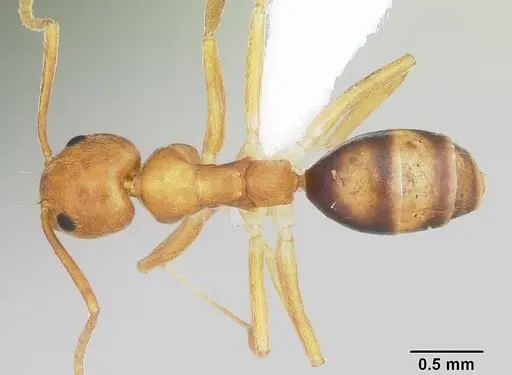
Literature
Loading distribution map...Loading products...