
Technomyrmex mayri
- Sci. Name
- Technomyrmex mayri
- Tribe
- Tapinomini
- Subfamily
- Dolichoderinae
- Author
- Forel, 1891
- Distribution
- Found in 1 countries
Introduction
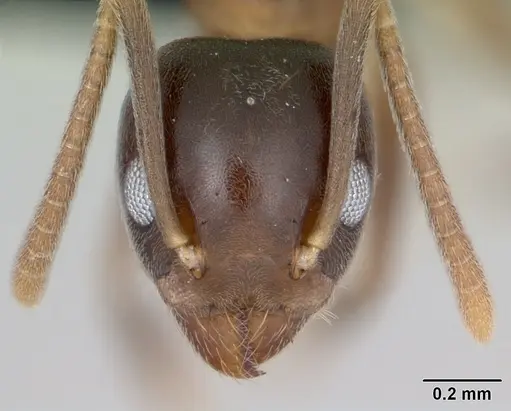
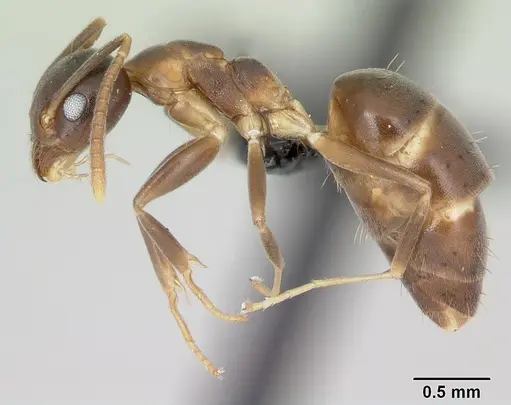
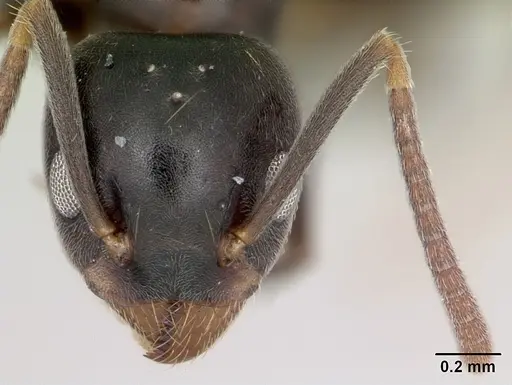
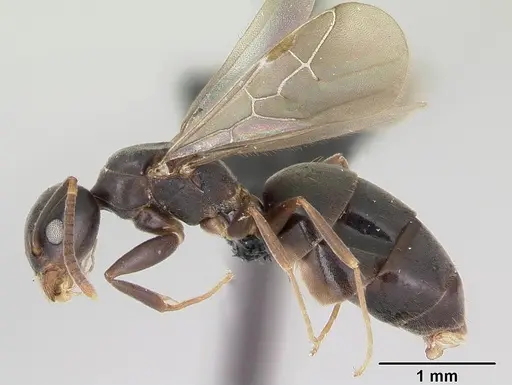
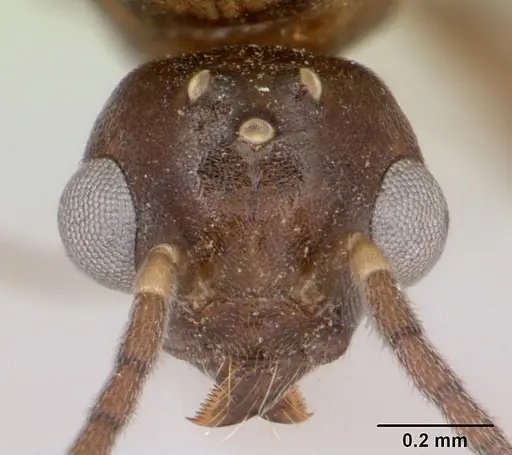
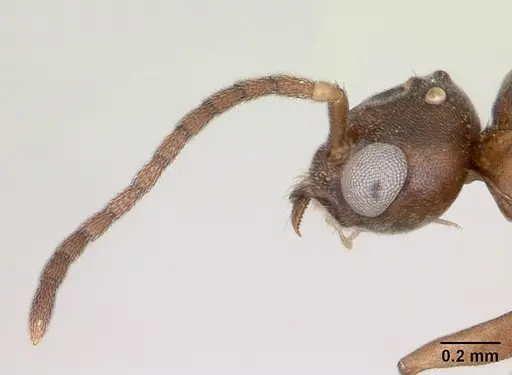
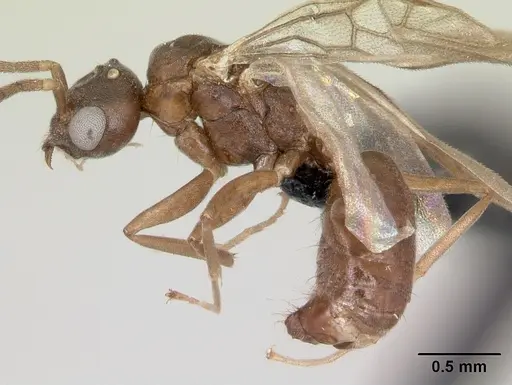
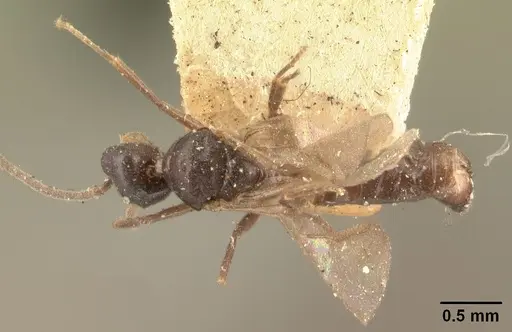
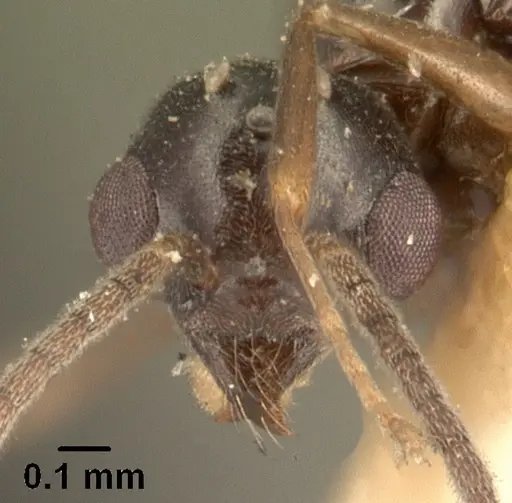
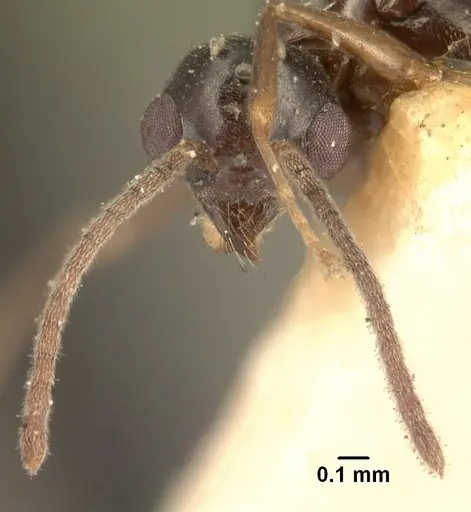
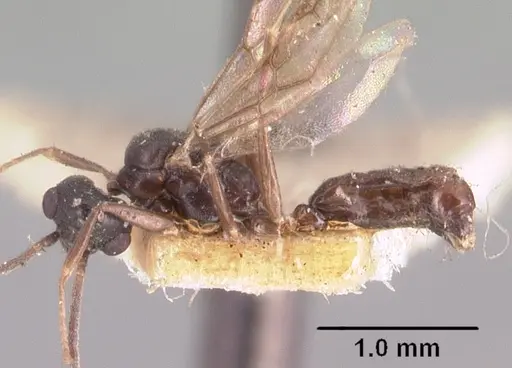
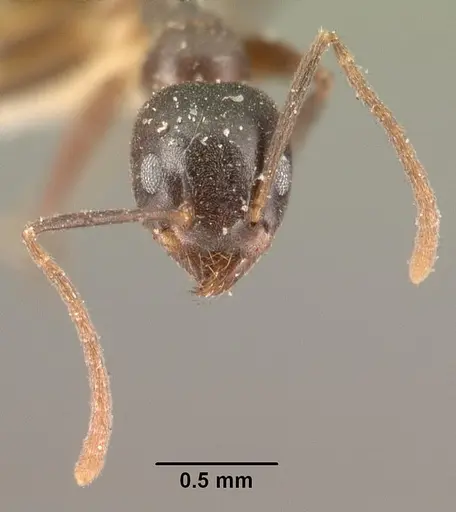
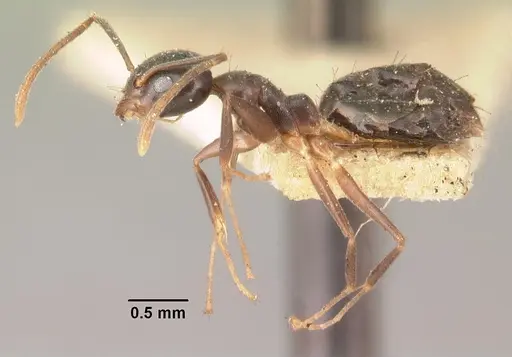
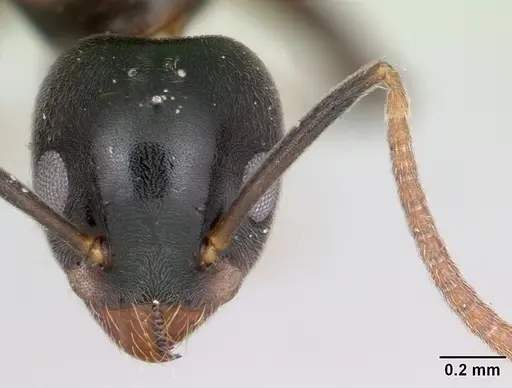
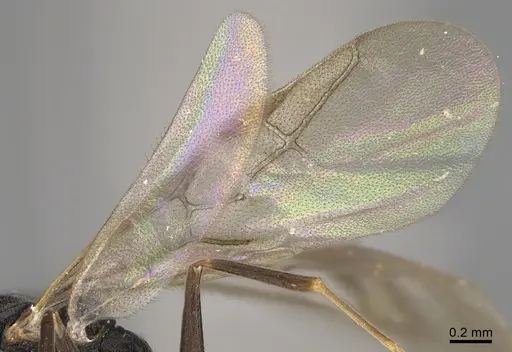
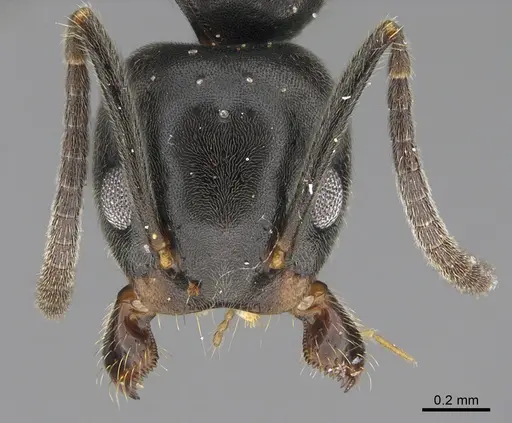
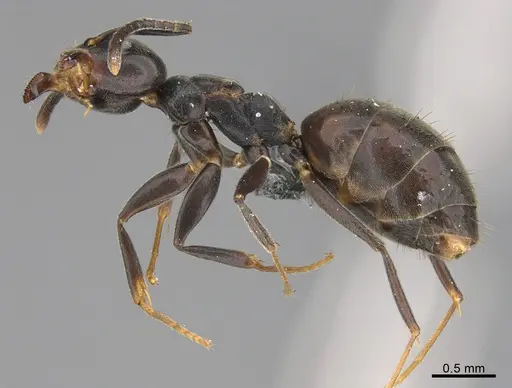
Technomyrmex mayri is a small to medium-sized ant species native to Madagascar and the Seychelles. Workers measure 2.7-4.0mm with a slender, elongated body . They belong to the Dolichoderinae subfamily, meaning they lack a functional sting and defend themselves by exuding a sticky, foul-smelling substance from their anal gland. This species nests terrestrially in and under rotten wood, and forages through leaf litter, fallen twigs, and low vegetation . They are part of the Technomyrmex albipes group and can be distinguished from similar species like T. difficilis by their longer propodeal dorsum and the position of setae on the propodeal declivity . These ants are opportunistic foragers and may also nest in dead twigs above ground. The presence of worker-queen intercastes (intermediate forms between workers and queens) has been documented, along with fully winged alate queens .
Quick Summary
- Difficulty: Medium
- Origin & Habitat: Native to Madagascar and the Seychelles, found in tropical humid forests at elevations around 785m [2]. Inhabits rotting wood, leaf litter, and low vegetation in humid, shaded environments [1][3].
- Colony Type: Colony structure is not fully documented. Worker-queen intercastes are present, suggesting potential for replacement reproductives within established colonies [1].
- Size & Growth:
- Queen: Size data unavailable
- Worker: 2.7-4.0mm [1]
- Colony: Unknown, likely several hundred workers (inferred from typical Technomyrmex patterns)
- Growth: Moderate (inferred)
- Development: Unknown from research, estimated 6-8 weeks at 24-28°C based on genus patterns (Timeline is an estimate, actual development may vary.)
- Antkeeping:
- Temperature: Keep at 24-28°C. As a tropical species from Madagascar, they prefer warm, stable conditions. A heating cable on one side of the nest can create a gentle gradient if room temperature is below this range [3][2].
- Humidity: High humidity required, they naturally inhabit damp forest floor environments with rotting wood. Keep nest substrate consistently moist but not waterlogged. Provide a water tube as a humidity source [1].
- Diapause: No, being a tropical species from Madagascar, they do not require hibernation. Maintain warm temperatures year-round [2].
- Nesting: They naturally nest in rotting wood and dead twigs [1]. In captivity, they do well in Y-tong (AAC) nests, plaster nests, or naturalistic setups with wood pieces. Avoid completely dry setups.
- Behavior: These ants are active foragers that search through leaf litter and low vegetation for food. They are not particularly aggressive but will exude a sticky, foul-smelling substance from their anal gland when threatened. Their small size (under 4mm) means they can slip through tiny gaps, excellent escape prevention is essential. They are generalist foragers and likely accept a variety of food sources.
- Common Issues: escape prevention is critical, their tiny size allows them to squeeze through standard gaps [1], dry conditions cause colony decline, they require consistently moist nesting environment, wild-caught colonies may carry parasites that can devastate captive colonies, slow initial colony growth may lead to overfeeding, offer appropriate portions for colony size
Housing and Nest Setup
Technomyrmex mayri does well in several nest types. Y-tong (AAC) nests work well because they hold humidity well and allow you to observe the colony. Plaster nests are another good option, they naturally absorb and hold moisture, creating the damp conditions these ants need. If using a naturalistic setup, include pieces of rotting wood or dead twigs for them to nest in. Whatever nest type you choose, ensure it can maintain high humidity without becoming waterlogged. A test tube setup can work for founding colonies, but you may need to upgrade to a formicarium as the colony grows. Always provide an outworld for foraging, these ants are active foragers and need space to search for food [1].
Feeding and Diet
Like most Technomyrmex species, T. mayri is likely a generalist forager. Offer sugar sources like sugar water, honey, or diluted maple syrup, these ants will readily accept sweet liquids. For protein, provide small insects like fruit flies, small crickets, or mealworms. Since they naturally forage through leaf litter, they likely consume small arthropods and honeydew from aphids in the wild. Feed them a few times per week, adjusting based on how quickly they consume the food. Remove uneaten prey after 24 hours to prevent mold. A constant sugar source should be available, with protein offered 2-3 times weekly.
Temperature and Humidity
Keep your colony at 24-28°C. Being from tropical Madagascar, they need consistent warmth year-round, no hibernation or cooling period is needed [2]. Room temperature may be sufficient if your home stays in this range, otherwise use a heating cable on one side of the nest to create a warm zone. For humidity, maintain a consistently moist substrate without waterlogging. These ants naturally live in damp forest floor environments [3], so the nest substrate should feel moist to the touch. A water tube connected to the nest helps maintain humidity through evaporation. Avoid letting the nest dry out completely, this is one of the most common causes of colony failure with this species. Good ventilation is still important to prevent mold, but balance it with humidity retention.
Escape Prevention
Excellent escape prevention is essential with Technomyrmex mayri. Workers are only 2.7-4.0mm, meaning they can slip through gaps that would hold larger ants [1]. Apply Fluon or similar barrier products to all edges of the formicarium lid and any connection points. Check that any tubing connections are tight and free of gaps. These ants are not strong climbers, but their small size means they will find any tiny crack. A barrier of baby powder mixed with glycerin applied around the nest opening works well as an additional deterrent. Inspect the setup regularly, even small gaps can lead to escapes.
Colony Development
The founding behavior of Technomyrmex mayri is unconfirmed. The presence of worker-queen intercastes documented in this species suggests that if the primary queen dies, replacement reproductives may develop within the colony [1]. This provides some resilience compared to species without this ability. Expect the first workers (nanitics) to be smaller than mature workers. Growth rate is moderate (inferred from genus patterns), don't expect rapid expansion. Give the colony time to establish before expecting significant growth. A well-fed colony of this species can eventually reach several hundred workers (inferred from Technomyrmex genus).
Frequently Asked Questions
Can I keep Technomyrmex mayri in a test tube?
Yes, test tubes work well for founding colonies. Use a test tube with a water reservoir sealed with cotton, this provides humidity. Once the colony grows to about 20-30 workers, consider upgrading to a formicarium that can hold moisture better. The small size of these ants means they do well in setups with appropriately sized chambers.
What do Technomyrmex mayri ants eat?
They accept a varied diet. Offer sugar water, honey, or diluted maple syrup as a constant carbohydrate source. For protein, provide small insects like fruit flies, small crickets, or mealworms. They are generalist foragers, so they will likely accept most standard ant foods.
How long does it take for Technomyrmex mayri to develop from egg to worker?
This is unknown from research. Based on tropical Dolichoderinae patterns, an estimated 6-8 weeks at 24-28°C. Actual development time may vary.
Do Technomyrmex mayri ants need hibernation?
No. Being a tropical species from Madagascar, they do not require hibernation. Keep them warm year-round at 24-28°C. Cooling the colony can stress them and slow or stop brood development [2].
Are Technomyrmex mayri good for beginners?
They are moderate difficulty. The main challenges are maintaining high humidity and providing excellent escape prevention due to their small size. If you can keep conditions consistently warm and humid, and are careful about escape prevention, they can be kept by intermediate antkeepers.
How big do Technomyrmex mayri colonies get?
The exact maximum is unknown, but based on typical Technomyrmex patterns, colonies likely reach several hundred workers. They are not among the largest ant species, but can still become substantial colonies with proper care.
Why are my Technomyrmex mayri escaping?
Their small size (under 4mm) allows them to squeeze through tiny gaps [1]. Apply Fluon or a baby powder barrier to all edges and connections. Check tubing for tight fits and inspect for any cracks or gaps in the formicarium. Even microscopic gaps can allow escape.
When should I move my colony to a formicarium?
Consider upgrading when the test tube becomes crowded (30+ workers) or the water reservoir needs frequent refilling. A formicarium with a humid chamber will better support their humidity needs. They do well in Y-tong or plaster nests that retain moisture.
What temperature is best for Technomyrmex mayri?
Keep them at 24-28°C. This tropical species needs consistent warmth. Room temperature is often sufficient if your home is in this range. If not, use a heating cable on one side of the nest to create a warm area, place it on top of the nest, not underneath, to avoid drying out the substrate [3].
Report an Issue
The current care sheet is based fully on literature. See inconsistencies, or something that's incorrect? Please , it will be resolved after review from an admin. Contributing to the blogs tab also helps providing information, to make us be able to further improve the caresheets. Thank you for your support!
References

This caresheet is licensed under CC BY-SA 4.0 .
Community Blogs
CASENT0077766
View on AntWeb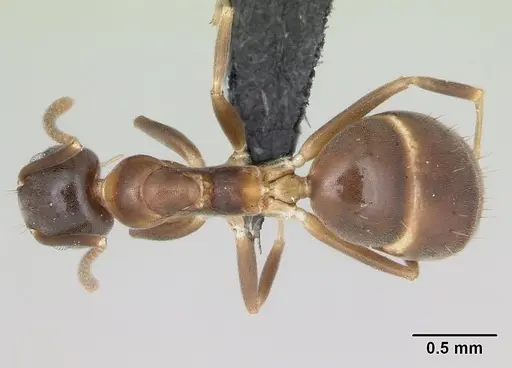
CASENT0081686
View on AntWeb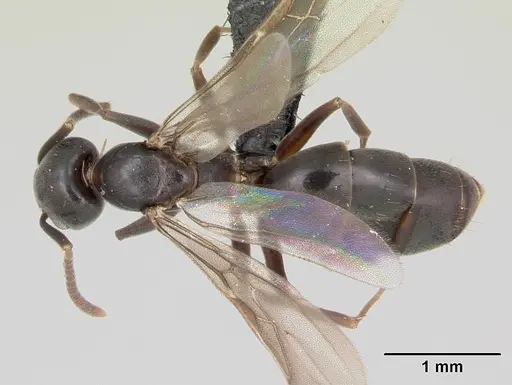
CASENT0095779
View on AntWeb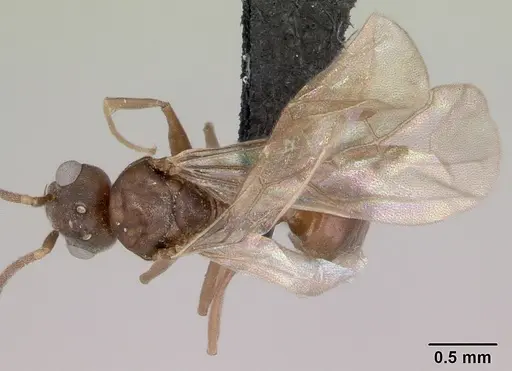
CASENT0101576
View on AntWeb
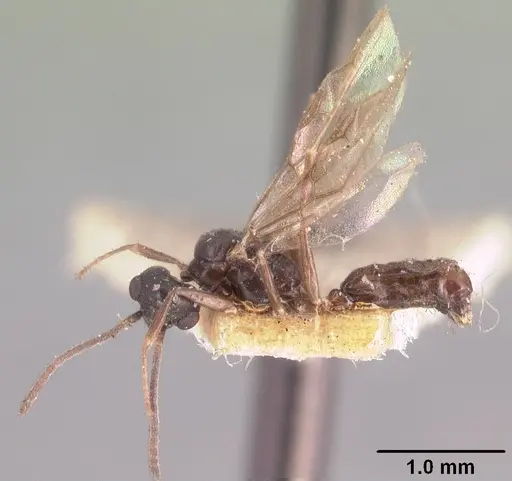
CASENT0101800
View on AntWeb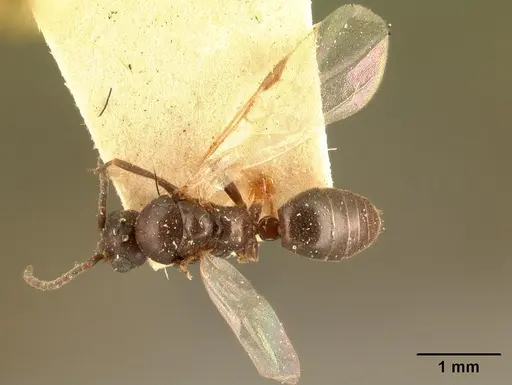
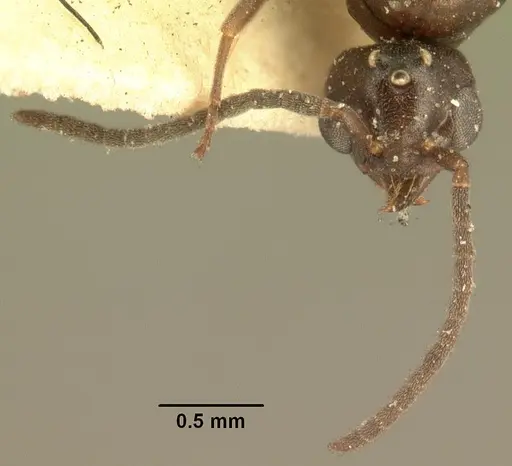
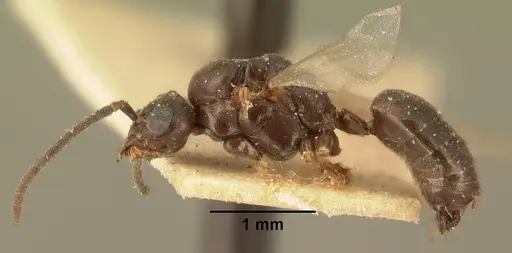
CASENT0101926
View on AntWeb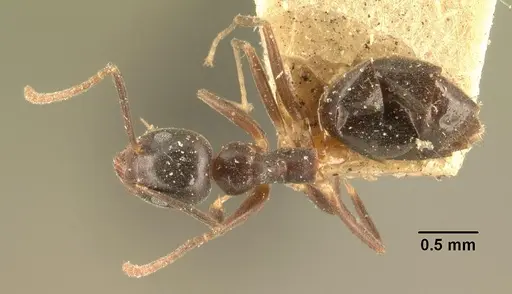
CASENT0111825
View on AntWeb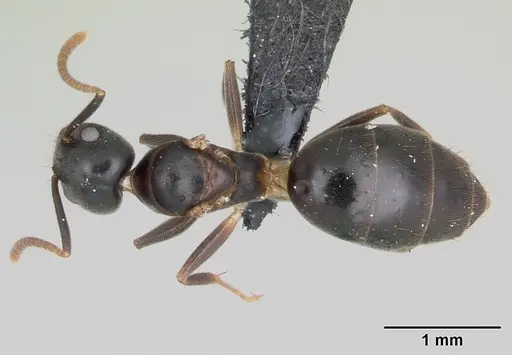

CASENT0345049
View on AntWeb
CASENT0345050
View on AntWeb
CASENT0345051
View on AntWeb
CASENT0345052
View on AntWeb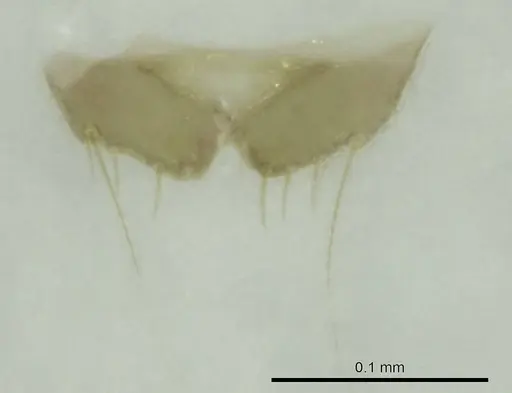
CASENT0345053
View on AntWeb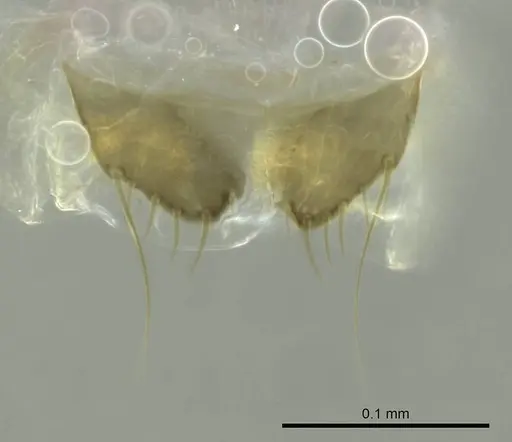
CASENT0345054
View on AntWeb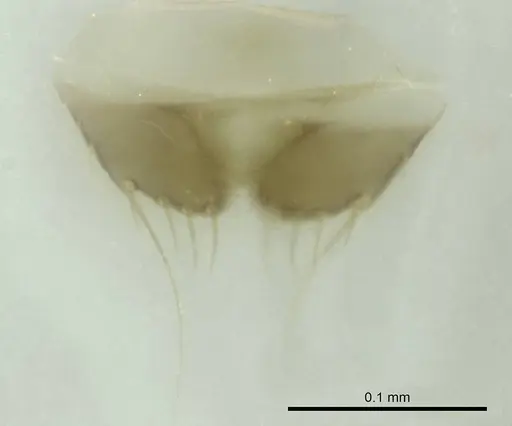
CASENT0497537
View on AntWeb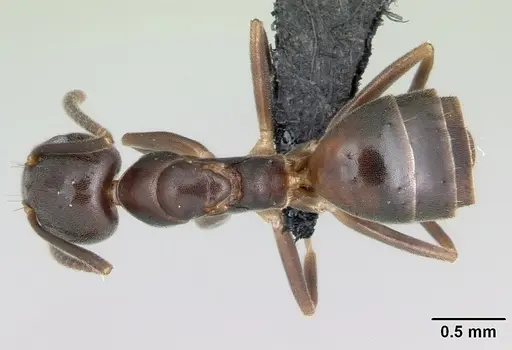
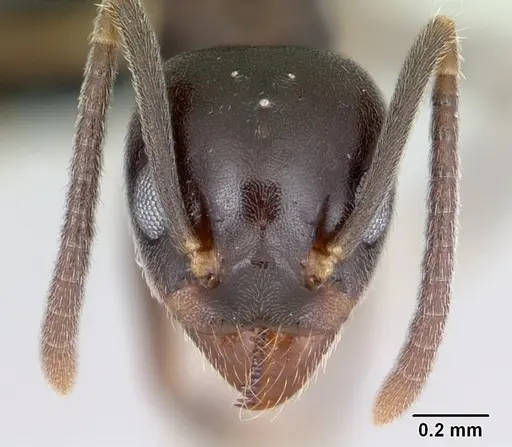
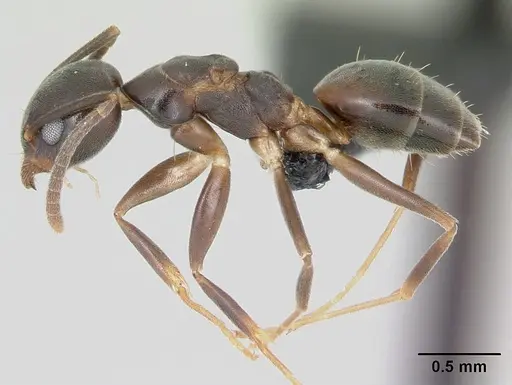
CASENT0499794
View on AntWeb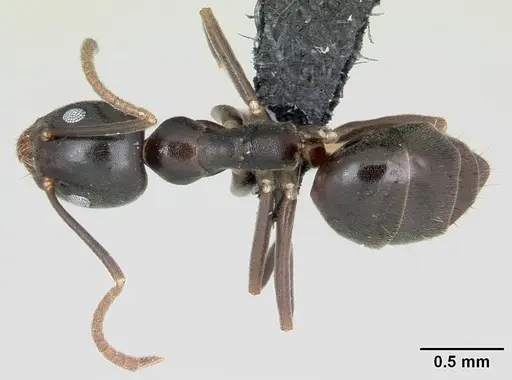
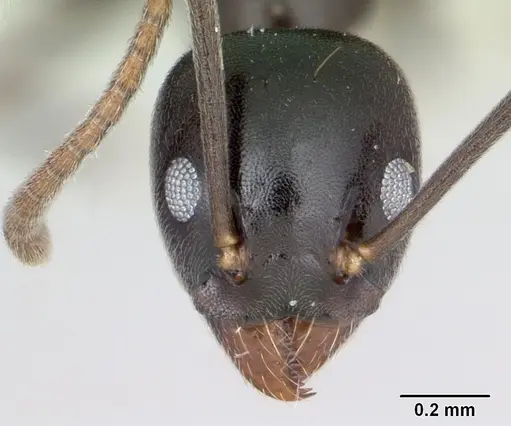
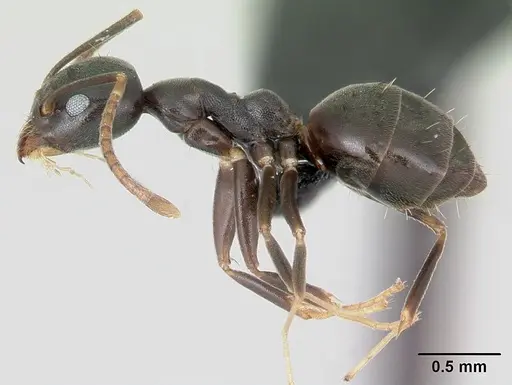
CASENT4025241
View on AntWeb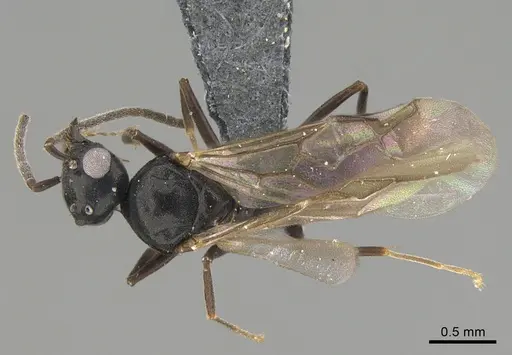
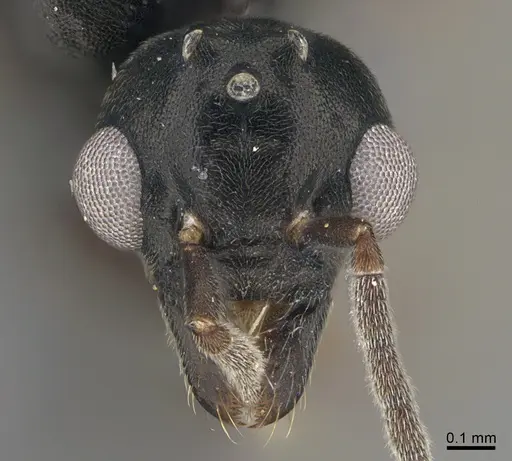
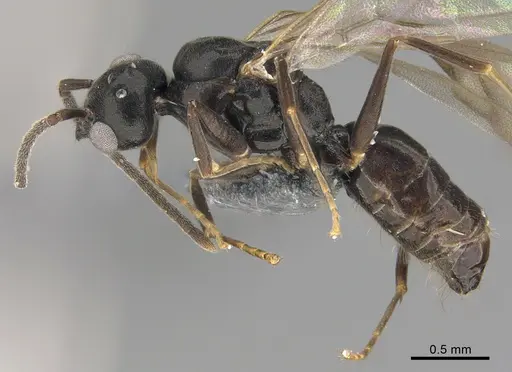
CASENT4025277
View on AntWeb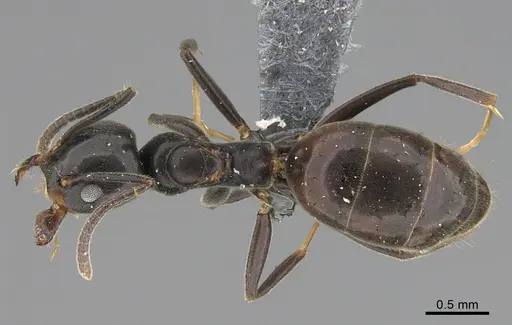
Literature
Loading distribution map...Loading products...