
Technomyrmex lujae
- Sci. Name
- Technomyrmex lujae
- Tribe
- Tapinomini
- Subfamily
- Dolichoderinae
- Author
- Forel, 1905
- Distribution
- Found in 1 countries
Introduction
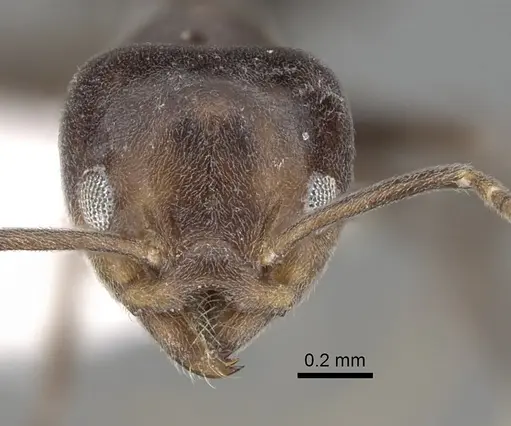
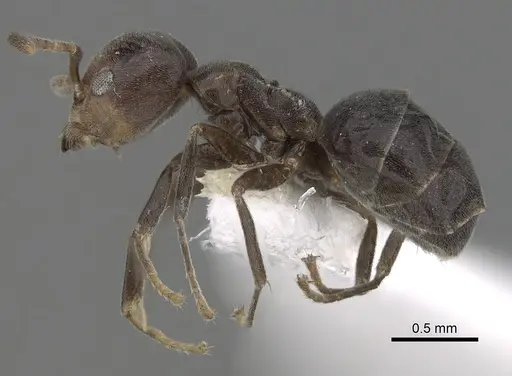
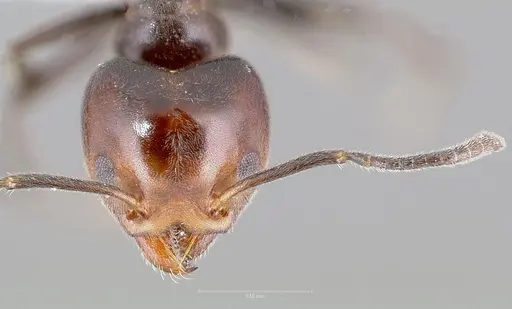
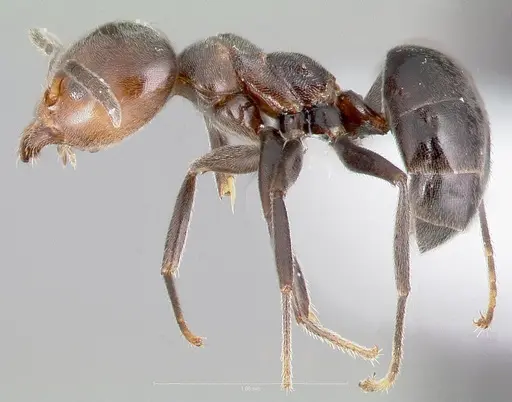
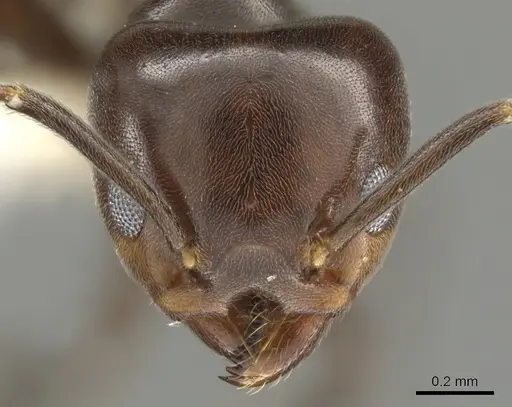
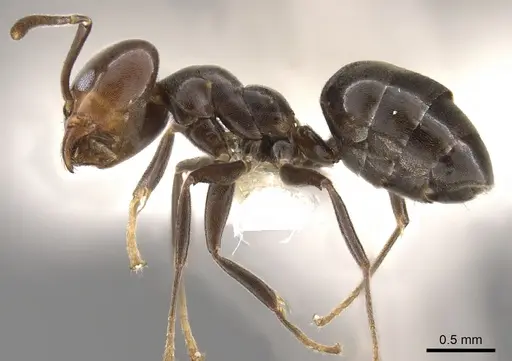
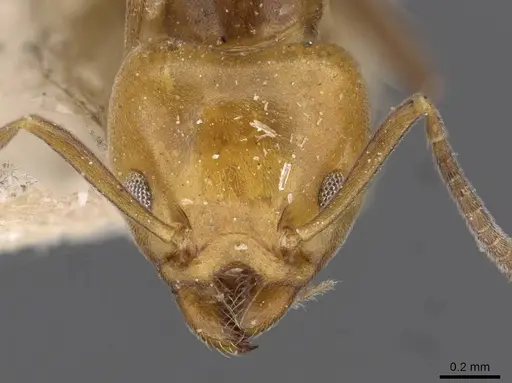
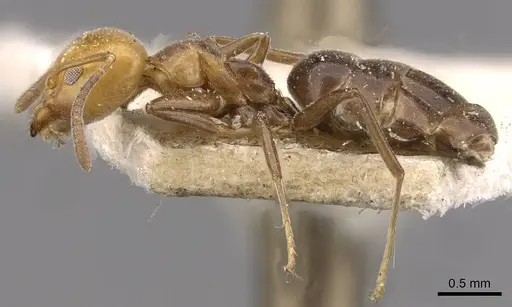
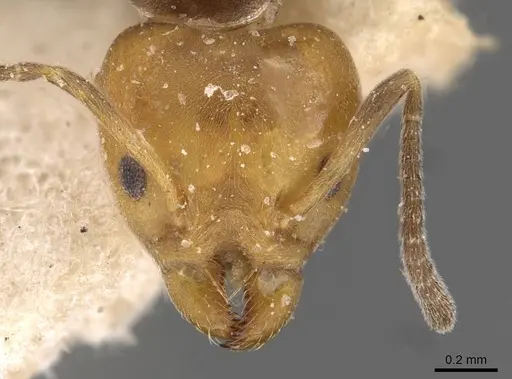
Technomyrmex lujae is a small ant species native to Central Africa, recorded from the Democratic Republic of Congo and Cameroon . Workers have a heart-shaped head and a notched front edge of the face plate . This species was originally described as *Engramma lujae* before being moved to *Technomyrmex* . Like all Dolichoderinae ants, it lacks a sting and defends itself by exuding a sticky, foul-smelling chemical from its rear end. Basic biology is poorly known, so most care advice is inferred from related species.
Quick Summary
- Difficulty: Hard
- Origin & Habitat: Democratic Republic of Congo and Cameroon, tropical forest regions [1][2]
- Colony Type: Unconfirmed, colony structure is not documented. Related *Technomyrmex* species are often monogyne, but this has not been verified for *T. lujae*.
- Size & Growth:
- Queen: size data unavailable
- Worker: size data unavailable
- Colony: Unknown
- Growth: Unknown, no data
- Development: Unknown, no specific data available (As a tropical species, development likely takes several weeks at warm temperatures, but exact timing is undocumented.)
- Antkeeping:
- Temperature: As a tropical species, keep warm (roughly 24-28°C). Specific optimal temperatures are unknown, use a gradient and observe the ants’ activity [1].
- Humidity: Keep the nest substrate consistently damp but not waterlogged. High humidity (similar to a tropical forest floor) is likely required [1].
- Diapause: No, tropical species do not need hibernation. Keep warm all year.
- Nesting: Unknown, related *Technomyrmex* often nest in soil or rotting wood. A Y‑tong (AAC) or naturalistic setup with moist substrate is a reasonable guess.
- Behavior: Very little is known about this specific species. As a typical Dolichoderinae, it is a trail‑forming forager and defends itself with a sticky, foul‑smelling chemical (not formic acid). Escape risk is moderate because workers are small, use tight barriers.
- Common Issues: most care parameters are guesswork, expect surprises with this poorly studied species, tropical temperature requirements can cause colony failure if the nest gets too cool, high humidity needs may lead to mold if ventilation is poor, the chemical defense secretion can be irritating to skin or eyes, avoid direct contact
Housing and Nest Setup
Because so little is known about Technomyrmex lujae, a simple, flexible setup is safest. A Y‑tong (AAC) or plaster nest that holds moisture without flooding works well for most tropical species. If you want a natural look, use a container filled with damp soil and a piece of rotting wood. Keep the nest dark, cover it with something opaque. The outworld should have a foraging area, a water source, and escape‑proof walls. Avoid materials that could be damaged by the ants’ chemical defense, such as untreated soft plastics.
Feeding and Diet
Based on related Technomyrmex species, these ants are probably omnivorous. Offer a sugar source (honey water or sugar water) and protein in the form of small insects like fruit flies or small crickets. Feed protein two to three times a week and keep sugar water available always. Remove leftover prey after 24 to 48 hours to prevent mold. Fresh water should always be accessible.
Temperature and Humidity Management
No exact temperature or humidity data exists for this species. As a tropical ant from Central Africa, it likely needs warm, humid conditions. Keep the nest area between 24 and 28 °C, use a small heating cable on one side to create a gradient. Keep the nest substrate consistently damp but not dripping. Poor temperature control is a common cause of failure with tropical species.
Colony Development and Growth
There is no published information on the development or colony size of Technomyrmex lujae. Based on related species, growth is probably moderate, but this is pure guesswork. Expect the first workers to appear several weeks after the queen lays eggs, but exact timing is unknown. Be patient and do not assume something is wrong if the colony grows slowly, you are working with an almost undocumented species.
Behavior and Defense
As a member of the subfamily Dolichoderinae, Technomyrmex lujae lacks a sting and defends itself by exuding a sticky, foul‑smelling chemical from an anal gland. This is not formic acid (which is used by Formicinae). The secretion can be irritating to skin and eyes, so avoid disturbing the colony unnecessarily. The ants are likely to be active foragers that lay down pheromone trails, but no behavioral studies exist for this species.
Frequently Asked Questions
How long does it take for Technomyrmex lujae to produce first workers?
No data is available for this species. Based on related tropical ants, you can expect several weeks, but it is unknown. Keep the colony warm and humid, and watch for the first workers, they will appear when conditions are right.
What temperature do Technomyrmex lujae ants need?
Exact temperature needs are unknown. As a tropical species, keep the colony at roughly 24-28 °C (75-82 °F) year‑round. A small heating cable on one side of the nest can help maintain warmth.
Can I keep Technomyrmex lujae in a test tube?
A test tube can work for a founding queen, but be careful with humidity, these ants need high moisture. A Y‑tong or plaster nest is better once the colony grows. Monitor the test tube closely to prevent drying out or flooding.
How big do Technomyrmex lujae colonies get?
Colony size is unknown. Related Technomyrmex species can have several hundred workers, but nothing is documented for T. lujae.
Do Technomyrmex lujae need hibernation?
No, as a tropical African species, they do not need hibernation. Keep warm conditions all year. Cold can kill these ants.
What do Technomyrmex lujae eat?
They are likely omnivorous. Offer sugar water or honey regularly, and supplement with small insects like fruit flies or small crickets two to three times per week.
Is Technomyrmex lujae good for beginners?
This species is not recommended for beginners because almost nothing is known about its care. You will need to guess most parameters. It is best suited for experienced keepers who like a challenge.
Why is my Technomyrmex lujae colony dying?
Common suspect causes include temperatures dropping below 24 °C, low humidity causing desiccation, or poor ventilation leading to mold. Because so little is known, you may need to experiment with conditions.
When should I move my colony to a formicarium?
Move to a larger nest when the founding setup becomes crowded, usually when the colony has 30-50 workers. Ensure the new setup maintains the same high humidity and warm temperature. This is a general guideline (no species‑specific data exists).
Report an Issue
The current care sheet is based fully on literature. See inconsistencies, or something that's incorrect? Please , it will be resolved after review from an admin. Contributing to the blogs tab also helps providing information, to make us be able to further improve the caresheets. Thank you for your support!
References

This caresheet is licensed under CC BY-SA 4.0 .
Community Blogs
CASENT0249793
View on AntWeb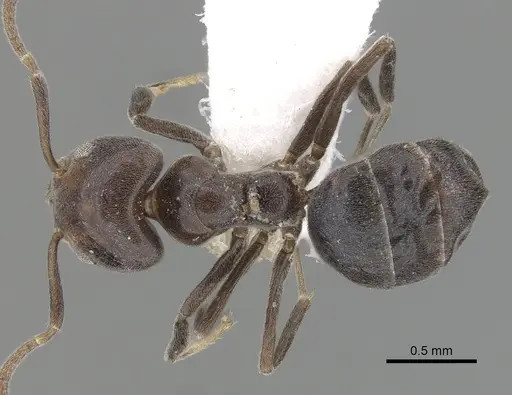
CASENT0417897
View on AntWeb
CASENT0900324
View on AntWeb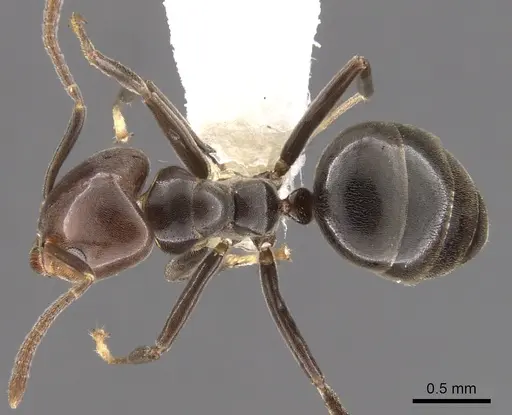
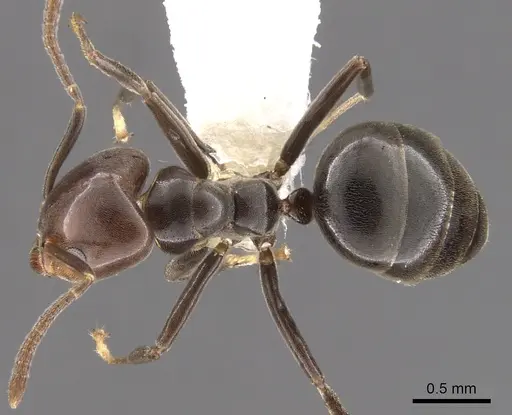
CASENT0909756
View on AntWeb
CASENT0909757
View on AntWeb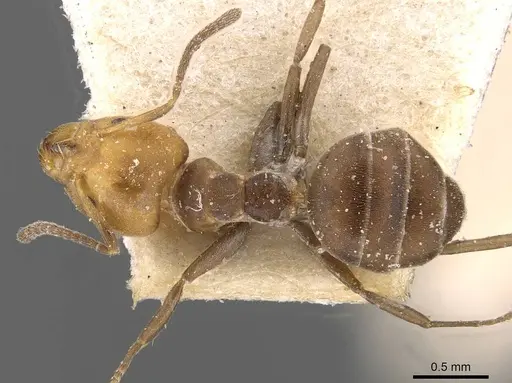
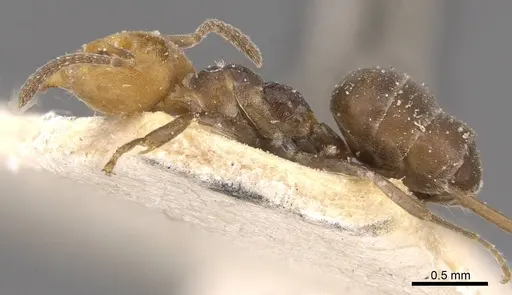
CASENT0911588
View on AntWeb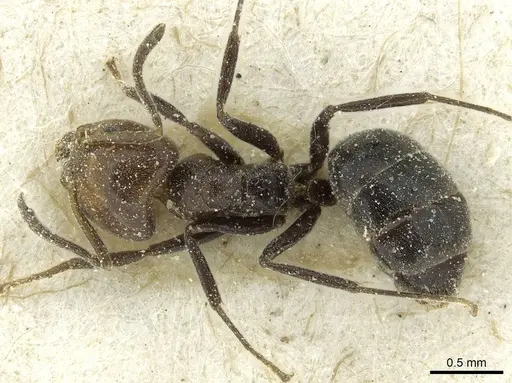
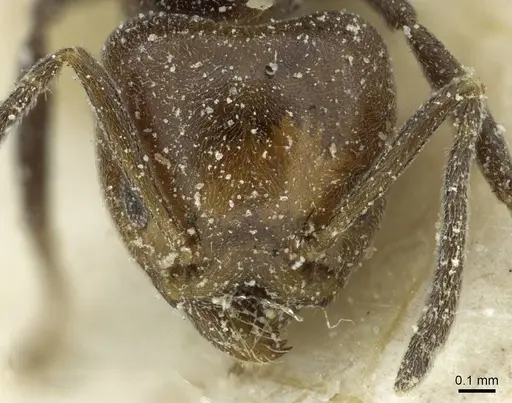
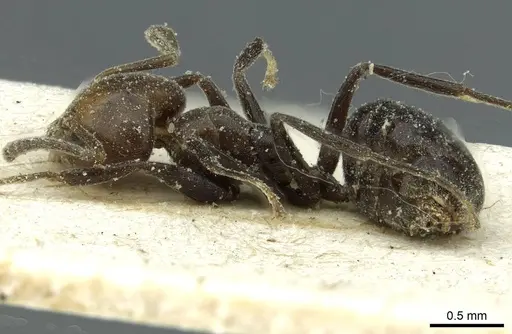
Literature
Loading distribution map...Loading products...