
Technomyrmex horni
- Sci. Name
- Technomyrmex horni
- Tribe
- Tapinomini
- Subfamily
- Dolichoderinae
- Author
- Forel, 1912
- Distribution
- Found in 8 countries
Introduction
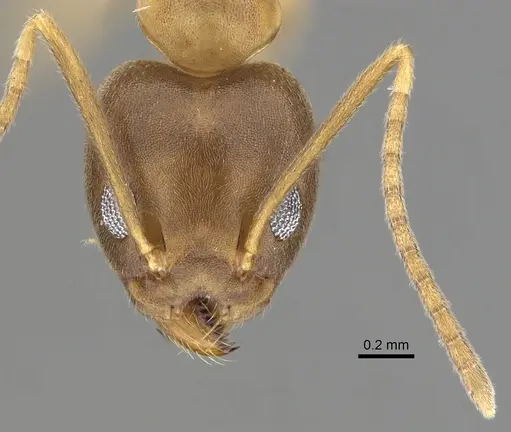
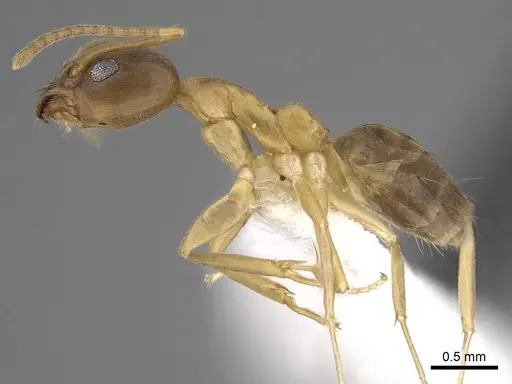
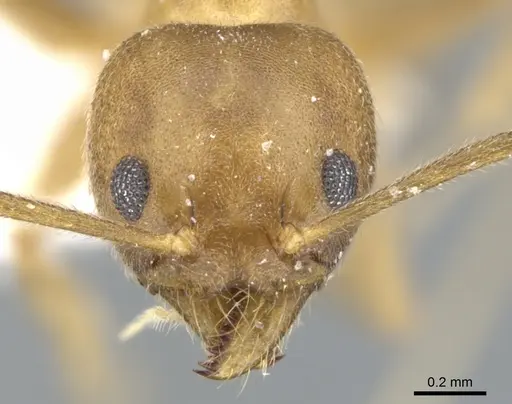
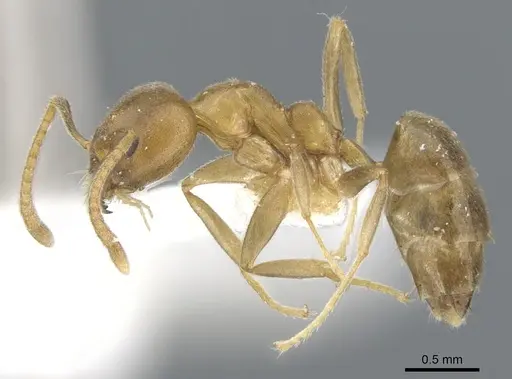
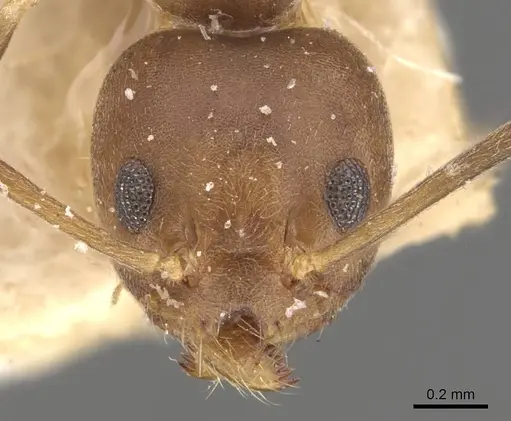
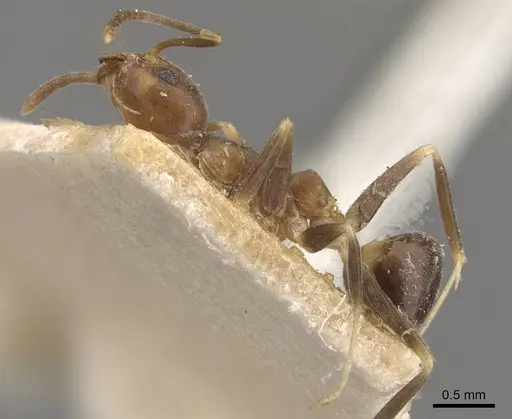
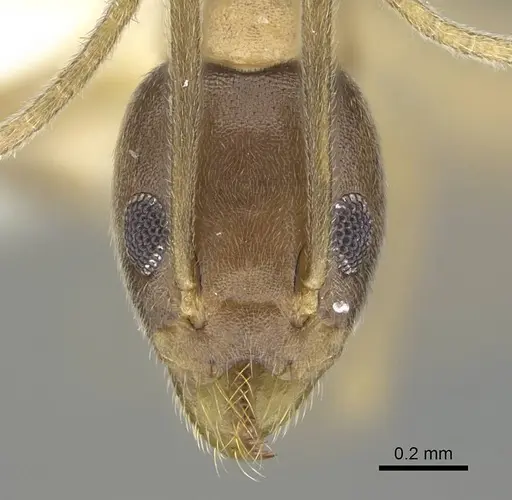
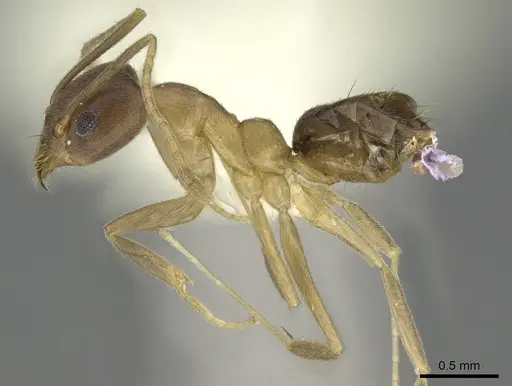
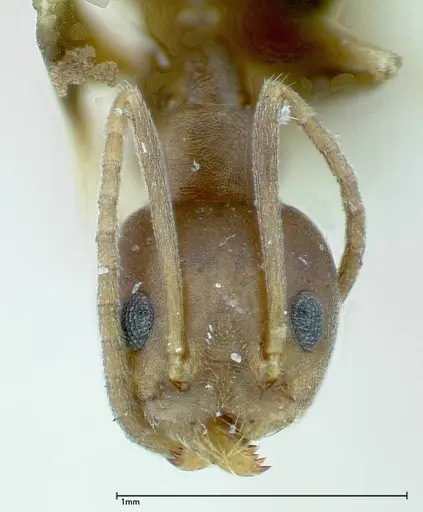
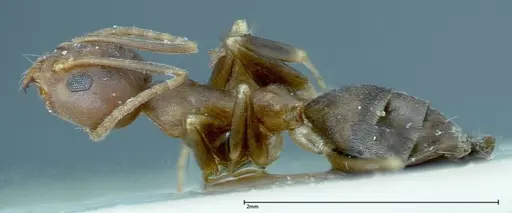
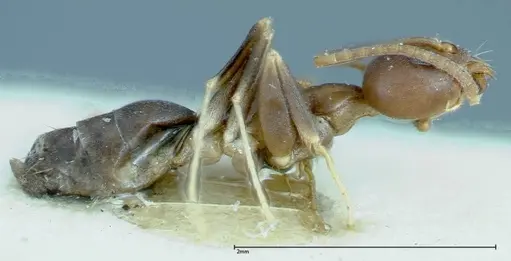
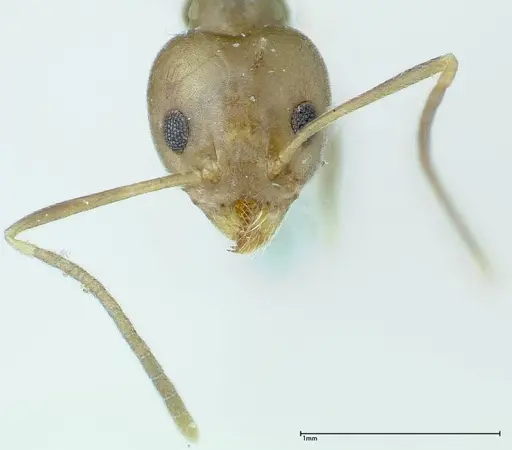
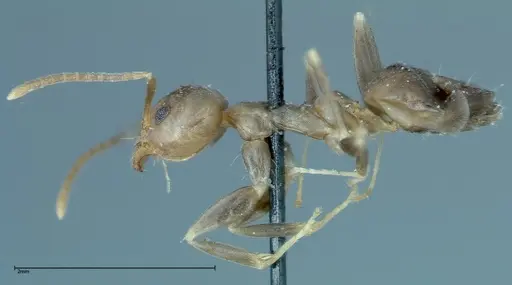
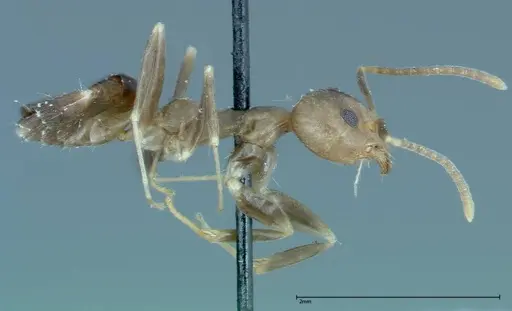
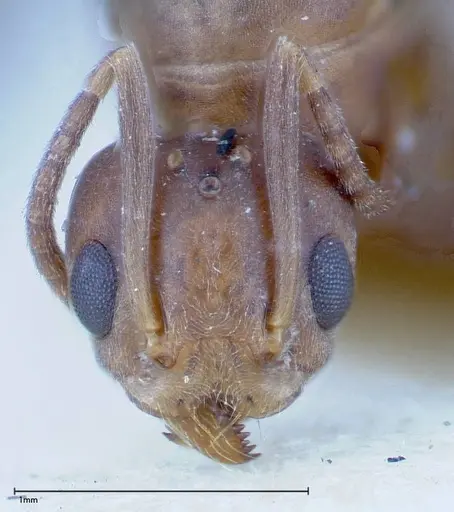
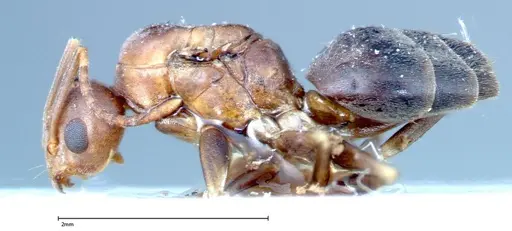
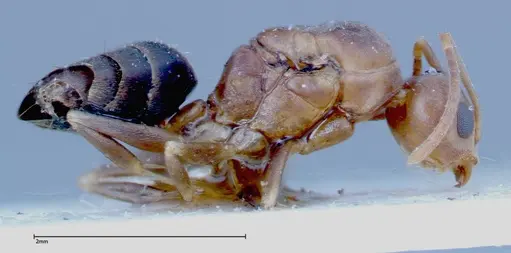
Technomyrmex horni is a small ant from the Dolichoderinae subfamily. Workers are 2.9–4.3 mm long and range from yellow to light brownish yellow, with the head and gaster often a bit darker than the middle part of the body. They have no hairs on the head, mesosoma, or first gastral segment, but the second to fourth gastral segments carry long, stout hairs. This species belongs to the Technomyrmex bicolor group and shows a lot of variation in body shape and color across its range . These ants live in forests across southern Asia, from Sri Lanka and India through Southeast Asia to Taiwan and southern China. They are usually found in leaf litter and dead bamboo in humid forests, at elevations from sea level up to about 900 meters. In Thailand, a colony was collected from leaf litter in a hill evergreen forest, and in Taiwan and Vietnam they have been found in dead bamboo . As Dolichoderinae ants, they don't have a stinger. When threatened, they exude a sticky, foul-smelling liquid from an anal gland to drive away predators.
Quick Summary
- Difficulty: Easy
- Origin & Habitat: Native to the Indomalayan region: Sri Lanka, India (Punjab, Haryana, Kerala), China (Yunnan, Taiwan, Hainan, Hong Kong), Thailand, Malaysia, Singapore, Brunei, Indonesia (Krakatau) [2][3][4]. They live in leaf litter and dead bamboo in humid forests, including hill evergreen forests and lowland rainforests [2][5].
- Colony Type: Colony structure hasn't been documented. Based on related Technomyrmex species, they might be single-queen (monogyne), but this is not confirmed [2].
- Size & Growth:
- Queen: 4.5–5.2 mm (total length) [1]
- Worker: 2.9–4.3 mm (total length) [1]
- Colony: Unknown – no data available on maximum colony size [2].
- Growth: Moderate (inferred from related Technomyrmex species)
- Development: Unknown for this species. Based on related Technomyrmex patterns, it likely takes about 5–8 weeks at 25–28 °C, but this is a rough estimate. (No species-specific development data. Warm temperatures speed up brooding, cooler conditions slow it down.)
- Antkeeping:
- Temperature: Keep the nest at 24–28 °C. This tropical species comes from warm, humid forests, so it needs stable warmth. Use a heating cable on one side if your room is cooler [2].
- Humidity: High humidity is critical. Keep the nest substrate consistently moist but not waterlogged. In nature they live in damp leaf litter, so dry conditions will kill them quickly [2][5].
- Diapause: No – this tropical species doesn't need hibernation. Keep them warm all year [2].
- Nesting: In the wild they nest in leaf litter and dead bamboo. For captivity, use a naturalistic setup with moist soil, peat, or coco fiber, plus a layer of leaf litter on top. A Y-tong or plaster nest with good moisture retention also works well. The chambers should be small – these ants prefer tight spaces [2].
- Behavior: Workers are calm and not aggressive. They forage actively and lay clear trails to food. When bothered, they exude a sticky, foul‑smelling liquid from an anal gland (common for Dolichoderinae). They don't sting. Because they are small (under 4 mm), they can escape through tiny gaps – use fine mesh on any openings. Workers are fast and efficient at finding food.
- Common Issues: dry conditions – these forest ants die quickly if the nest dries out, escapes through small gaps – their size means even tiny openings are a risk, mold growth in the humid environment – good ventilation is important, wild‑caught colonies may bring in parasites or diseases, overfeeding – remove leftover protein food within 24 hours to prevent mold
Housing and Nest Setup
Technomyrmex horni does best in a naturalistic setup that mimics its forest floor home. Use a mix of soil, peat, or coco fiber that holds moisture well. Add a layer of dried leaves on top to keep humidity high and give the ants cover. You can also use a Y‑tong or plaster nest with good water retention – just make sure the chambers are small, because these ants prefer tight spaces.
Keep the nest substrate damp but not soaking wet. Avoid standing water. Place the nest in a shaded spot, away from direct sunlight. Connecting a test tube with a water cotton plug can help maintain humidity [2][5].
Feeding and Diet
Like most Technomyrmex, T. horni is omnivorous. Offer a sugar source (diluted honey or sugar water on a cotton ball) all the time, and provide protein 2–3 times a week – small insects like fruit flies, mealworms, or chopped bloodworms work well. They also take ripe fruit.
Remove any uneaten prey within 24 hours to stop mold from growing. In the wild they probably tend aphids for honeydew and hunt tiny invertebrates in the leaf litter [1].
Temperature and Humidity
Keep the nest at 24–28 °C. This tropical species needs warmth to stay active and develop brood. If your room is cooler, put a heating cable on one side of the nest (on top, not underneath, to avoid drying out the substrate) to create a warm area.
Humidity is extra important. These ants come from damp forests, so the nest substrate must stay consistently moist. Mist the outworld now and then, but focus on keeping the nest itself damp. Good airflow is still needed to prevent mold, but don't let the setup dry out [2].
Behavior and Colony Dynamics
Technomyrmex horni workers are active, speedy foragers that quickly form trails to food. The colony grows at a moderate pace – expect several months from a founding queen to the first tiny workers, then more months before the colony reaches a noticeable size.
Workers are not aggressive and rarely bite. Their defense is to release a sticky, foul‑smelling liquid from an anal gland – it can irritate skin but isn't dangerous. They are not known for escaping on purpose, but because they are small (under 4 mm), they can slip through the tiniest gaps. Use fine mesh on all connections. Queens are larger (4.5–5.2 mm) and founding behavior is unconfirmed, so give her plenty of privacy during the first brood [2][1].
Seasonal Care
As a tropical species, T. horni does not need hibernation. Keep the nest warm (24–28 °C) all year round. In their native range, temperatures stay fairly constant, so avoid exposing them to cool periods.
In winter, if your room gets cold, use a small heater or heating mat to keep the temperature up. Also watch humidity – indoor heating can dry the air, so you may need to mist more often. Otherwise, just stick to the same routine all year [2].
Frequently Asked Questions
How long does it take for Technomyrmex horni queens to raise their first workers?
The exact timeline isn't known for this species. Based on related Technomyrmex, it probably takes about 5–8 weeks from egg to worker at 25–28 °C. Cooler temperatures will slow things down.
Can I keep Technomyrmex horni in a test tube setup?
Yes, a test tube works well for starting a colony. Use a water reservoir (cotton plug) and keep the tube in a humid, dark place. Once the colony grows to about 20 workers, you can connect an outworld for foraging [1].
What do Technomyrmex horni eat?
They are omnivorous. Give them sugar water or honey all the time, and provide small insects (like fruit flies or mealworms) 2–3 times a week. They also like ripe fruit. Remove leftover food quickly to stop mold [1].
Are Technomyrmex horni good for beginners?
Yes, they are a good choice for beginners. They are hardy, don't need hibernation, and eat many different foods. The main challenges are keeping the humidity high and preventing escapes through small gaps. Once you get the humidity right, they are easy to care for [2].
How big do Technomyrmex horni colonies get?
The maximum colony size for this species hasn't been recorded. Related Technomyrmex species can reach a few hundred workers, but it is not confirmed for T. horni [2].
Do Technomyrmex horni need hibernation?
No. This tropical species comes from warm parts of Asia and does not need a cold period. Keep them at 24–28 °C all year [2].
Why are my Technomyrmex horni dying?
The most common cause is dry conditions. These forest ants need high humidity – dry air kills them fast. Other problems include mold from overfeeding, temperatures that are too low, or escapes through small gaps. Check your humidity first if the colony is struggling [2].
When should I move my Technomyrmex horni colony to a formicarium?
Wait until the colony has at least 20 workers and is foraging actively in an outworld. It is best to let the queen raise her first generation undisturbed in a test tube. When the colony is established, connect a formicarium with moist substrate – a naturalistic setup works best.
Report an Issue
The current care sheet is based fully on literature. See inconsistencies, or something that's incorrect? Please , it will be resolved after review from an admin. Contributing to the blogs tab also helps providing information, to make us be able to further improve the caresheets. Thank you for your support!
References

This caresheet is licensed under CC BY-SA 4.0 .
Community Blogs
CASENT0249786
View on AntWeb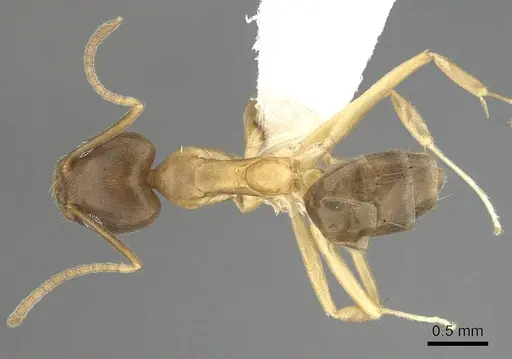
CASENT0903042
View on AntWeb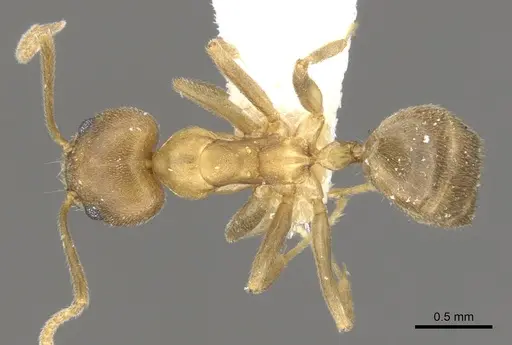
CASENT0909799
View on AntWeb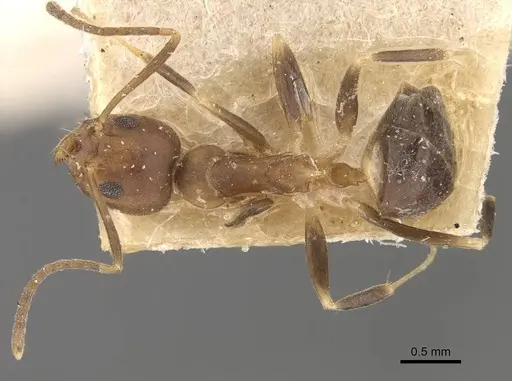
CASENT0919864
View on AntWeb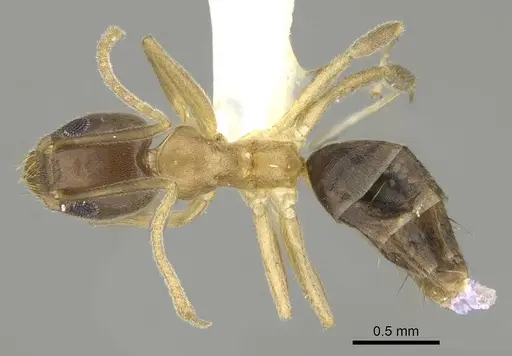
FOCOL0169
View on AntWeb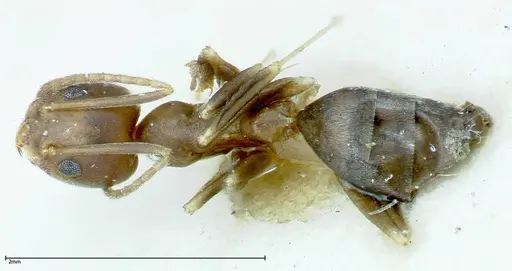
FOCOL0170
View on AntWeb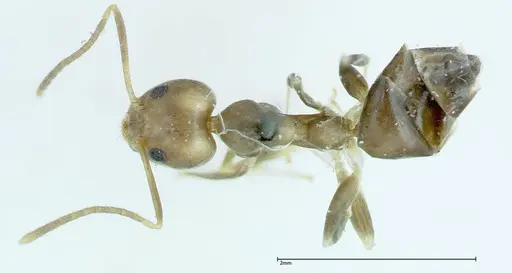
FOCOL0183
View on AntWeb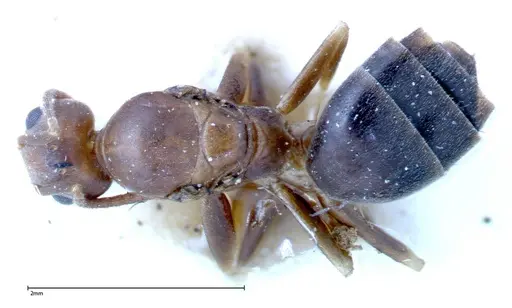
Literature
Loading distribution map...Loading products...